Clinical Significance of Hypokalemia in Blunt Liver Trauma: Preliminary Findings in a Retrospective Cohort Study of 164 Patients
Gioia Brachini, Giulia Duranti, Simona Meneghini, Marco La Torre, Eleonora Cianci, Pierfrancesco Lapolla, Luigi Simonelli, Emilio Gentile Warschauer, Roberto Cirocchi, Andrea Mingoli, Bruno Cirillo

TL;DR
This study finds that low potassium levels at admission are common in blunt liver trauma patients and may predict worse outcomes.
Contribution
The study identifies hypokalemia as a potential biomarker for risk stratification in blunt liver trauma patients.
Findings
Lower potassium levels correlate with higher liver injury severity and longer hospital stays.
Hypokalemia is associated with increased morbidity but not independently with mortality.
Age and AAST grade are independent predictors of serum potassium concentration.
Abstract
Background: The clinical significance of serum potassium levels at admission in patients with blunt hepatic trauma remains insufficiently defined. This study aimed to evaluate the prevalence and prognostic value of admission hypokalemia in this patient population. Methods: We conducted a retrospective analysis of 164 patients with radiologically confirmed blunt liver trauma admitted between 2016 and 2023. Preoperative, intraoperative, and postoperative data were collected to assess the association between serum potassium levels and trauma severity (AAST grade—American Association for the Surgery of Trauma, ISS—Injury Severity Score), in-hospital morbidity, mortality, and length of stay. Univariate and multivariate analyses were performed, including checks for normality and multicollinearity. Results: Serum potassium levels showed a significant positive correlation with age (p = 0.0064),…
Genes, proteins, chemicals, diseases, species, mutations and cell lines named across the full text — each resolved to its canonical identifier and authoritative record.
Click any figure to enlarge with its caption.
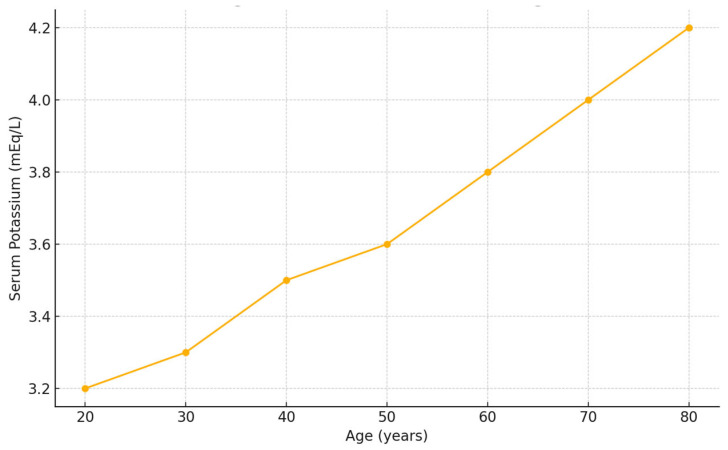 Figure 1
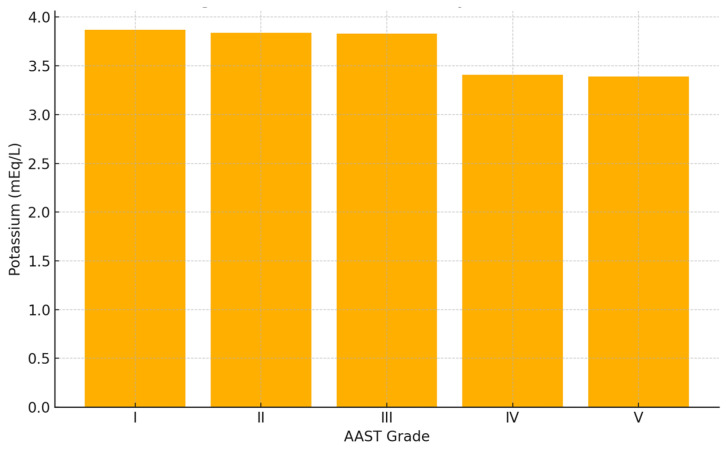 Figure 2
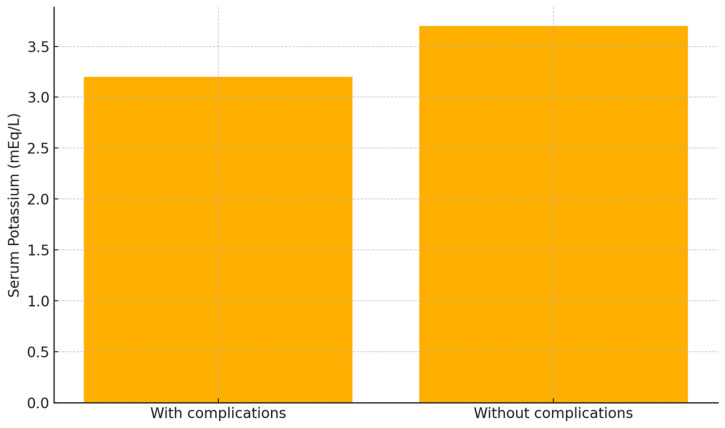 Figure 3
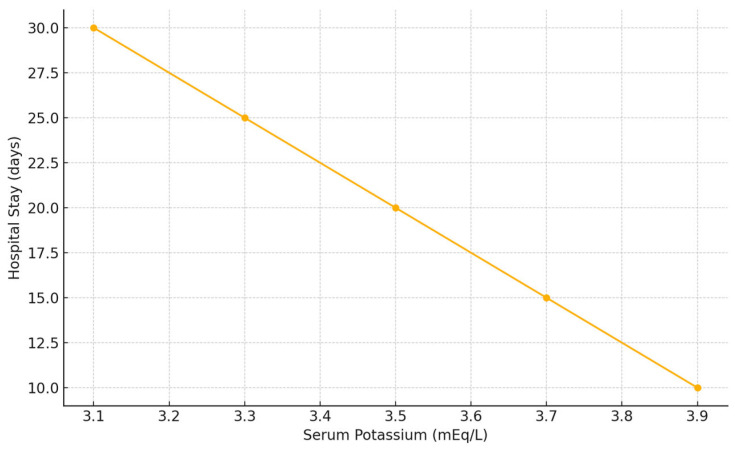 Figure 4
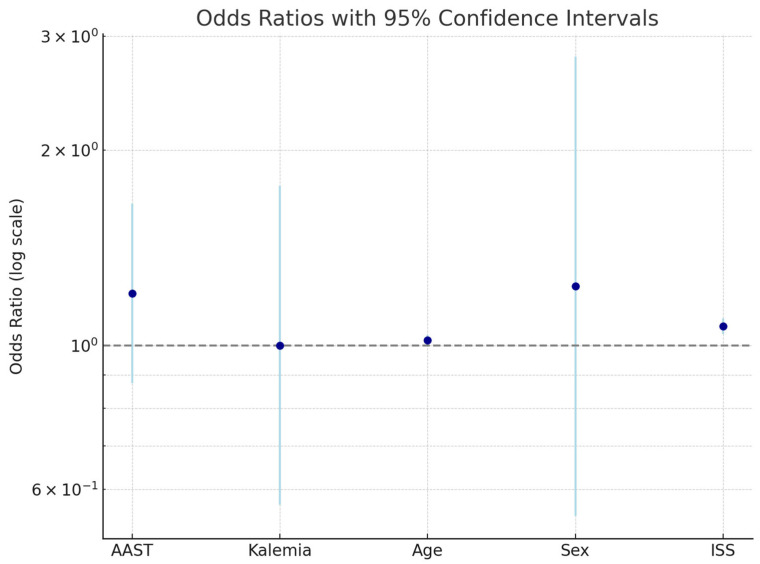 Figure 5
Peer Reviews
No public reviews on file for this paper yet. If you reviewed it on a platform where reviews are public (OpenReview, ICLR, NeurIPS, ICML), you can paste yours below so the community can read it here.
Videos
No videos yet. Explain this paper in a talk, walkthrough, or lecture? Add one.
Taxonomy
TopicsAbdominal Trauma and Injuries · Trauma Management and Diagnosis · Urological Disorders and Treatments