Identification of a Non-Retinoid Opsin Ligand Through Pharmacophore-Guided Virtual Screening—A Novel Potential Rhodopsin-Stabilizing Compound
Miriana Di Stefano, Maria Ghilardi, Clarissa Poles, Lisa Piazza, Gian Carlo Demontis, Giulio Poli, Tiziano Tuccinardi, Marco Macchia

TL;DR
Researchers identified a new compound that could stabilize rhodopsin, a protein involved in vision, potentially offering a safer treatment for retinal diseases.
Contribution
A novel non-retinoid ligand for opsin was discovered through virtual screening and validated as a potential pharmacological chaperone.
Findings
A pharmacophore-guided virtual screening identified a non-retinoid compound that binds opsin.
VS1 was confirmed to bind opsin and could serve as a starting point for stabilizer development.
The compound offers a safer alternative to retinoid-based chaperones with fewer toxicity issues.
Abstract
Rhodopsin, a G-protein-coupled receptor (GPCR) comprising the protein opsin covalently linked to the chromophore 11-cis retinal, is pivotal in visual phototransduction. Mutations in the gene encoding rhodopsin (RHO) can cause opsin misfolding or reduce its stability, resulting in retinal degenerative disorders such as retinitis pigmentosa (RP). Current therapeutic strategies employing retinoid-based chaperones partially rescue the folding and trafficking of mutant rhodopsin, but are limited by inherent toxicity and instability due to photoinduced isomerization. In the present work, a pharmacophore-based virtual screening protocol combined with molecular docking and molecular dynamics simulations was employed, leading to the identification of a novel non-retinoid opsin ligand that can potentially act as a pharmacological chaperone. Biological validation confirmed that the compound VS1…
Genes, proteins, chemicals, diseases, species, mutations and cell lines named across the full text — each resolved to its canonical identifier and authoritative record.
Click any figure to enlarge with its caption.
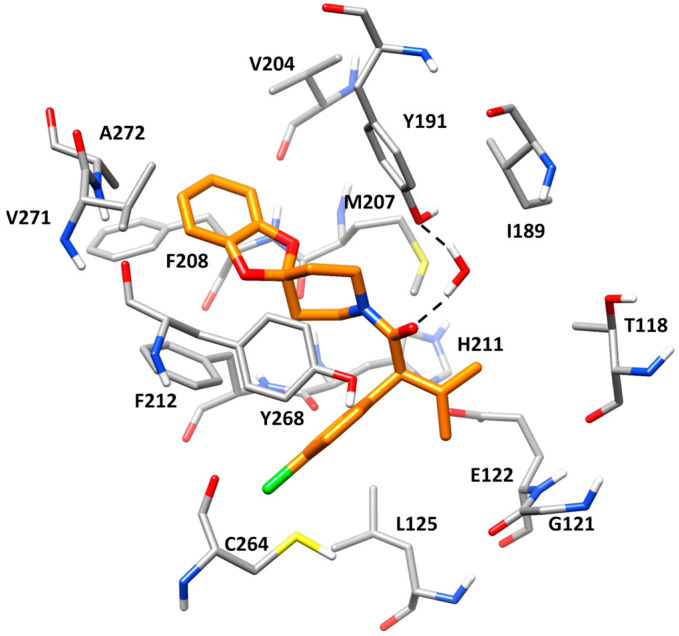 Figure 1
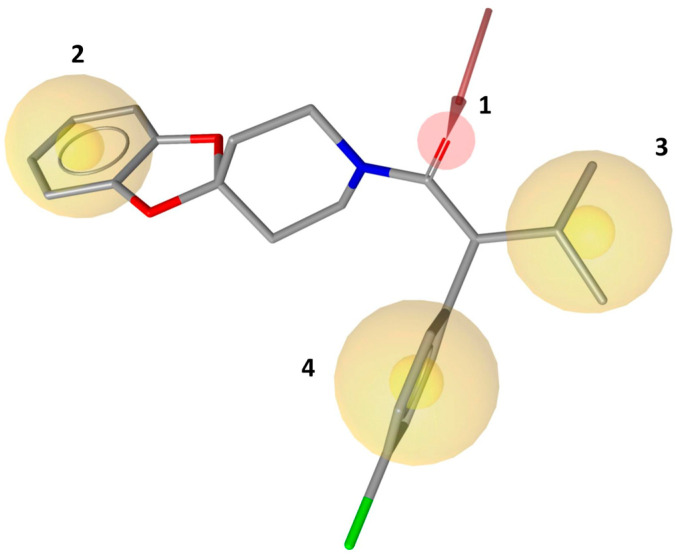 Figure 2
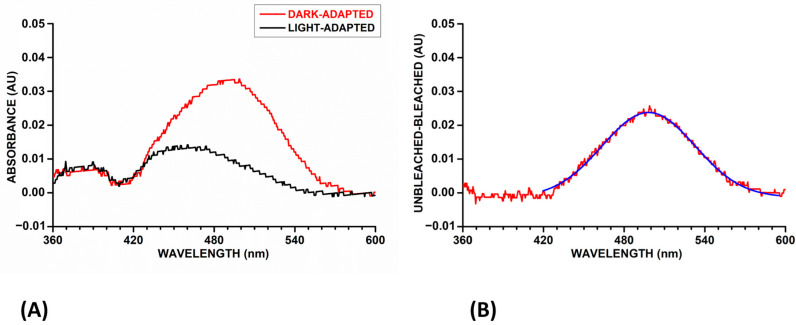 Figure 3
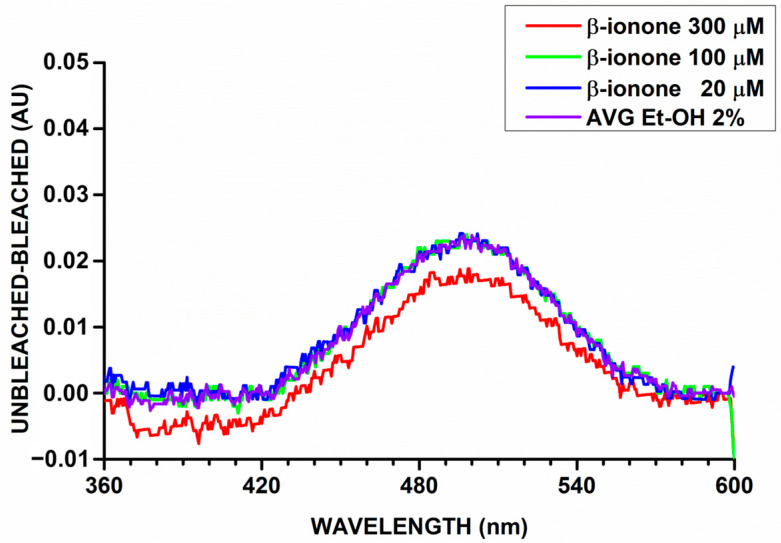 Figure 4
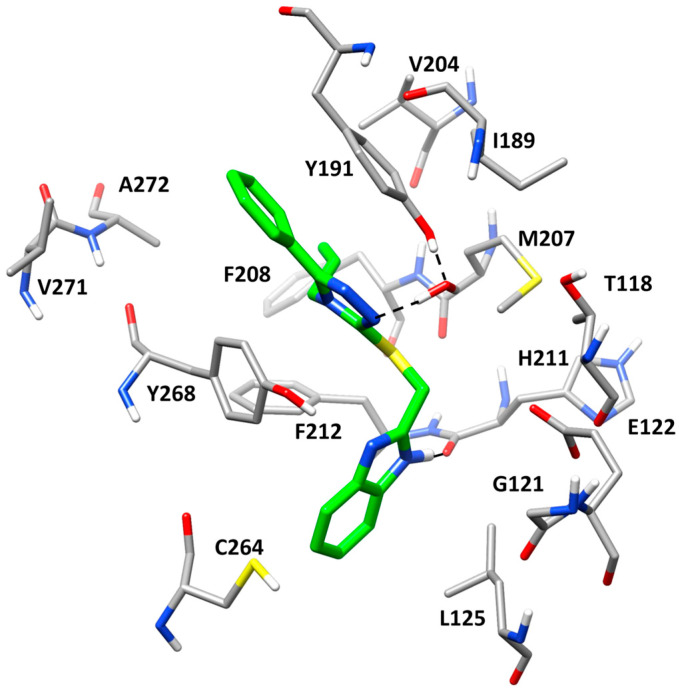 Figure 5
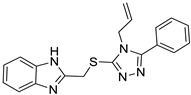 Figure 6
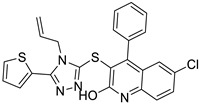 Figure 7
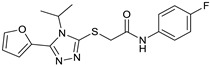 Figure 8
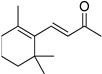 Figure 9
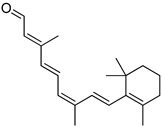 Figure 10
Peer Reviews
No public reviews on file for this paper yet. If you reviewed it on a platform where reviews are public (OpenReview, ICLR, NeurIPS, ICML), you can paste yours below so the community can read it here.
Videos
No videos yet. Explain this paper in a talk, walkthrough, or lecture? Add one.
Taxonomy
TopicsPhotoreceptor and optogenetics research · Retinal Development and Disorders · Receptor Mechanisms and Signaling