The Effect on Quality of Life of Therapeutic Plasmapheresis and Intravenous Immunoglobulins on a Population of Myalgic Encephalomyelitis/Chronic Fatigue Syndrome Patients with Elevated β-Adrenergic and M3-Muscarinic Receptor Antibodies—A Pilot Study
Boglárka Oesch-Régeni, Nicolas Germann, Georg Hafer, Dagmar Schmid, Norbert Arn

TL;DR
A pilot study found that higher levels of certain autoantibodies in ME/CFS patients are linked to lower quality of life, suggesting potential benefits from antibody-lowering treatments.
Contribution
This study is the first to show a negative association between specific autoantibody concentrations and quality of life in ME/CFS patients, suggesting therapeutic potential for antibody-lowering methods.
Findings
Higher β2-adrenergic and M3-muscarinic receptor autoantibody levels correlated with lower EQ-5D-5L quality of life scores.
No significant associations were found between β1-adrenergic and M4-muscarinic receptor antibodies and psychological or fatigue measures.
The study suggests that reducing autoantibody levels through plasmapheresis and IVIG may improve patient outcomes.
Abstract
Background/Objectives: Myalgic encephalomyelitis/chronic fatigue syndrome (ME/CFS) is a debilitating condition with not fully understood causes, though evidence points to immune system involvement and possible autoimmunity. ME/CFS could be triggered by various infectious pathogens, like SARS-CoV-2; furthermore, a subset of the post-COVID-19 condition (PCC) patients fulfill the diagnostic criteria of ME/CFS. According to the Canadian Consensus Criteria (CCC), the presence of specific symptoms such as fatigue, post-exertional malaise, sleep dysfunction, pain, neurological/cognitive manifestations, and symptoms from at least two of the following categories lead to the diagnosis of ME/CFS: autonomic, neuroendocrine, and immune manifestation. In this study, the patient selection was based on the identification of ME/CFS patients with elevated autoantibodies, regardless of the triggering…
Genes, proteins, chemicals, diseases, species, mutations and cell lines named across the full text — each resolved to its canonical identifier and authoritative record.
Click any figure to enlarge with its caption.
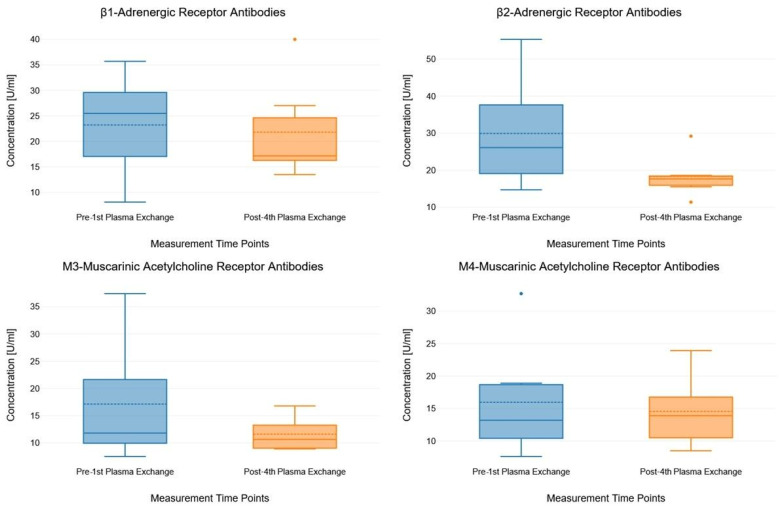 Figure 1
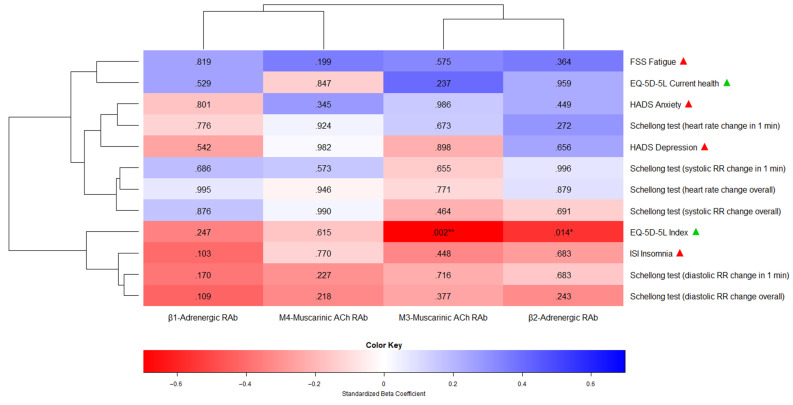 Figure 2
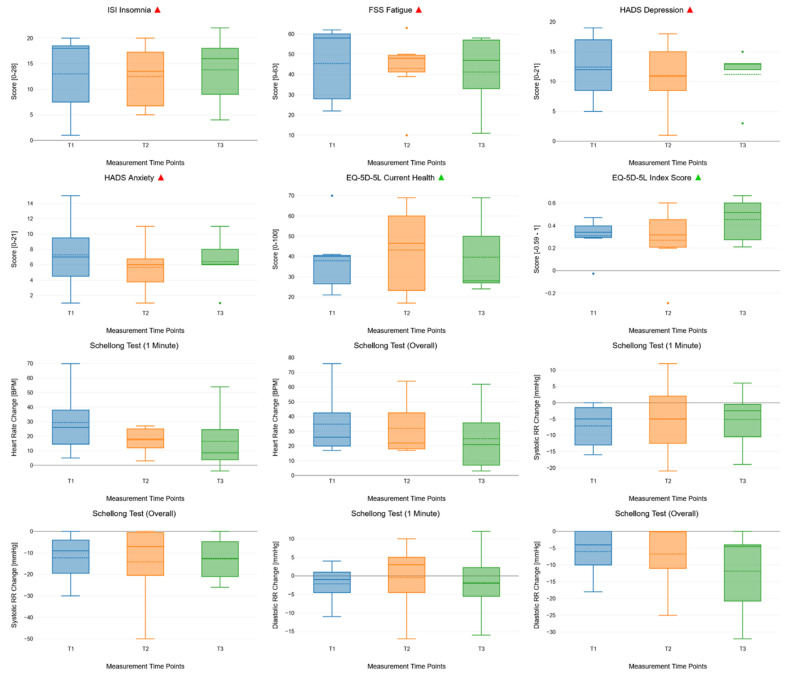 Figure 3
Peer Reviews
No public reviews on file for this paper yet. If you reviewed it on a platform where reviews are public (OpenReview, ICLR, NeurIPS, ICML), you can paste yours below so the community can read it here.
Videos
No videos yet. Explain this paper in a talk, walkthrough, or lecture? Add one.
Taxonomy
TopicsFibromyalgia and Chronic Fatigue Syndrome Research · Long-Term Effects of COVID-19 · Peripheral Neuropathies and Disorders