Botulinum Toxin A for Elbow Flexor Spasticity: A Non-Randomized Observational Study of Muscle-Specific Injection Strategies
Miruna Ioana Săndulescu, Delia Cinteză, Daniela Poenaru, Claudia-Gabriela Potcovaru, Horia Păunescu, Oana Andreia Coman

TL;DR
This study explores how injecting botulinum toxin A into specific elbow muscles affects spasticity in stroke patients, finding that combining two muscles yields the best results.
Contribution
The study introduces a novel comparison of muscle-specific botulinum toxin A injection strategies for elbow flexor spasticity in stroke patients.
Findings
The brachialis plus brachioradialis group showed the most improvement in paresis angle and supination range of motion.
The biceps brachii group required higher doses of BoNT-A to achieve similar improvements in passive extension.
Individualized muscle selection significantly impacts treatment outcomes for elbow spasticity.
Abstract
Introduction: Elbow flexor spasticity is a common and debilitating consequence of stroke, significantly impacting patients’ quality of life. Botulinum toxin A (BoNT-A) injections have emerged as an effective treatment, but the optimal muscle selection strategy remains unclear. This study investigates the impact of different BoNT-A injection strategies targeting specific elbow flexor muscles in post-stroke patients. Materials and Methods: A non-randomized observational study was conducted on 52 participants with upper limb spasticity (pattern IV) following a stroke. Participants were divided into three groups based on the elbow flexor muscles injected with BoNT-A: biceps brachii (n = 15), brachialis (n = 9), and brachialis plus brachioradialis (n = 28). Assessments included spasticity angle, paresis angle, and active supination range of motion (ROM) measured using the Tardieu Scale and…
Genes, proteins, chemicals, diseases, species, mutations and cell lines named across the full text — each resolved to its canonical identifier and authoritative record.
Click any figure to enlarge with its caption.
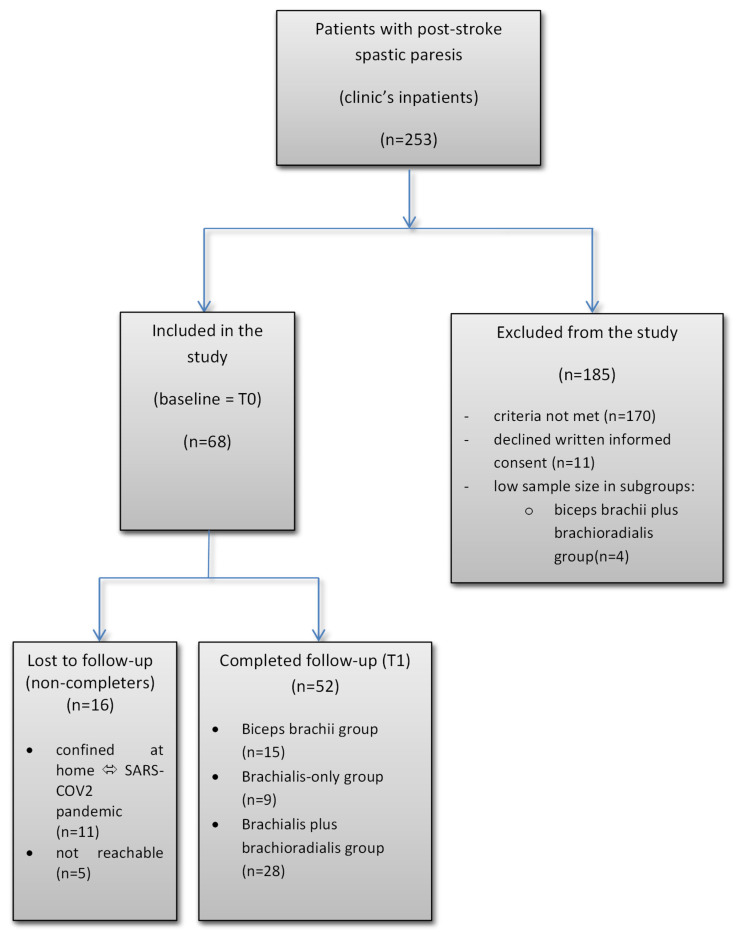 Figure 1
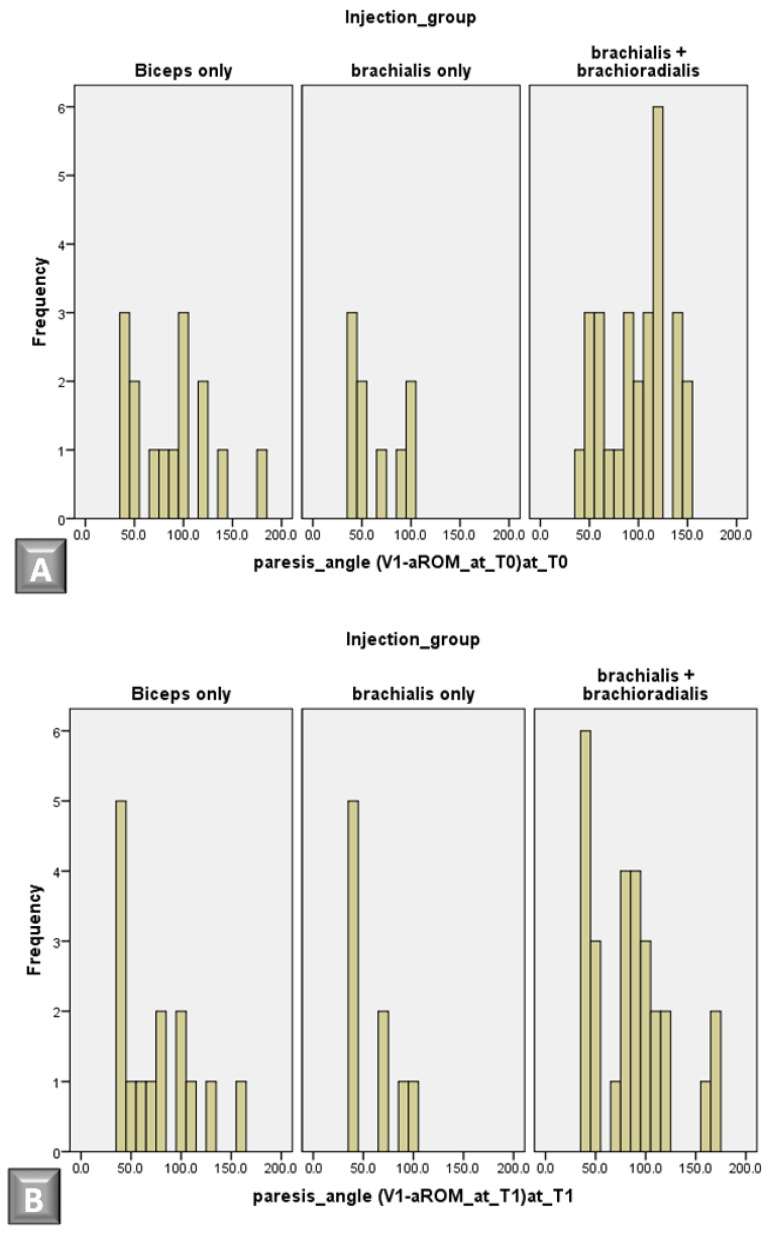 Figure 2
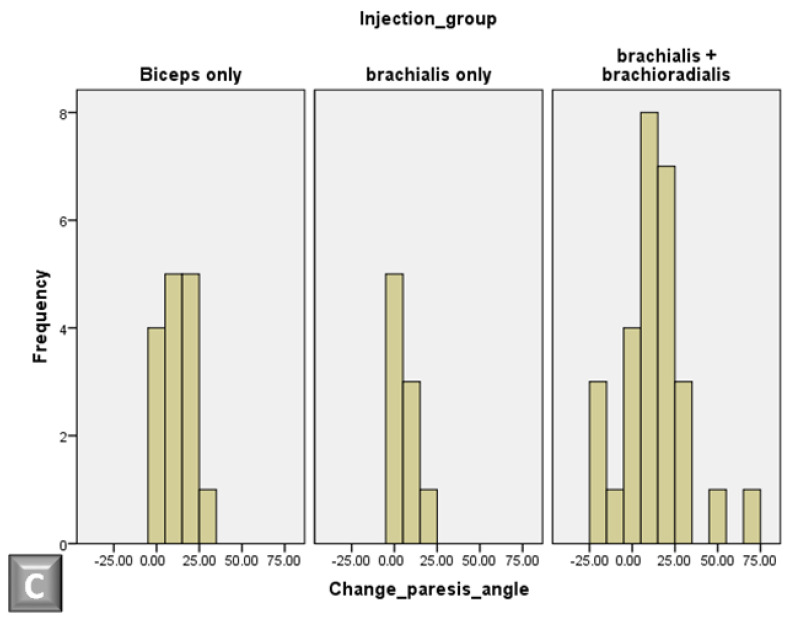 Figure 3
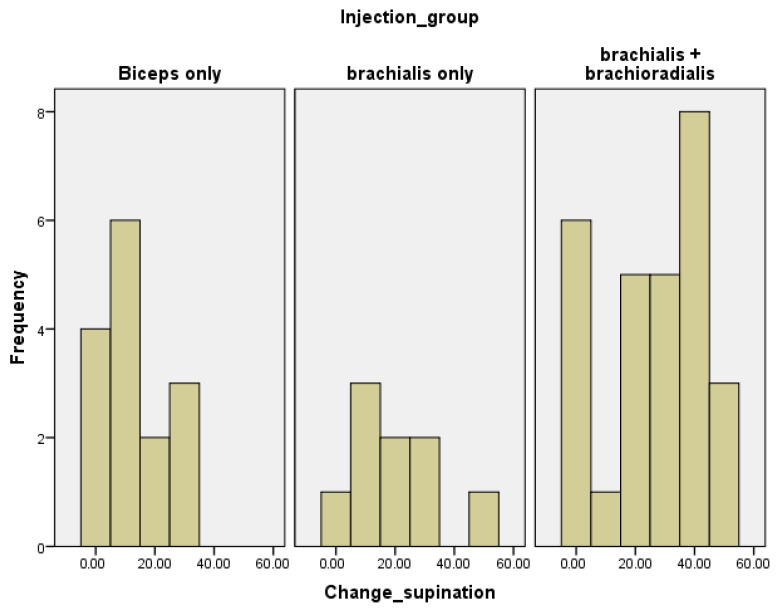 Figure 4
Peer Reviews
No public reviews on file for this paper yet. If you reviewed it on a platform where reviews are public (OpenReview, ICLR, NeurIPS, ICML), you can paste yours below so the community can read it here.
Videos
No videos yet. Explain this paper in a talk, walkthrough, or lecture? Add one.
Taxonomy
TopicsBotulinum Toxin and Related Neurological Disorders · Myofascial pain diagnosis and treatment · Hereditary Neurological Disorders