The Construction of a Molecular Model for the Ternary Protein Complex of Intrinsic Coagulation Pathway Factors Provides Novel Insights for the Pathogenesis of Cross-Reactive Material Positive Coagulation Factor Mutations
Shifeng Jiang, Fang Li, Lei Li, Xuefeng Wang, Dongqing Wei, Wenman Wu, Qin Xu

TL;DR
This study uses molecular modeling to understand how mutations in coagulation factors cause bleeding disorders, offering new insights for developing targeted treatments.
Contribution
The study provides a detailed molecular model of a ternary coagulation factor complex and identifies structural mechanisms of CRM-positive mutations.
Findings
A knot-like structure between FVIIIa and FIXa contributes to their binding.
The a2 region of FVIIIa facilitates substrate binding by opening the active site of FIXa.
The activation peptide of FX zymogen stabilizes the interface of the three factors.
Abstract
The human coagulation pathway orchestrates a complex series of events vital for maintaining vascular integrity, in which the intrinsic pathway plays a pivotal role in amplifying and propagating the coagulation response. Dysregulation of this pathway can lead to various bleeding disorders and thrombotic complications, posing significant health risks. In this pathway, the activation of Factor (F) X zymogen is catalyzed by the FVIIIa-FIXa binary complex, but knowledge about this is still incomplete. Understanding the structural and functional intricacies of the FVIIIa-FIXa-FX (zymogen) complex is imperative for unraveling the molecular mechanisms underlying coagulation regulation and guiding the development of targeted therapeutic interventions. In this study, utilizing Alphafold-Multimer and molecular dynamics (MD) simulations, we provide insights into factor interactions within the…
Genes, proteins, chemicals, diseases, species, mutations and cell lines named across the full text — each resolved to its canonical identifier and authoritative record.
Click any figure to enlarge with its caption.
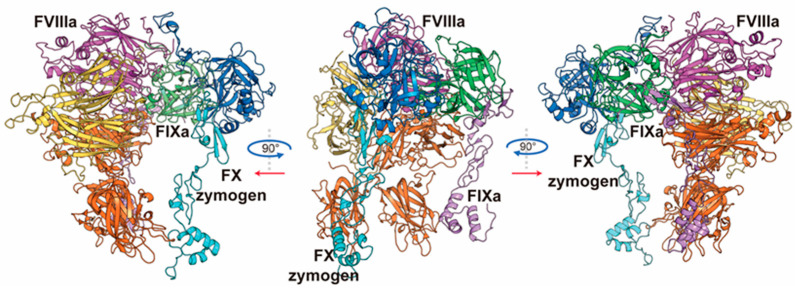 Figure 1
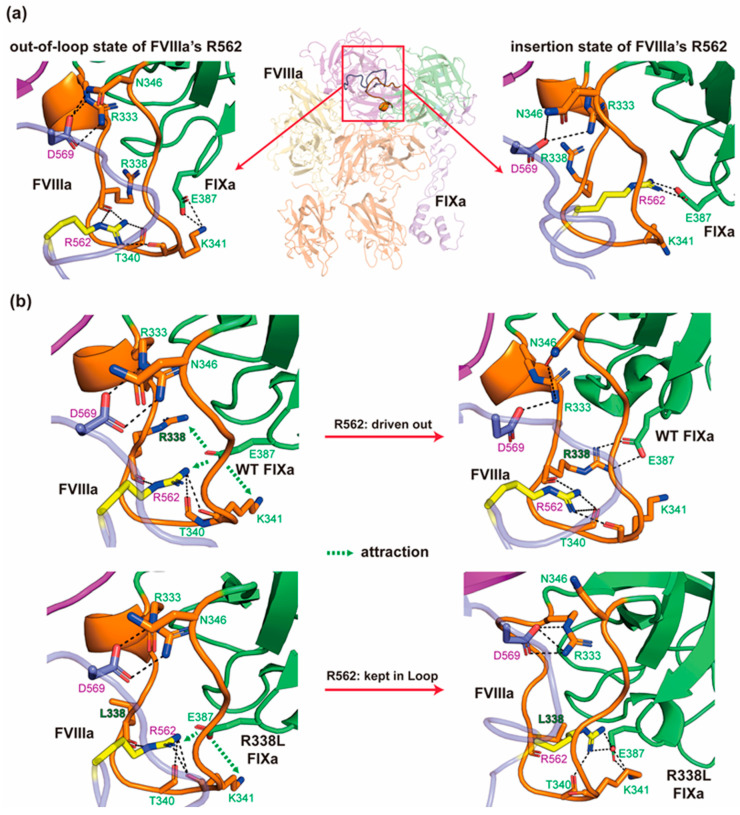 Figure 2
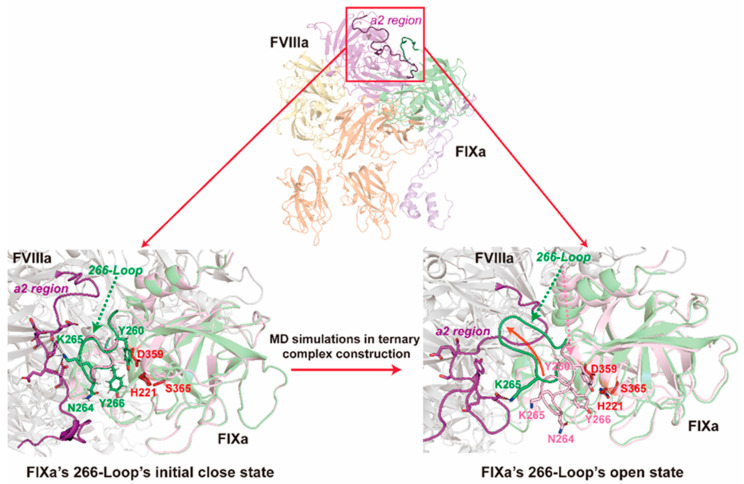 Figure 3
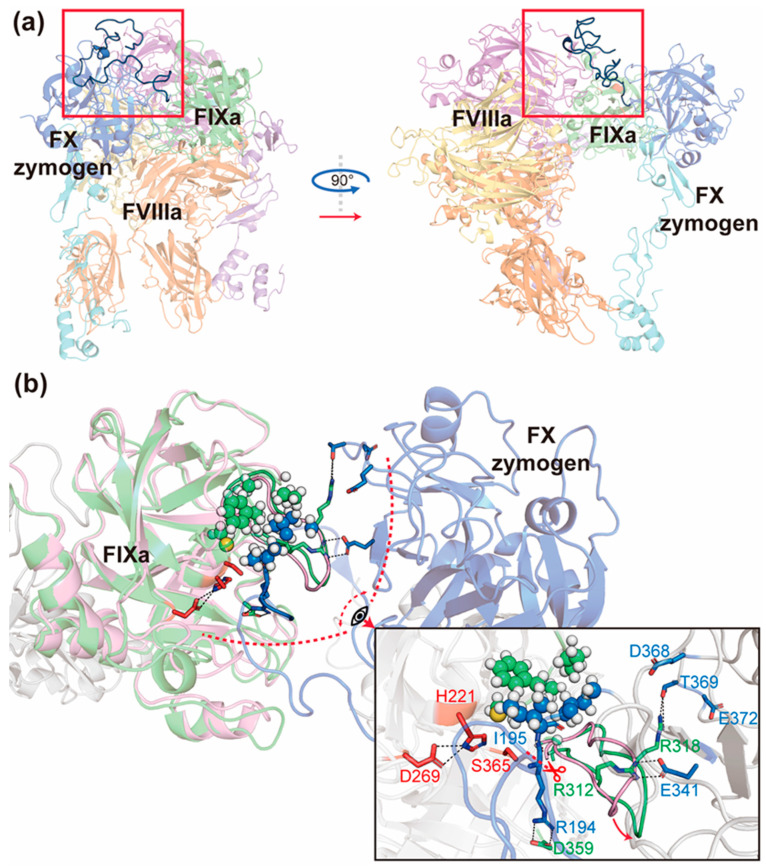 Figure 4
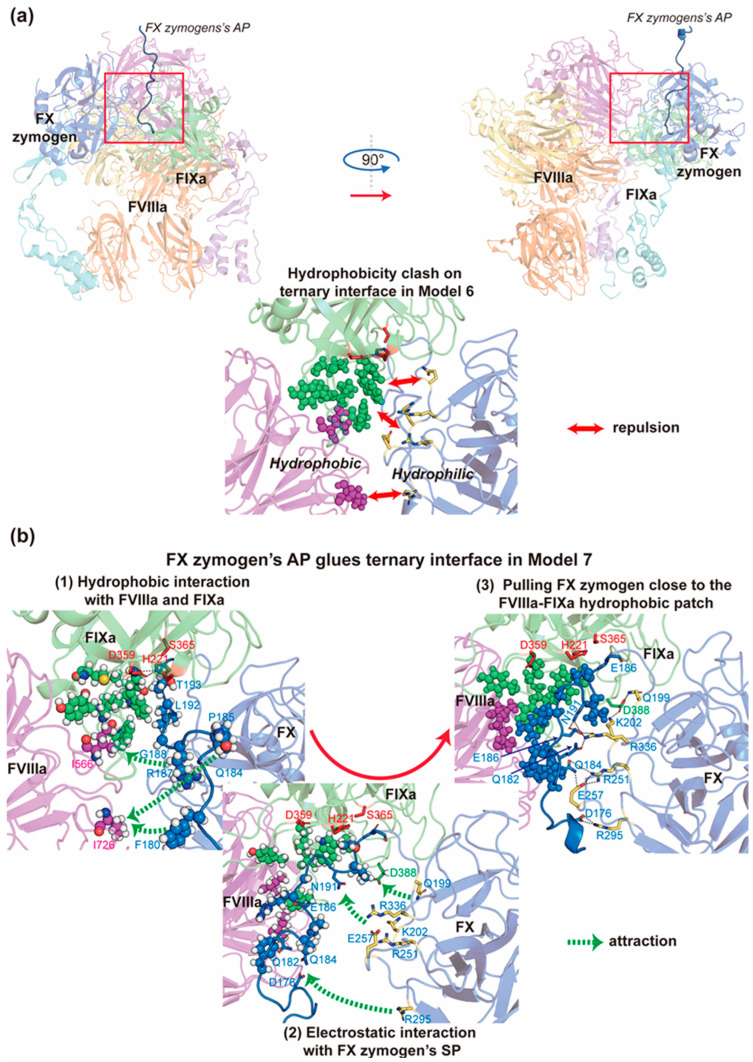 Figure 5
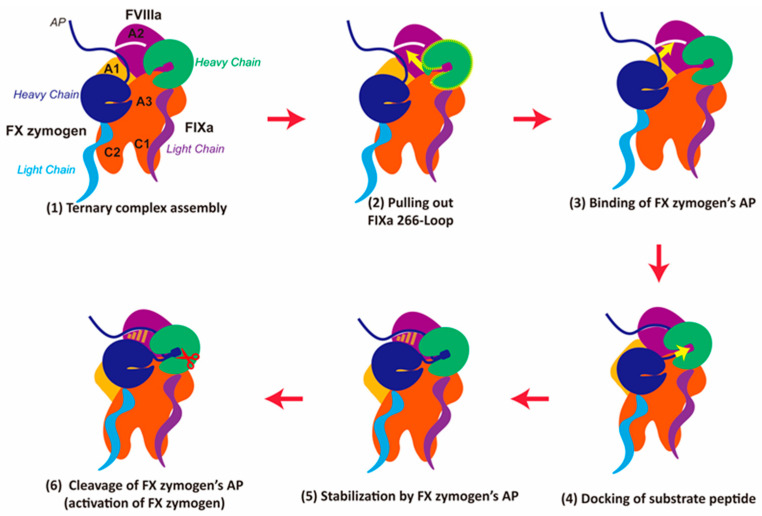 Figure 6
Peer Reviews
No public reviews on file for this paper yet. If you reviewed it on a platform where reviews are public (OpenReview, ICLR, NeurIPS, ICML), you can paste yours below so the community can read it here.
Videos
No videos yet. Explain this paper in a talk, walkthrough, or lecture? Add one.
Taxonomy
TopicsBlood Coagulation and Thrombosis Mechanisms · Blood properties and coagulation · Hemophilia Treatment and Research