Evaluation of Ovarian Stromal Microvascularity and Clinical-Hormonal Associations in Reproductive-Aged Women with Polycystic Ovary Morphology
Hakan Baş, Süleyman Filiz

TL;DR
This study uses microvascular imaging to assess ovarian blood flow in women with polycystic ovary morphology and finds strong links to hormone levels and PCOS types.
Contribution
The study introduces microvascular imaging as a novel method to quantify ovarian stromal vascularity and its associations with PCOS phenotypes and hormonal markers.
Findings
Ovarian stromal vascularity index (VI) was highest in PCOS Phenotype A and lowest in non-PCOS individuals.
VI showed strong positive correlations with total and free testosterone and a moderate negative correlation with DHEAS.
Microvascular imaging demonstrated good interobserver agreement and potential for improving PCOS diagnosis and understanding.
Abstract
Background/Objectives: This study aims to assess ovarian stromal vascularity using microvascular imaging in reproductive-aged women with polycystic ovarian morphology (PCOM) and to explore its associations with endocrine parameters and polycystic ovary syndrome (PCOS) phenotypes. Methods: We conducted a retrospective, single-center study between January 2021 and November 2023. Women aged 18–49 who met the PCOM criteria (≥20 follicles measuring 2–9 mm or an ovarian volume >10 cm3 in at least one ovary) were included. Pelvic ultrasound with MV-Flow Doppler imaging was used to quantify the stromal vascularity index (VI). On the same day, serum levels of FSH, LH, total and free testosterone, DHEAS, and estradiol were measured. PCOS phenotypes (A, C, D, and non-PCOS) were classified according to the Rotterdam criteria. Statistical analysis involved interobserver agreement using intraclass…
Genes, proteins, chemicals, diseases, species, mutations and cell lines named across the full text — each resolved to its canonical identifier and authoritative record.
Click any figure to enlarge with its caption.
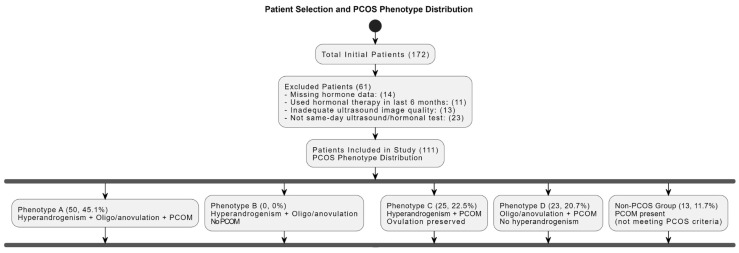 Figure 1
 Figure 2
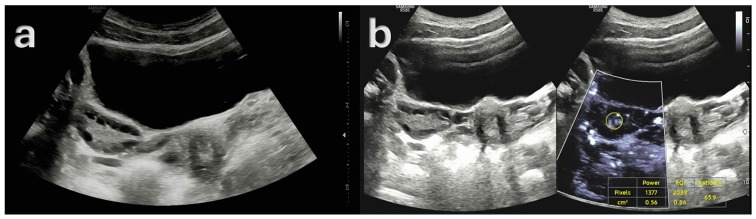 Figure 3
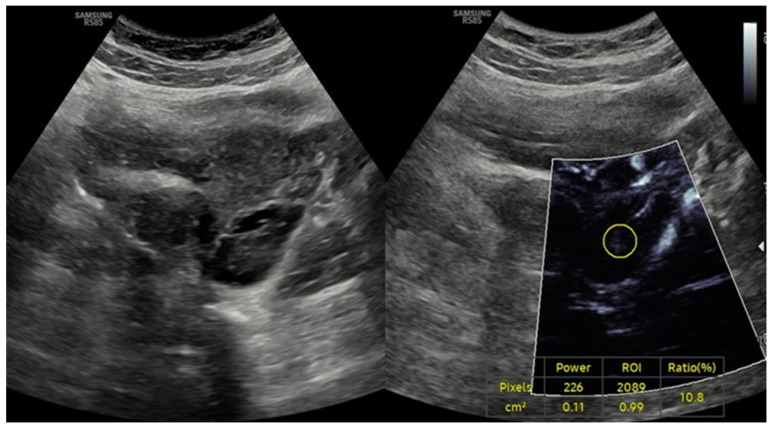 Figure 4
Peer Reviews
No public reviews on file for this paper yet. If you reviewed it on a platform where reviews are public (OpenReview, ICLR, NeurIPS, ICML), you can paste yours below so the community can read it here.
Videos
No videos yet. Explain this paper in a talk, walkthrough, or lecture? Add one.
Taxonomy
TopicsOvarian function and disorders · Reproductive Biology and Fertility · Reproductive Physiology in Livestock