A Sorting Task with Emojis to Understand Children’s Recipe Acceptance
Olatz Urkiaga, María Mora, Elena Romeo-Arroyo, Sara Pistolese, Angélique Béaino, Giuseppe Grosso, Pablo Busó, Juancho Pons, Laura Vázquez-Araújo

TL;DR
This study explores how children from three countries perceive and accept Mediterranean recipes from different cultures using emojis and sorting tasks.
Contribution
The study introduces a novel emoji-based sorting task to assess children's acceptance of diverse Mediterranean recipes.
Findings
Meat/poultry and cereal-based recipes were most preferred, while legume and vegetable dishes were less accepted.
Children grouped recipes by main ingredient, not by gastronomy culture.
Spanish children showed higher acceptance of foreign recipes compared to Lebanese and Italian children.
Abstract
Food acceptability in children is a complex, multi-dimensional process influenced by sensory perception, expectations, and context. The present study investigated children’s perception and acceptance of 20 Mediterranean recipes chosen from five different gastronomy cultures (Lebanese, Egyptian, Italian, Spanish, and Portuguese) using photographs as stimuli. A total of 184 children (10 to 13 years old) from three countries (Italy, Lebanon, and Spain) participated in a sorting task with emojis to express liking. In addition, Spanish and Lebanese participants completed a Check-All-That-Apply (CATA) activity to label the recipe groups they had created. The results from the sorting task, analyzed using ANOVA, revealed that recipes including meat/poultry and cereals were most preferred, while legume-based and vegetable dishes received lower acceptance. Children grouped recipes primarily by…
Genes, proteins, chemicals, diseases, species, mutations and cell lines named across the full text — each resolved to its canonical identifier and authoritative record.
Click any figure to enlarge with its caption.
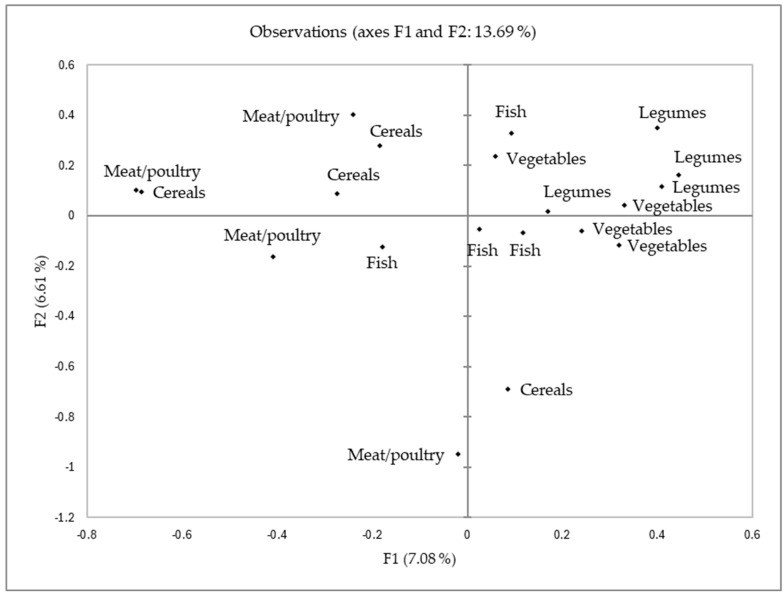 Figure 1
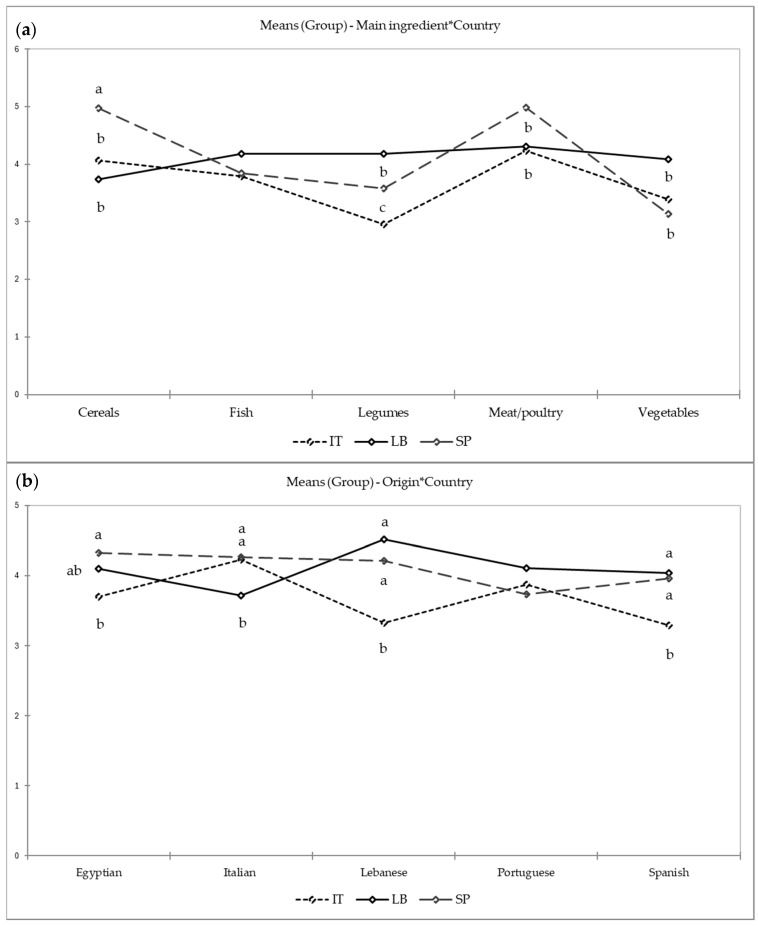 Figure 2
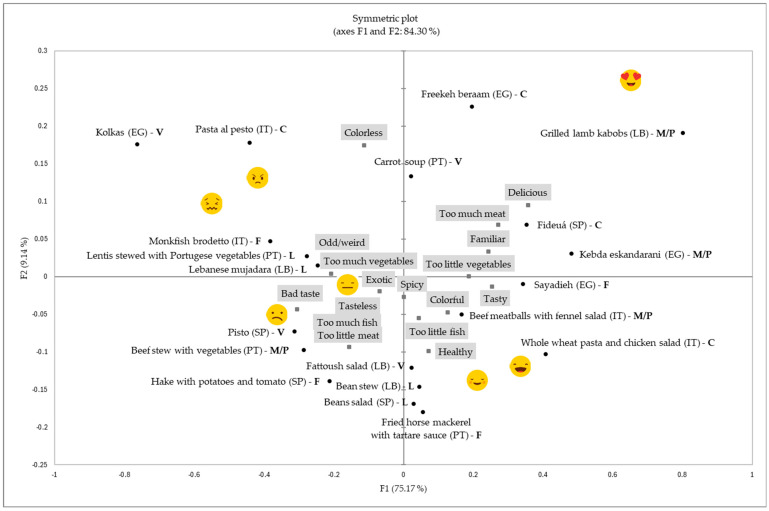 Figure 3
 Figure 4
 Figure 5
 Figure 6
 Figure 7
 Figure 8
 Figure 9
 Figure 10
 Figure 11
 Figure 12
 Figure 13
 Figure 14
 Figure 15
Peer Reviews
No public reviews on file for this paper yet. If you reviewed it on a platform where reviews are public (OpenReview, ICLR, NeurIPS, ICML), you can paste yours below so the community can read it here.
Videos
No videos yet. Explain this paper in a talk, walkthrough, or lecture? Add one.
Taxonomy
TopicsSensory Analysis and Statistical Methods · Multisensory perception and integration · Biochemical Analysis and Sensing Techniques