Comparison of Swim-Up and Microfluidic Sperm Sorting Methods in Selection of Sperm for Intracytoplasmic Sperm Injection
Michal Ješeta, Adéla Doubravská, Jana Antalíková, Lenka Mekiňová, Kateřina Franzová, Kateřina Remundová, Jan Hošek, Bartosz Kempisty, Robert Hudeček

TL;DR
This study compares two sperm sorting methods for IVF and finds that microfluidic sorting reduces DNA damage in sperm from men with poor sperm quality.
Contribution
The study provides a direct comparison of microfluidic sperm sorting and swim-up methods in different sperm quality groups.
Findings
Microfluidic sperm sorting reduced DNA fragmentation in non-normozoospermic men compared to swim-up.
No significant differences were found between the two methods in normozoospermic men.
Microfluidic sorting is simple but does not offer major advantages over swim-up in most parameters.
Abstract
The use of microfluidic sperm sorting (MFSS) systems in infertility treatment is increasing due to their practicality and ease of use. While often presented as highly effective, their efficacy in patients with varying sperm analysis results remains uncertain. In this study, we evaluated the effectiveness of MFSS compared with the swim-up (SU) technique in terms of oxygen radical levels and spermiogram parameters. Samples from each patient were processed using both methods, followed by assessments of sperm concentration, motility, morphology, DNA integrity, acrosomal status, and mitochondrial membrane potential. Participants were selected based on sperm analysis and categorized as normozoospermic (n = 40) or non-normozoospermic (n = 28). An analysis of separation techniques revealed no significant differences, except for a lower percentage of DNA-fragmented sperm in the MFSS group…
Genes, proteins, chemicals, diseases, species, mutations and cell lines named across the full text — each resolved to its canonical identifier and authoritative record.
Click any figure to enlarge with its caption.
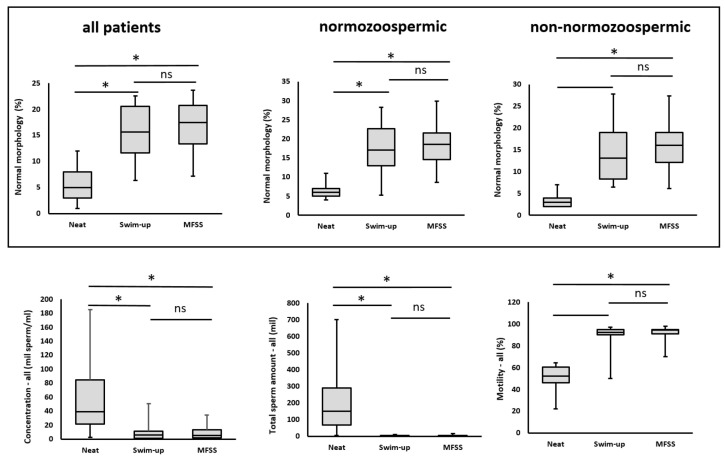 Figure 1
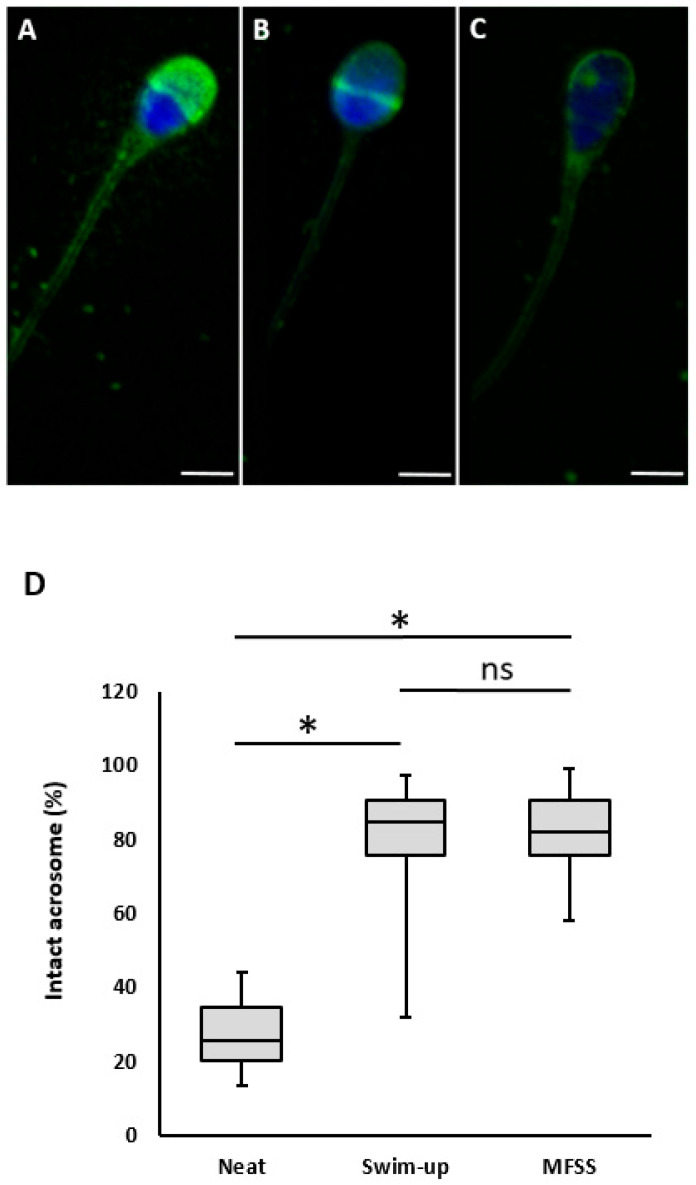 Figure 2
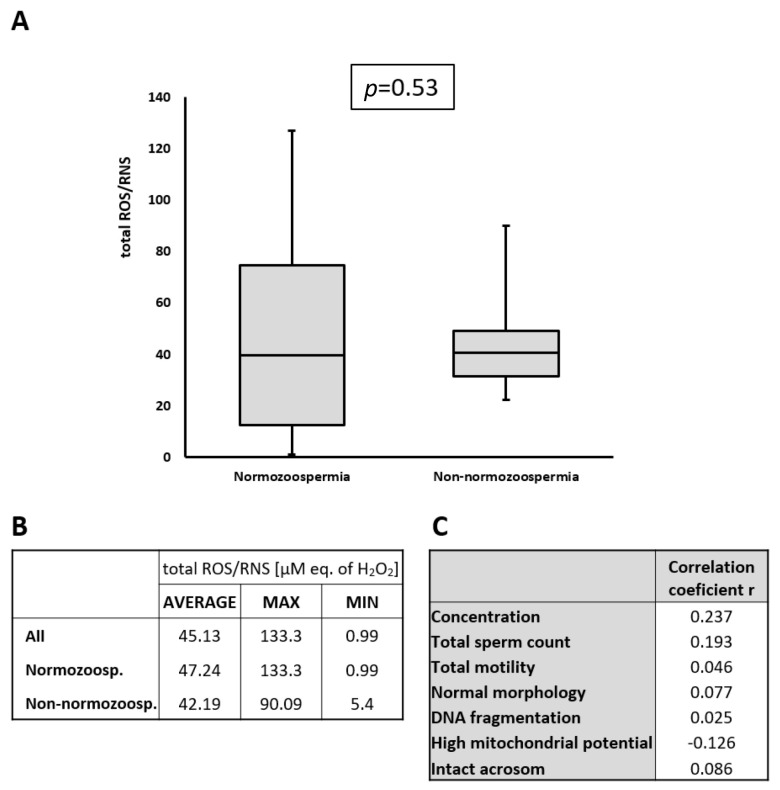 Figure 3
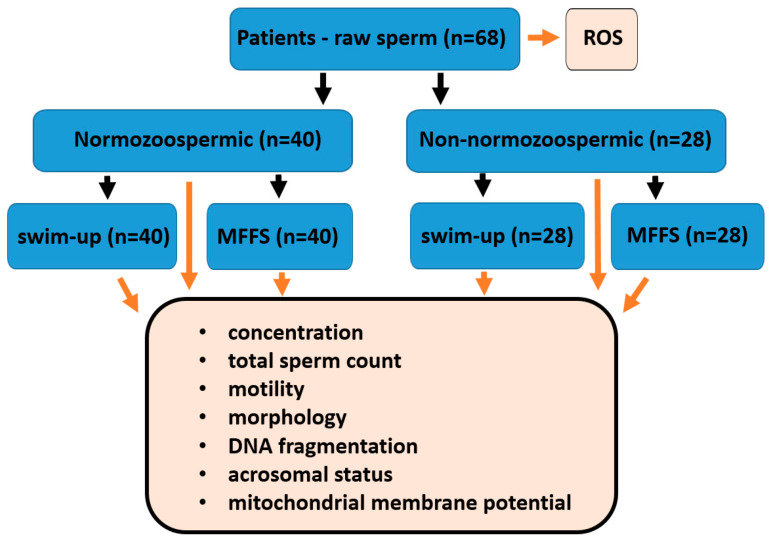 Figure 4
Peer Reviews
No public reviews on file for this paper yet. If you reviewed it on a platform where reviews are public (OpenReview, ICLR, NeurIPS, ICML), you can paste yours below so the community can read it here.
Videos
No videos yet. Explain this paper in a talk, walkthrough, or lecture? Add one.
Taxonomy
TopicsSperm and Testicular Function · Reproductive Biology and Fertility · Reproductive Health and Technologies