Comparative Evaluation of Traditional and Controlled Drying Methods of Chestnuts (Castanea sativa Mill.): Impact on the Chemical Composition, Aromatic, and Sensory Profile of Flour
Sofia Panzani, Francesca Venturi, Alessandro Bianchi, Pierina Díaz-Guerrero, Ylenia Pieracci, Guido Flamini, Isabella Taglieri, Chiara Sanmartin

TL;DR
This study compares traditional and controlled drying methods for chestnuts and their effects on flour quality, aroma, and nutrients.
Contribution
The study provides a comparative analysis of traditional and controlled drying methods and their impact on chestnut flour's chemical and sensory properties.
Findings
Traditional smoke-based drying enhances aromatic complexity but risks undesirable sensory notes.
Controlled drying preserves bioactive compounds like polyphenols and ascorbic acid.
Controlled drying retains fresh chestnut aroma notes while ensuring quality preservation.
Abstract
Chestnut flour, obtained through drying and milling of Castanea sativa fruits, has evolved from a subsistence food into a sought-after niche product, appreciated for its naturally gluten-free profile, high starch content, and richness in micronutrients. Over the past decade, its demand has steadily increased due to consumer perception of the health benefits associated with chestnut consumption. As the market for chestnut flour expanded from small-scale to large-scale production, alternative methods to the traditional process were developed. Its distinctive aroma and flavor are strongly influenced by processing methods, which are the focus of this study. Two drying approaches were compared: a traditional smoke-based method (drying house named metato) characterized by a wood-drying method and a controlled laboratory process using a forced-air dryer that maintained a constant temperature…
Genes, proteins, chemicals, diseases, species, mutations and cell lines named across the full text — each resolved to its canonical identifier and authoritative record.
Click any figure to enlarge with its caption.
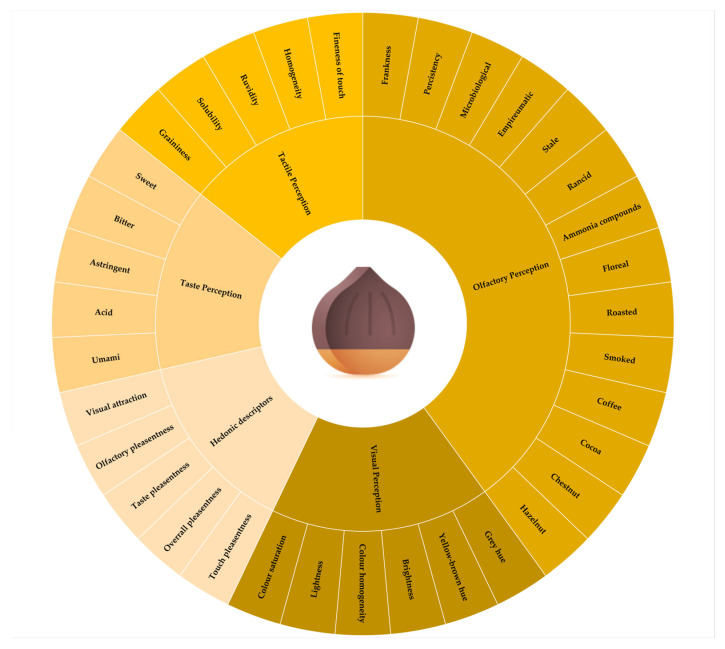 Figure 1
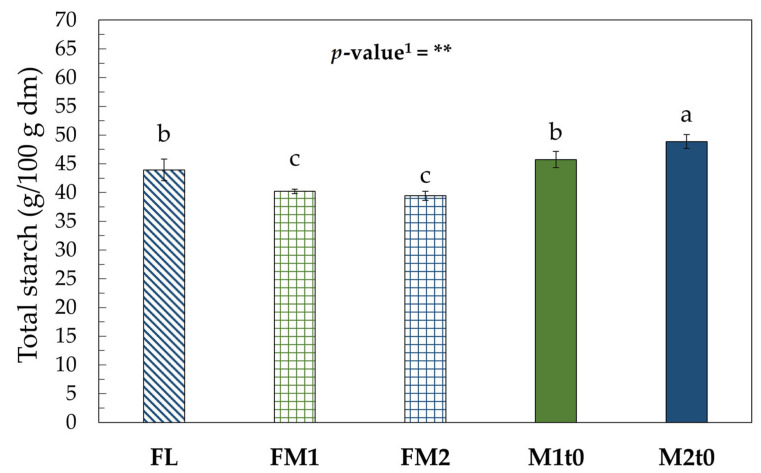 Figure 2
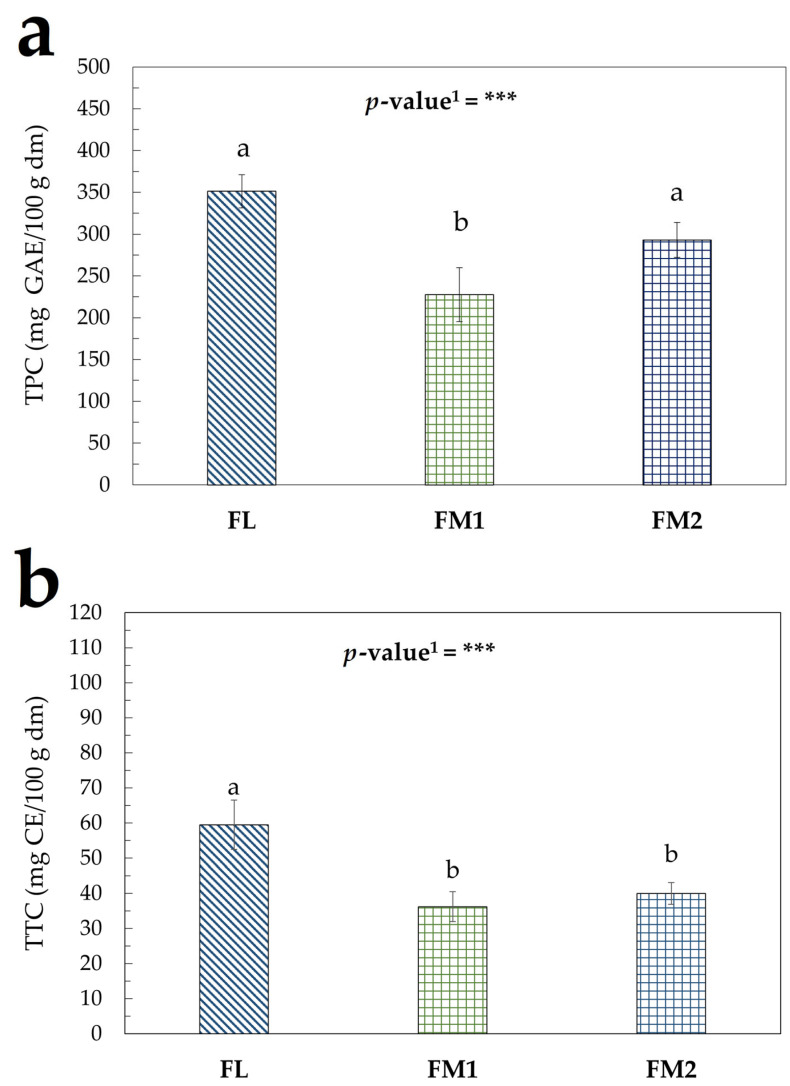 Figure 3
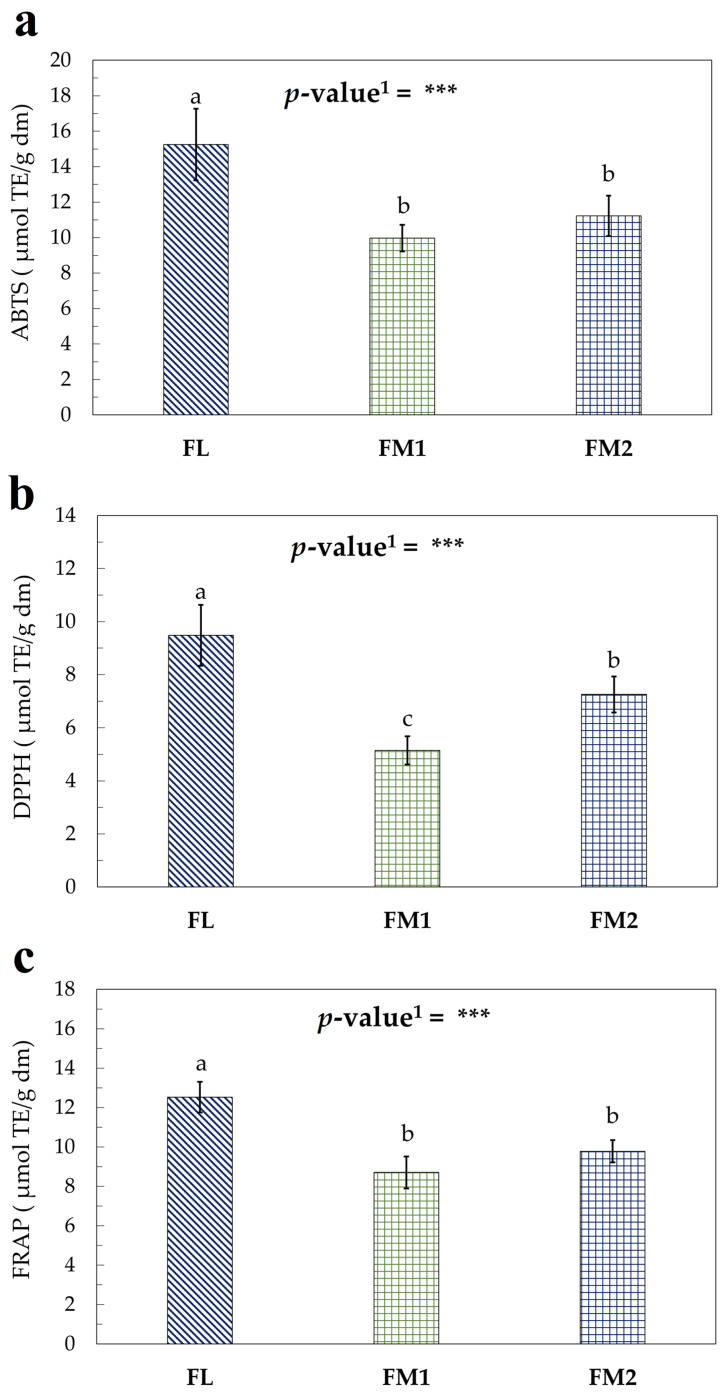 Figure 4
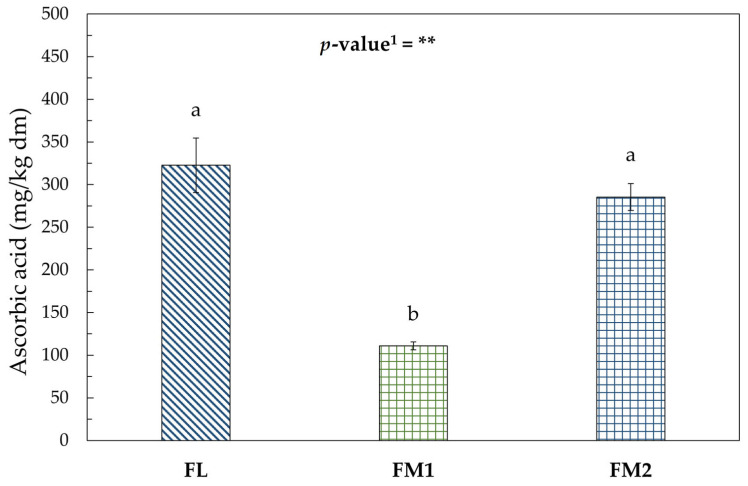 Figure 5
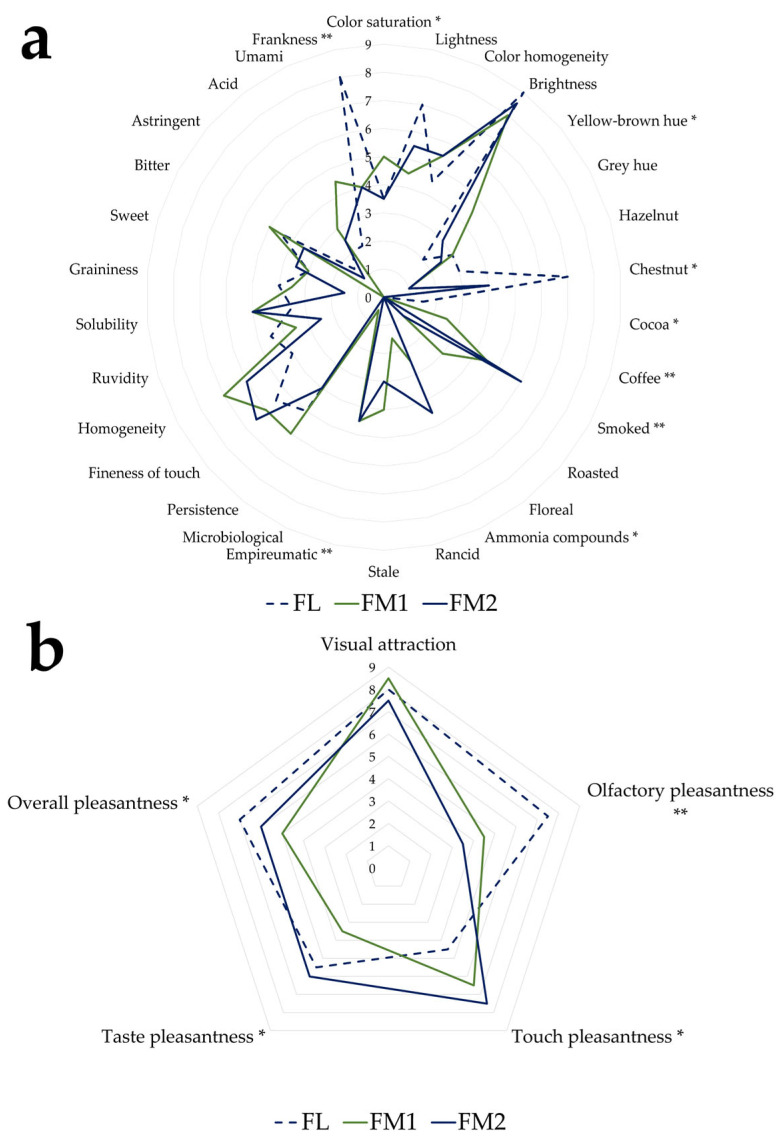 Figure 6
 Figure 7
Peer Reviews
No public reviews on file for this paper yet. If you reviewed it on a platform where reviews are public (OpenReview, ICLR, NeurIPS, ICML), you can paste yours below so the community can read it here.
Videos
No videos yet. Explain this paper in a talk, walkthrough, or lecture? Add one.
Taxonomy
TopicsNuts composition and effects · Fermentation and Sensory Analysis · Phytochemicals and Antioxidant Activities