Integrated Metabolomics and Network Pharmacology to Reveal the Mechanisms of Forsythia suspensa Extract Against Respiratory Syncytial Virus
Haitao Du, Jie Ding, Yaxuan Du, Xinyi Zhou, Lin Wang, Xiaoyan Ding, Wen Cai, Cheng Wang, Mengru Zhang, Yi Wang, Ping Wang

TL;DR
This study explores how Forsythia suspensa extract fights respiratory syncytial virus by combining metabolomics and network pharmacology to identify key compounds and pathways.
Contribution
The study introduces an integrated approach combining metabolomics and network pharmacology to uncover the antiviral mechanisms of Forsythia suspensa extract.
Findings
Twenty-five components in Forsythia suspensa were identified, with 43 effective components and 113 potential targets for anti-RSV activity.
Rutin, quercetin, and kaempferol were confirmed to modulate Toll-like receptor and arachidonic acid metabolism pathways.
FS reduced lung inflammation in RSV-infected mice by downregulating relevant protein expression.
Abstract
To investigate the therapeutic impact of Forsythia suspensa extract (FS) on RSV-infected mice and explore its antiviral pharmacodynamic foundations. Methods: An integrated analytical approach, combining UPLC-Q-TOF/MS with network pharmacology, was employed to analyze and identify the chemical constituents in FS, particularly those exhibiting antiviral properties against RSV. The study integrated network pharmacology and metabolomics for further analysis, and molecular docking and interaction experiments were conducted to validate the pharmacodynamic mechanisms. Finally, an RSV pneumonia mouse model was employed to evaluate the therapeutic influence of FS, including pathological and immunohistochemistry assessments. Twenty-five components in FS were identified through UPLC-Q-TOF/MS analysis. Integrated network pharmacology data revealed 43 effective components and predicted 113 potential…
Genes, proteins, chemicals, diseases, species, mutations and cell lines named across the full text — each resolved to its canonical identifier and authoritative record.
Click any figure to enlarge with its caption.
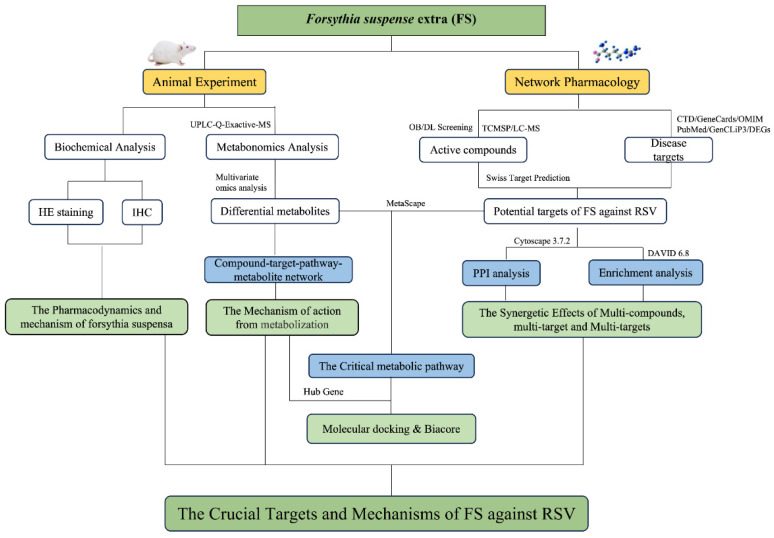 Figure 1
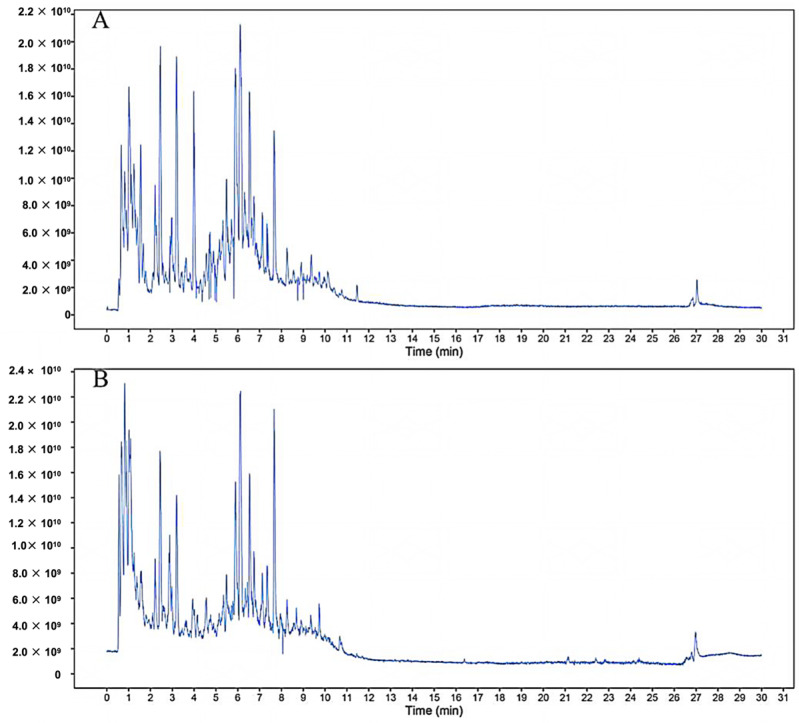 Figure 2
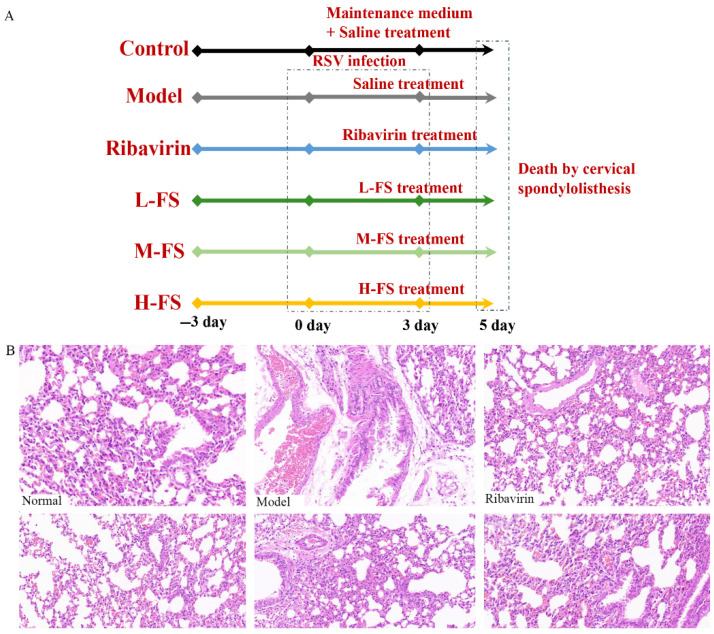 Figure 3
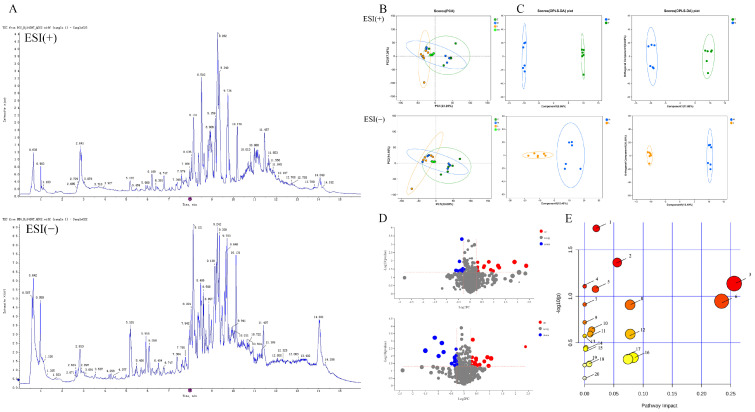 Figure 4
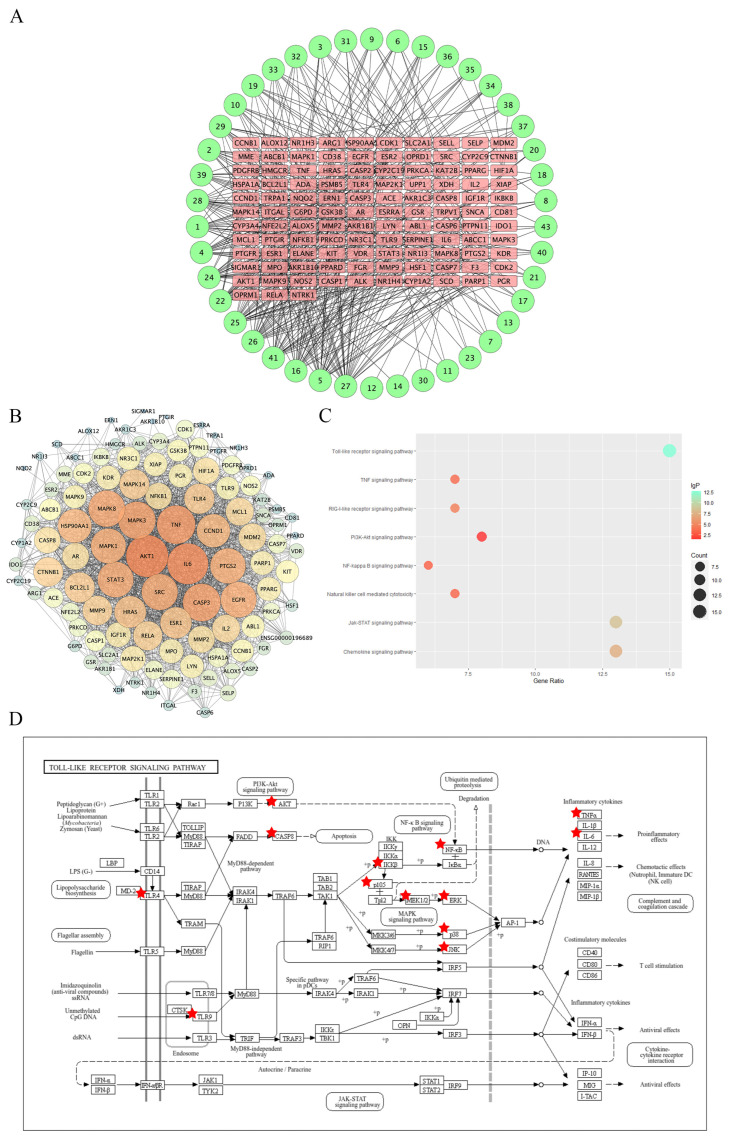 Figure 5
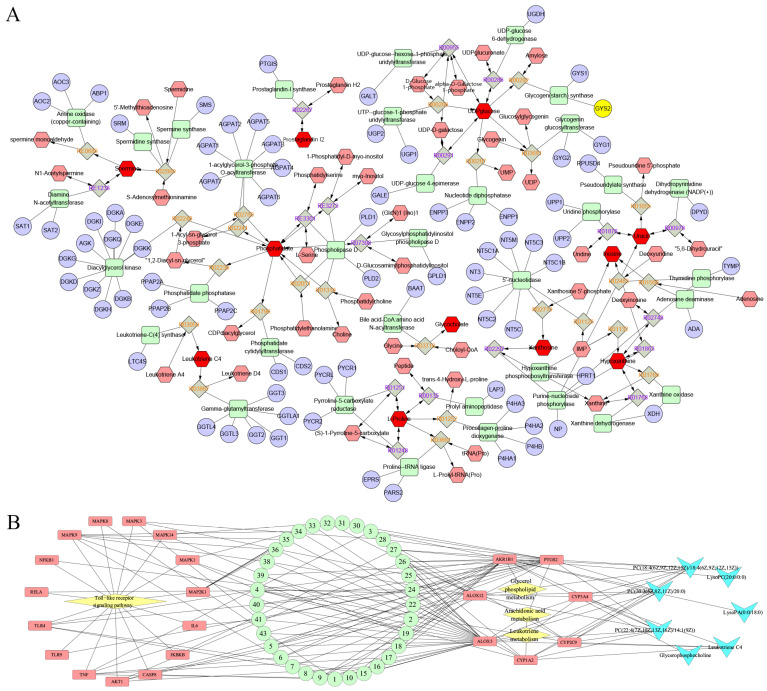 Figure 6
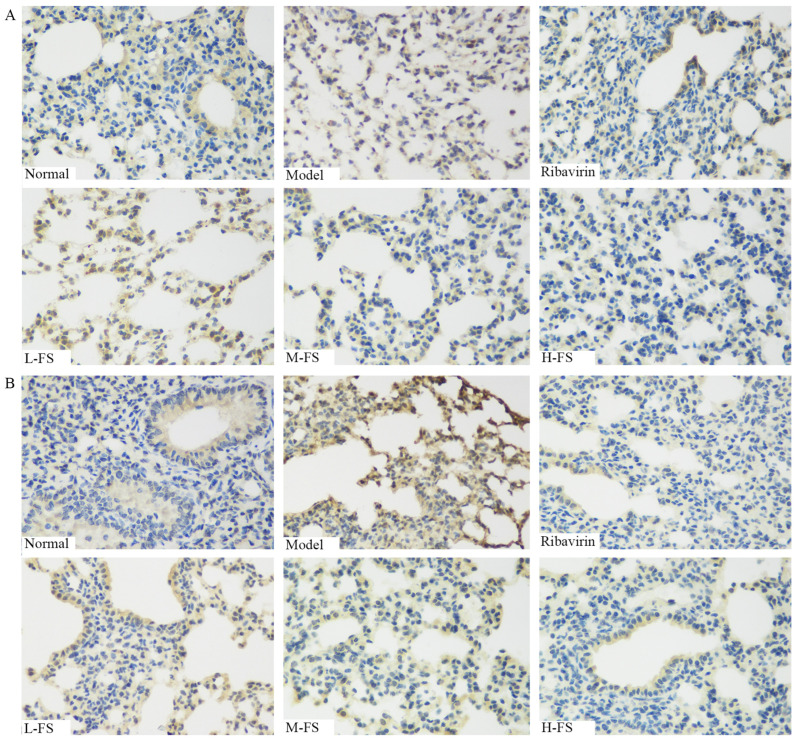 Figure 7
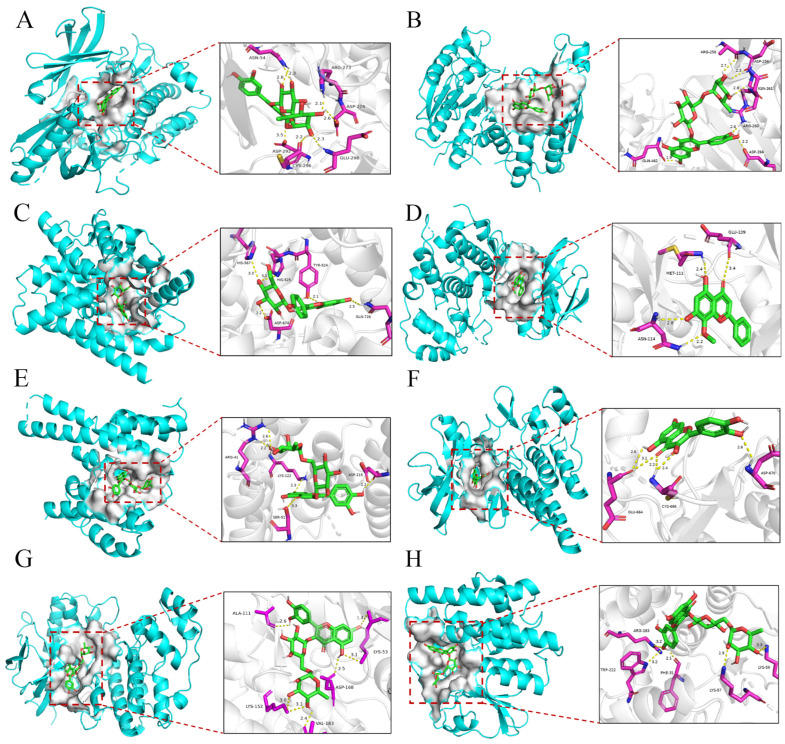 Figure 8
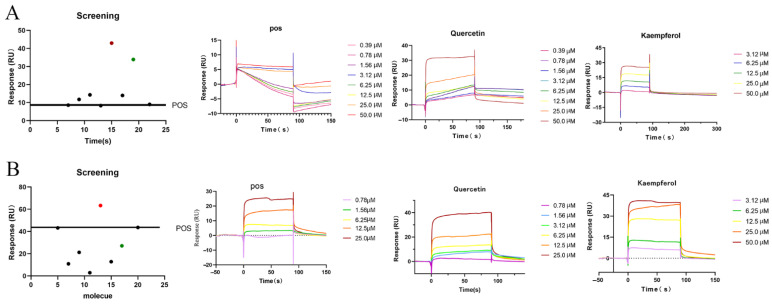 Figure 9
 Figure 10
 Figure 11
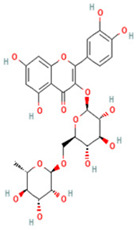 Figure 12
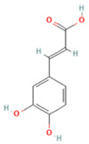 Figure 13
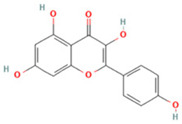 Figure 14
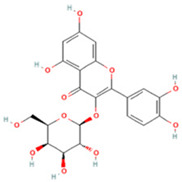 Figure 15
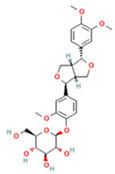 Figure 16
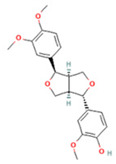 Figure 17
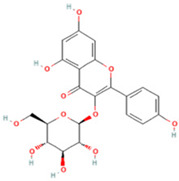 Figure 18
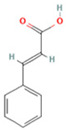 Figure 19
 Figure 20
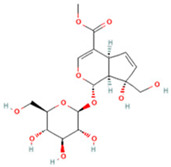 Figure 21
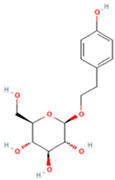 Figure 22
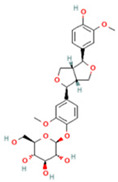 Figure 23
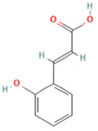 Figure 24
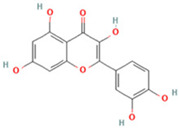 Figure 25
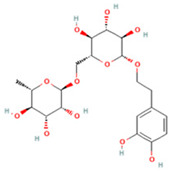 Figure 26
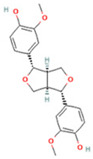 Figure 27
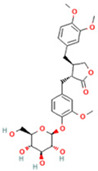 Figure 28
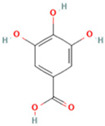 Figure 29
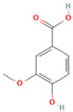 Figure 30
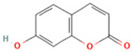 Figure 31
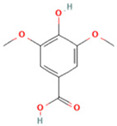 Figure 32
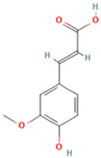 Figure 33
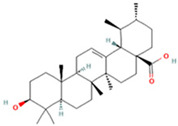 Figure 34
 Figure 35
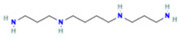 Figure 36
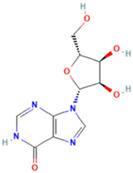 Figure 37
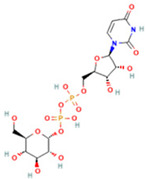 Figure 38
 Figure 39
 Figure 40
 Figure 41
 Figure 42
 Figure 43
 Figure 44
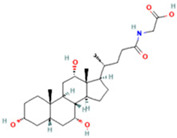 Figure 45
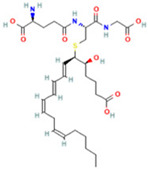 Figure 46
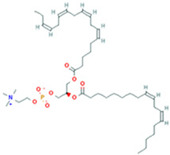 Figure 47
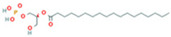 Figure 48
Peer Reviews
No public reviews on file for this paper yet. If you reviewed it on a platform where reviews are public (OpenReview, ICLR, NeurIPS, ICML), you can paste yours below so the community can read it here.
Videos
No videos yet. Explain this paper in a talk, walkthrough, or lecture? Add one.
Taxonomy
TopicsRespiratory viral infections research · Phytochemistry and Biological Activities · Gut microbiota and health