PTPA Governs Stress-Responsive Differentiation and Metabolic Homeostasis in Toxoplasma gondii
Zhu Ying, Yuntong Wu, Yanqun Pei, Zheng Shang, Jing Liu, Qun Liu

TL;DR
This study reveals that PTPA regulates stress responses and metabolism in Toxoplasma gondii, a parasite that causes lifelong infections in hosts.
Contribution
The study identifies PTPA as a key regulator of PP2A activity, linking it to both acute and chronic stages of Toxoplasma gondii infection.
Findings
PTPA forms a complex with PP2A subunits and is essential for tachyzoite proliferation and invasion.
PTPA depletion disrupts bradyzoite cyst formation and causes metabolic changes like amylopectin accumulation.
The PP2A inhibitor LB-100 mimics PTPA depletion, suggesting PTPA–PP2A as a drug target for antitoxoplasmosis.
Abstract
The protozoan parasite Toxoplasma gondii transitions between acute (tachyzoite) and chronic (bradyzoite) stages, enabling lifelong persistence in hosts. Iron depletion triggers bradyzoite differentiation, with the phosphotyrosyl phosphatase activator (PTPA) identified as a key regulator. Here, we define PTPA’s role in T. gondii pathogenesis. PTPA forms a ternary complex with PP2A A/C subunits, validated by reciprocal pull-down assays. Depleting PTPA impaired tachyzoite proliferation, invasion, and gliding motility, while stress-induced bradyzoites exhibited defective cyst formation and vacuolar swelling. Metabolic dysregulation included amylopectin accumulation and lipid droplet proliferation. The PP2A inhibitor LB-100 phenocopied PTPA depletion, suppressing tachyzoite growth and bradyzoite differentiation. TgPTPA emerges as a linchpin coordinating PP2A activity, metabolic flux, and…
Genes, proteins, chemicals, diseases, species, mutations and cell lines named across the full text — each resolved to its canonical identifier and authoritative record.
Click any figure to enlarge with its caption.
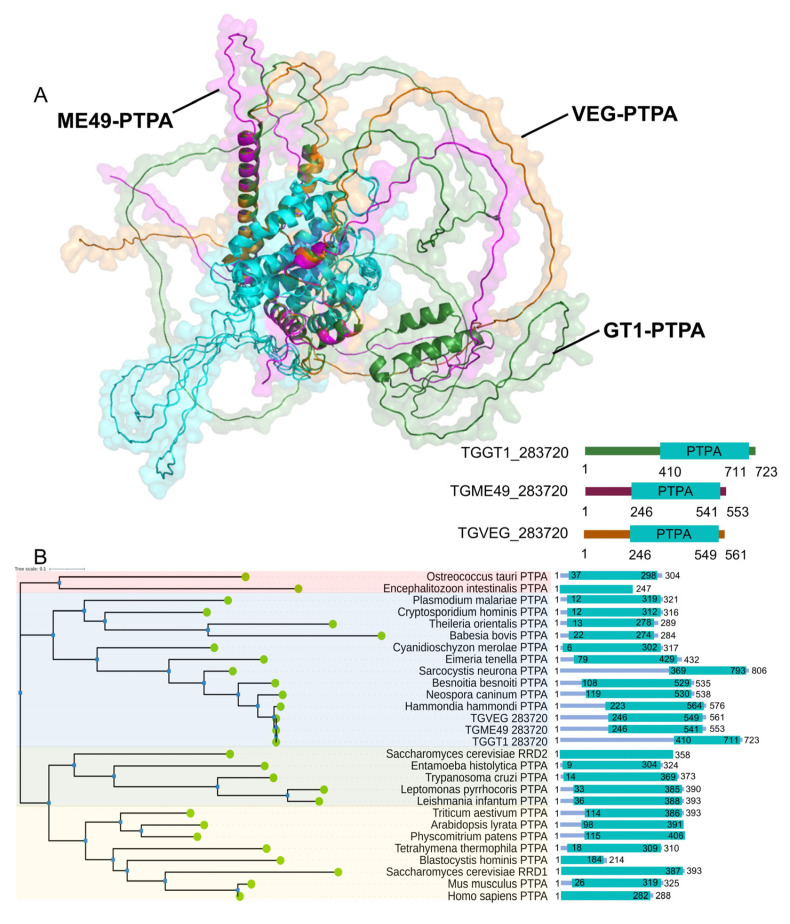 Figure 1
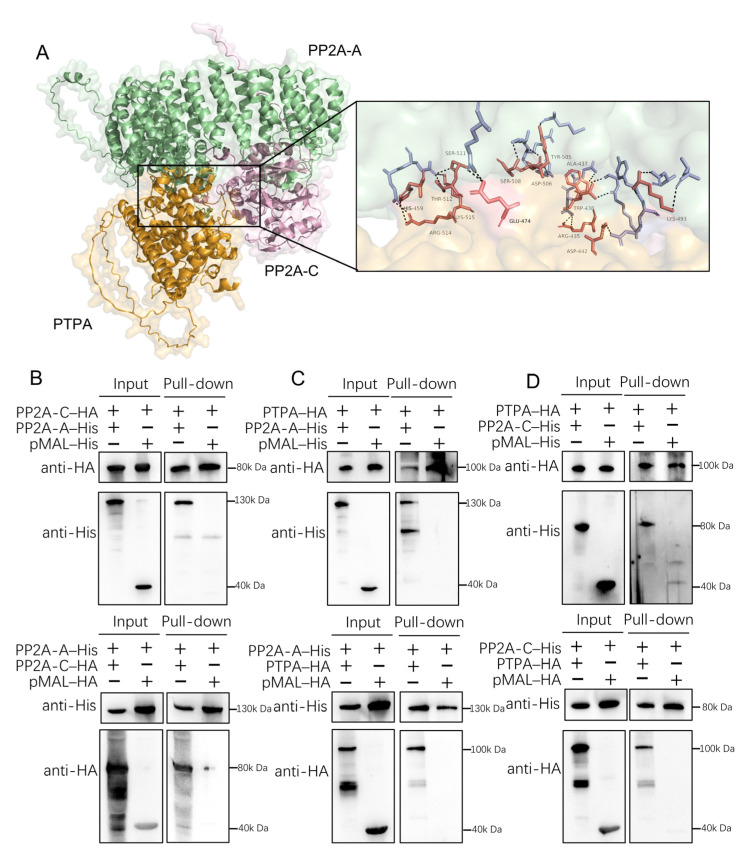 Figure 2
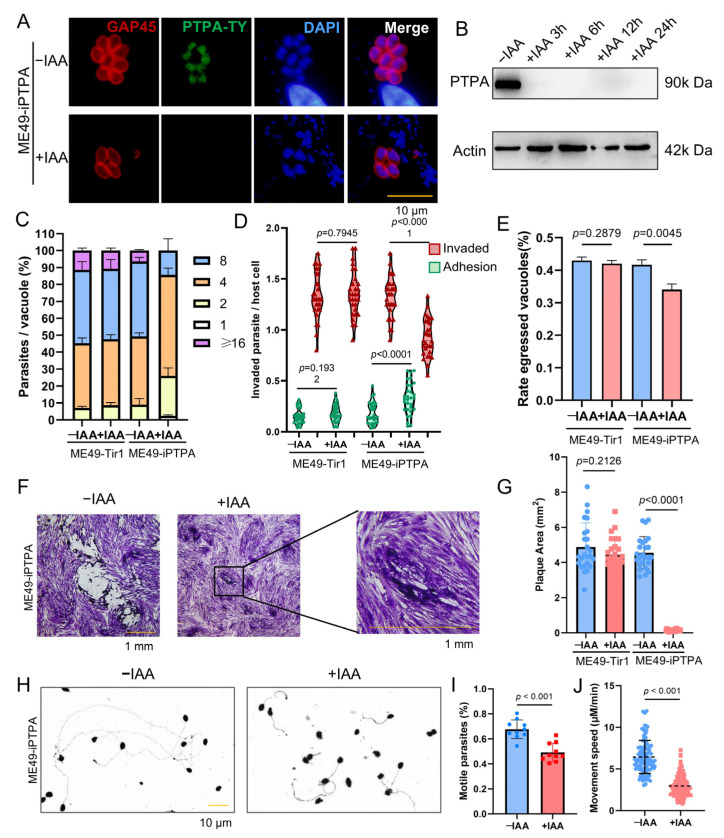 Figure 3
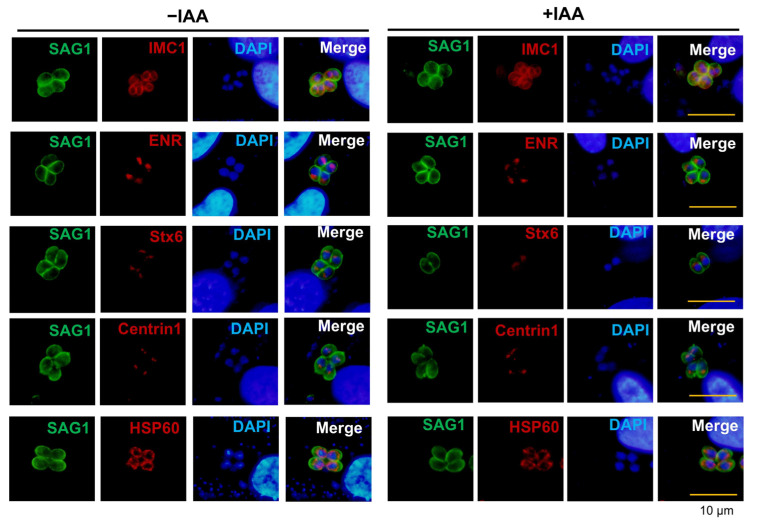 Figure 4
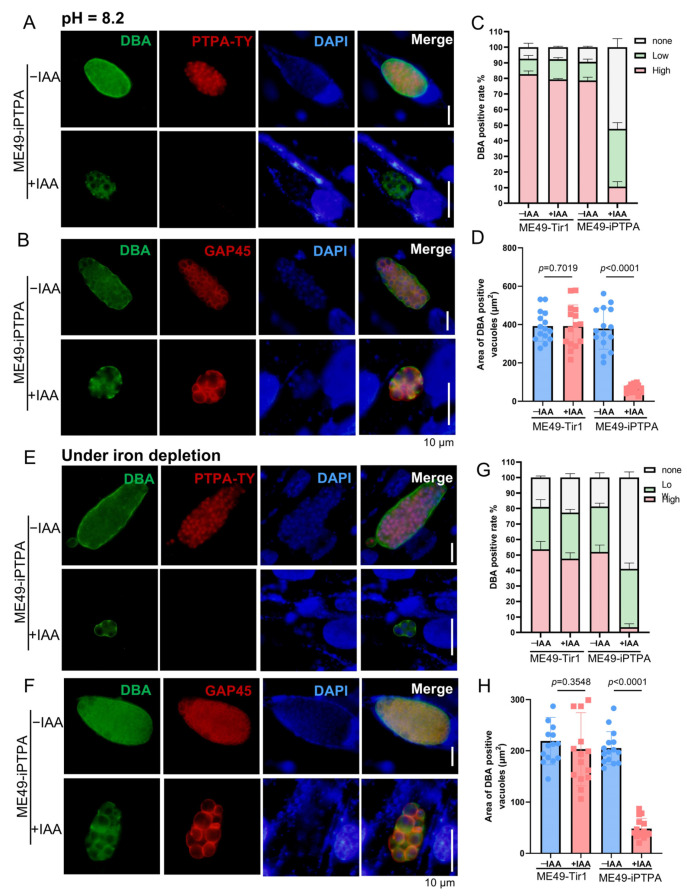 Figure 5
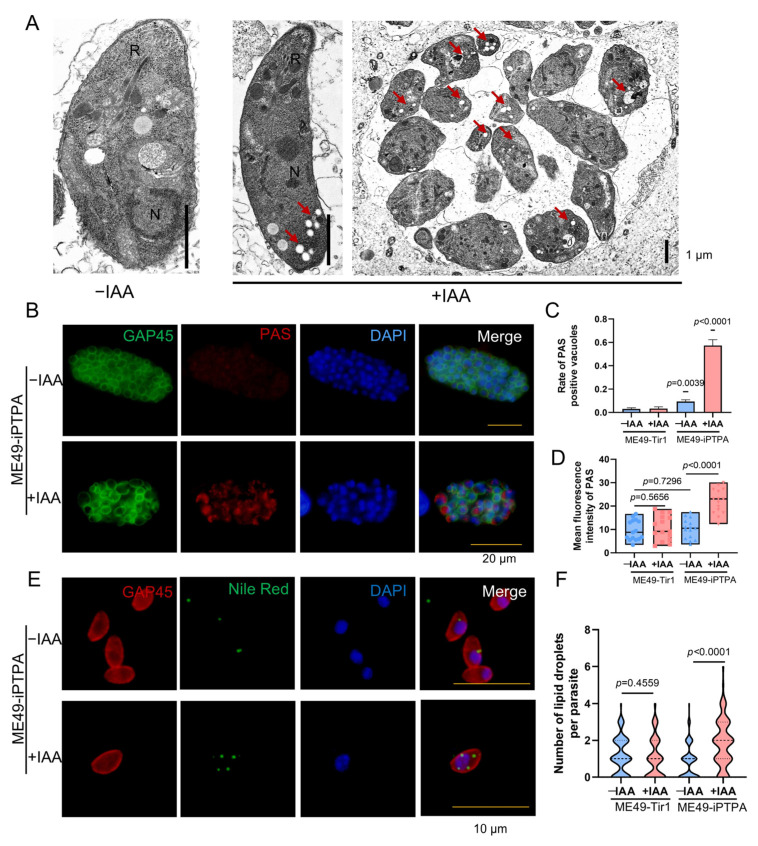 Figure 6
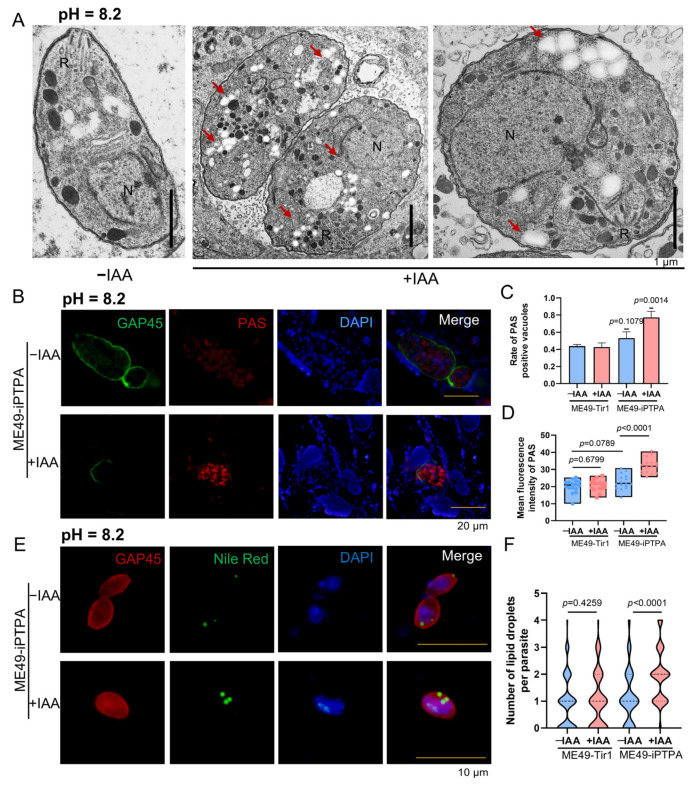 Figure 7
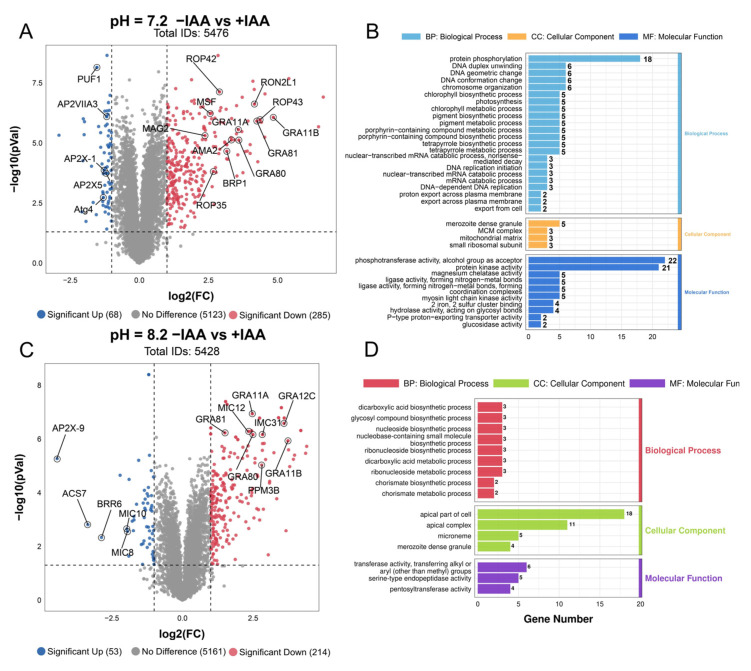 Figure 8
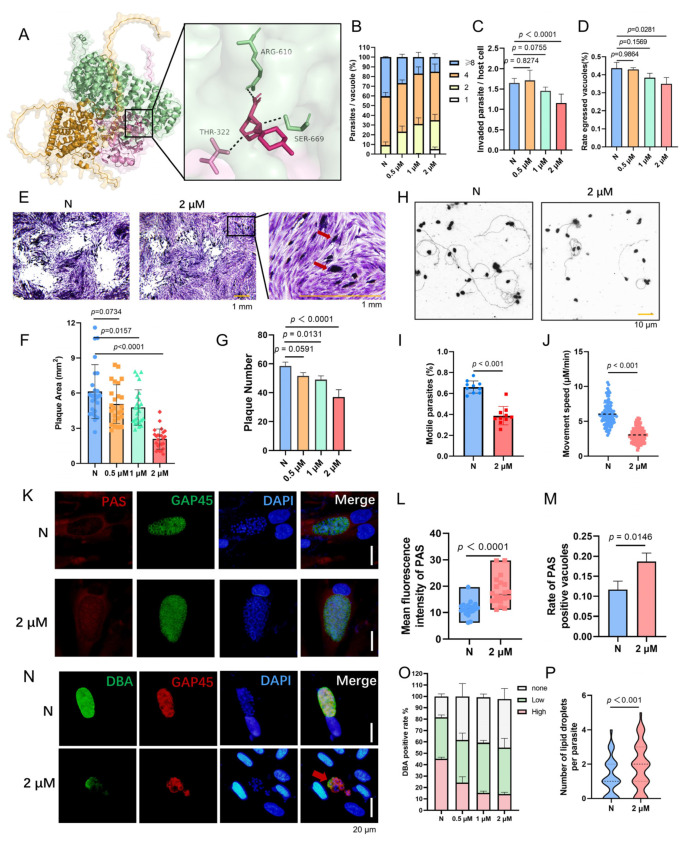 Figure 9
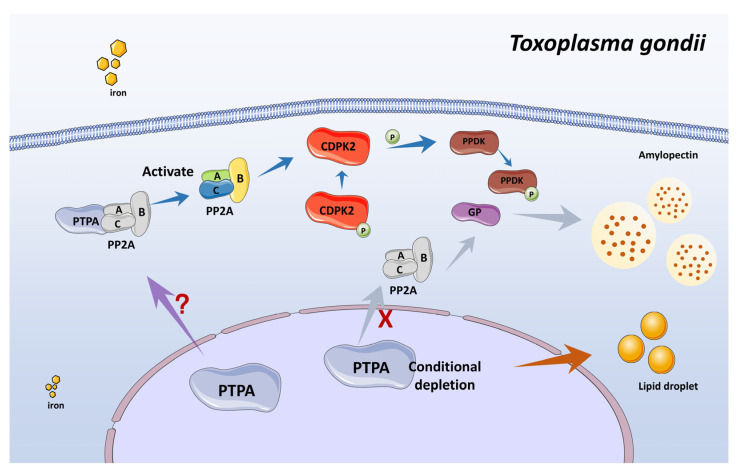 Figure 10
Peer Reviews
No public reviews on file for this paper yet. If you reviewed it on a platform where reviews are public (OpenReview, ICLR, NeurIPS, ICML), you can paste yours below so the community can read it here.
Videos
No videos yet. Explain this paper in a talk, walkthrough, or lecture? Add one.
Taxonomy
TopicsToxoplasma gondii Research Studies · Parasitic Infections and Diagnostics · Polyamine Metabolism and Applications