Low Efficiency of Homology-Independent Targeted Integration for CRISPR/Cas9 Correction in the Vicinity of the SLC26A4 c.919-2A>G Variant
Chang-Han Ho, Cheng-Yu Tsai, Chi-Chieh Chang, Chin-Ju Hu, Cheng-Yen Huang, Ying-Chang Lu, Pei-Hsuan Lin, Chin-Hsien Lin, Han-I Lin, Chih-Hsin OuYang, Chuan-Jen Hsu, Tien-Chen Liu, You-Tzung Chen, Yen-Hui Chan, Yen-Fu Cheng, Chen-Chi Wu

TL;DR
This study shows that CRISPR/Cas9 correction near the SLC26A4 c.919-2A>G variant is highly inefficient, suggesting the need for alternative strategies.
Contribution
Demonstrates the low efficiency of HITI for correcting a common SLC26A4 variant, guiding future CRISPR target design.
Findings
HITI integration achieved only 0.15% efficiency in correcting the SLC26A4 c.919-2A>G variant.
The c.919-2 region may not be suitable for HITI-based genome editing.
Alternative site selection or insertion strategies may be required for effective correction.
Abstract
Recessive variants of SLC26A4 are a common cause of hereditary hearing impairment and are responsible for non-syndromic enlarged vestibular aqueducts and Pendred syndrome. Patients with bi-allelic SLC26A4 variants often suffer from fluctuating hearing loss and recurrent vertigo, ultimately leading to severe to profound hearing impairment. However, there are currently no satisfactory prevention or treatment options for this condition. The CRISPR/Cas9 genome-editing technique is a well-known tool for correcting point mutations or manipulating genes and shows potential therapeutic applications for hereditary disorders. In this study, we used the homology-independent targeted integration (HITI) strategy to correct the SLC26A4 c.919-2A>G variant, the most common SLC26A4 variant in the Han Chinese population. Next-generation sequencing was performed to evaluate the editing efficiency of the…
Genes, proteins, chemicals, diseases, species, mutations and cell lines named across the full text — each resolved to its canonical identifier and authoritative record.
Click any figure to enlarge with its caption.
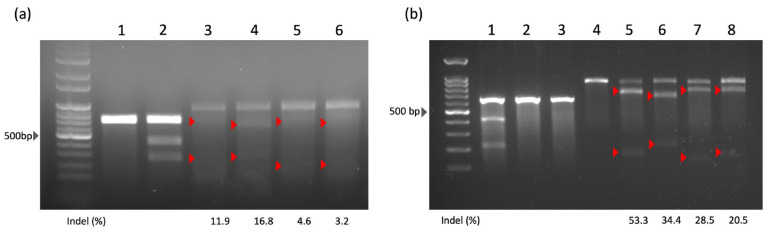 Figure 1
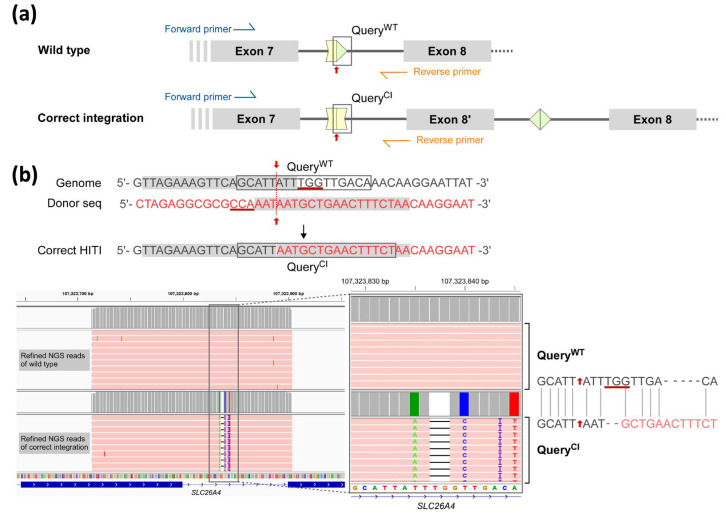 Figure 2
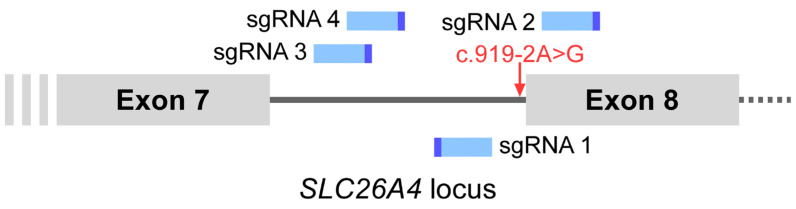 Figure 3
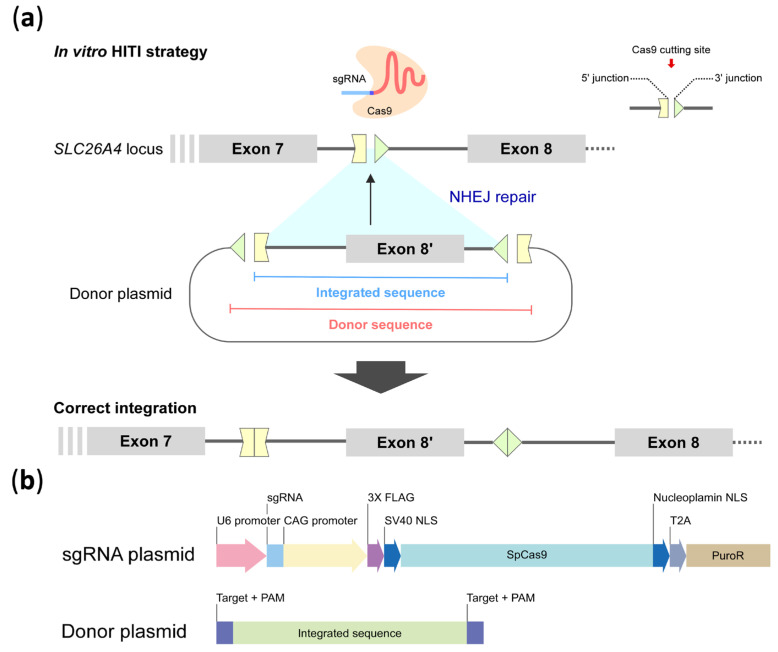 Figure 4
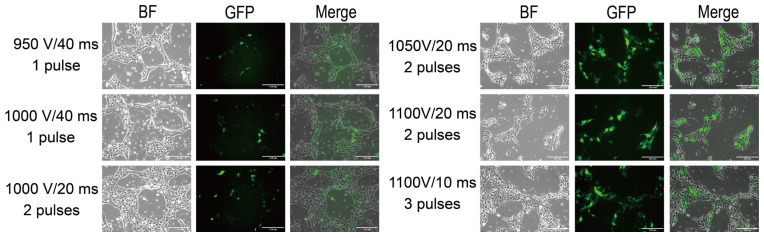 Figure 5
Peer Reviews
No public reviews on file for this paper yet. If you reviewed it on a platform where reviews are public (OpenReview, ICLR, NeurIPS, ICML), you can paste yours below so the community can read it here.
Videos
No videos yet. Explain this paper in a talk, walkthrough, or lecture? Add one.
Taxonomy
TopicsCRISPR and Genetic Engineering · Retinal Development and Disorders · Hearing, Cochlea, Tinnitus, Genetics