An Information-Extreme Algorithm for Universal Nuclear Feature-Driven Automated Classification of Breast Cancer Cells
Taras Savchenko, Ruslana Lakhtaryna, Anastasiia Denysenko, Anatoliy Dovbysh, Sarah E. Coupland, Roman Moskalenko

TL;DR
A new machine learning algorithm improves breast cancer cell classification by using universal cytological features, offering a more objective and efficient diagnostic tool.
Contribution
The novel application of an information-extreme algorithm to cytological feature analysis for automated breast cancer cell classification.
Findings
The algorithm achieved 89% accuracy in classifying breast cancer cells as normal or malignant.
It demonstrated balanced performance with 85% precision, 84% recall, and 88% F1-score.
The method uses 21 universal cytological features for robust and efficient classification.
Abstract
Background/Objectives: Breast cancer diagnosis heavily relies on histopathological assessment, which is prone to subjectivity and inefficiency, especially with whole-slide imaging (WSI). This study addressed these limitations by developing an automated breast cancer cell classification algorithm using an information-extreme machine learning approach and universal cytological features, aiming for objective and generalized histopathological diagnosis. Methods: Digitized histological images were processed to identify hyperchromatic cells. A set of 21 cytological features (10 geometric and 11 textural), chosen for their potential universality across cancers, were extracted from individual cells. These features were then used to classify cells as normal or malignant using an information-extreme algorithm. This algorithm optimizes an information criterion within a binary Hamming space to…
Genes, proteins, chemicals, diseases, species, mutations and cell lines named across the full text — each resolved to its canonical identifier and authoritative record.
Click any figure to enlarge with its caption.
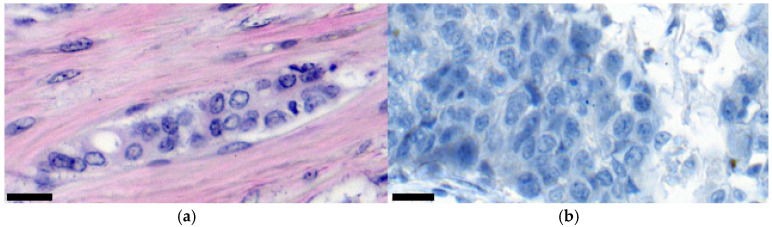 Figure 1
 Figure 2
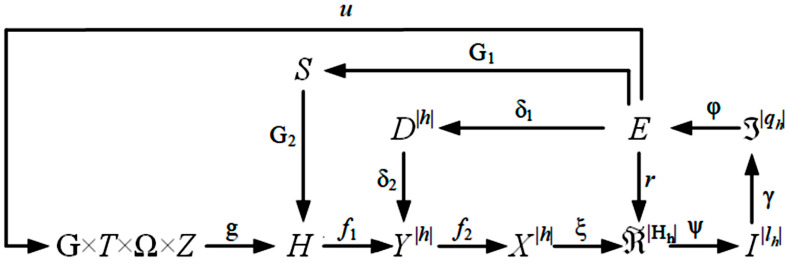 Figure 3
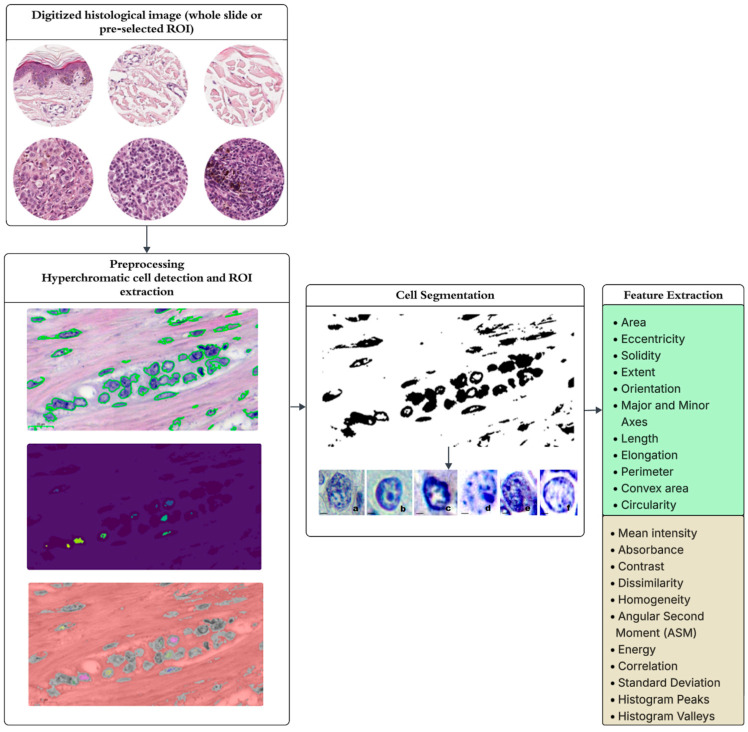 Figure 4
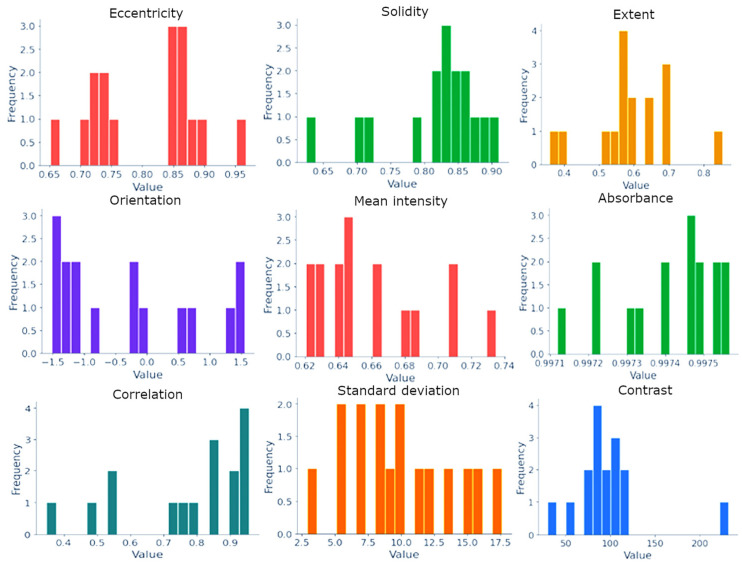 Figure 5
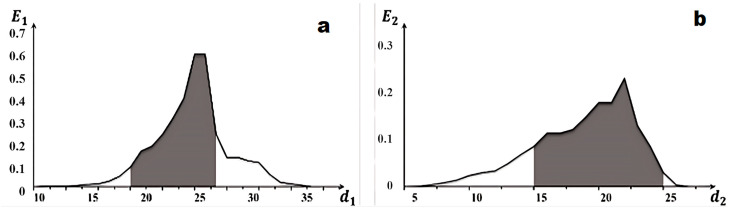 Figure 6
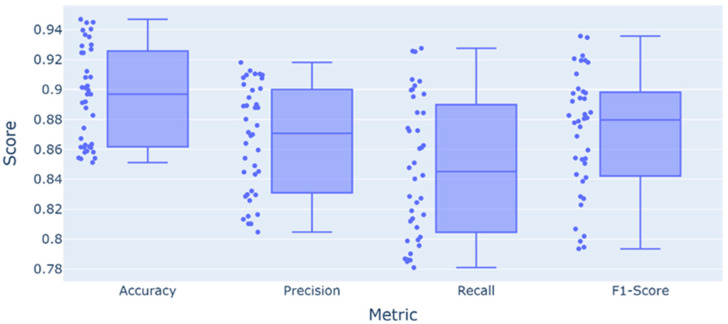 Figure 7
Peer Reviews
No public reviews on file for this paper yet. If you reviewed it on a platform where reviews are public (OpenReview, ICLR, NeurIPS, ICML), you can paste yours below so the community can read it here.
Videos
No videos yet. Explain this paper in a talk, walkthrough, or lecture? Add one.
Taxonomy
TopicsAI in cancer detection · Radiomics and Machine Learning in Medical Imaging · Cell Image Analysis Techniques