Qualitative Proteomic Profiling of Saccharomyces cerevisiae E1 Strain During Alcoholic Fermentation of Yellow Passion Fruit: A First Approximation
Roger Consuegra-Rivera, Juan J. Román-Camacho, Inés M. Santos-Dueñas, Teresa García-Martínez, Juan Carlos Mauricio, Isidoro García-García

TL;DR
This study explores the proteins involved in yeast fermentation of yellow passion fruit wine, offering insights into how these proteins affect wine quality.
Contribution
The study provides a novel proteomic profile of S. cerevisiae during yellow passion fruit fermentation, highlighting key proteins and their functions.
Findings
LC/MS-MS identified 938 valid proteins, including 454 from the fruit and 484 from yeast.
243 yeast proteins were consistently present during fermentation, with 'binding' and 'catalytic activity' as major molecular functions.
The findings suggest a better understanding of proteomic dynamics in tropical fruit fermentations.
Abstract
Yellow passion fruit provides a substrate suitable for alcoholic fermentation and holds valuable sensory and nutritional properties that support its use for producing wine. Among the different interesting aspects to consider in the winemaking process, we highlight the analysis of the proteins of the yeast or yeasts responsible for the process; in addition to providing fundamental knowledge about the biotransformations that take place, they can contribute to understanding basic aspects that affect the sensory properties of the wine obtained. This study aimed to analyze the proteomic profile of the yeast Saccharomyces cerevisiae strain E1 (ATCC: MYC-425) during passion fruit fermentation. The process was conducted in a 5 L Sartorius bioreactor with a diluted fruit puree and sucrose, making a medium with a 10% v/v alcohol potential; after 4 days, ethanol reached 8.5% v/v as sugars…
Genes, proteins, chemicals, diseases, species, mutations and cell lines named across the full text — each resolved to its canonical identifier and authoritative record.
Click any figure to enlarge with its caption.
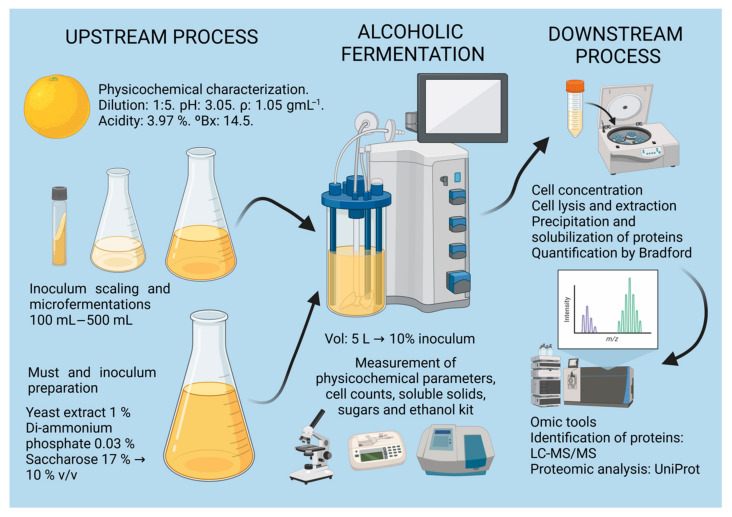 Figure 1
 Figure 2
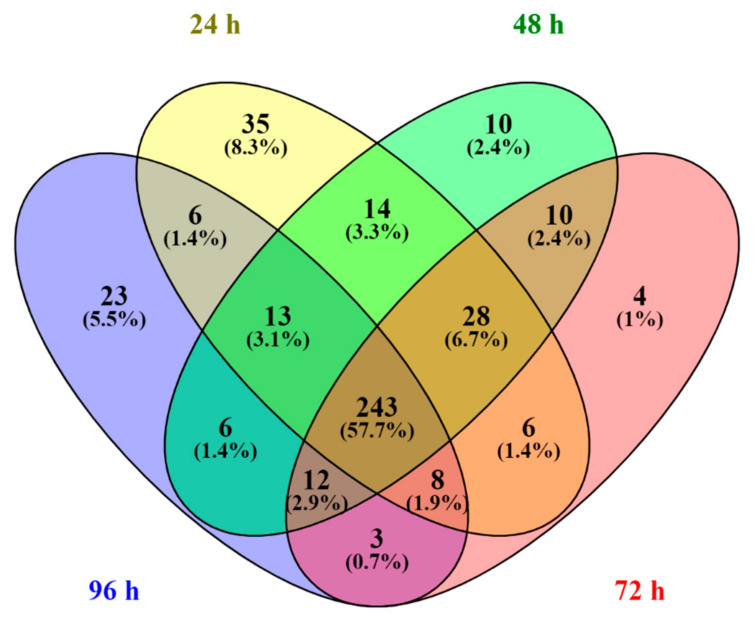 Figure 3
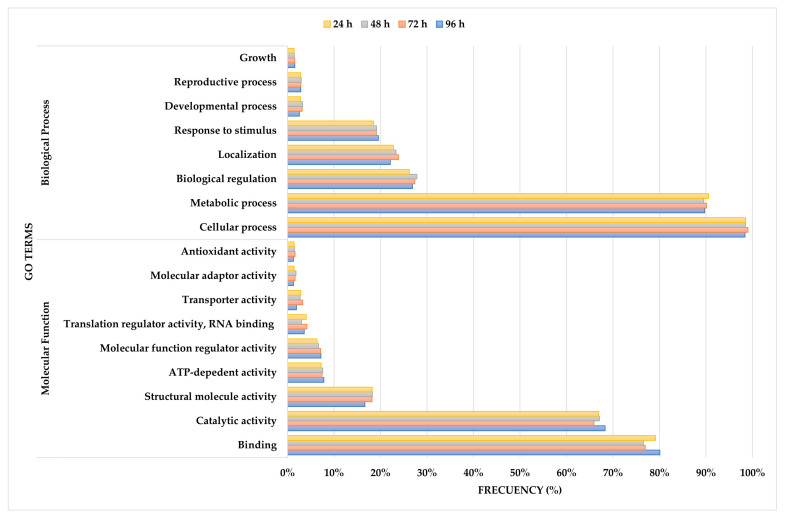 Figure 4
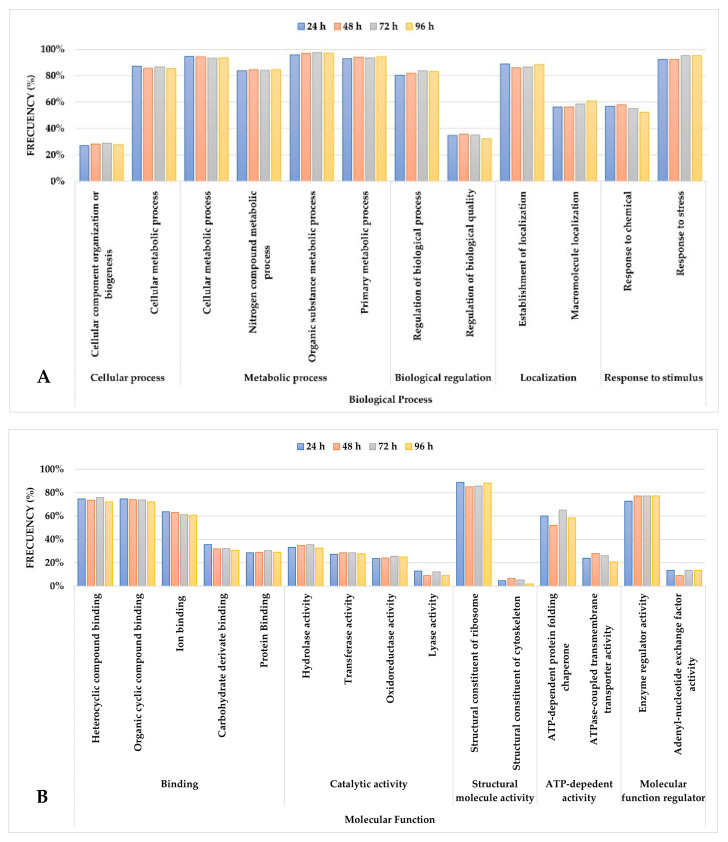 Figure 5
Peer Reviews
No public reviews on file for this paper yet. If you reviewed it on a platform where reviews are public (OpenReview, ICLR, NeurIPS, ICML), you can paste yours below so the community can read it here.
Videos
No videos yet. Explain this paper in a talk, walkthrough, or lecture? Add one.
Taxonomy
TopicsFermentation and Sensory Analysis · Biochemical and biochemical processes · Phytochemicals and Antioxidant Activities