Review of Four Refined Clinical Entities in Hereditary Retinal Disorders from Japan
Yozo Miyake

TL;DR
This paper reviews four newly identified hereditary retinal disorders from Japan, focusing on their clinical features and genetic basis.
Contribution
The paper introduces four new clinical entities in hereditary retinal disorders identified by the Miyake group in Japan.
Findings
Three types of bipolar cell dysfunction syndromes (CSNB1, CSNB2, CSNB3) were identified with distinct ERG patterns and genetic heterogeneity.
Occult macular dystrophy (OMD), also known as Miyake disease, is characterized by progressive vision loss with normal fundus appearance and abnormal focal ERG.
Abstract
In the past, only Oguchi disease was reported as a hereditary retinal disease from Japan. Dr. Chuuta Oguch was a Professor of Nagoya University in Japan. During the past 40 years, four new clinical entities in hereditary retinal disorders have been detected by the Miyake group from Nagoya, Japan. All disorders show essentially normal fundi, and the diagnosis was made mainly by the analysis of an electroretinogram (ERG). Gene mutations are detected in three of them. Bipolar cell (BP) dysfunction syndrome: Congenital stationary night blindness (CSNB) with negative ERG (a-wave is larger than b-wave) was named as the Schubert–Bornschein type in 1952 and considered to be an independent clinical entity. In 1986, Miyake group classified ninety patients with the Schubert–Bornschein type into two types (complete and incomplete type). The complete type of CSNB (CSNB1) showed no rod function, but…
Genes, proteins, chemicals, diseases, species, mutations and cell lines named across the full text — each resolved to its canonical identifier and authoritative record.
Click any figure to enlarge with its caption.
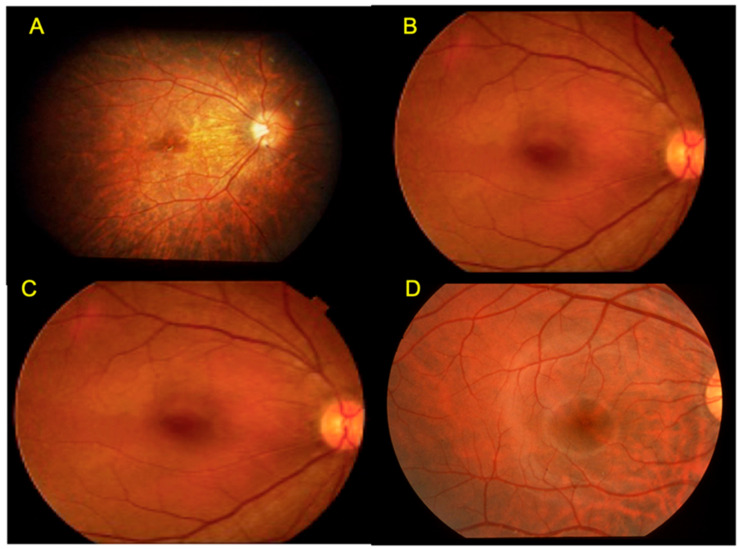 Figure 1
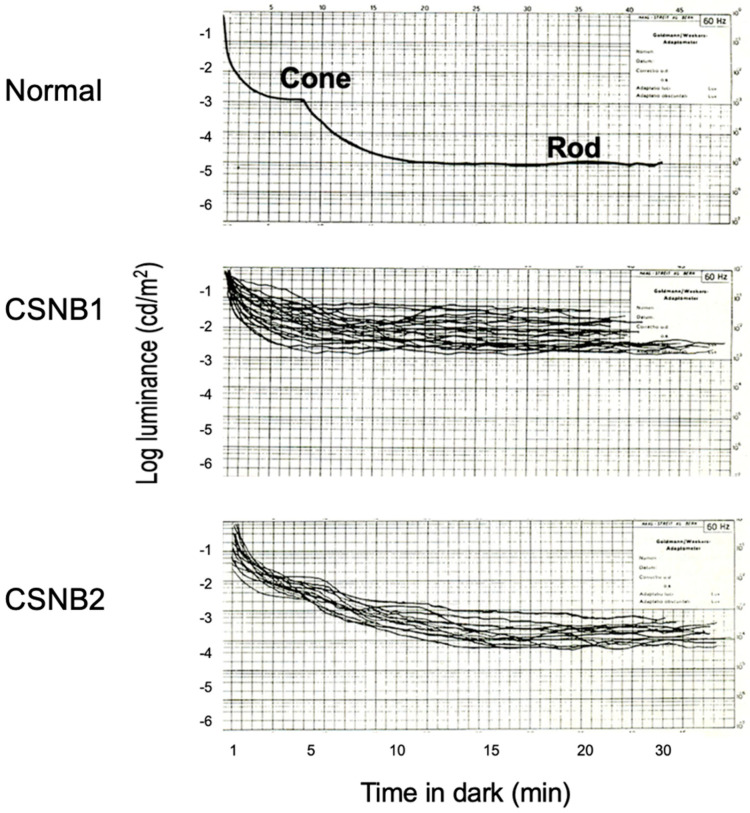 Figure 2
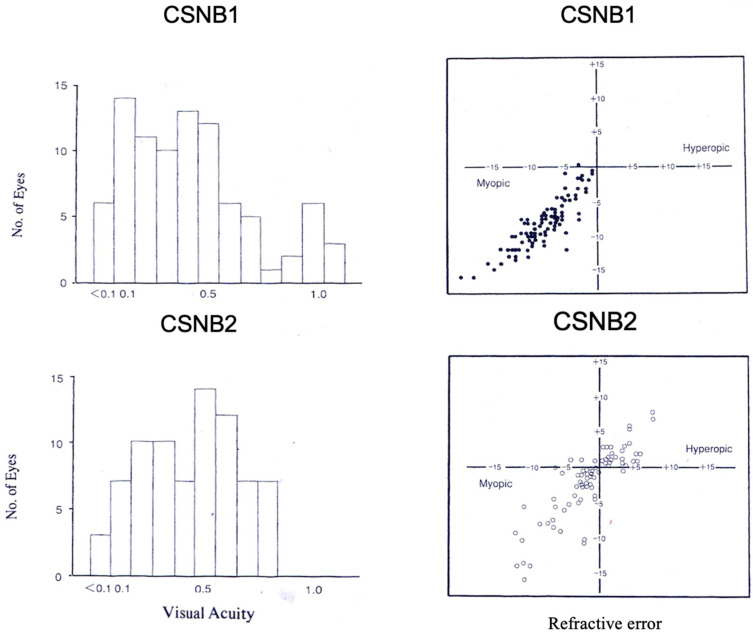 Figure 3
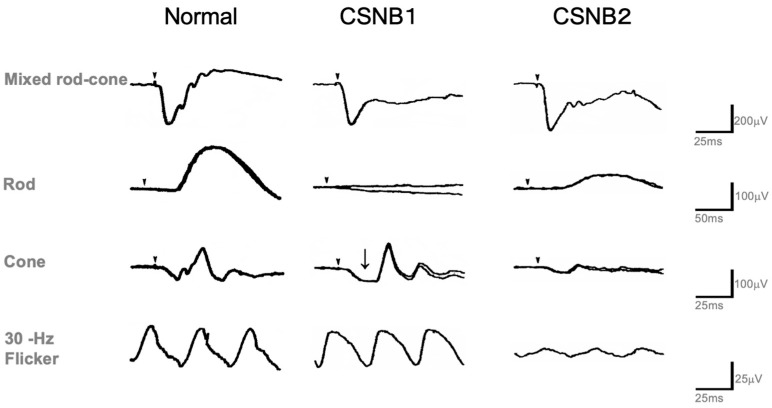 Figure 4
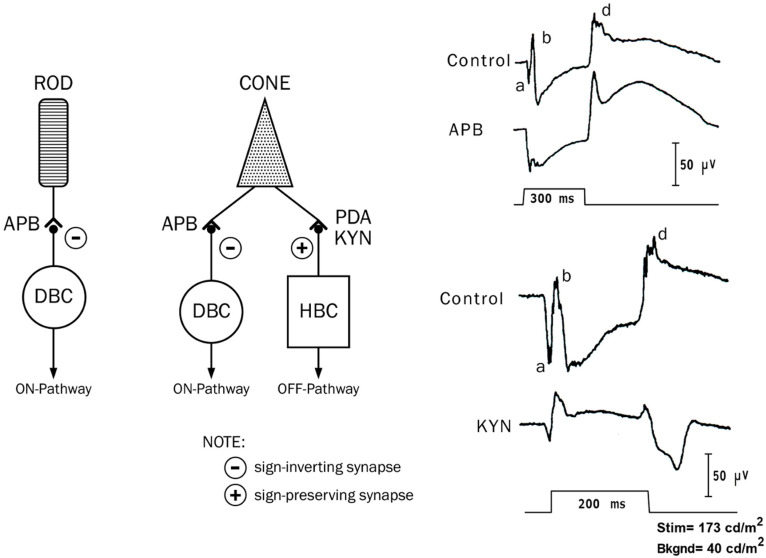 Figure 5
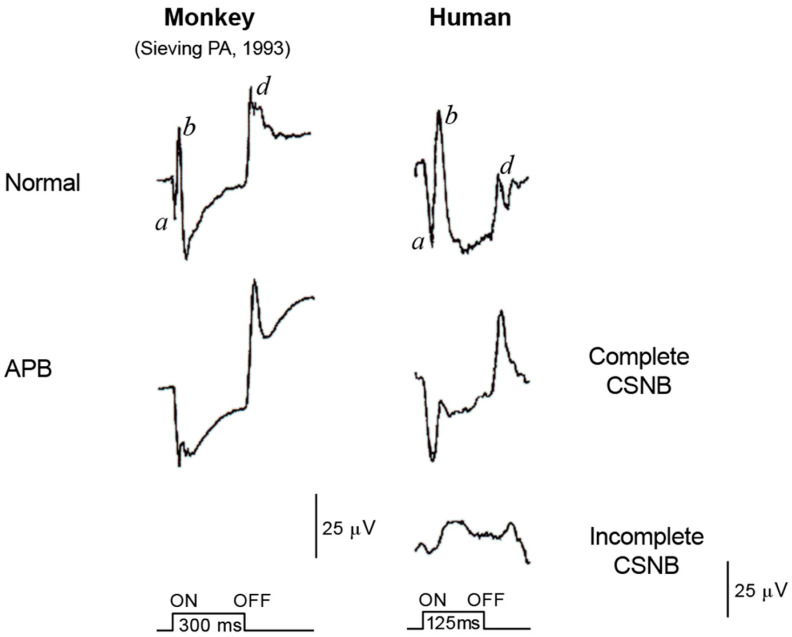 Figure 6
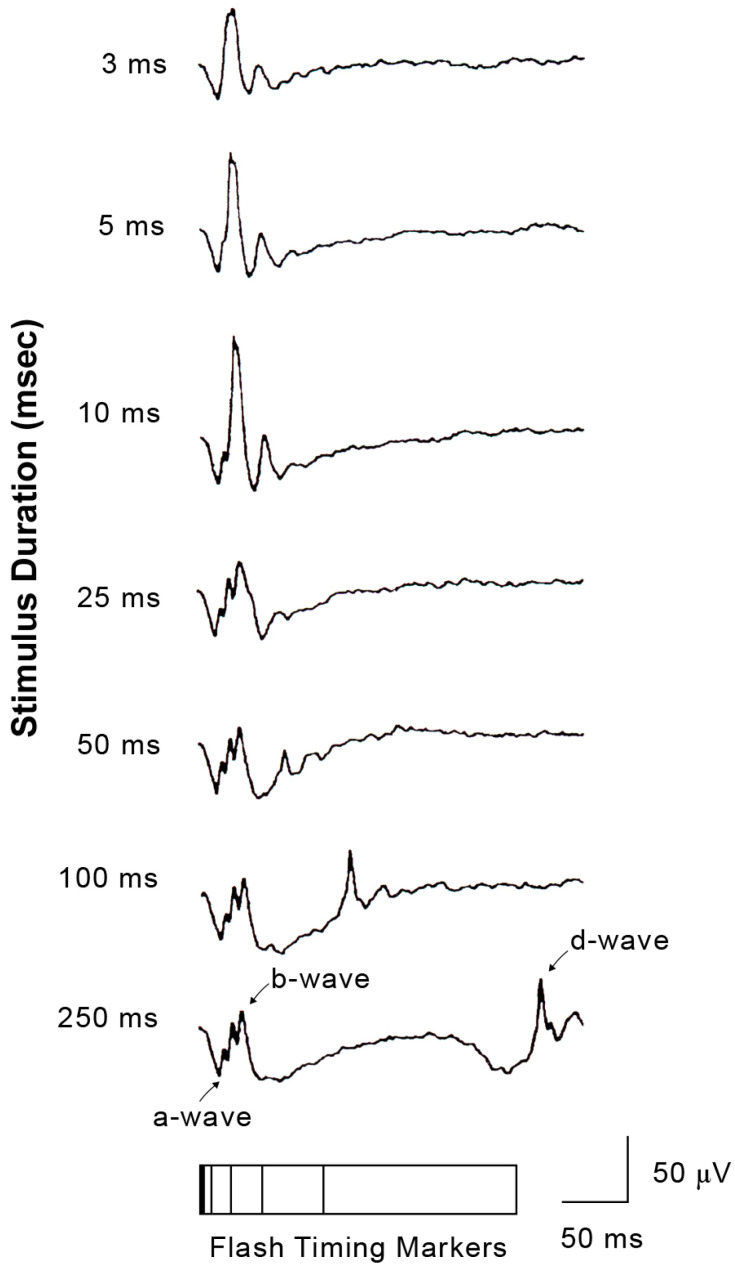 Figure 7
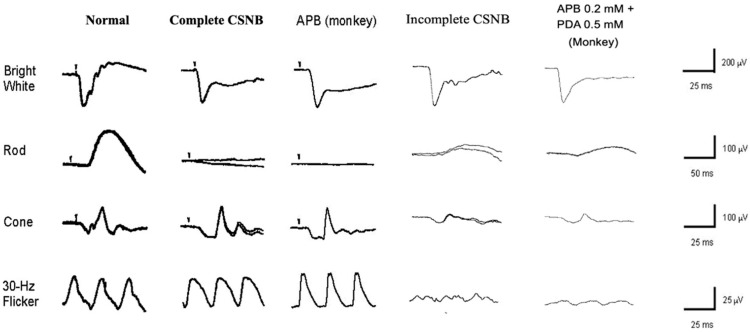 Figure 8
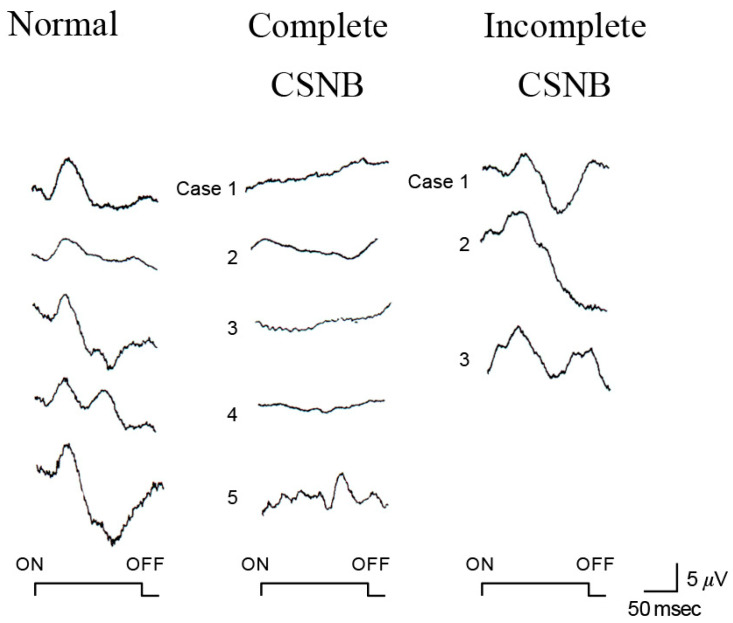 Figure 9
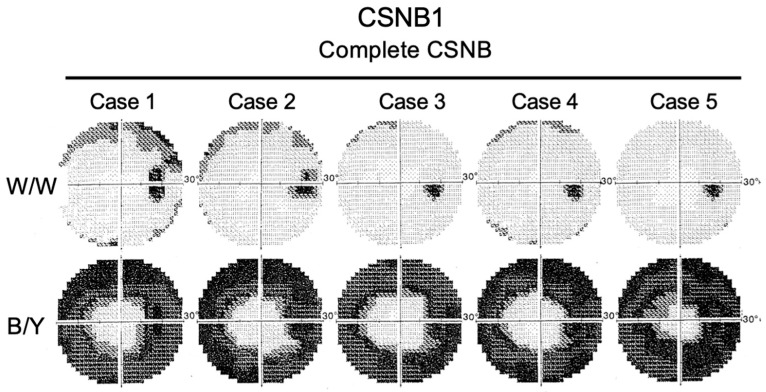 Figure 10
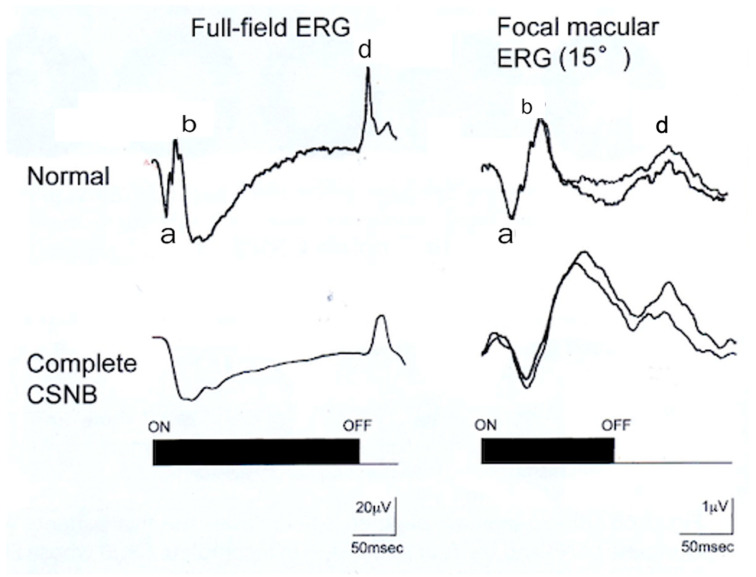 Figure 11
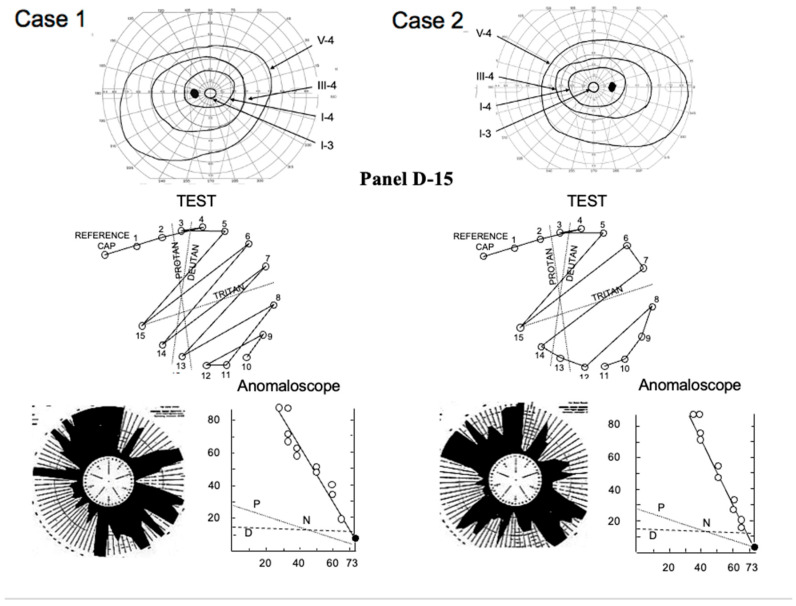 Figure 12
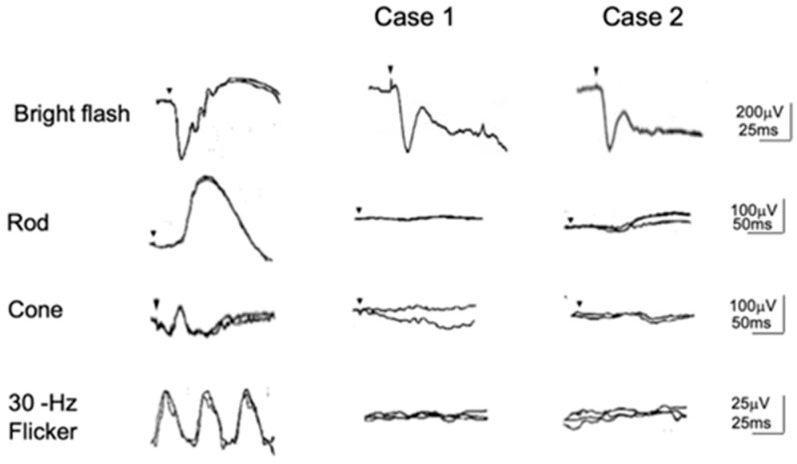 Figure 13
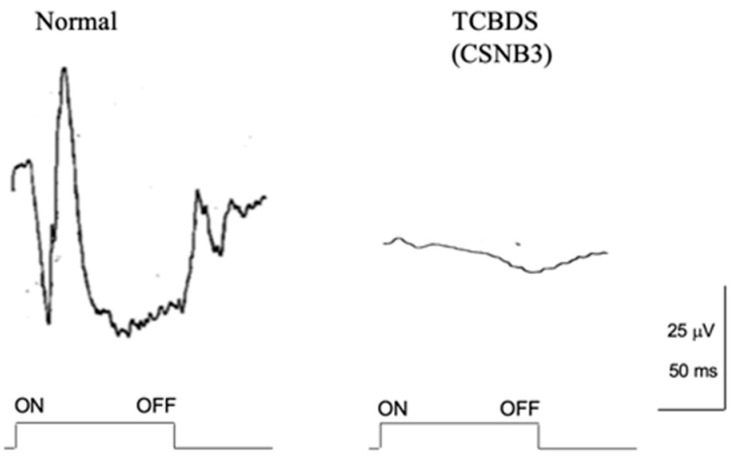 Figure 14
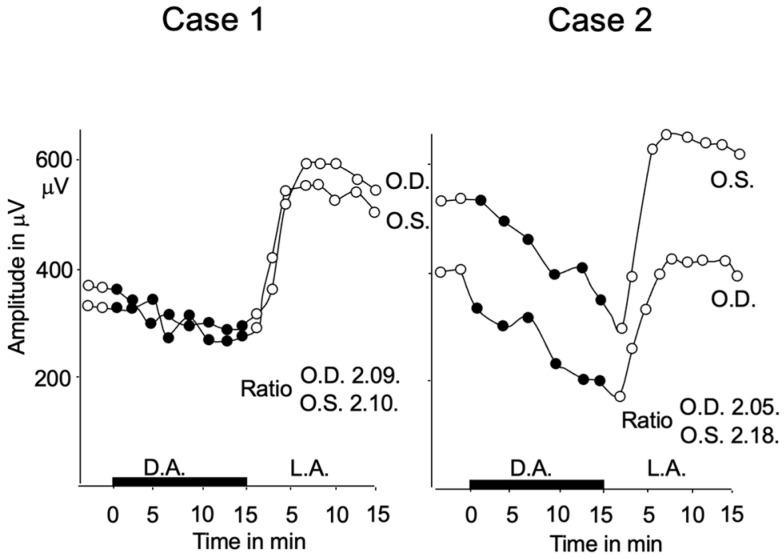 Figure 15
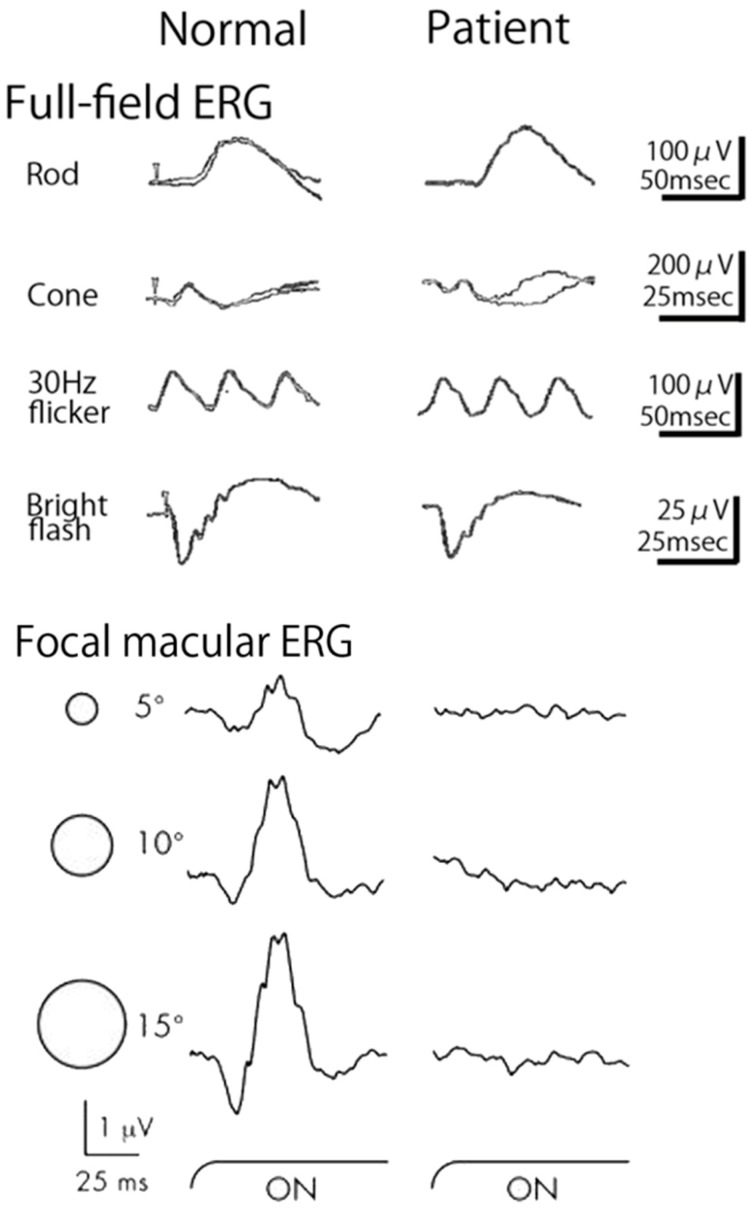 Figure 16
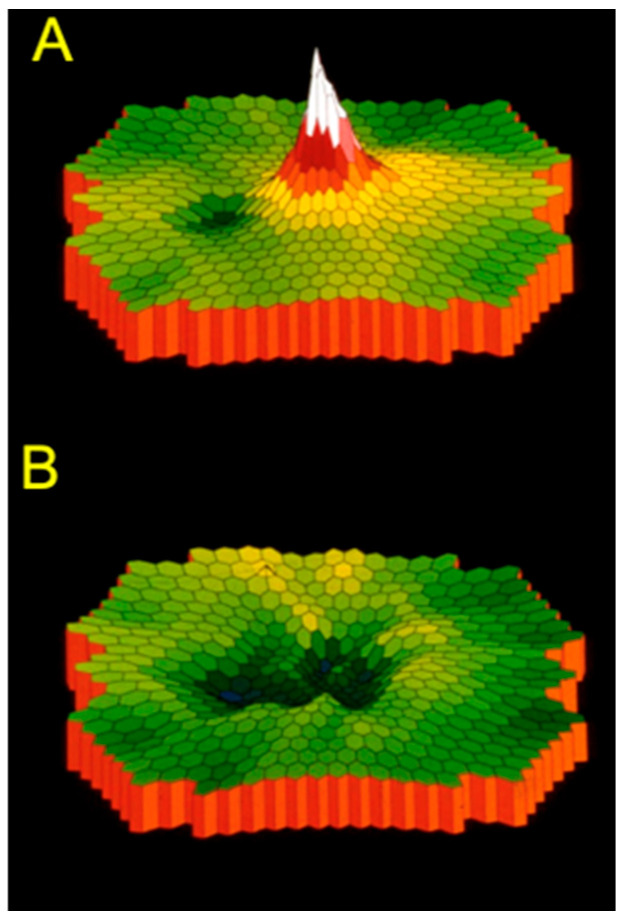 Figure 17
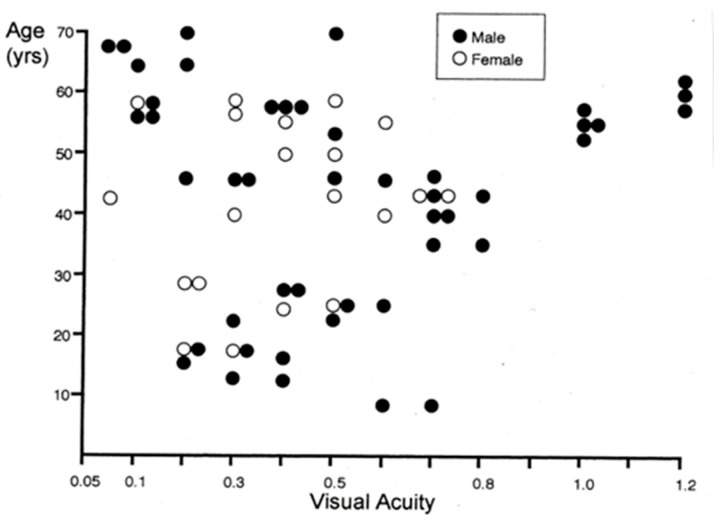 Figure 18
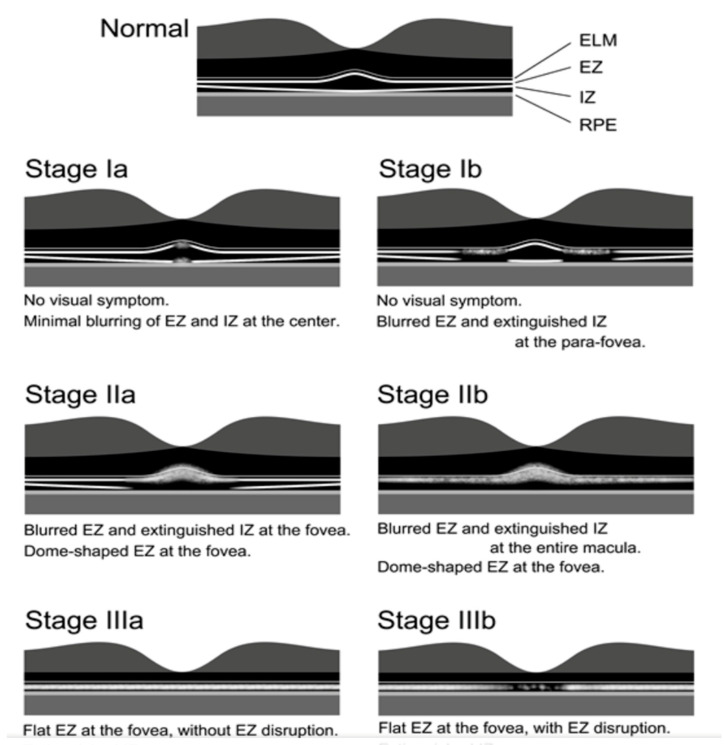 Figure 19
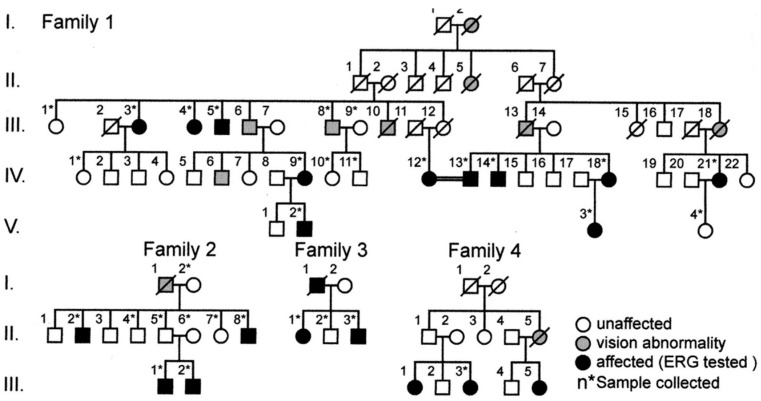 Figure 20
Peer Reviews
No public reviews on file for this paper yet. If you reviewed it on a platform where reviews are public (OpenReview, ICLR, NeurIPS, ICML), you can paste yours below so the community can read it here.
Videos
No videos yet. Explain this paper in a talk, walkthrough, or lecture? Add one.
Taxonomy
TopicsRetinal Development and Disorders · Biomedical Research and Pathophysiology · Amino Acid Enzymes and Metabolism