Antiproliferative Water-Soluble Mono- and Binuclear Ruthenium Complexes with Pyridone–Imidazole Ligands
Ilya A. Shutkov, Nikolai A. Melnichuk, Sofya A. Ovakimyan, Dmitrii M. Mazur, Nataliya E. Borisova, Maxim L. Kuznetsov, Ivan A. Godovikov, Konstantin A. Lyssenko, Dmitrii S. Yakovlev, Alexander A. Spasov, Elena R. Milaeva, Alexey A. Nazarov

TL;DR
Scientists created new water-soluble ruthenium compounds with antiproliferative effects on cancer cells without harming normal cells.
Contribution
The study introduces a new class of water-soluble ruthenium complexes with pyridone–imidazole ligands showing antiproliferative activity.
Findings
The compounds showed antiproliferative activity in human cancer cell lines.
They were non-cytotoxic to primary rat fibroblasts up to 1000 µM.
Binuclear metallocycles resisted hydrolysis and induced apoptosis in tumor cells.
Abstract
In this study, we synthesized and characterized new imidazole ligands containing pyridone groups, as well as mononuclear and binuclear ruthenium complexes, which are a new class of water-soluble metallacycles. We studied the antiproliferative activity of these compounds in vitro using the MTT assay on a panel of human cancer cell lines and on primary rat fibroblasts, where we observed a complete absence of cytotoxicity up to a concentration of 1000 µM. For the binuclear metallocycle compounds, we investigated their solubility in water, resistance to hydrolysis, and ability to induce apoptosis in tumor cells.
Genes, proteins, chemicals, diseases, species, mutations and cell lines named across the full text — each resolved to its canonical identifier and authoritative record.
Click any figure to enlarge with its caption.
 Figure 1
 Figure 2
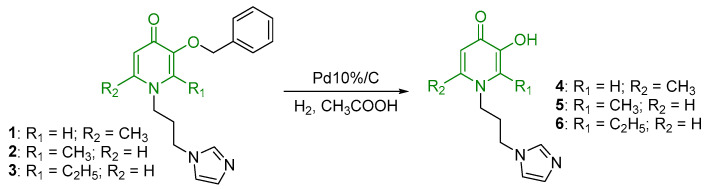 Figure 3
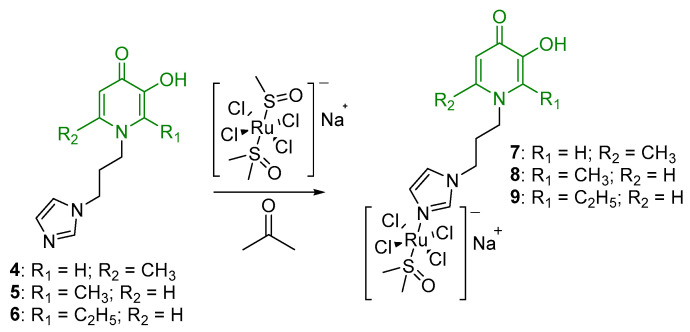 Figure 4
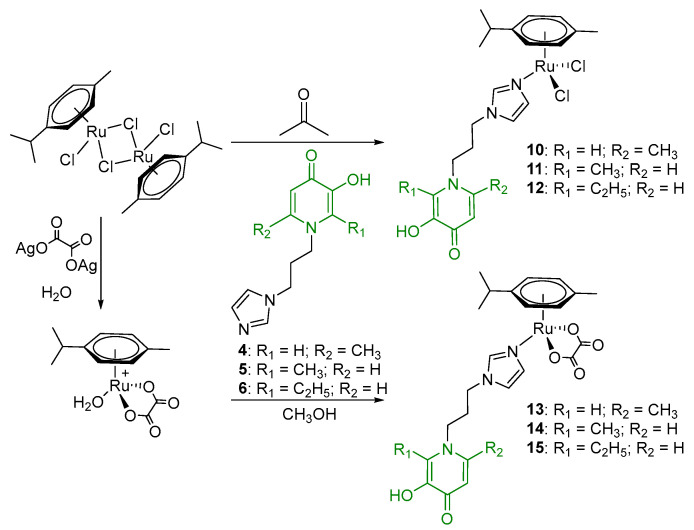 Figure 5
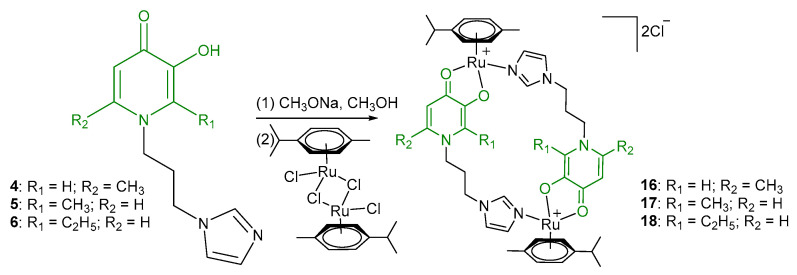 Figure 6
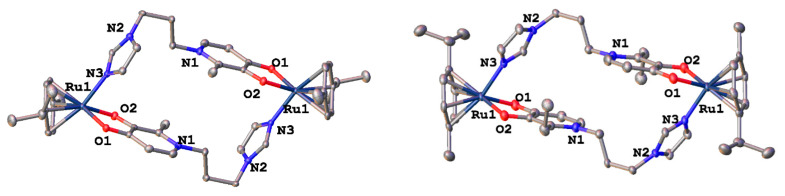 Figure 7
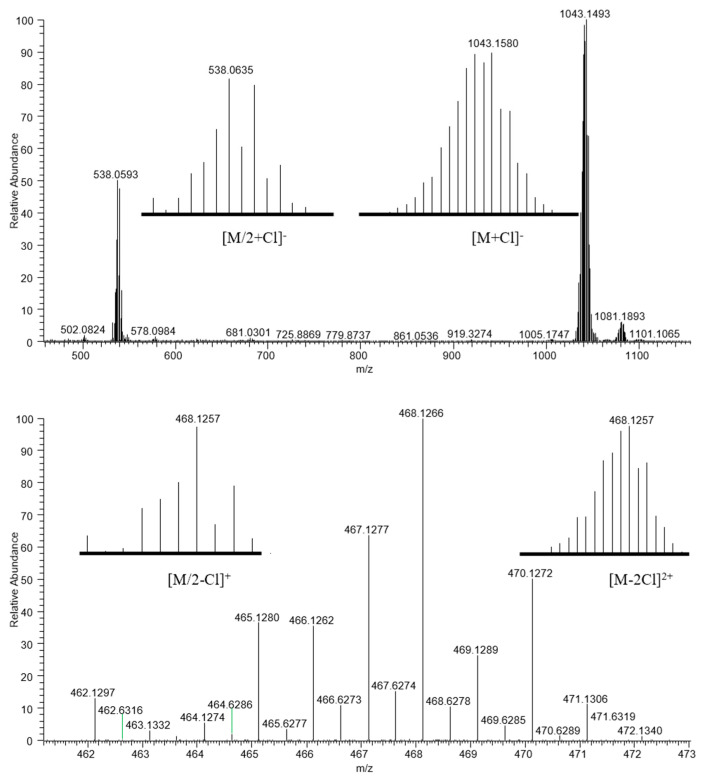 Figure 8
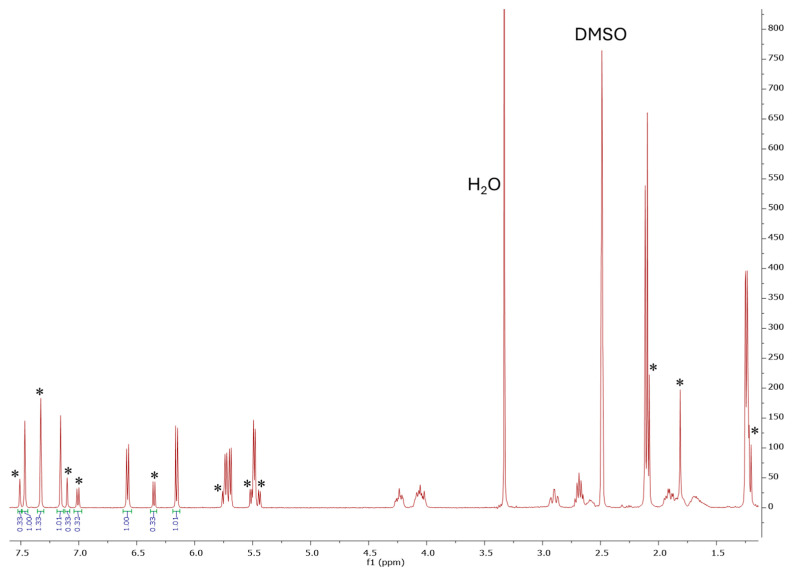 Figure 9
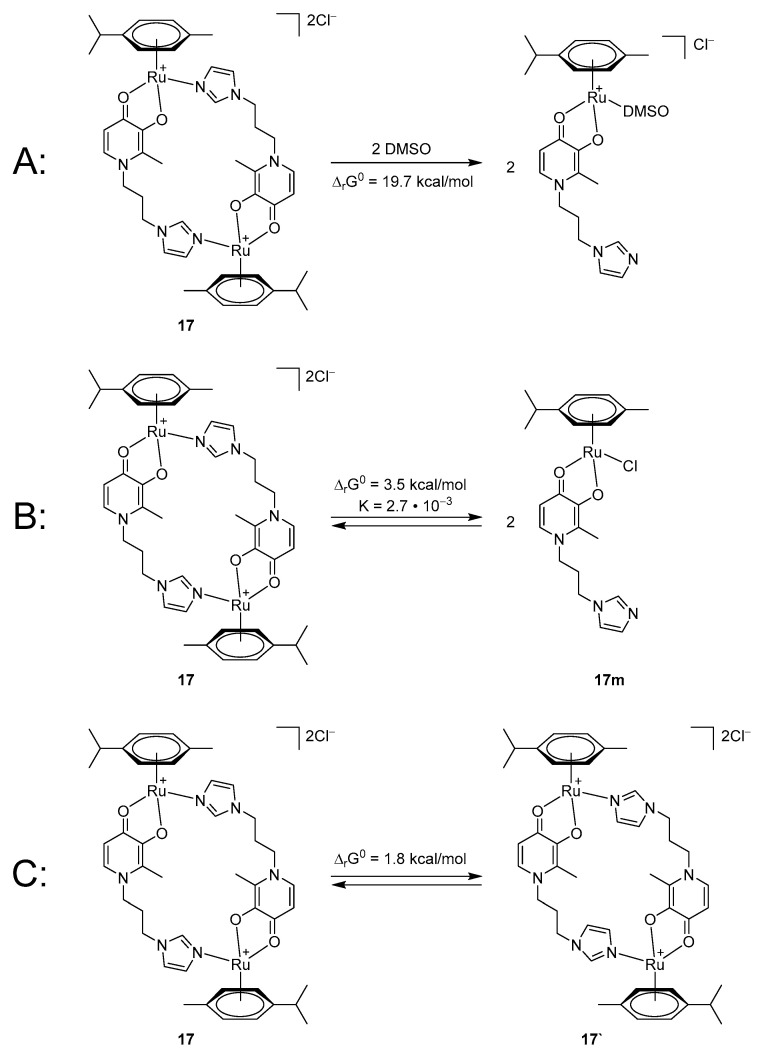 Figure 10
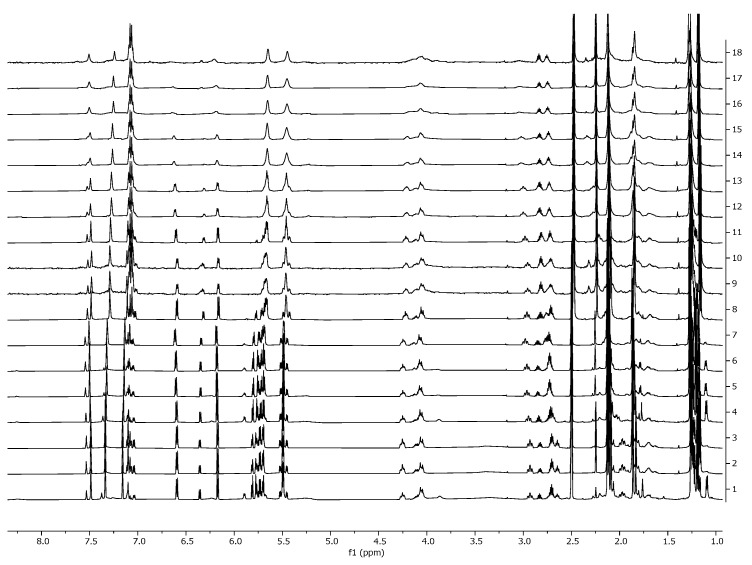 Figure 11
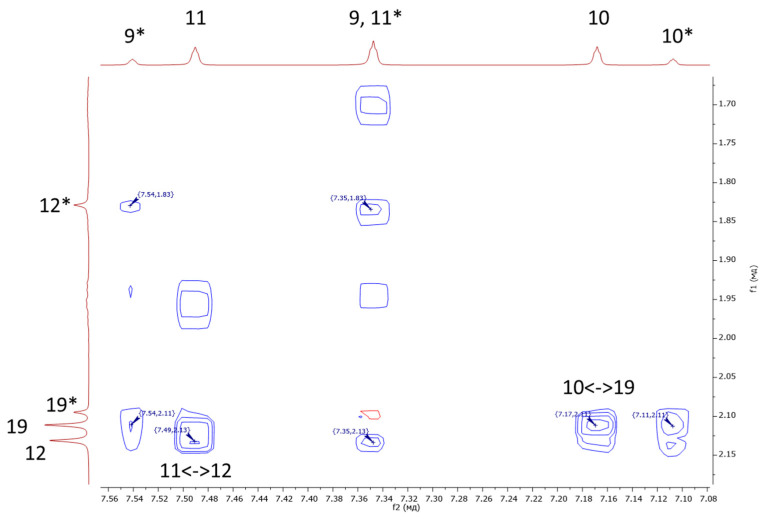 Figure 12
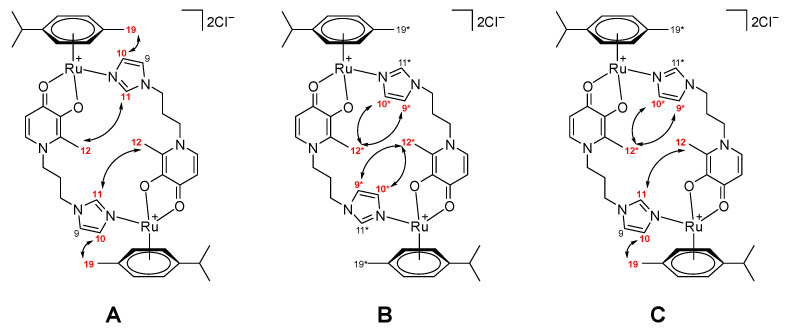 Figure 13
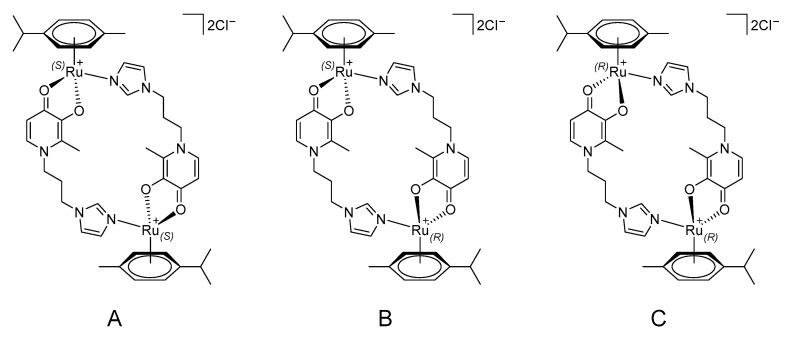 Figure 14
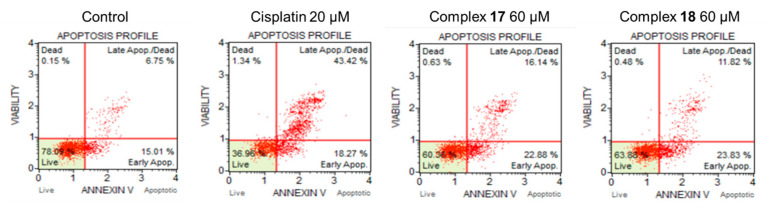 Figure 15
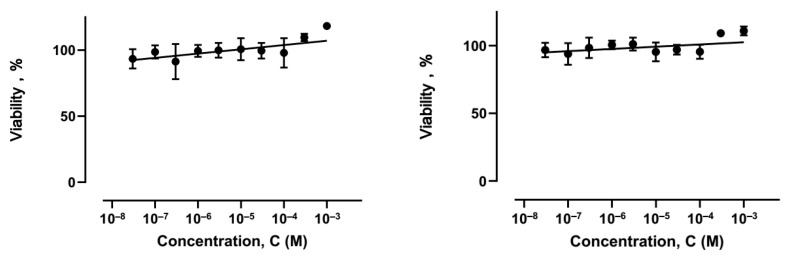 Figure 16
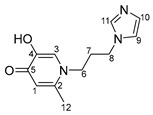 Figure 17
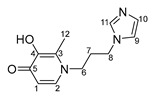 Figure 18
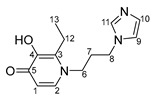 Figure 19
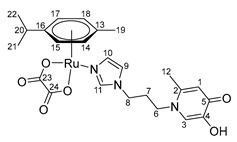 Figure 20
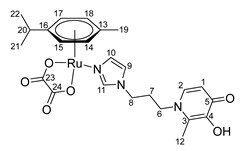 Figure 21
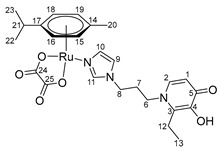 Figure 22
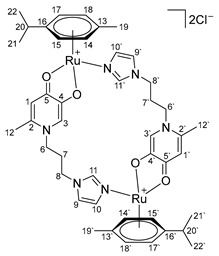 Figure 23
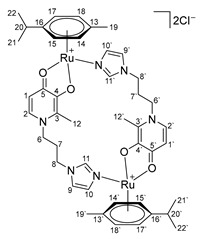 Figure 24
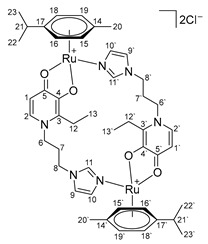 Figure 25
Peer Reviews
No public reviews on file for this paper yet. If you reviewed it on a platform where reviews are public (OpenReview, ICLR, NeurIPS, ICML), you can paste yours below so the community can read it here.
Videos
No videos yet. Explain this paper in a talk, walkthrough, or lecture? Add one.
Taxonomy
TopicsMetal complexes synthesis and properties · Ferrocene Chemistry and Applications · Asymmetric Hydrogenation and Catalysis