Effects of Aqueous Extracts from Wheat Bran Layers on the Functional Properties of Wheat Starch and Gluten
Bingbing Wu, Chunlei Yu, Zhongwei Chen, Bin Xu

TL;DR
This study explores how water extracts from different parts of wheat bran affect the properties of wheat starch and gluten, which could help improve whole-wheat food quality.
Contribution
The novelty lies in identifying how specific bran layers and their components influence gluten and starch functionality during food processing.
Findings
AL-rich extracts had higher content (30.6%) than NAL-rich extracts (15.1%) due to higher cellular content in AL.
Aqueous extracts reduced gluten's storage and loss moduli, mainly due to polysaccharides, while protein and ash fractions increased them at suitable dosages.
Extracts increased starch gelatinization temperature but decreased enthalpy and pasting viscosity due to protein and ash effects.
Abstract
Wheat bran (WB) is rich in bioactive compounds, but its incorporation into food products often negatively affects dough properties. The soluble components in WB, including polysaccharides, minerals, and proteins, exhibit significant variations across different bran layers and may dissolve and interact with flour components during food processing, affecting dough properties. This study aims to investigate the influence of aqueous extracts from different WB layers (aleurone layer, AL; non-aleurone layer, NAL) and their components on the functional properties of wheat starch and gluten. The results indicate that the AL-rich fraction yielded a higher extract content (30.6%) compared to the NAL-rich fraction (15.1%), attributable to the higher cellular content in the AL. Both the extracts and residues from AL and NAL significantly lowered the denaturation temperature of wheat gluten. The…
Genes, proteins, chemicals, diseases, species, mutations and cell lines named across the full text — each resolved to its canonical identifier and authoritative record.
Click any figure to enlarge with its caption.
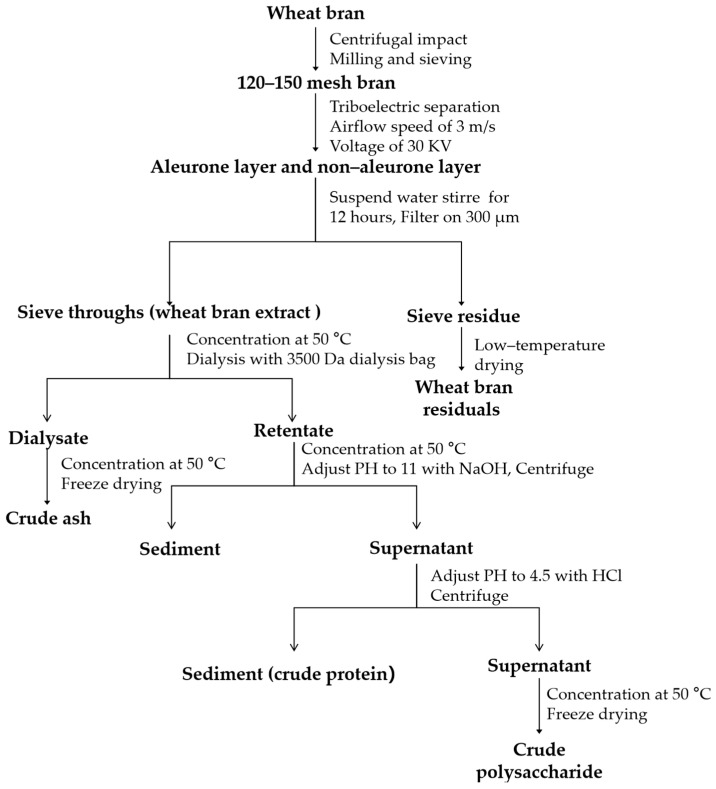 Figure 1
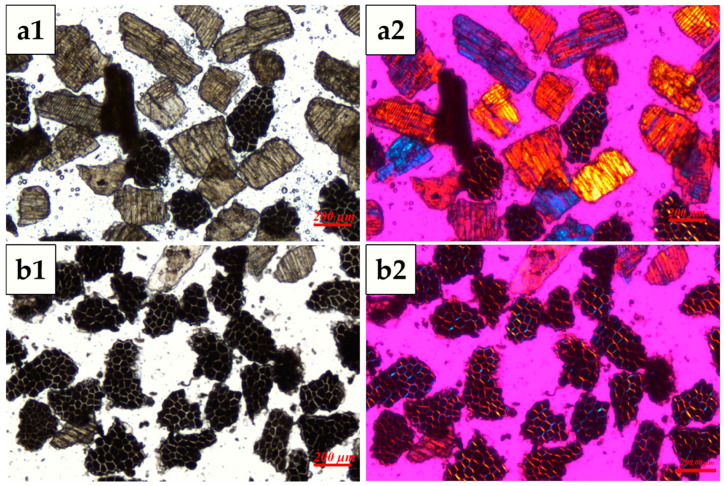 Figure 2
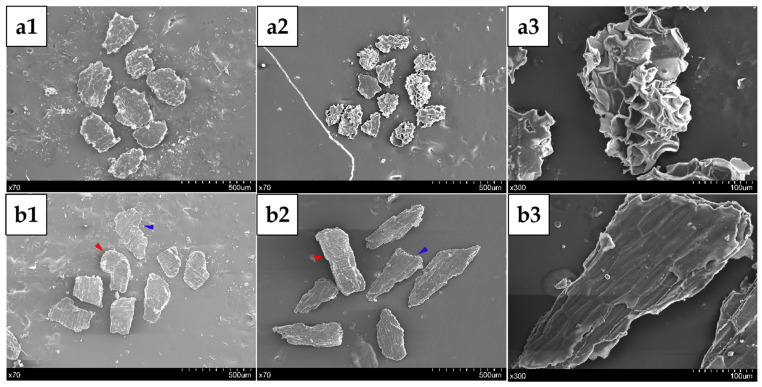 Figure 3
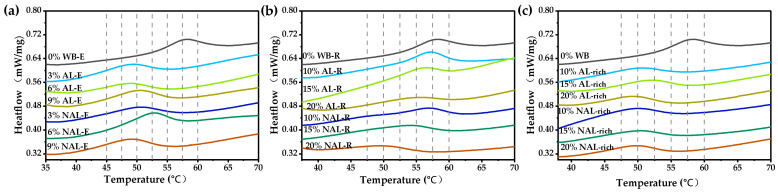 Figure 4
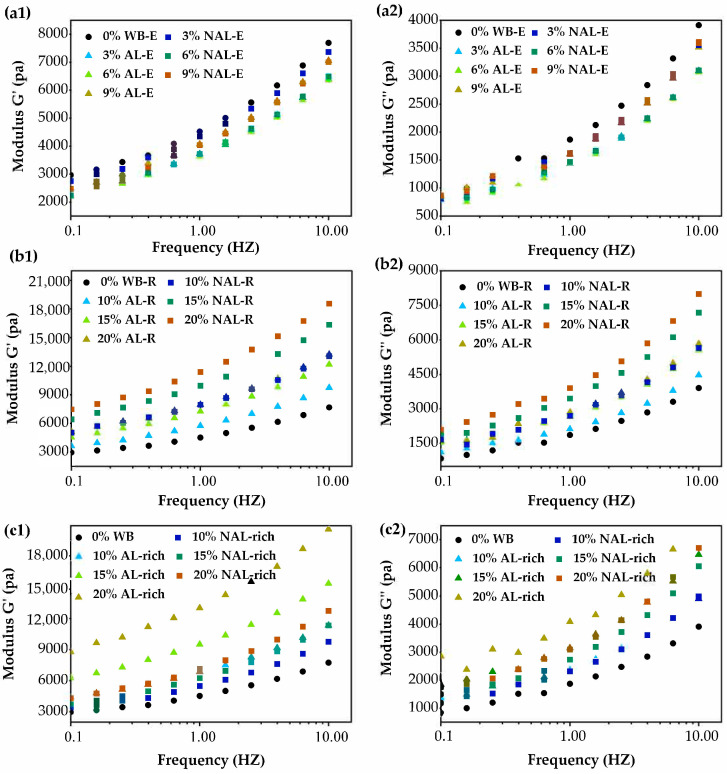 Figure 5
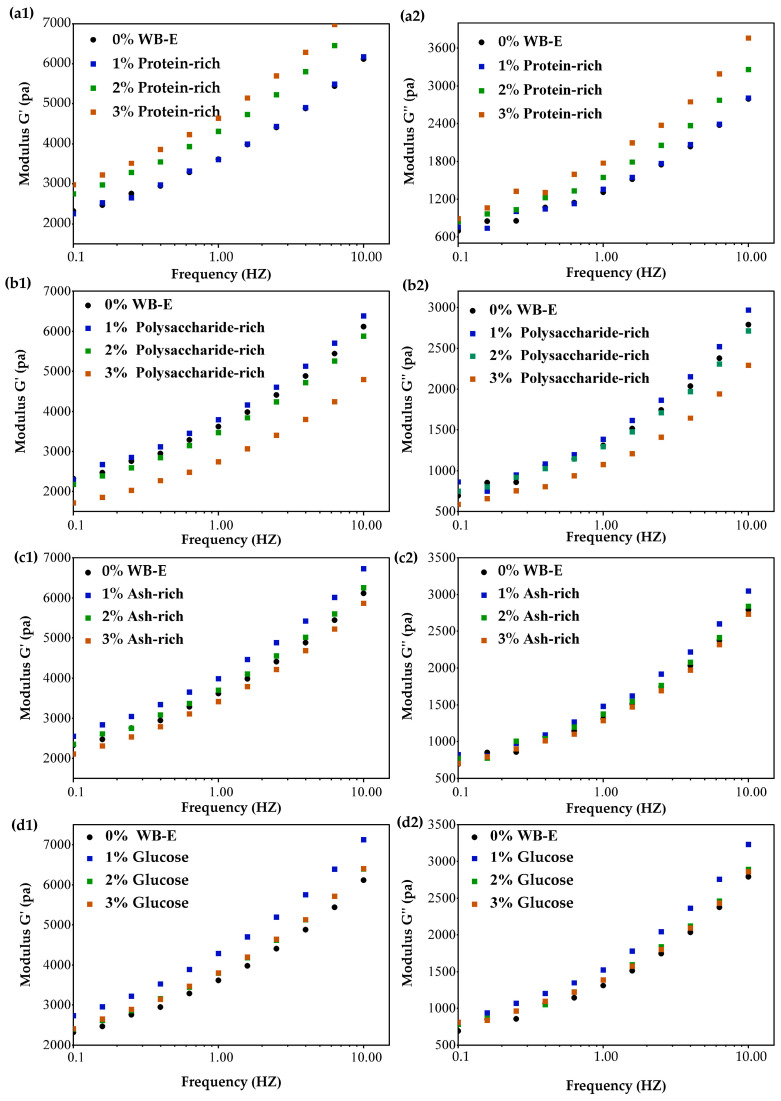 Figure 6
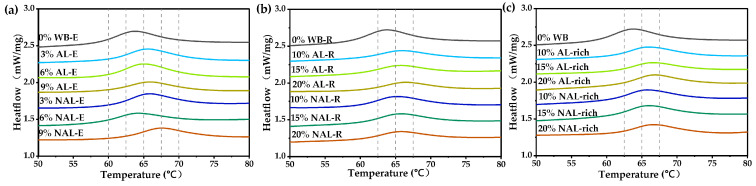 Figure 7
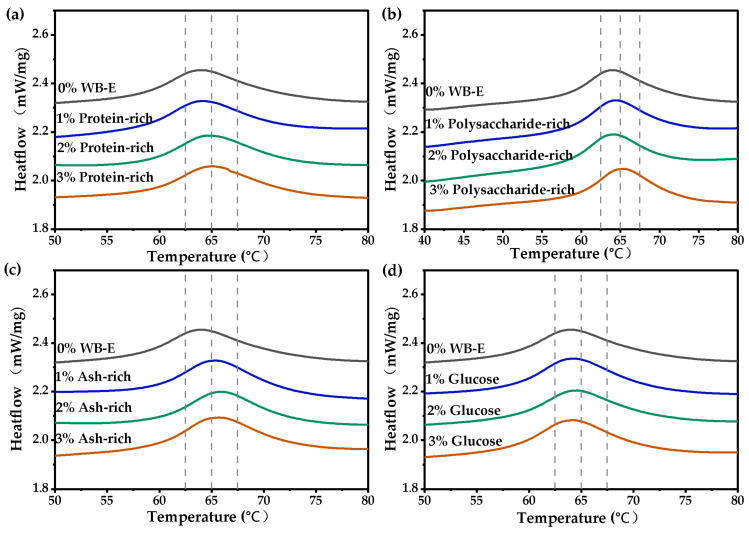 Figure 8
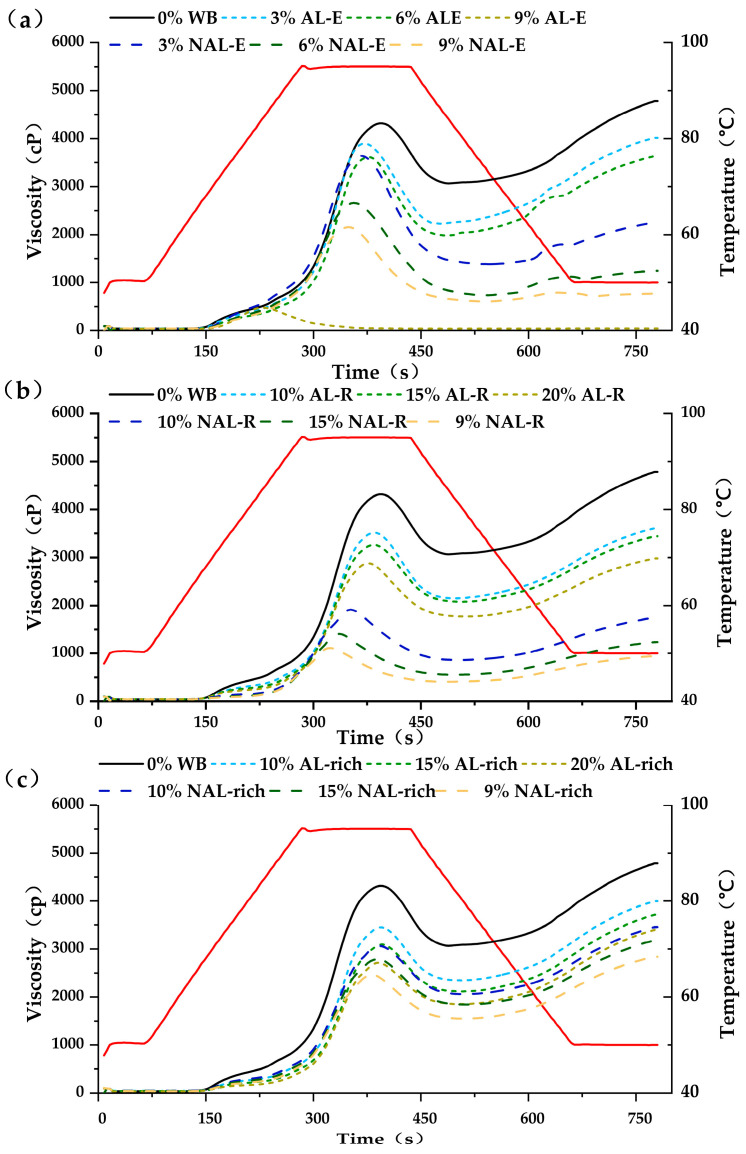 Figure 9
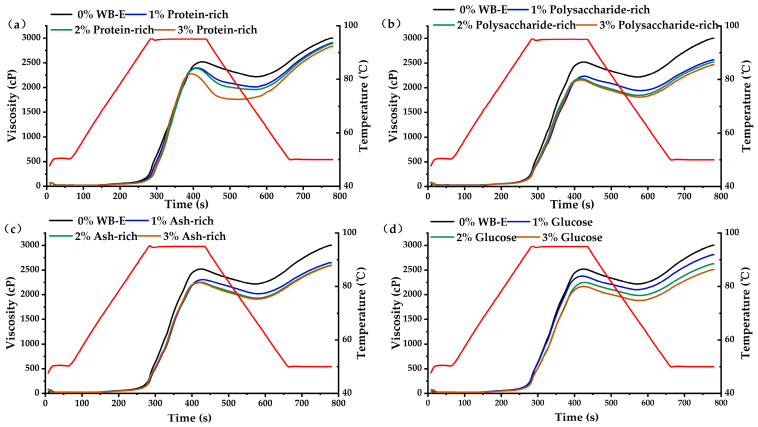 Figure 10
Peer Reviews
No public reviews on file for this paper yet. If you reviewed it on a platform where reviews are public (OpenReview, ICLR, NeurIPS, ICML), you can paste yours below so the community can read it here.
Videos
No videos yet. Explain this paper in a talk, walkthrough, or lecture? Add one.
Taxonomy
TopicsFood composition and properties · Microbial Metabolites in Food Biotechnology · Polysaccharides Composition and Applications