Unraveling Botulinum Neurotoxin A Light-Chain-Induced Signaling Pathways: A Phosphoproteomic Analysis in a Controlled Cellular Model
Chensi Zhu, Liangyan Zhang, Wenjing Yu, Yeqing Tu, Xiaolan Yang, Deyu Li, Hui Wang, Tao Li

TL;DR
This study uses a controlled cell model to explore how botulinum toxin affects cell signaling, revealing key pathways and proteins involved in its toxicity.
Contribution
A novel inducible cell model for studying BoNT/A toxicity and phosphoproteomic insights into its signaling effects.
Findings
75 proteins showed upregulated phosphorylation, enriched in pathways like PI3K-AKT and Ras signaling.
27 proteins were downregulated, linked to ERBB and thyroid hormone signaling pathways.
Hsp90ab1 and Map2k1 emerged as central hub molecules in upregulated and downregulated networks, respectively.
Abstract
Botulinum neurotoxin type A (BoNT/A), among the most potent known toxins, is widely used in cosmetic medicine. However, its toxicity mechanisms remain poorly understood due to a lack of suitable models. Here, we generated a doxycycline (DOX)-inducible Neuro-2a cell line stably expressing the BoNT/A light chain (ALC). ALC expression was confirmed by GFP and FLAG tag antibodies, and its activity was validated through cleavage of the substrate SNAP-25. Using this model, combined with natural toxin infection of cells, phospho-antibody microarray analysis revealed significant alterations in host phosphorylation networks in both ALC-expressing and toxin-infected cells. Among the shared phosphorylation changes, 75 proteins showed upregulation, while 27 were downregulated. Upregulated phosphorylation events were enriched in pathways such as PI3K-AKT signaling, EGFR tyrosine kinase inhibitor…
Genes, proteins, chemicals, diseases, species, mutations and cell lines named across the full text — each resolved to its canonical identifier and authoritative record.
Click any figure to enlarge with its caption.
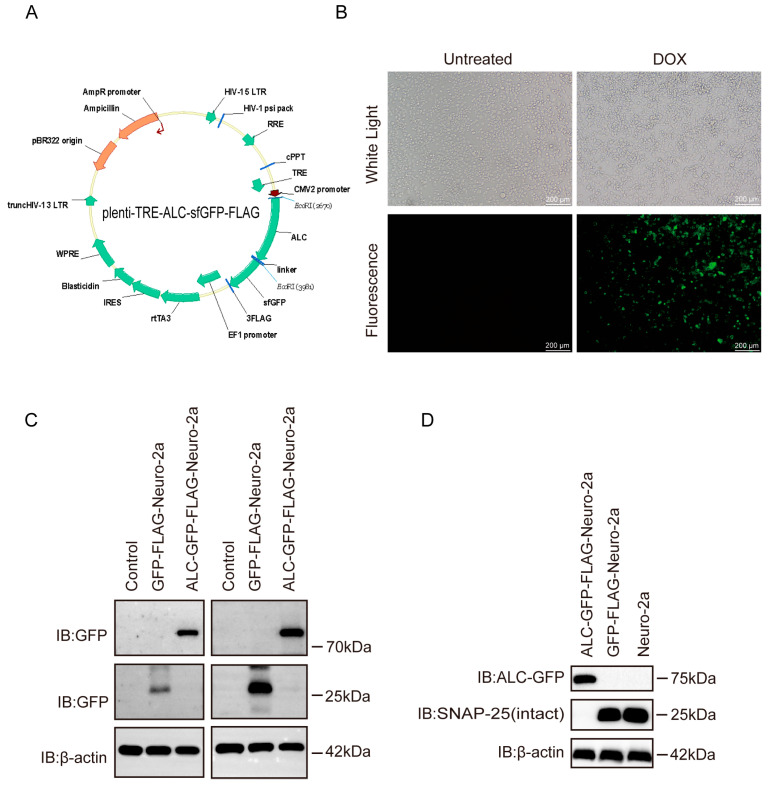 Figure 1
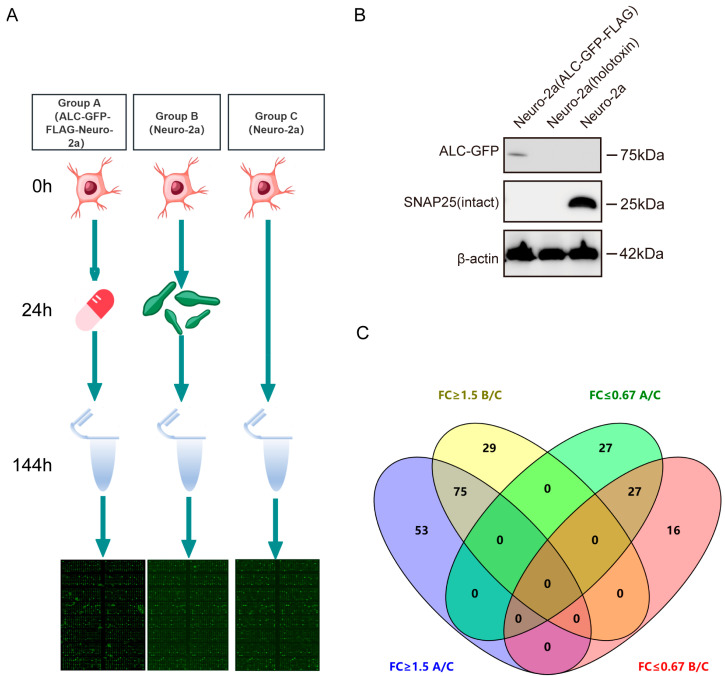 Figure 2
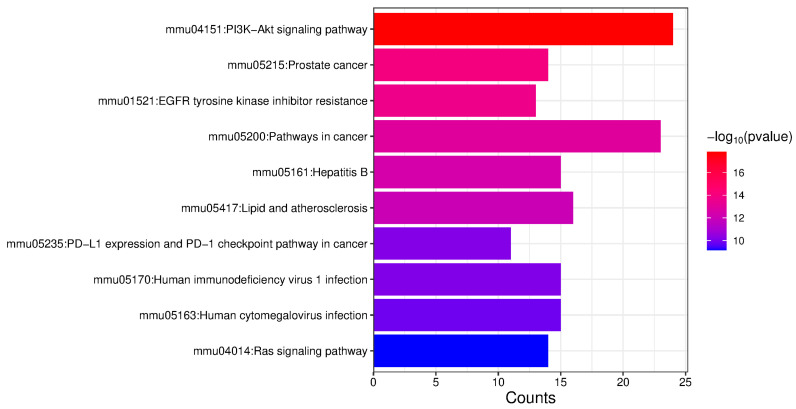 Figure 3
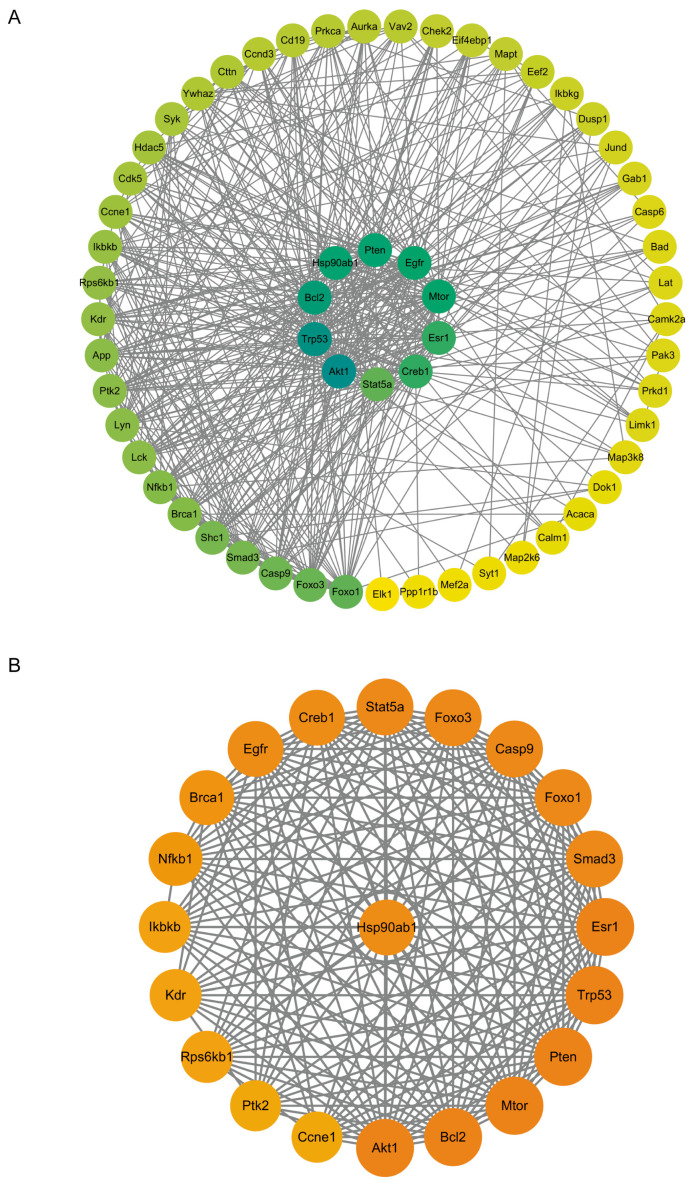 Figure 4
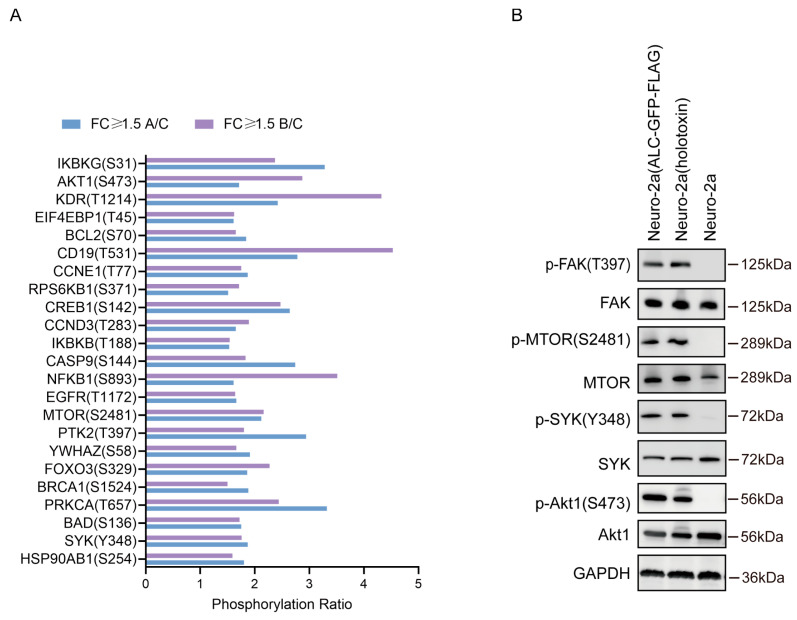 Figure 5
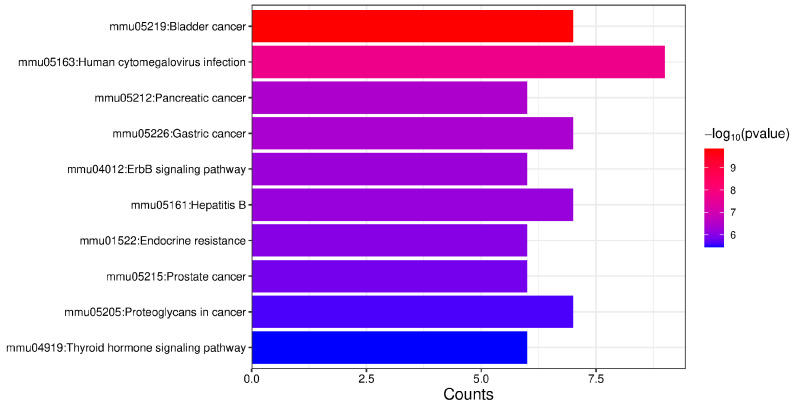 Figure 6
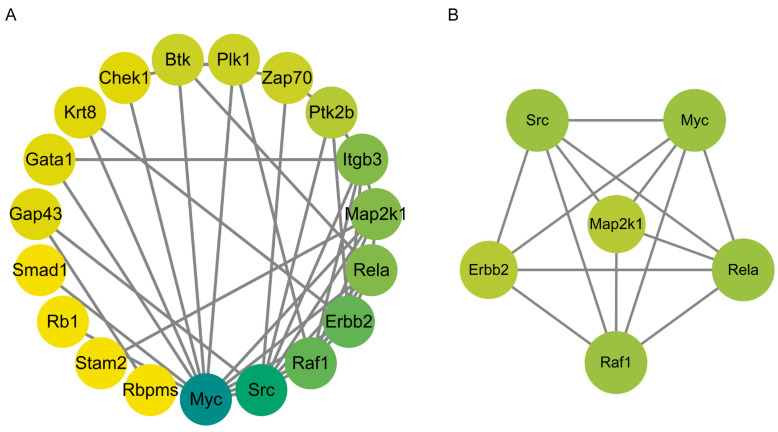 Figure 7
Peer Reviews
No public reviews on file for this paper yet. If you reviewed it on a platform where reviews are public (OpenReview, ICLR, NeurIPS, ICML), you can paste yours below so the community can read it here.
Videos
No videos yet. Explain this paper in a talk, walkthrough, or lecture? Add one.
Taxonomy
TopicsBotulinum Toxin and Related Neurological Disorders · Neurological disorders and treatments · Hereditary Neurological Disorders