Transcriptome Sequencing Revealed an Inhibitory Mechanism of Recombinant Puroindoline B Protein on Aspergillus flavus
Pingping Tian, Cuixiang Li, Yangyong Lv, Shaobin Gu, Yuansen Hu

TL;DR
This study shows how a plant protein inhibits a harmful fungus by targeting specific genes, reducing its growth and toxin production.
Contribution
Identified MFS transporter genes mfs1 and mfs2 as key to the inhibitory effect of rPINB on Aspergillus flavus.
Findings
Gene deletion strains showed reduced sensitivity to rPINB, with lower growth and altered morphology.
MFS transporter genes mfs1 and mfs2 are crucial for rPINB's inhibitory effect on A. flavus.
rPINB significantly reduced aflatoxin B1 production in gene-deleted strains.
Abstract
Aspergillus flavus, a common food contaminant, poses health and economic risks. Previous research showed that recombinant Puroindoline B protein (rPINB) inhibited A. flavus by disrupting its cell wall, membrane, nuclear function, mitochondrial activity, and oxidative stress. This study used transcriptome technology to explore the impact of rPINB on A. flavus gene expression and created gene deletion strains to test the sensitivity to rPINB. RNA-Seq identified the differentially expressed genes (DEGs) affecting cell wall synthesis, membrane transport, oxidative stress, spore formation, and aflatoxin production. The MFS transporter genes AFLA_106900 (mfs1) and AFLA_106910 (mfs2) were crucial for an inhibitory effect of rPINB. The mutants exhibited reduced sensitivity to rPINB-mediated inhibition, indicating lower growth, sunken conidia, and shriveled hyphae, compared to the wild-type…
Genes, proteins, chemicals, diseases, species, mutations and cell lines named across the full text — each resolved to its canonical identifier and authoritative record.
Click any figure to enlarge with its caption.
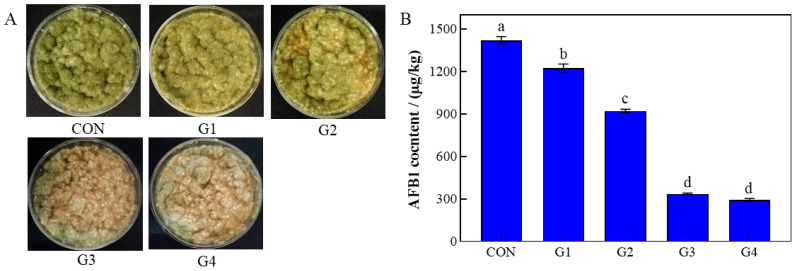 Figure 1
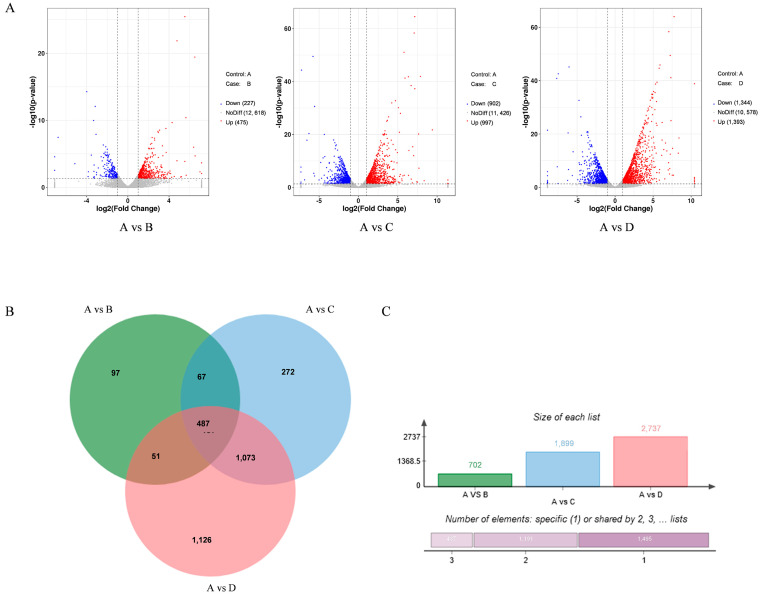 Figure 2
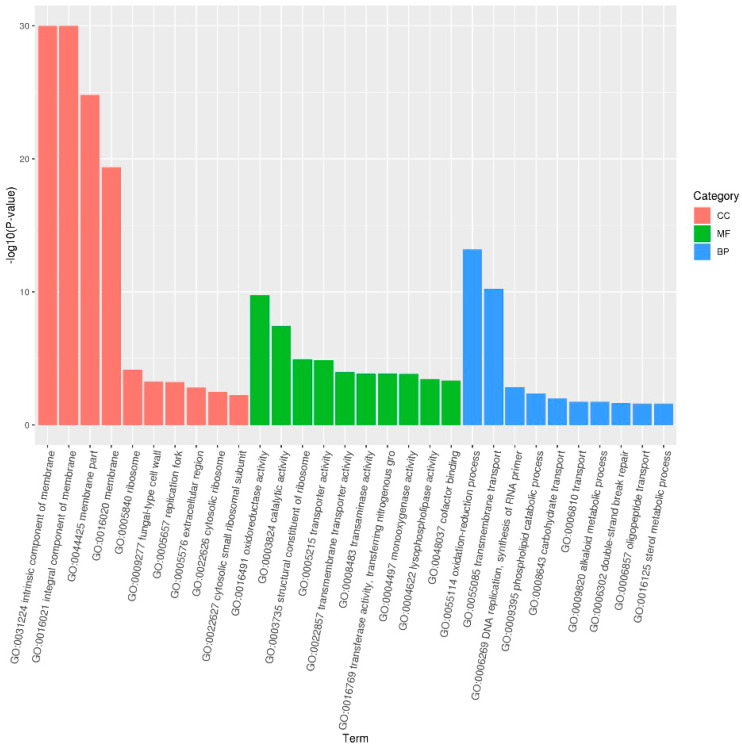 Figure 3
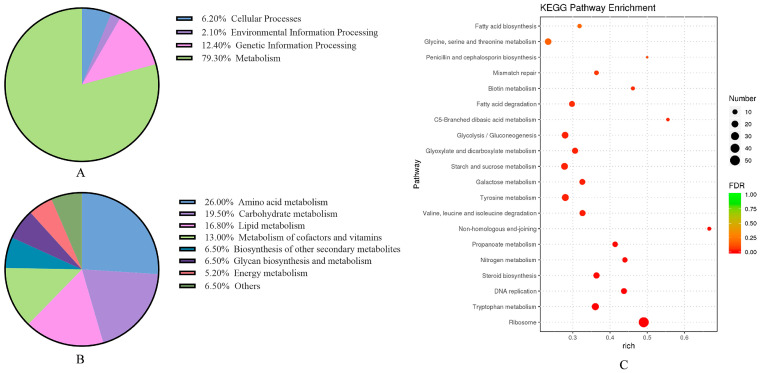 Figure 4
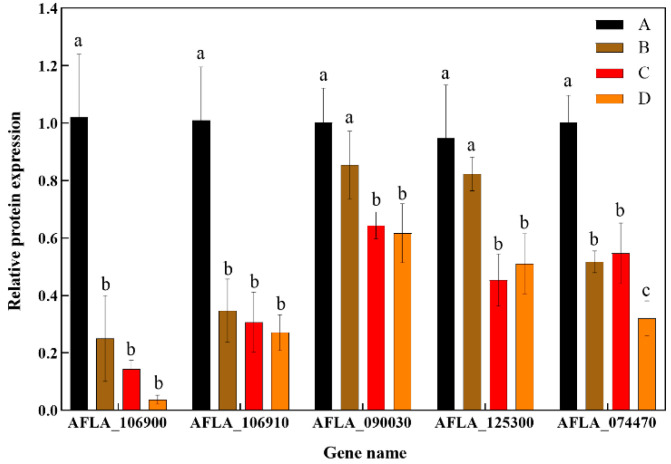 Figure 5
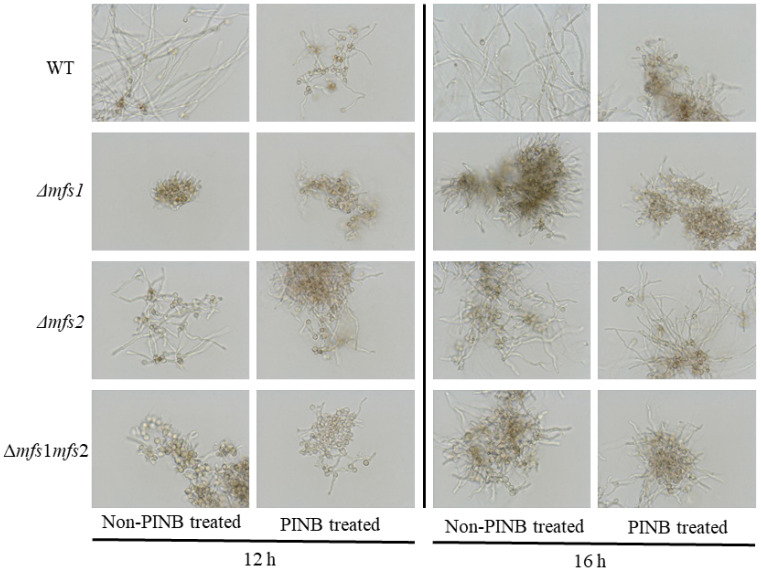 Figure 6
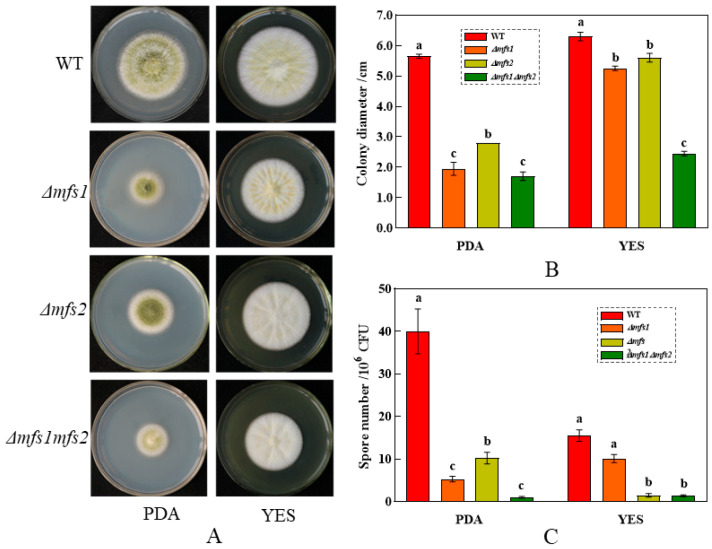 Figure 7
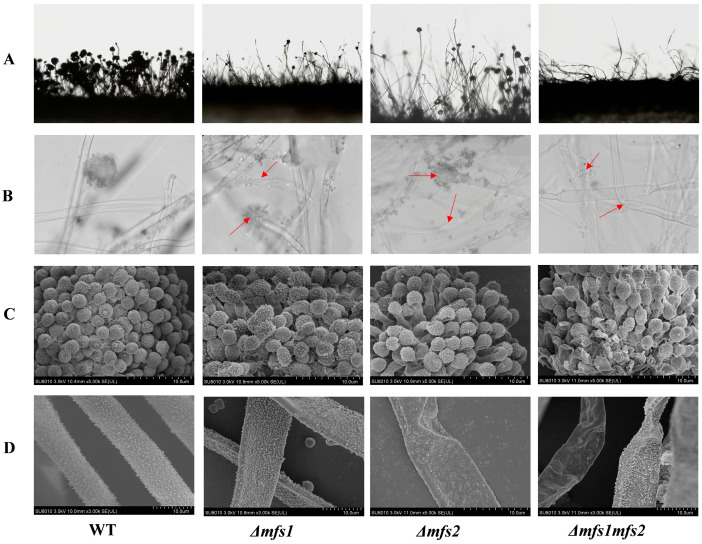 Figure 8
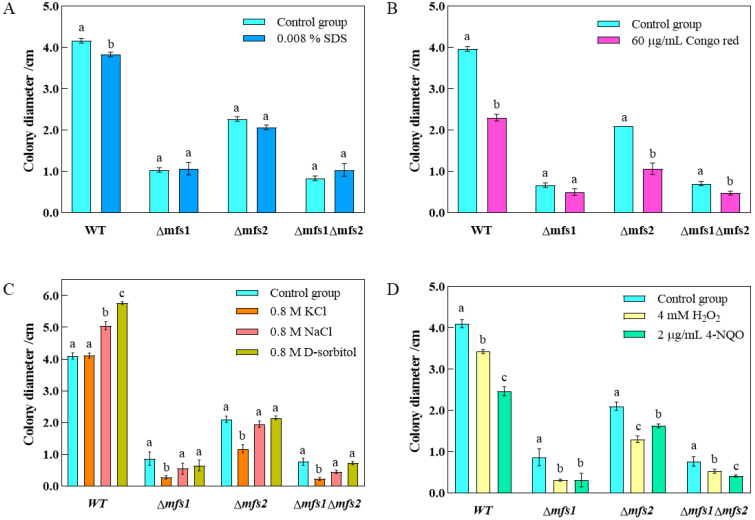 Figure 9
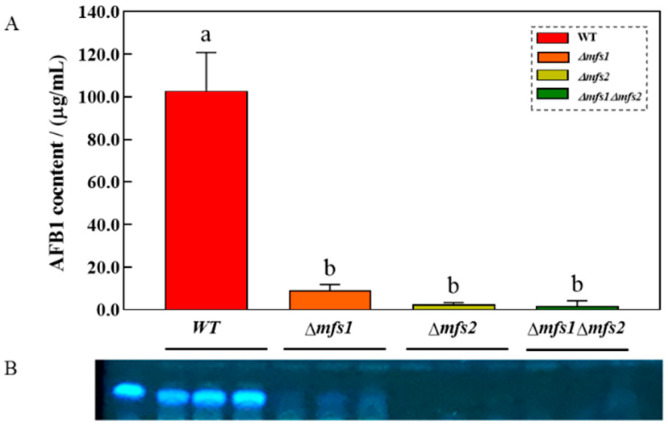 Figure 10
Peer Reviews
No public reviews on file for this paper yet. If you reviewed it on a platform where reviews are public (OpenReview, ICLR, NeurIPS, ICML), you can paste yours below so the community can read it here.
Videos
No videos yet. Explain this paper in a talk, walkthrough, or lecture? Add one.
Taxonomy
TopicsMicrobial Natural Products and Biosynthesis · Antifungal resistance and susceptibility · 14-3-3 protein interactions