Alkyltriphenylphosphonium-Functionalized Hyperbranched Polyethyleneimine Nanoparticles for Safe and Efficient Bacterial Eradication: A Structure–Property Relationship Study
Katerina N. Panagiotaki, Kyriaki-Marina Lyra, Aggeliki Papavasiliou, Dimitris Tsiourvas, Zili Sideratou

TL;DR
This study explores how modifying polymer nanoparticles can effectively kill bacteria while being safe for human cells.
Contribution
The study introduces a structure–property relationship approach for designing efficient and safe antibacterial polymers.
Findings
Low-molecular-weight polymers with longer alkyl chains showed high antibacterial efficacy against E. coli and S. aureus.
SEM images confirmed bacterial membrane disruption and cell death.
The compounds showed minimal cytotoxicity to mammalian cells.
Abstract
Polymeric antibacterial agents are attracting attention due to their increased bactericidal efficiency and low probability of causing drug resistance. Their activity, usually attributed to electrostatic interactions and subsequent disruption of cell membranes, is attributed to the number and chemical structure of their functional groups. In this study, hyperbranched polyethyleneimines (PEIs) of two different molecular weights were functionalized with amphiphilic alkyltriphenylphosphonium groups, which are known to induce membrane penetration, especially in cells with high membrane potential. The obtained nanoparticles were chemically and physicochemically characterized, and their inhibition potential against Gram (−) E. coli and Gram (+) S. aureus bacteria was determined. The effects of polymer molecular weight, alkyl chain length, and the number of triphenylphosphonium groups on their…
Genes, proteins, chemicals, diseases, species, mutations and cell lines named across the full text — each resolved to its canonical identifier and authoritative record.
Click any figure to enlarge with its caption.
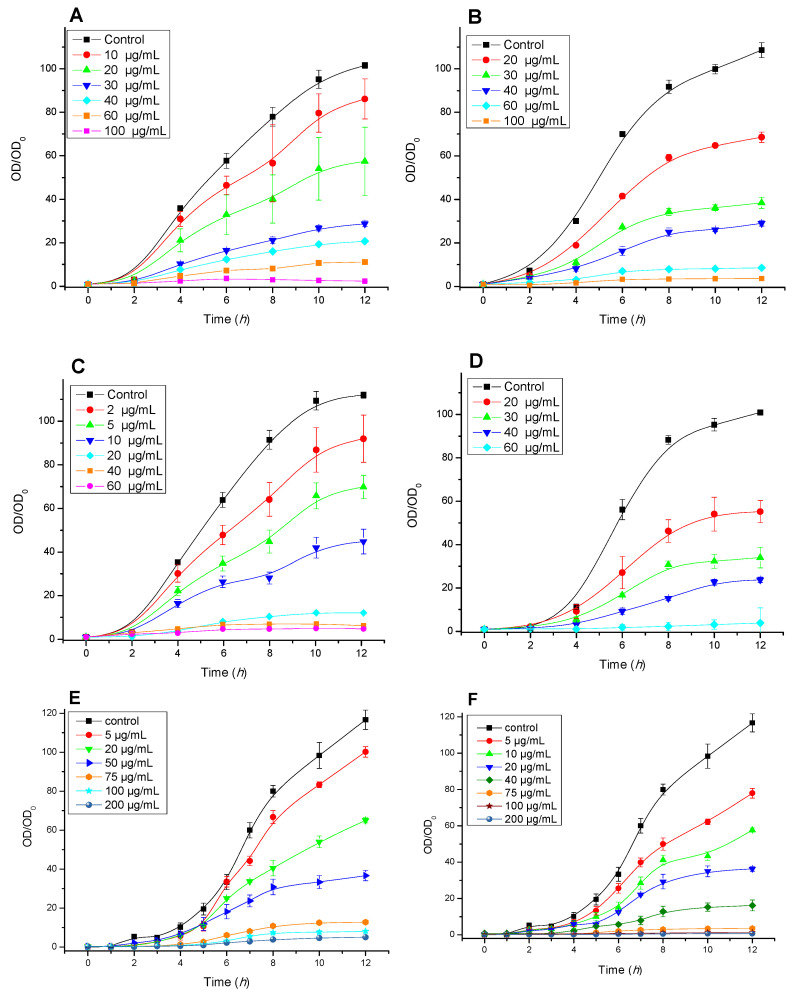 Figure 1
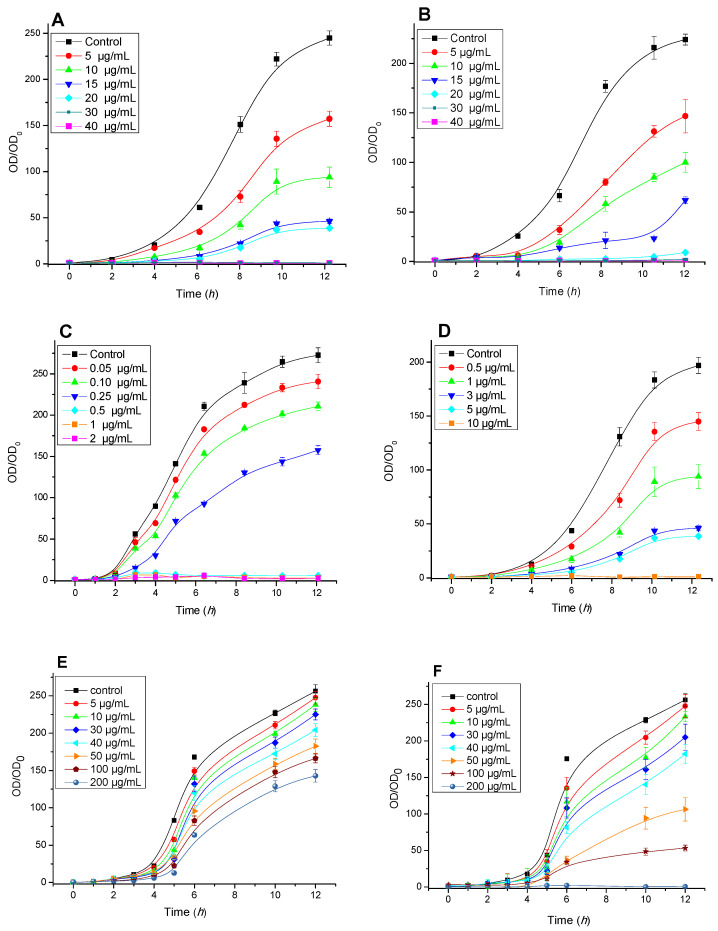 Figure 2
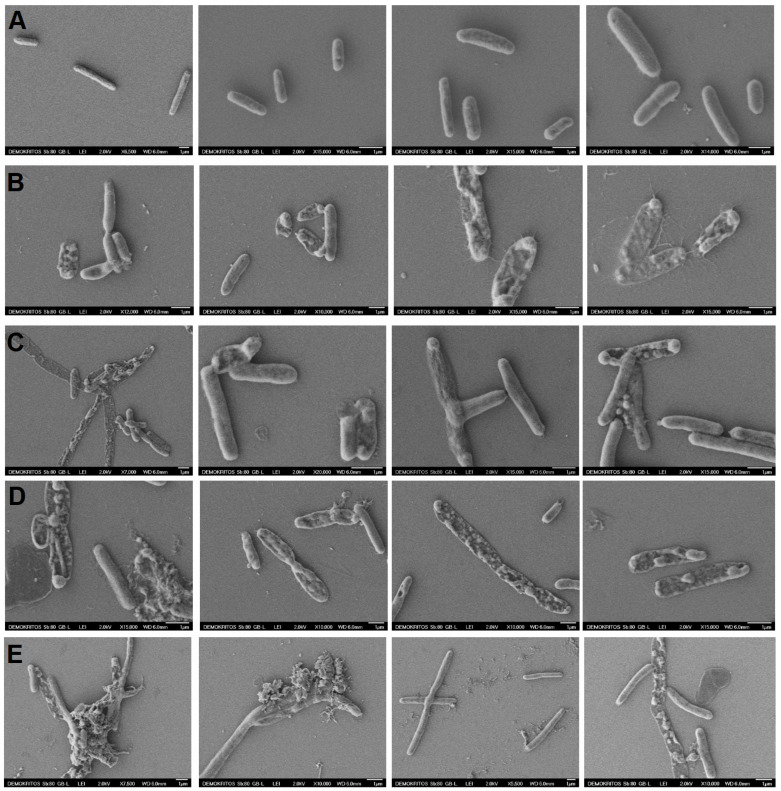 Figure 3
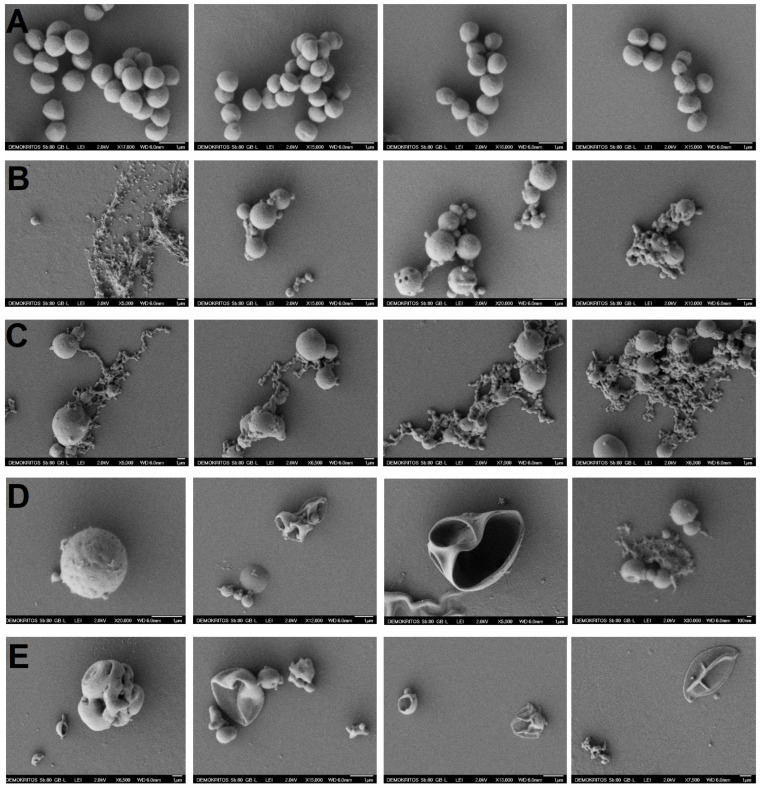 Figure 4
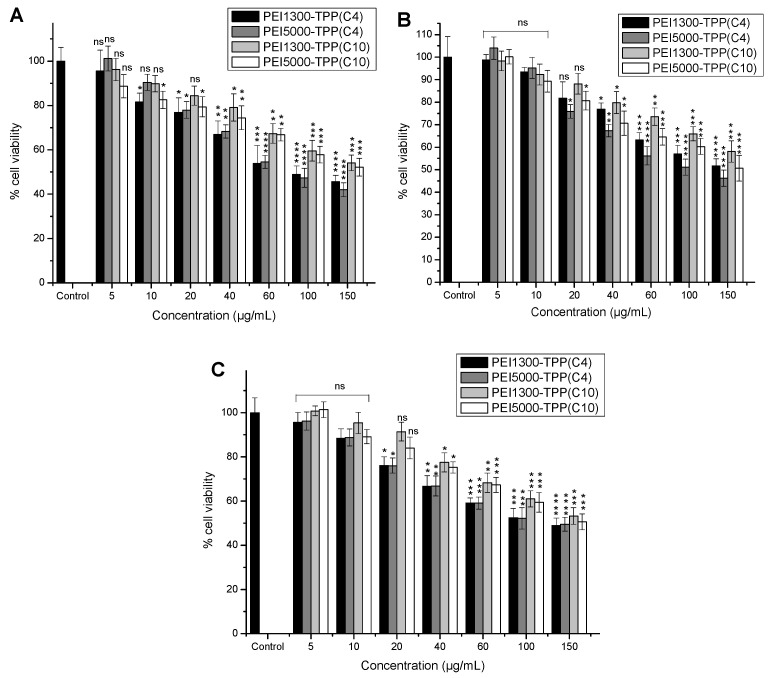 Figure 5
 Figure 6
Peer Reviews
No public reviews on file for this paper yet. If you reviewed it on a platform where reviews are public (OpenReview, ICLR, NeurIPS, ICML), you can paste yours below so the community can read it here.
Videos
No videos yet. Explain this paper in a talk, walkthrough, or lecture? Add one.
Taxonomy
TopicsAntimicrobial agents and applications · Pharmaceutical and Antibiotic Environmental Impacts · Bacterial biofilms and quorum sensing