A Report of a Child with SEC31A-Related Neurodevelopmental Disorder
Ruqaiah AlTassan, Hanan AlQudairy, Biam Saydo, Aseel Alammari, Kelly J. Cardona Londoño, Khushnooda Ramzan, Dilek Colak, Stefan T. Arold, Namik Kaya

TL;DR
This paper reports a third case of a rare neurodevelopmental disorder caused by a mutation in the SEC31A gene, confirming its role in the condition.
Contribution
The study expands the clinical and genetic understanding of SEC31A-related neurodevelopmental disorder by identifying a new patient and analyzing the mutation's effects.
Findings
A homoallelic SEC31A variant (p.Cys453Trp) was identified in a patient with global developmental delay and seizures.
In silico analysis predicted the SEC31A mutation is harmful and disrupts the stability of the coat protein complex II.
PPI network analysis showed SEC31A interacts with SEC13, SEC23A, and SEC23B, suggesting functional roles in cellular processes.
Abstract
SEC31A-related neurodevelopmental disorder (Halperin–Birk syndrome) was recently identified in two siblings who shared the phenotype of profound developmental delay, structural brain defects, spastic quadriplegia with multiple contractures, seizures, dysmorphism, and optic nerve atrophy. Both patients died during childhood. In this study, we identified an additional patient who suffers from global developmental delay and seizures. Genetic analysis inclusive of whole exome and genome sequencing identified a homoallelic variant in the SEC31A (p.Cys453Trp). Various in silico classifiers predicted a deleterious effect of the replacement of cystein with tryptophan at the 453rd position. Protein–protein interaction (PPI) network analysis of SEC31A revealed high-confidence interactions with SEC13, SEC23A, and SEC23B, suggesting potential regulatory roles in these processes. Structural analysis…
Genes, proteins, chemicals, diseases, species, mutations and cell lines named across the full text — each resolved to its canonical identifier and authoritative record.
Click any figure to enlarge with its caption.
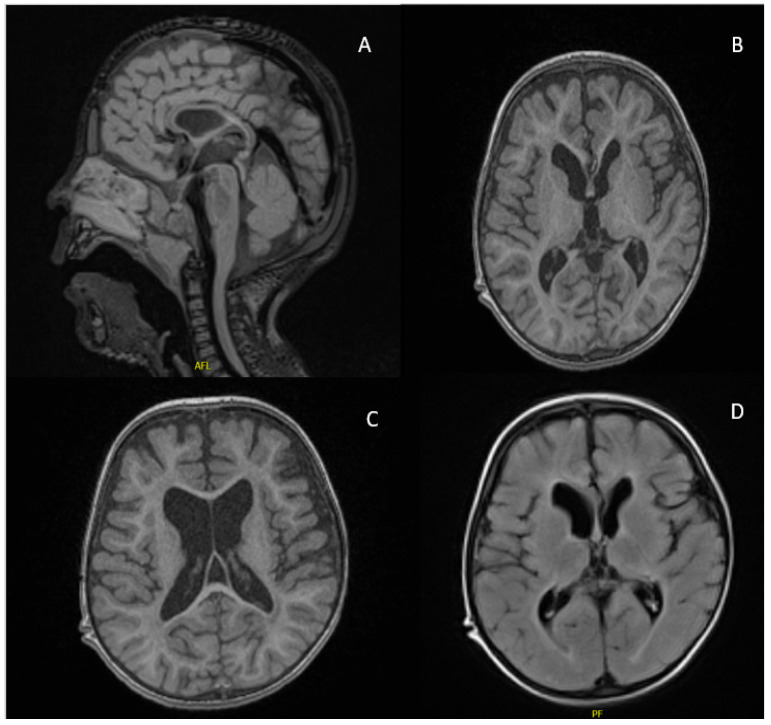 Figure 1
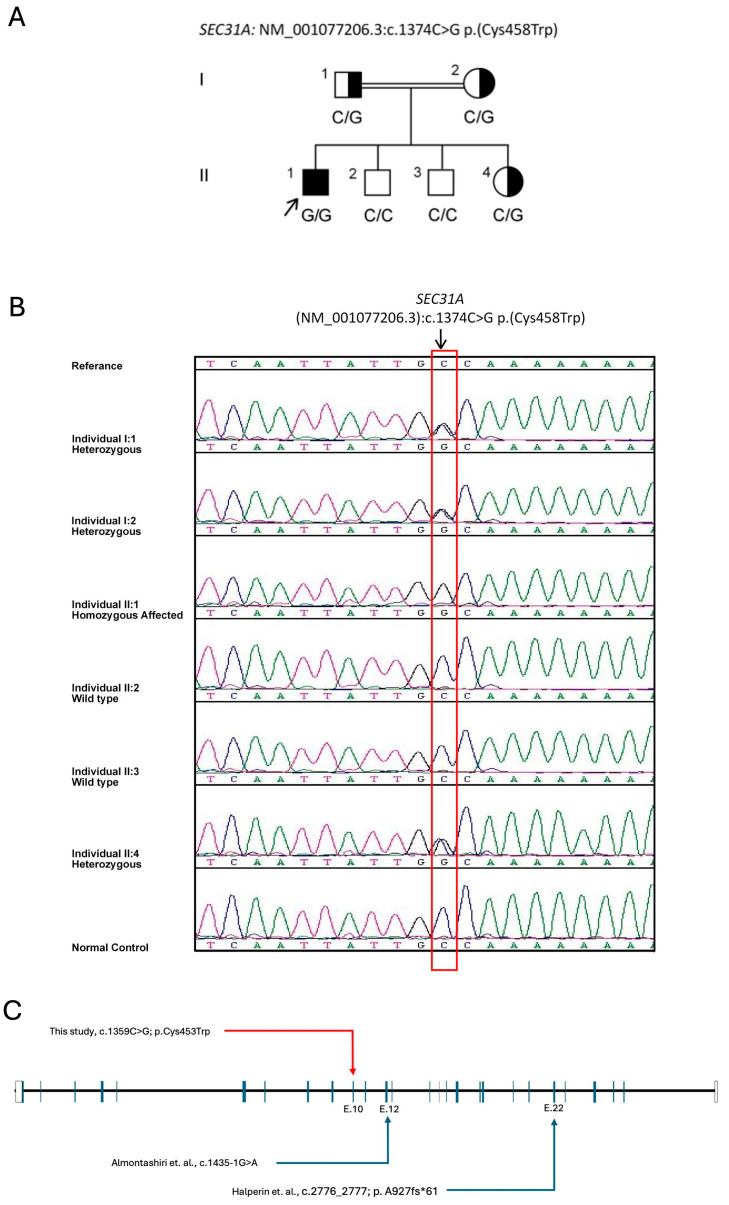 Figure 2
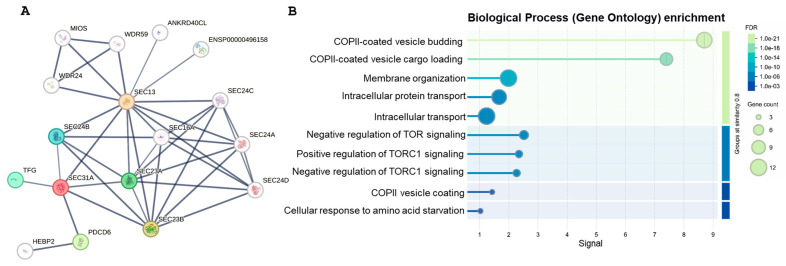 Figure 3
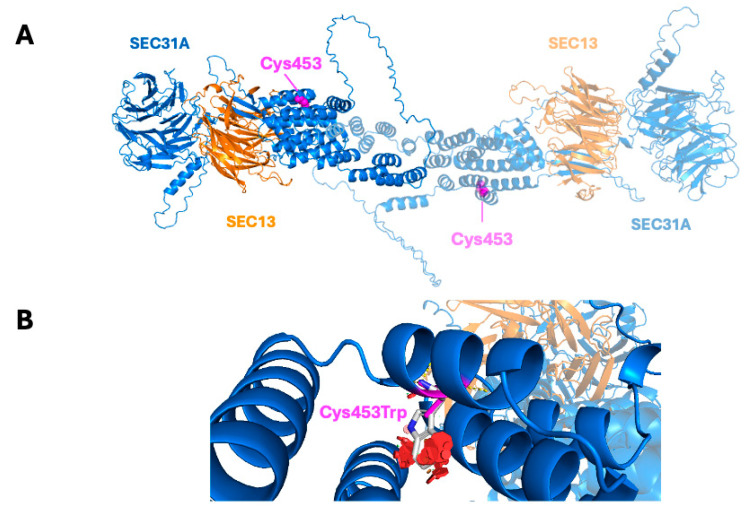 Figure 4
Peer Reviews
No public reviews on file for this paper yet. If you reviewed it on a platform where reviews are public (OpenReview, ICLR, NeurIPS, ICML), you can paste yours below so the community can read it here.
Videos
No videos yet. Explain this paper in a talk, walkthrough, or lecture? Add one.
Taxonomy
TopicsGenetics and Neurodevelopmental Disorders · Genomics and Rare Diseases · Neurogenetic and Muscular Disorders Research