Automated Detection of the Kyphosis Angle Using a Deep Learning Approach: A Cross-Sectional Study on Young Adults
Onur Kocak, Cansel Ficici, Ilknur Ezgi Dogan, Ziya Telatar, Nihan Ozunlu Pekyavas

TL;DR
This study presents a deep learning system to automatically measure thoracic kyphosis in young adults, avoiding radiation and saving time.
Contribution
A deep learning-based automated system for measuring thoracic kyphosis with high reliability is introduced.
Findings
The system achieved intra-class consistency with ICC > 0.95 (p < 0.05).
Internal consistency reliability was measured at Cronbach’s α = 0.947.
The method avoids radiation exposure and reduces measurement time.
Abstract
Objectives: In healthy young adults, thoracic kyphosis can be attributed to a number of factors, including a sedentary lifestyle, stress, poor posture, activity and daily habits, muscle pain, fatigue, and anxiety. In regard to clinical diagnosis and evaluation methods, high-cost radiological measurements and a variety of non-radiological clinical methods are employed. In this study, a decision support system that performs automatic thoracic kyphosis angle measurements has been developed with the objective of avoiding exposure of the human body to radiation and reducing the time required for measurements. Methods: The features were determined with reference to the thoracic kyphosis measurements that were manually marked by the expert on the subjects. The kyphosis angle was calculated by automatically identifying the T1 and T12 points through image segmentation using a convolutional…
Genes, proteins, chemicals, diseases, species, mutations and cell lines named across the full text — each resolved to its canonical identifier and authoritative record.
Click any figure to enlarge with its caption.
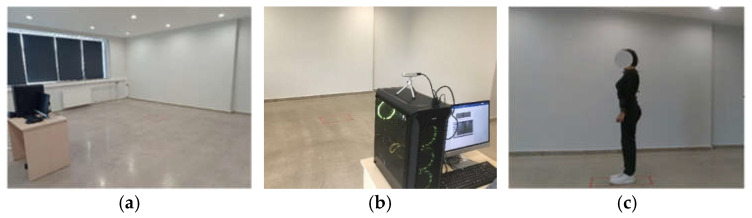 Figure 1
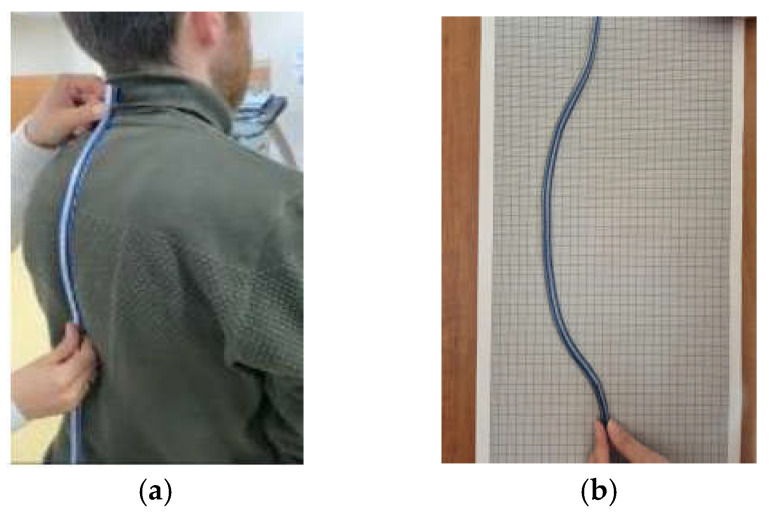 Figure 2
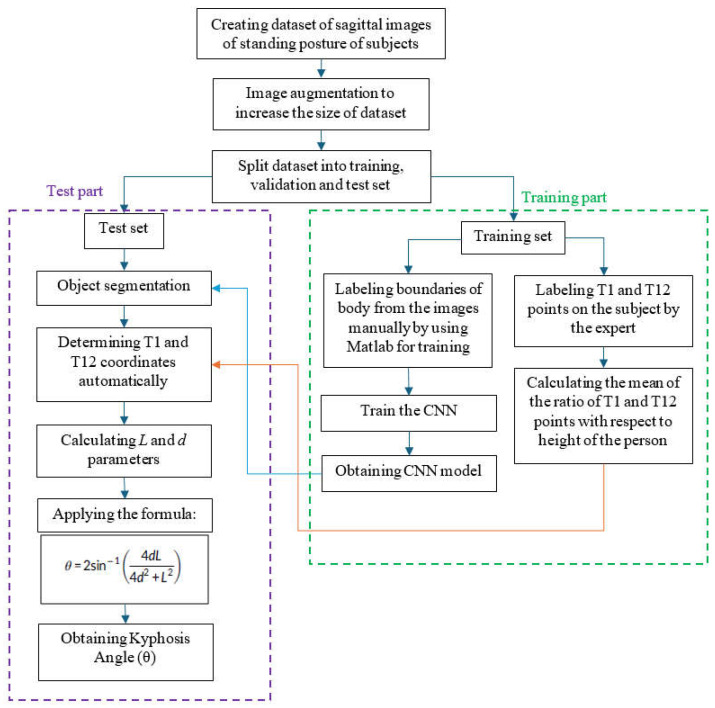 Figure 3
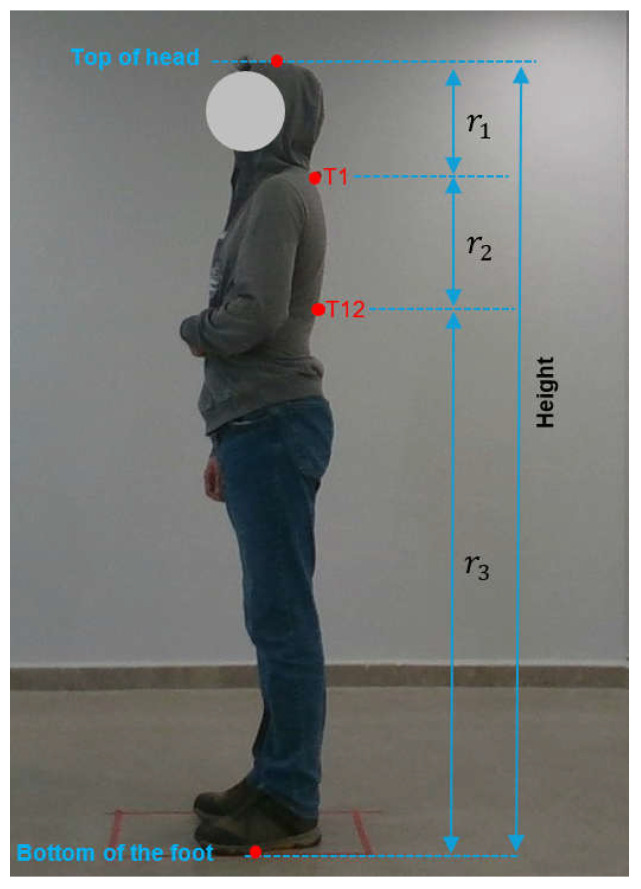 Figure 4
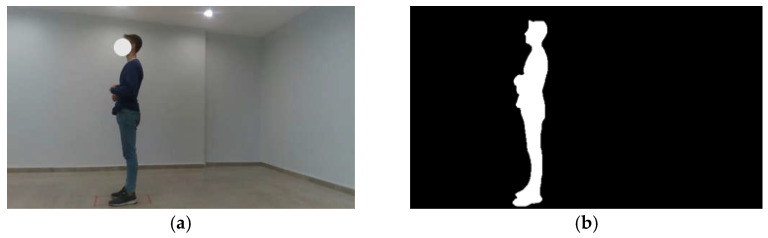 Figure 5
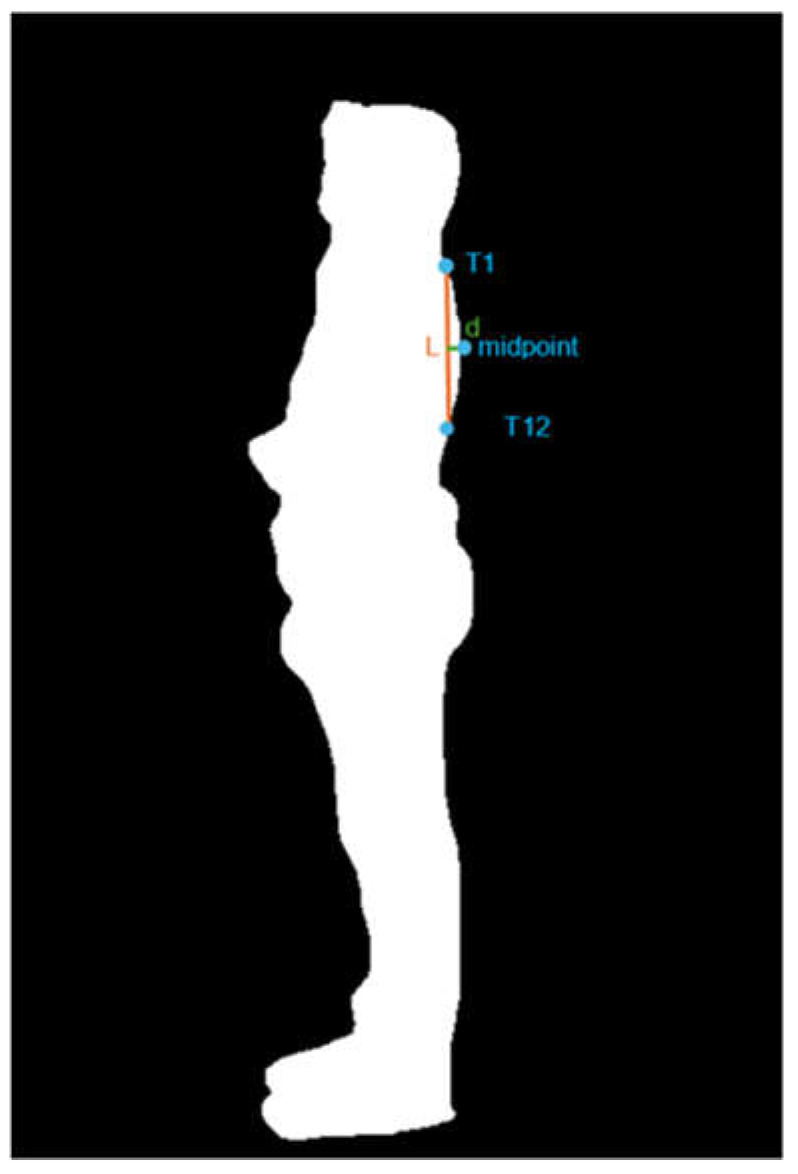 Figure 6
Peer Reviews
No public reviews on file for this paper yet. If you reviewed it on a platform where reviews are public (OpenReview, ICLR, NeurIPS, ICML), you can paste yours below so the community can read it here.
Videos
No videos yet. Explain this paper in a talk, walkthrough, or lecture? Add one.
Taxonomy
TopicsScoliosis diagnosis and treatment · Spinal Fractures and Fixation Techniques · Medical Imaging and Analysis