A Pathophysiologically Hypertrophic 3T3-L1 Cell Model—An Alternative to Primary Cells Isolated from DIO Mice
Isabell Kaczmarek, Kristiana Schüßler, Andreas Lindhorst, Martin Gericke, Doreen Thor

TL;DR
This paper introduces a new 3T3-L1 cell model that mimics the pathophysiological changes in adipocytes seen in obesity, offering an alternative to using primary cells from obese mice.
Contribution
A novel 3T3-L1 cell model is developed to replicate hypertrophic adipocyte features observed in obesity, suitable for functional studies.
Findings
The model shows increased cell size and lipid accumulation compared to standard-differentiated 3T3-L1 cells.
It exhibits reduced insulin sensitivity, lower adiponectin secretion, and increased IL6 and leptin secretion.
The model also displays decreased expression of lipolytic enzymes.
Abstract
Adipocyte hypertrophy in individuals with obesity is connected to alterations in adipocyte function. These pathophysiological changes are studied using animal models and adipose tissue engineering. However, knockdown, overexpression, and stimulation studies would benefit from an easily applicable cell model. Although several models (free fatty acids, glucose restriction, and long-term incubation) have previously been described, our evaluation demonstrated that they lack important features described for hypertrophic adipocytes found in obesity. Therefore, we aimed to develop a cell model depicting the pathophysiological state of adipocytes in obesity by applying novel approaches (insulin, macrophage supernatant, and Tnfα) using 3T3-L1 cells. To analyze changes in adipocyte phenotype and function, we detected the cell size, lipid accumulation, insulin sensitivity, cytokine/adipokine…
Genes, proteins, chemicals, diseases, species, mutations and cell lines named across the full text — each resolved to its canonical identifier and authoritative record.
Click any figure to enlarge with its caption.
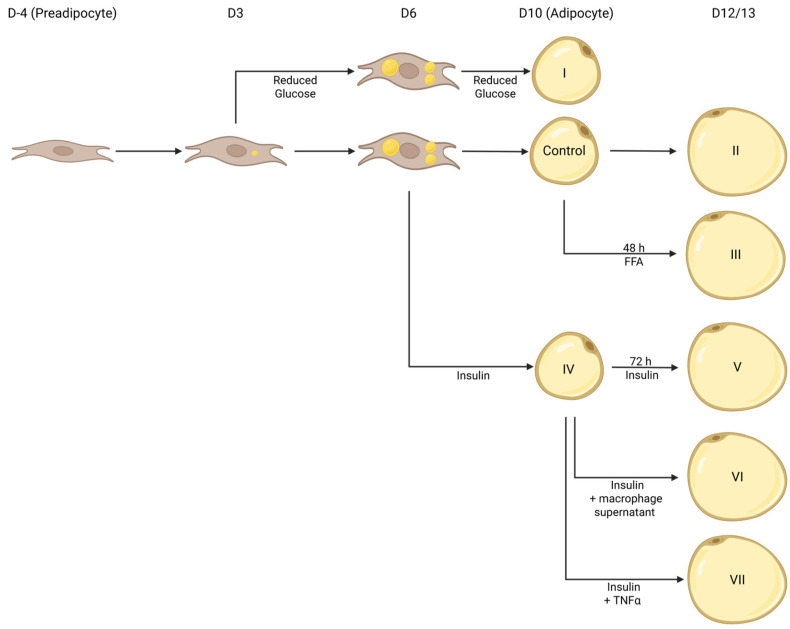 Figure 1
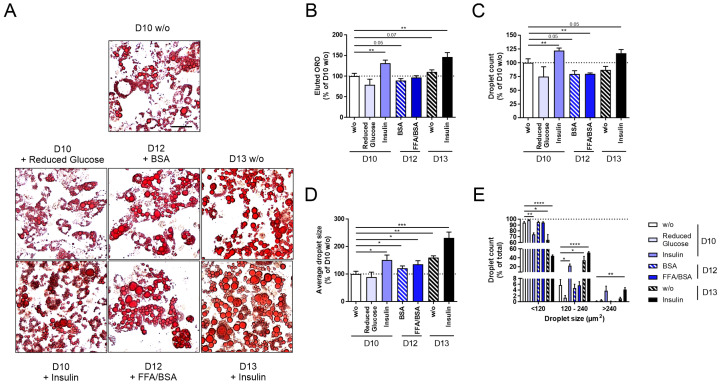 Figure 2
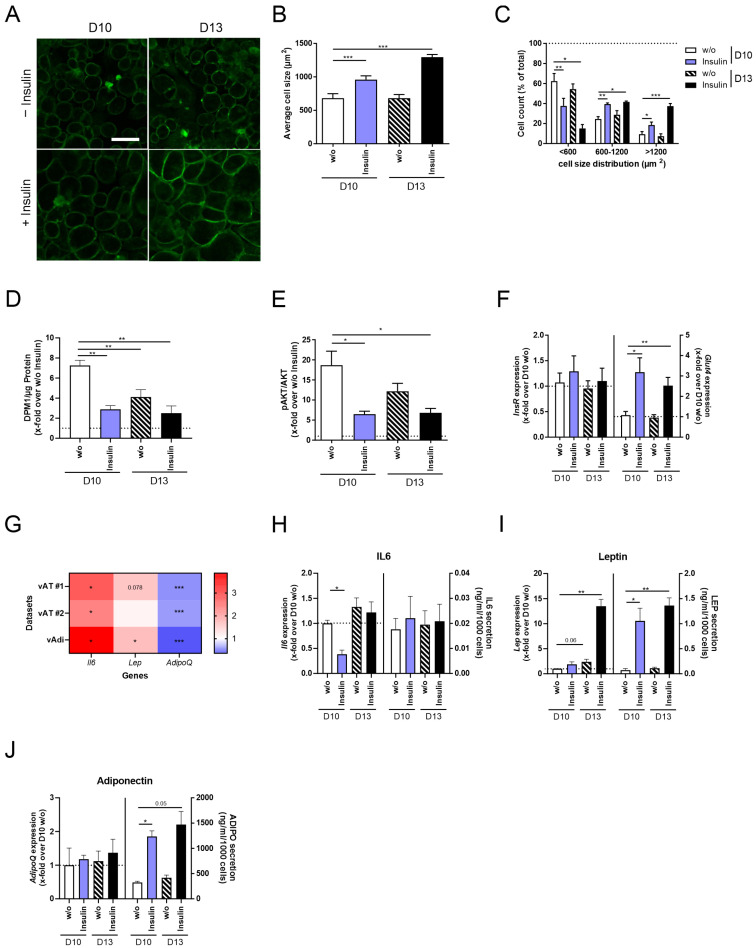 Figure 3
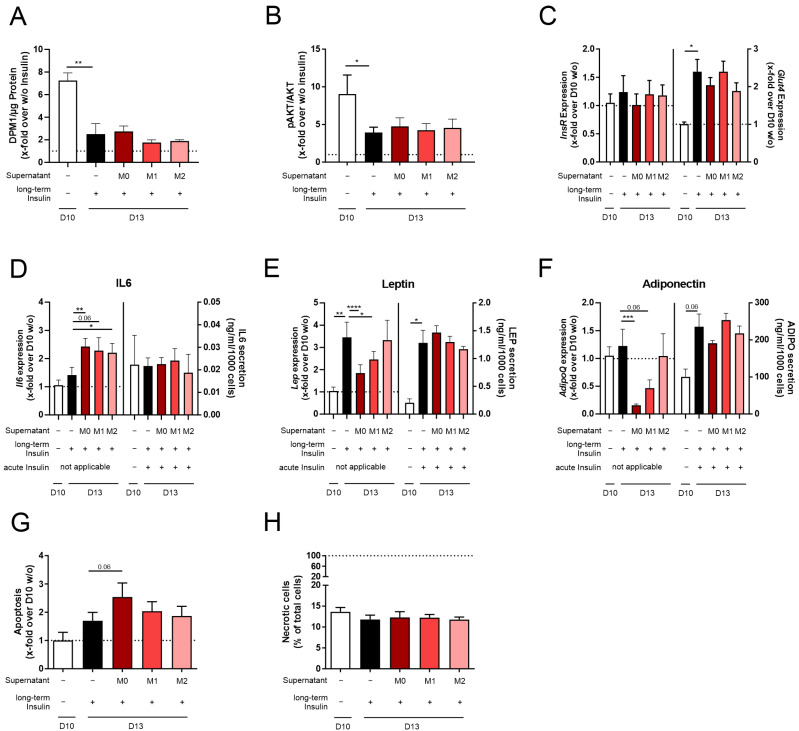 Figure 4
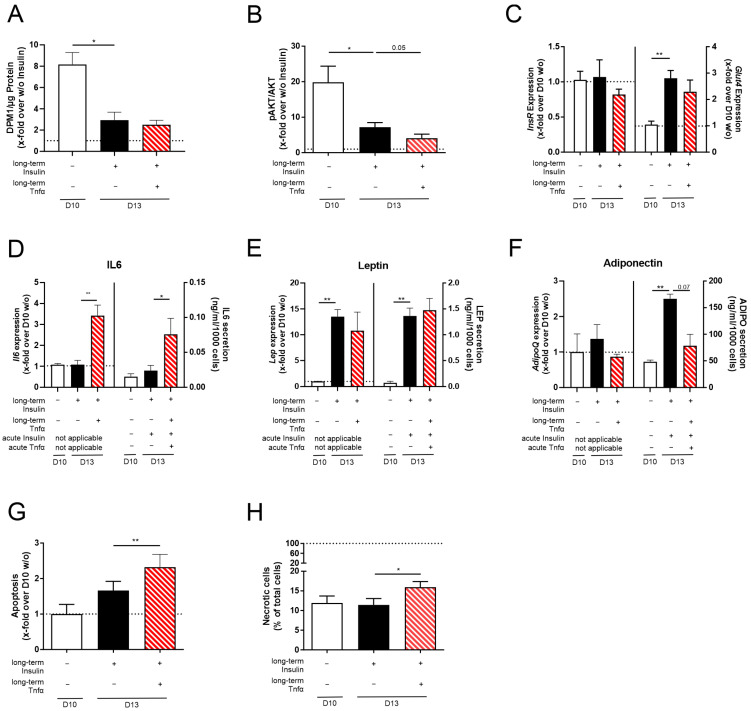 Figure 5
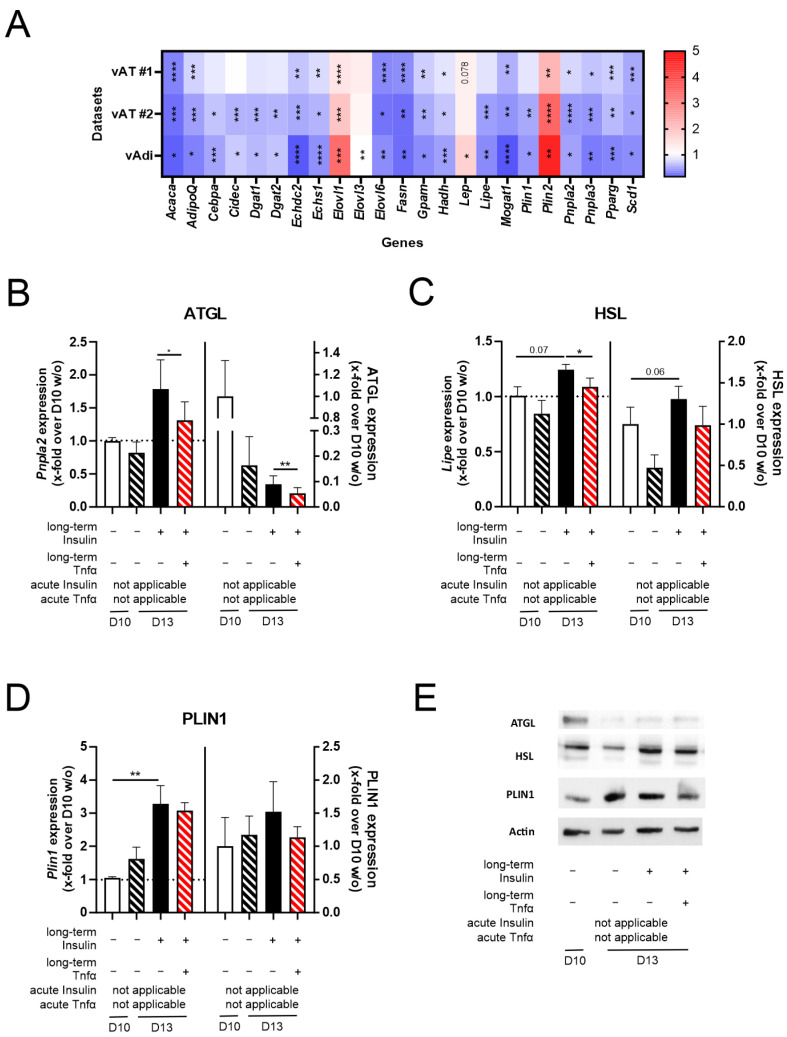 Figure 6
Peer Reviews
No public reviews on file for this paper yet. If you reviewed it on a platform where reviews are public (OpenReview, ICLR, NeurIPS, ICML), you can paste yours below so the community can read it here.
Videos
No videos yet. Explain this paper in a talk, walkthrough, or lecture? Add one.
Taxonomy
TopicsAdipokines, Inflammation, and Metabolic Diseases · Adipose Tissue and Metabolism · Regulation of Appetite and Obesity