Rare missense variants of the leukocyte common antigen related receptor (LAR) display reduced activity in transcellular adhesion and synapse formation
Mathias Kaas, Nicolas Chofflet, Deniz Bicer, Sune Skeldal, Jinjie Duan, Benjamin Feller, Joachim Vilstrup, Rosa Groth, Suganya Sivagurunathan, Hesam Dashti, Jan Skov Pedersen, Thomas Werge, Anders D. Børglum, Beth A. Cimini, Thouis R. Jones, Melina Claussnitzer, Peder Madsen

TL;DR
This study finds rare genetic changes in the LAR receptor that disrupt its function in brain cell connections, potentially linking to psychiatric disorders.
Contribution
The study identifies and characterizes rare missense variants in LAR that impair its synaptic adhesion and function.
Findings
Rare missense variants in LAR destabilize the extracellular domain and increase proteolytic cleavage.
Three variants disrupt the LAR:NGL-3 interaction, leading to loss of transcellular adhesion and synaptogenic effects.
Overexpression of two variants alters neuronal morphology, indicating broad functional consequences.
Abstract
The leukocyte common antigen related receptor (LAR) is a member of the LAR receptor protein tyrosine phosphatase (RPTP) family of synaptic adhesion molecules that contribute to the proper alignment and specialization of synaptic connections in the mammalian brain. LAR-RPTP members have been genetically associated with neuropsychiatric disorders, but the molecular consequences of genetic perturbations of LAR remain unstudied. Using exome sequencing data from psychiatric patients and controls, we identify rare missense variants of LAR that render the extracellular domain (ECD) unstable and susceptible to proteolytic cleavage. Using recombinant and cellular systems, we describe three variants that cause disruption of the LAR:NGL-3 interaction, which results in loss of transcellular adhesion and synaptogenic effects. Furthermore, we show that overexpression of two of these variants elicit…
Genes, proteins, chemicals, diseases, species, mutations and cell lines named across the full text — each resolved to its canonical identifier and authoritative record.
Click any figure to enlarge with its caption.
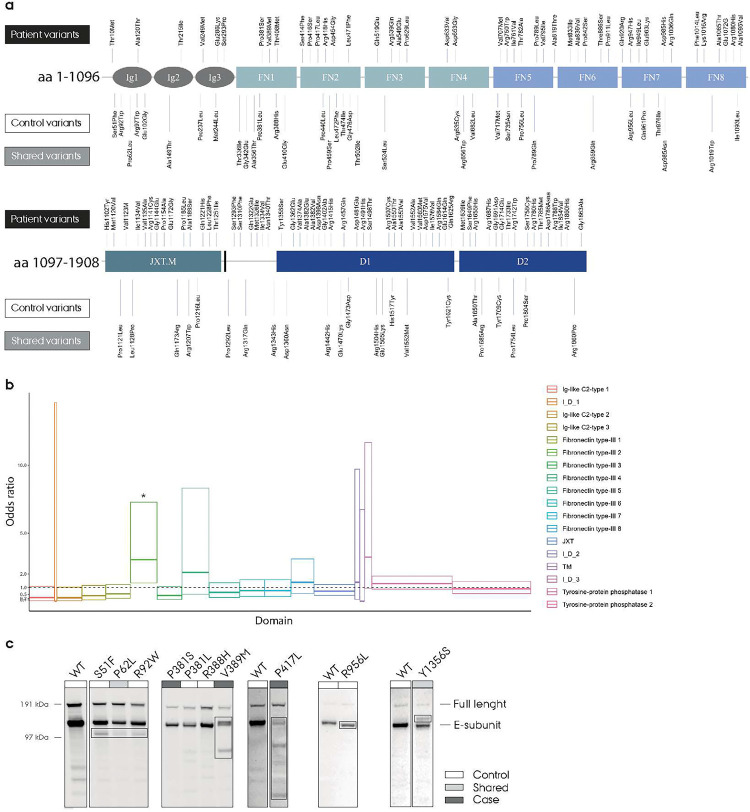 Figure 1
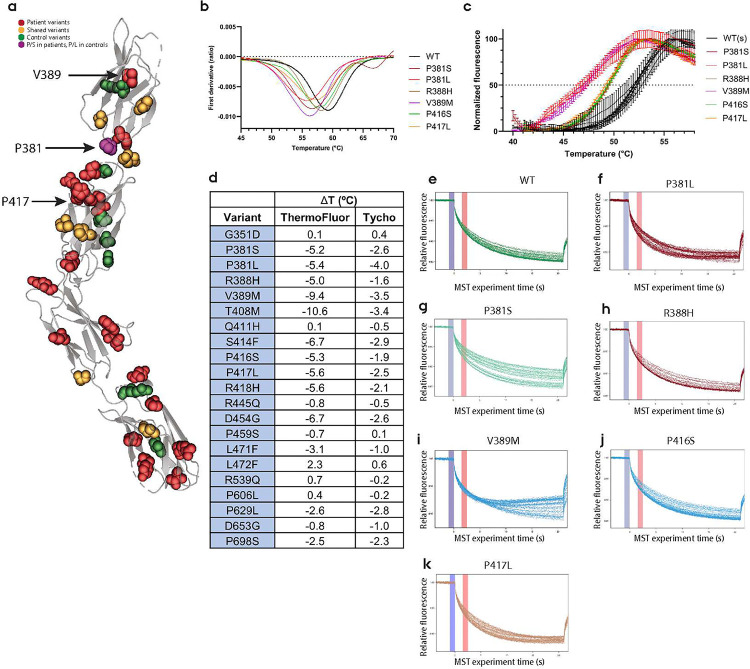 Figure 2
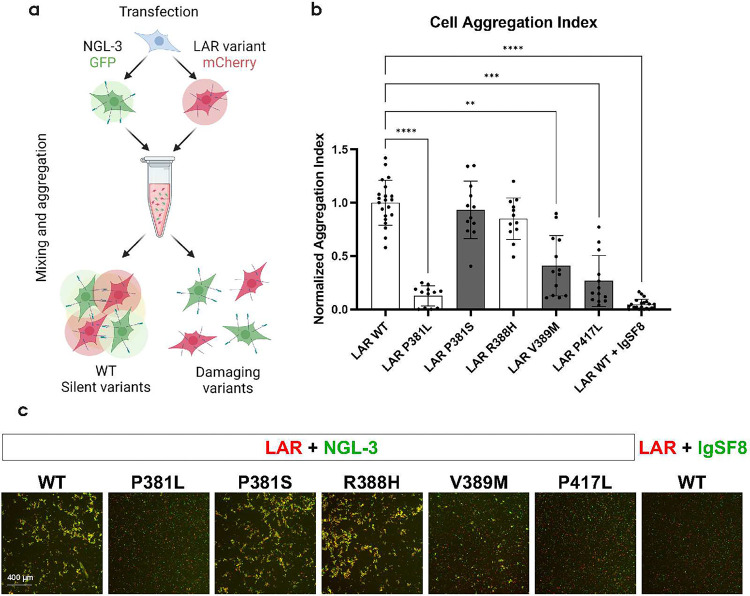 Figure 3
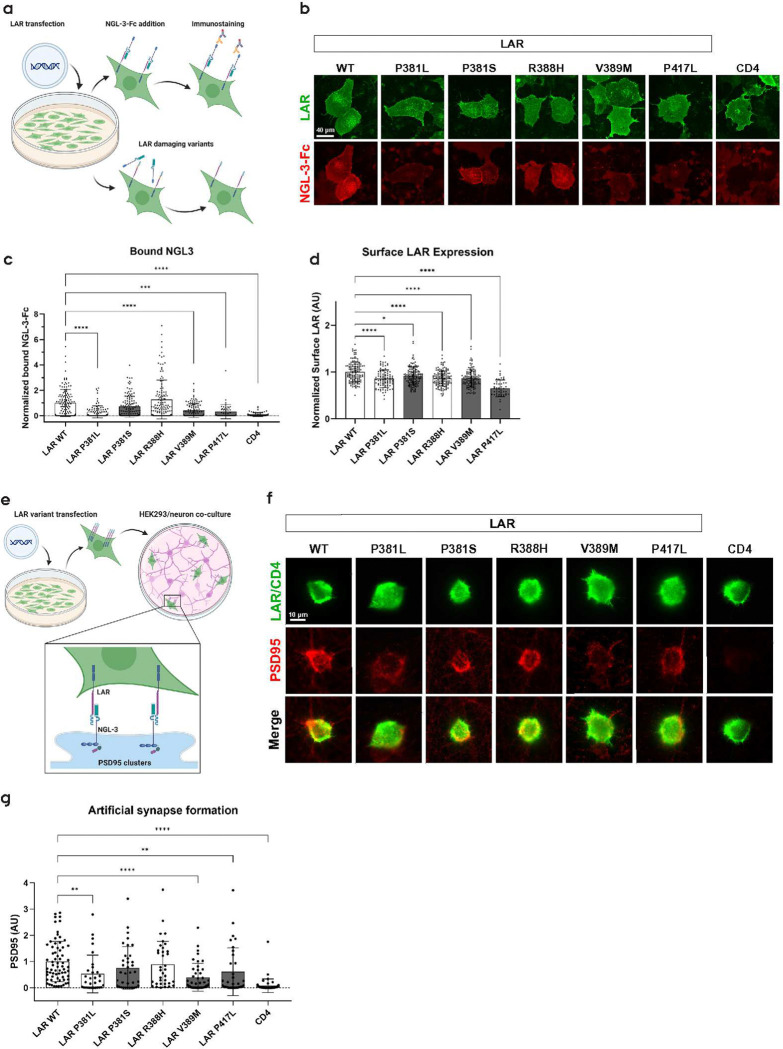 Figure 4
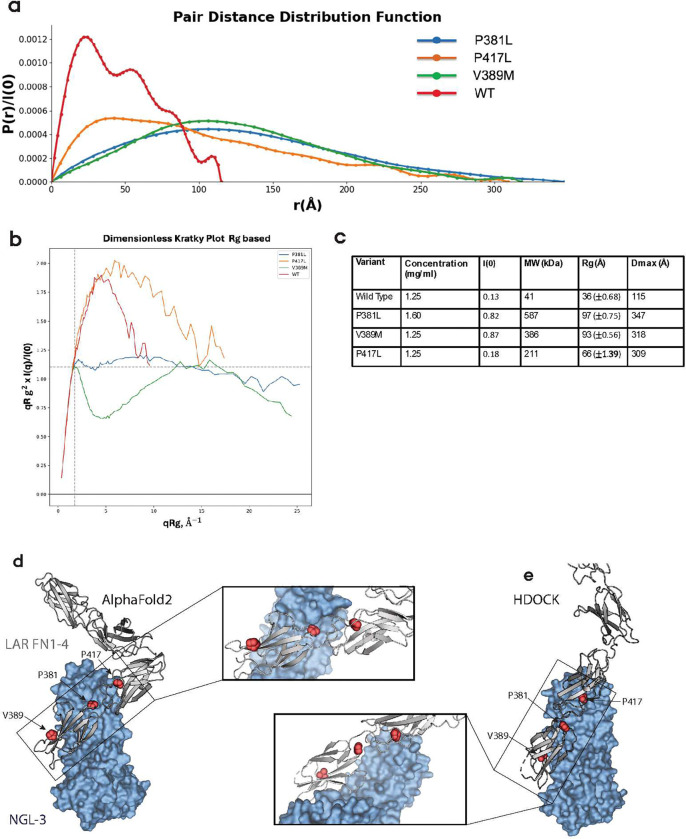 Figure 5
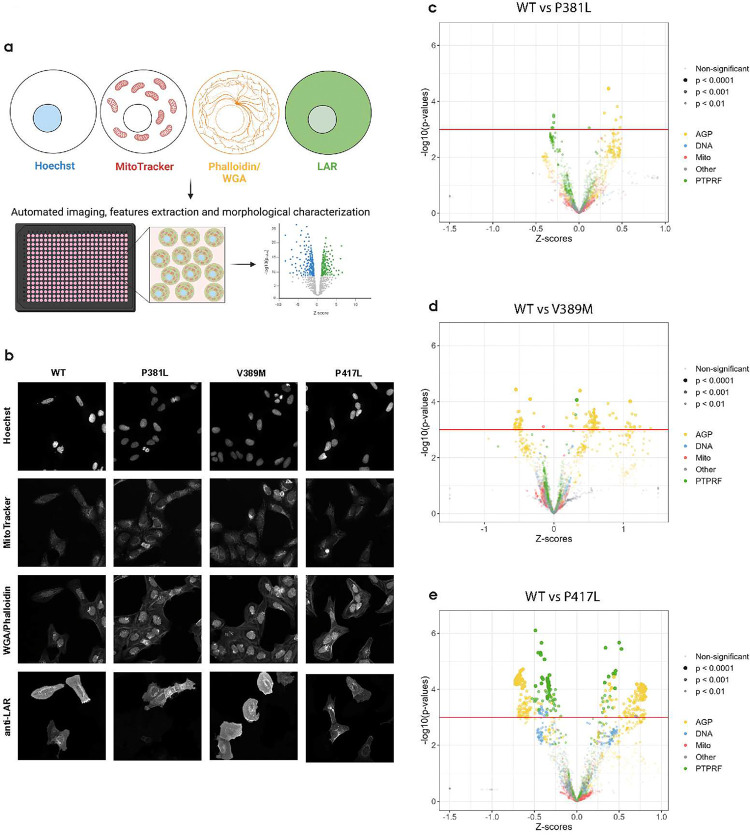 Figure 6
Peer Reviews
No public reviews on file for this paper yet. If you reviewed it on a platform where reviews are public (OpenReview, ICLR, NeurIPS, ICML), you can paste yours below so the community can read it here.
Videos
No videos yet. Explain this paper in a talk, walkthrough, or lecture? Add one.
Taxonomy
TopicsCell Adhesion Molecules Research · Monoclonal and Polyclonal Antibodies Research · Blood disorders and treatments