Neuroinflammation in an optimized model of lysophosphatidic acid (LPA)-induced post-hemorrhagic hydrocephalus
Paloma Sánchez-Pavón, Carter R. Palmer, Christine S. Liu, Valerie P. Tan, Victoria A. Blaho, Jerold Chun

TL;DR
This study explores how neuroinflammation contributes to post-hemorrhagic hydrocephalus in a mouse model and identifies microglial pathways as potential treatment targets.
Contribution
The study introduces an optimized mouse model of PHH and identifies microglial pathways as novel therapeutic targets.
Findings
Transcriptomic and proteomic features of PHH in mice mirror those in human disease.
Pharmacological microglia depletion reduces ventriculomegaly in PHH.
Microglial and neurovascular elements are implicated in PHH progression.
Abstract
Post-hemorrhagic hydrocephalus (PHH) is a neurological disease that primarily affects premature infants and involves infiltration of blood into the brain’s ventricles followed by excessive accumulation of cerebrospinal fluid (CSF), leading to ventricular enlargement and increased intracranial pressure. The precise mechanisms driving PHH development and persistence are incompletely understood and lack disease-modifying treatments. Using a mouse model of PHH, we have identified transcriptomic, proteomic, and cellular features of PHH involving neuroimmune and neurovascular alterations recapitulating those reported in human disease. Improvement upon a lysophosphatidic acid (LPA)-induced PHH mouse model was combined with unbiased proteomic and single-nucleus transcriptomics that identified microglial molecular pathways propagating PHH. Pharmacological depletion of microglia in vivo…
Genes, proteins, chemicals, diseases, species, mutations and cell lines named across the full text — each resolved to its canonical identifier and authoritative record.
Click any figure to enlarge with its caption.
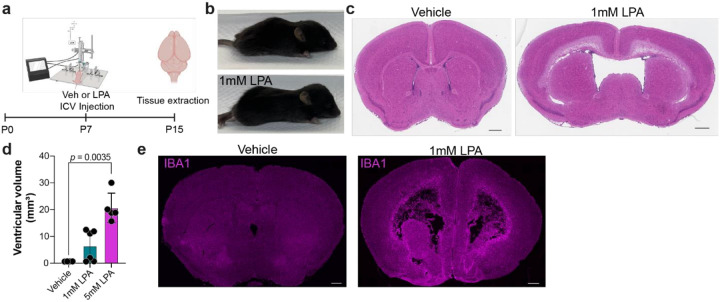 Figure 1
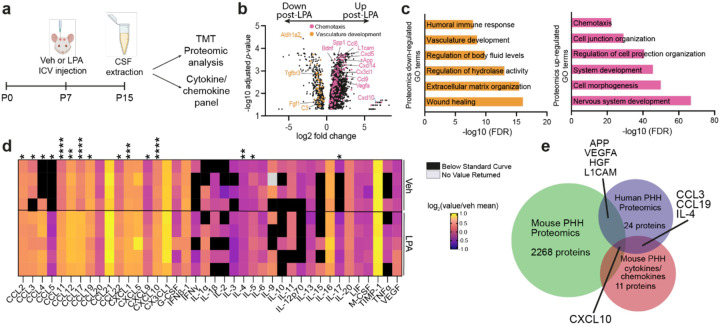 Figure 2
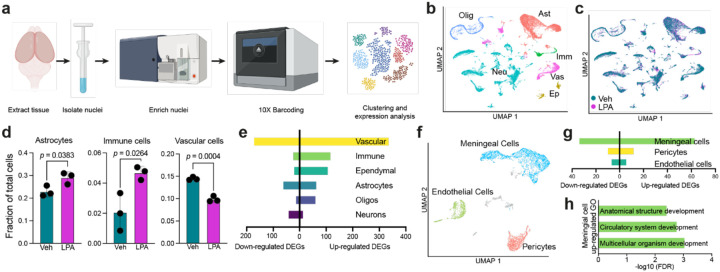 Figure 3
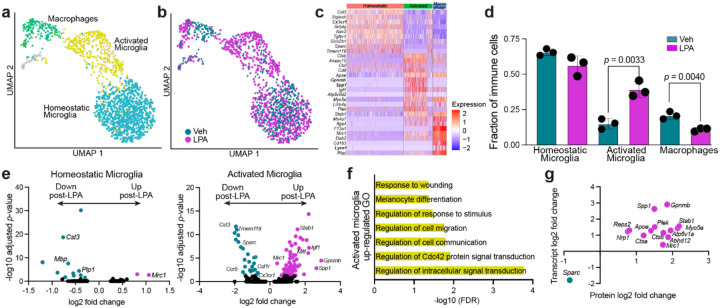 Figure 4
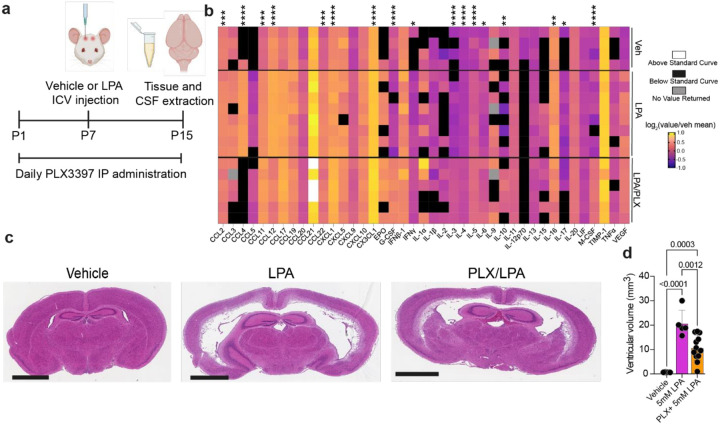 Figure 5
Peer Reviews
No public reviews on file for this paper yet. If you reviewed it on a platform where reviews are public (OpenReview, ICLR, NeurIPS, ICML), you can paste yours below so the community can read it here.
Videos
No videos yet. Explain this paper in a talk, walkthrough, or lecture? Add one.
Taxonomy
TopicsCerebrospinal fluid and hydrocephalus · Sphingolipid Metabolism and Signaling · Neonatal Respiratory Health Research