Disruption of YY1-mediated super-enhancer–promoter looping drives transcriptomic changes during mammalian stem-cell aging
Luyang Sun, Brenna S. McCauley, Haiying Liu, Xueqian Chen, Weiwei Dang

TL;DR
This study shows that YY1 helps maintain gene activity in stem cells by stabilizing DNA loops, and its loss during aging disrupts these loops, leading to functional decline.
Contribution
The study identifies YY1 as a critical factor in maintaining super-enhancer-promoter loops during stem-cell aging.
Findings
YY1 is highly enriched at super-enhancers and promoters in young stem cells but is depleted in aged cells.
Loss of YY1 correlates with weakened DNA loops and age-related gene expression changes.
YY1 knockdown in young cells mimics the gene expression patterns seen in aged cells.
Abstract
Stem-cell aging leads to a progressive decline in self-renewal and differentiation. How changes in chromatin architecture shape the gene-expression program underlying this loss of function remains incompletely understood. Here, we integrate transcriptomic, epigenomic, and Hi-C data from young and in-vitro-aged human mesenchymal stem cells (MSCs) to map super-enhancer–promoter (SE–promoter) loops and trace how they rewire during aging. SE target genes are enriched for Gene Ontology terms central to MSC identity and are disproportionately represented among age-regulated transcripts, suggesting that altered SE activity contributes to functional decline. YY1 is highly enriched at both promoters and SEs in young cells but is depleted from these loci in old cells. Loss of YY1 coincides with weakened Hi-C contacts, and YY1 knockdown in young MSCs recapitulates age-associated expression…
Genes, proteins, chemicals, diseases, species, mutations and cell lines named across the full text — each resolved to its canonical identifier and authoritative record.
Click any figure to enlarge with its caption.
 Figure 1
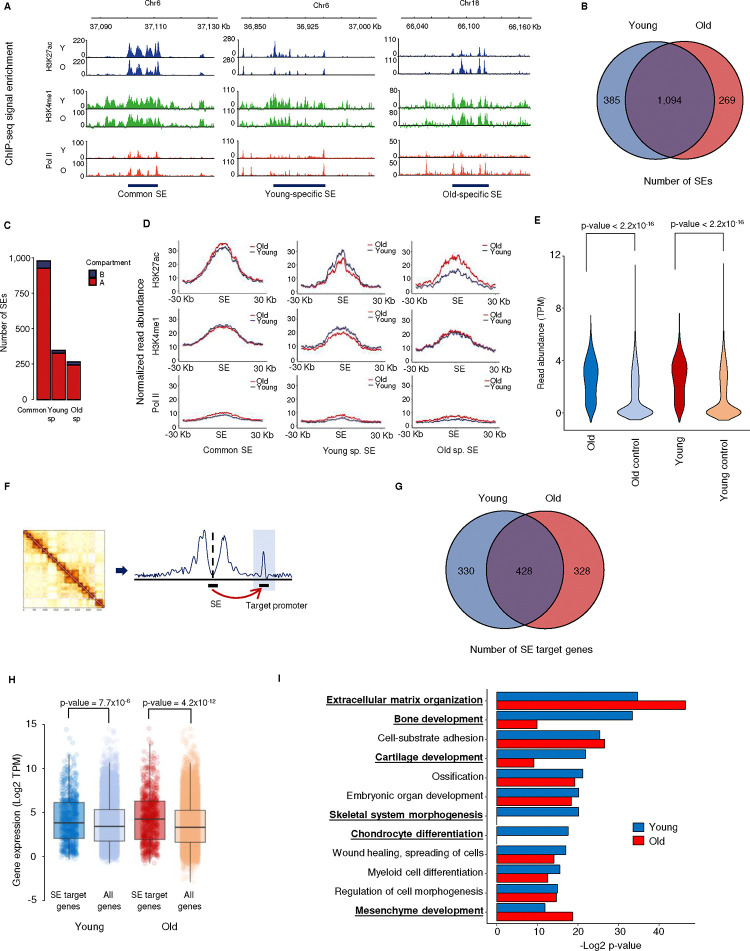 Figure 2
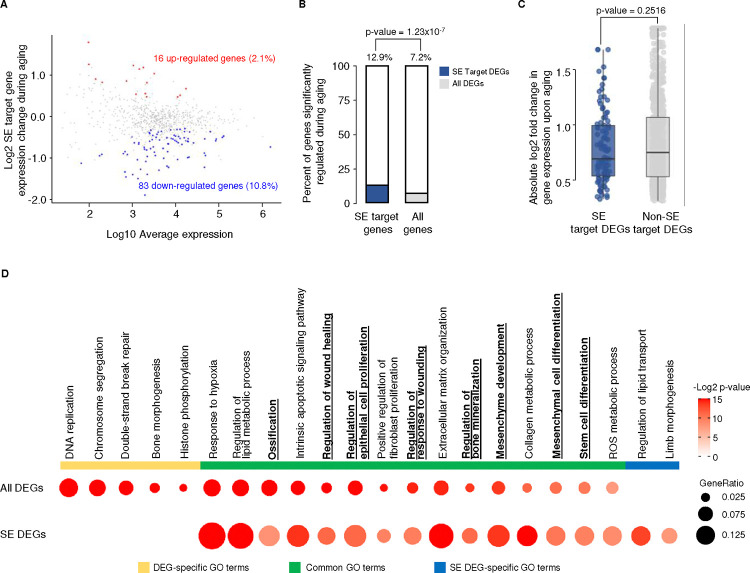 Figure 3
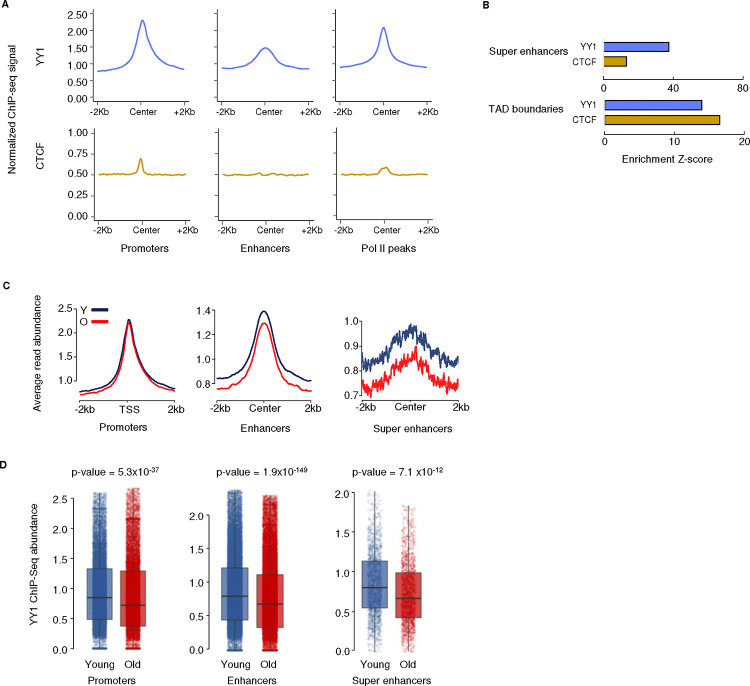 Figure 4
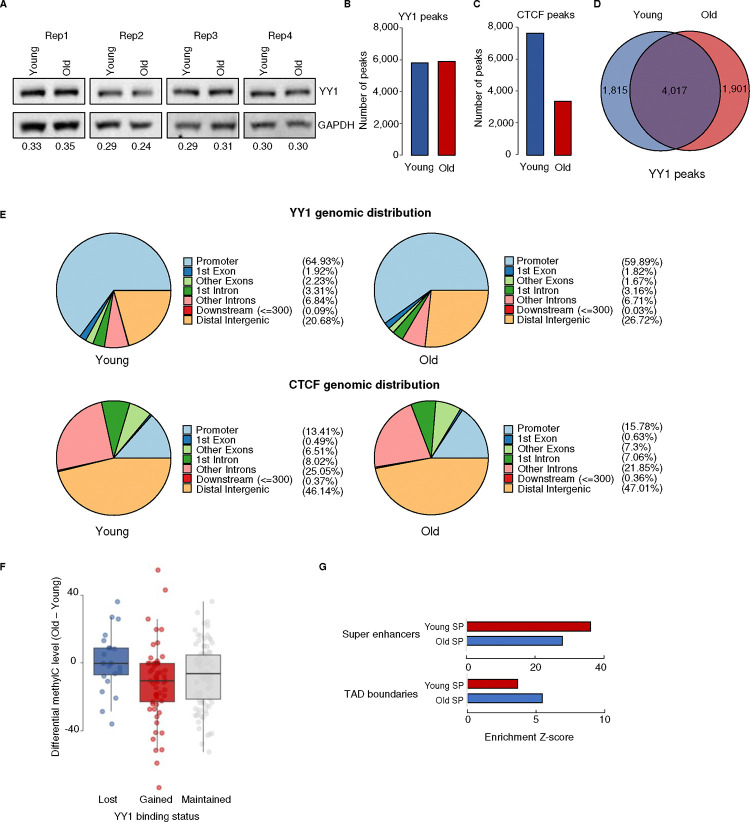 Figure 5
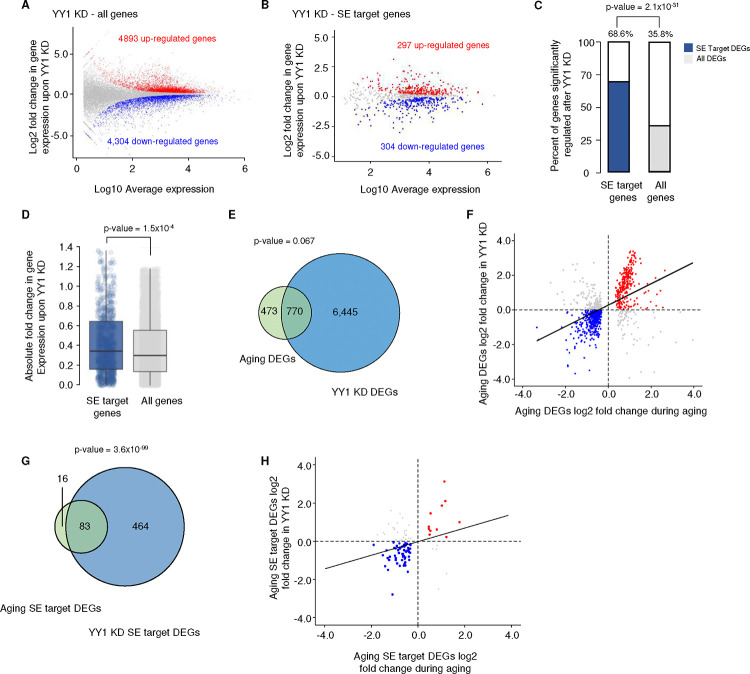 Figure 6
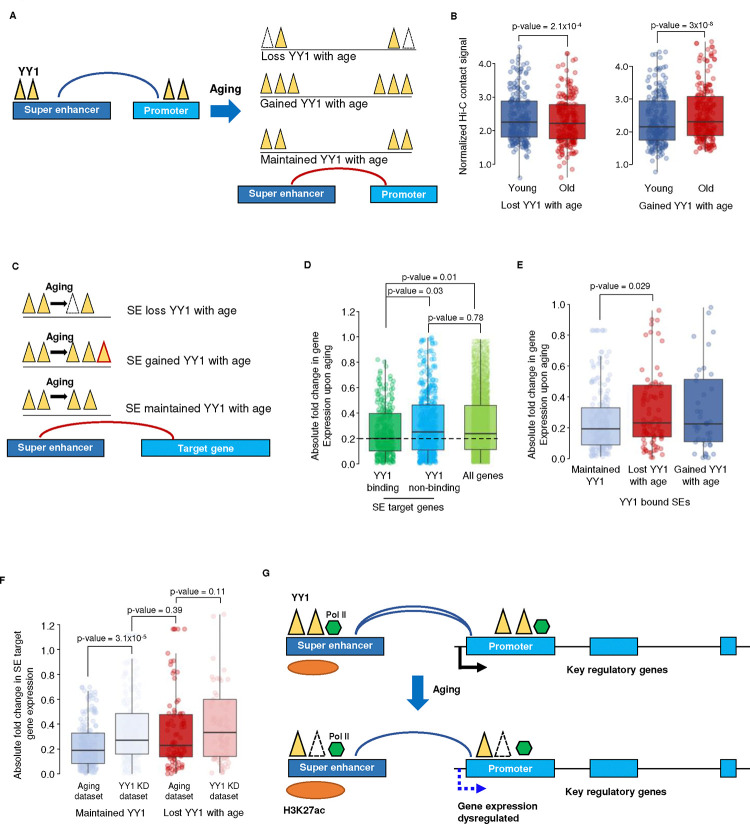 Figure 7
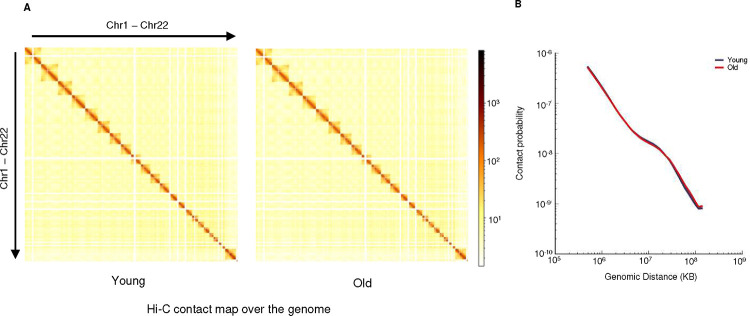 Figure 8
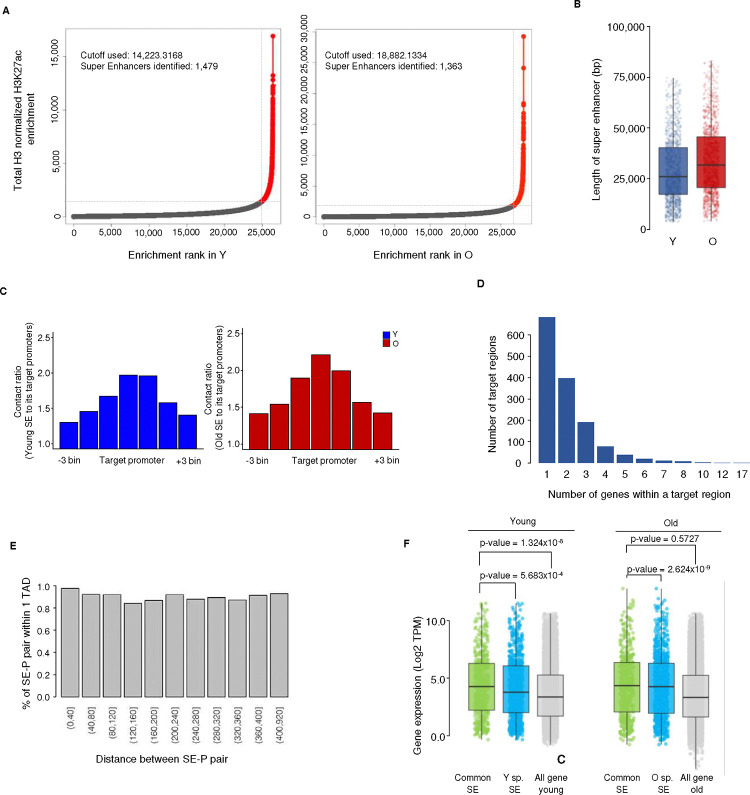 Figure 9
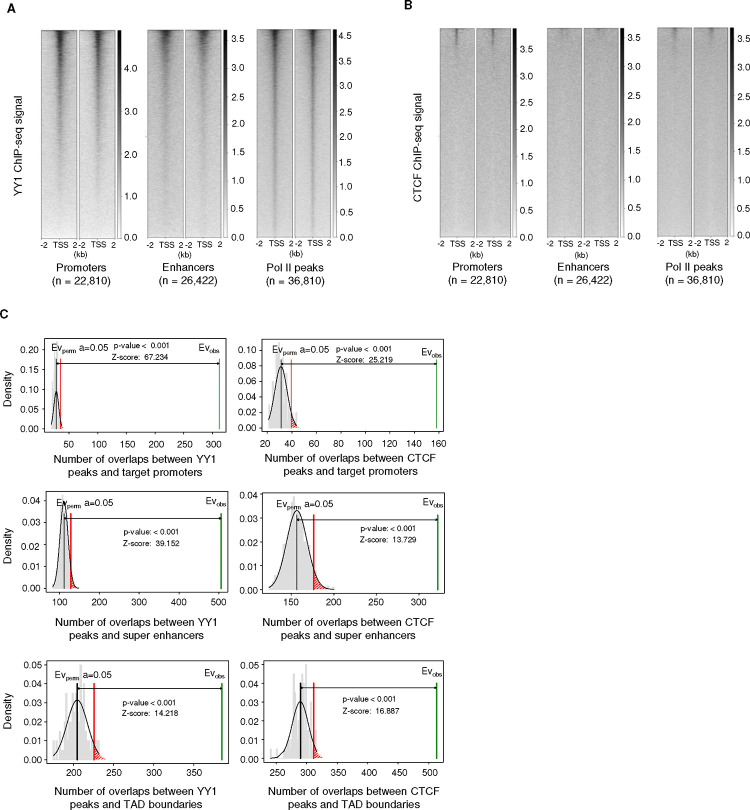 Figure 10
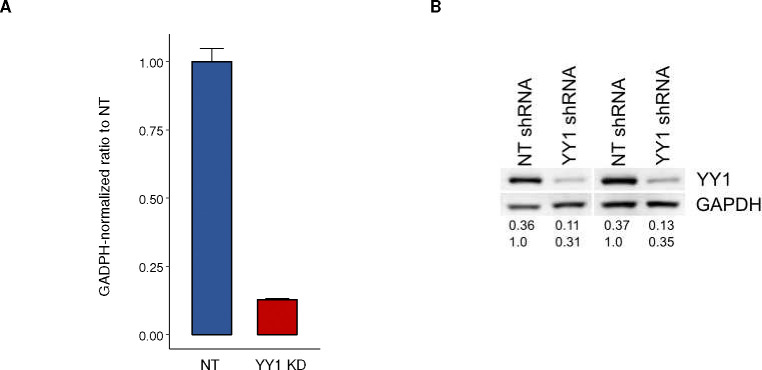 Figure 11
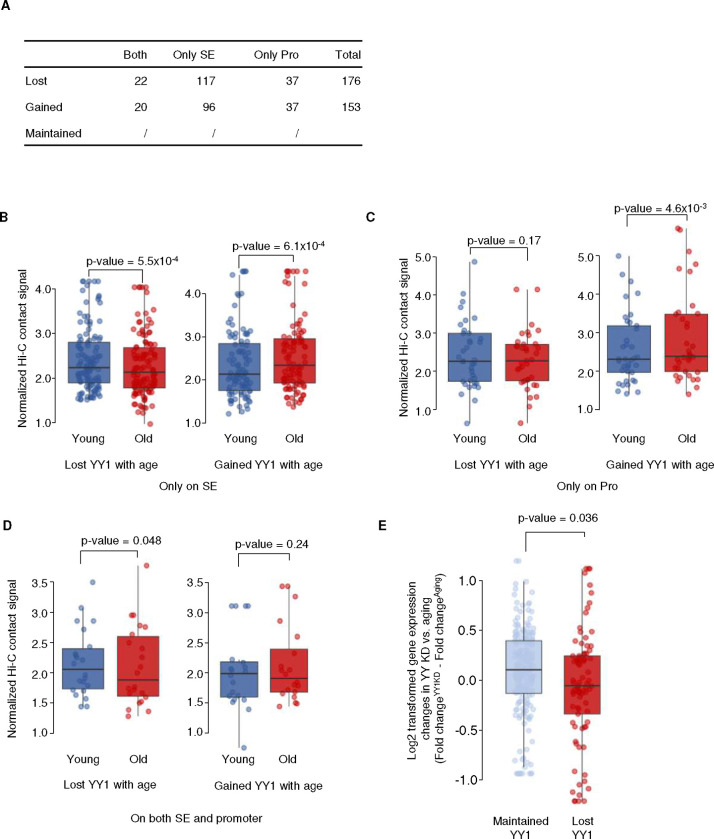 Figure 12
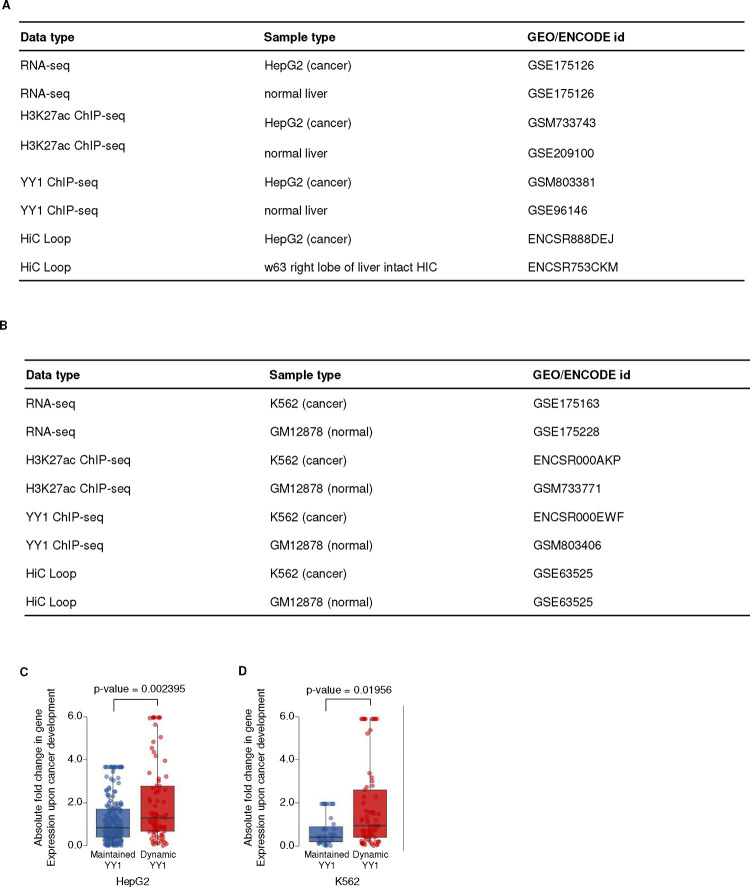 Figure 13
Peer Reviews
No public reviews on file for this paper yet. If you reviewed it on a platform where reviews are public (OpenReview, ICLR, NeurIPS, ICML), you can paste yours below so the community can read it here.
Videos
No videos yet. Explain this paper in a talk, walkthrough, or lecture? Add one.
Taxonomy
TopicsEpigenetics and DNA Methylation · Cancer-related gene regulation