Subcutaneous Adipose Tissue-Secreted Proteins as Endocrine Regulators of Physical and Cognitive Function in Older Adults
Lauren Sparks, Cheehoon Ahn, Ian Tamburini, James Sanford, Mingqi Zhou, Farah Gamie, Reichelle Yeo, Carlos Viesi, Maria Pino, Katie Whytock, Lauren Oberlin, Theresa Mau, Joshua Adkins, Jamie Justice, Ashlee Wood, Zana Ross, Paul Piehowski, Chelsea Hutchinson Bunch

TL;DR
This study explores how proteins secreted by abdominal fat in older adults influence muscle and cognitive function, revealing new molecular links to aging-related decline.
Contribution
The study identifies novel ASAT-secreted proteins and gene clusters associated with physical and cognitive performance in older adults.
Findings
ASAT inflammation and secreted immunoglobulins are linked to physical and cognitive performance limitations in aging.
Secreted SERPINF1 negatively regulates skeletal muscle contraction and may induce heart inflammation.
Proteins like NID2 and APOA4 mediate ASAT crosstalk with muscle and brain in silico.
Abstract
Declines in skeletal muscle and cognitive function in older adults have been linked to abnormalities in abdominal subcutaneous adipose tissue (ASAT), yet the underlying molecular mediators remain poorly understood. Here, leveraging ASAT transcriptomics and explant-conditioned media proteomics from participants in the Study of Muscle, Mobility and Aging (SOMMA; age ≥70 years, n = 229), we identified ASAT gene clusters and secreted proteins strongly associated with comprehensive assessments of physical and cognitive function in older adults. ASAT inflammation and secreted immunoglobulins were identified as key signatures of aging-associated physical and cognitive performance limitations. Systems genetics analysis confirmed secreted-SERPINF1 as a negative regulator of skeletal muscle contraction and highlighted its potential role in inducing inflammation in the heart in silico.…
Genes, proteins, chemicals, diseases, species, mutations and cell lines named across the full text — each resolved to its canonical identifier and authoritative record.
Click any figure to enlarge with its caption.
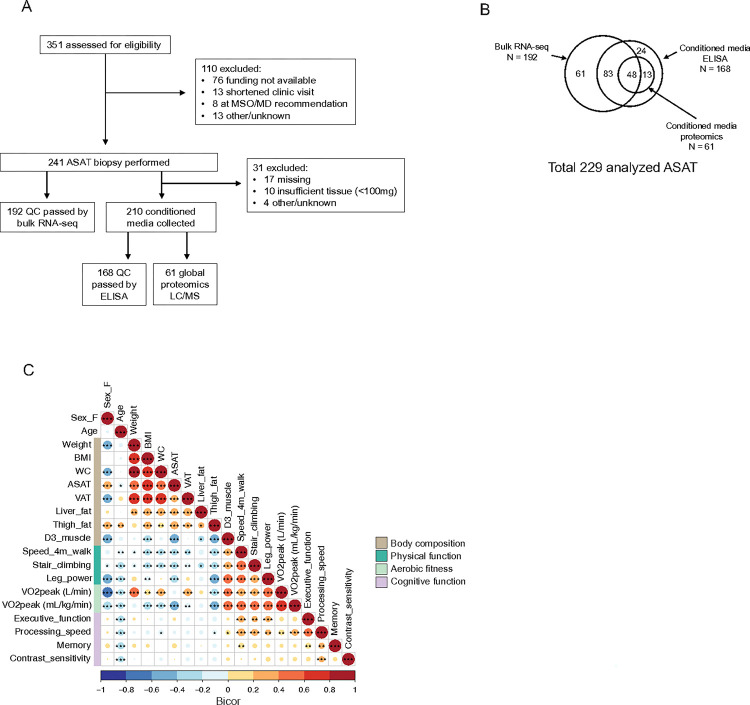 Figure 1
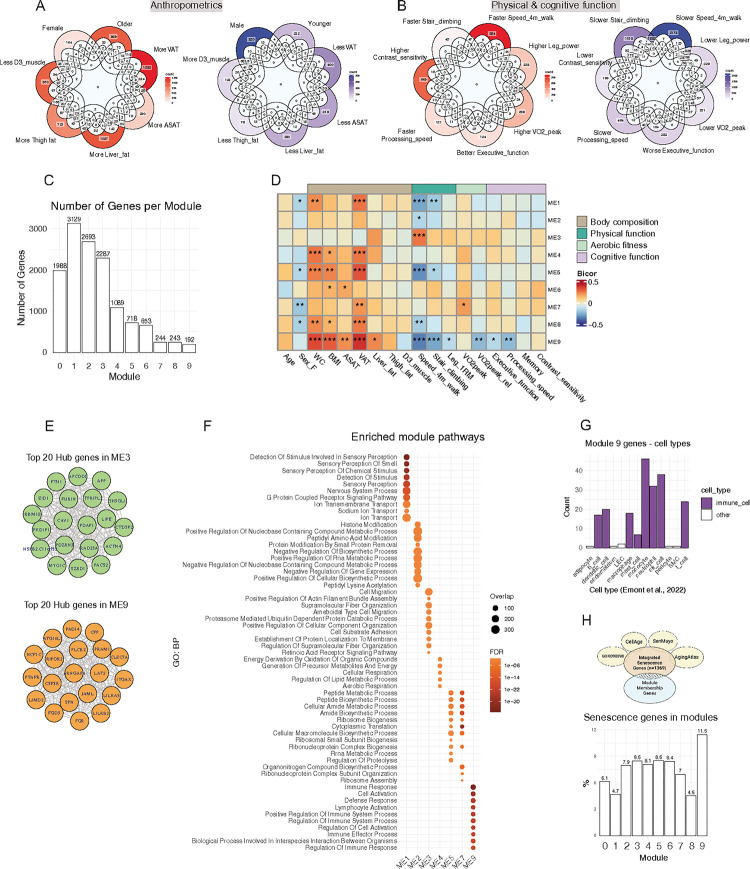 Figure 2
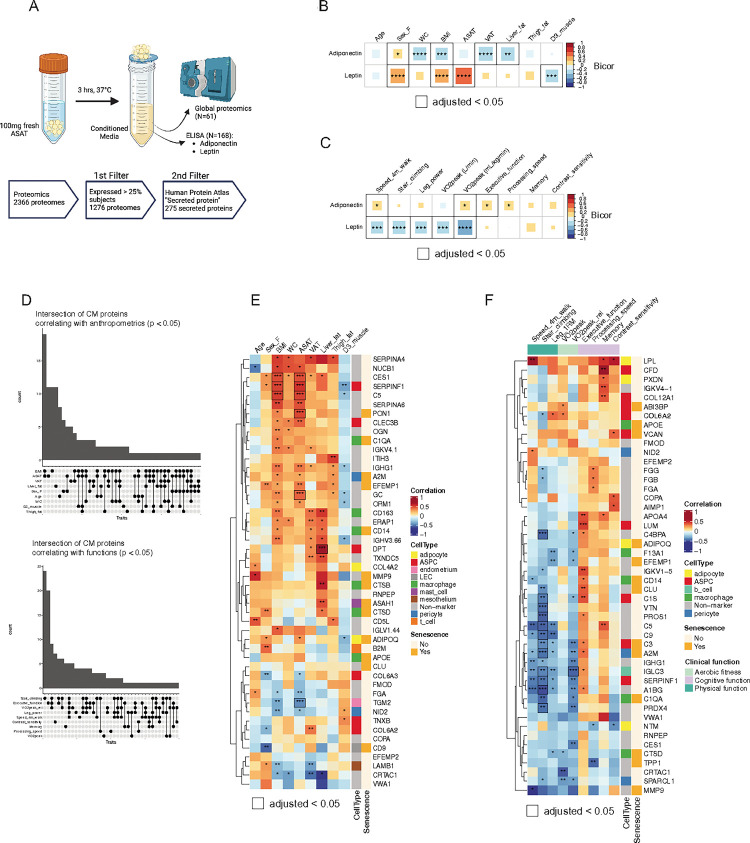 Figure 3
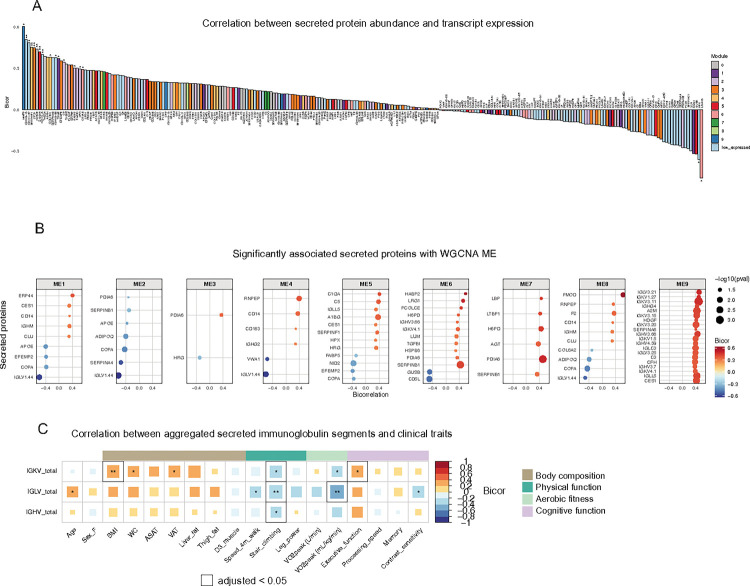 Figure 4
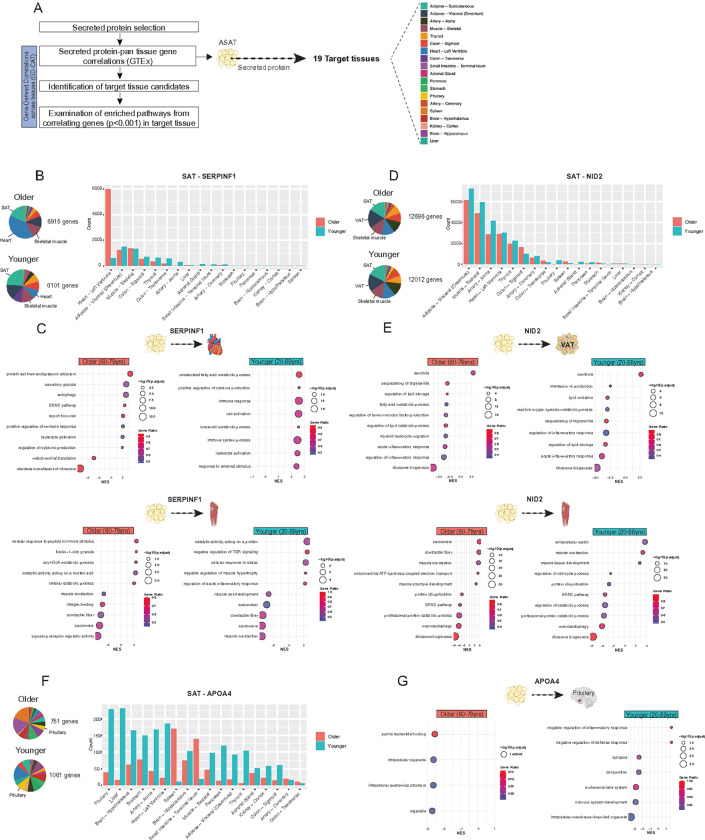 Figure 5
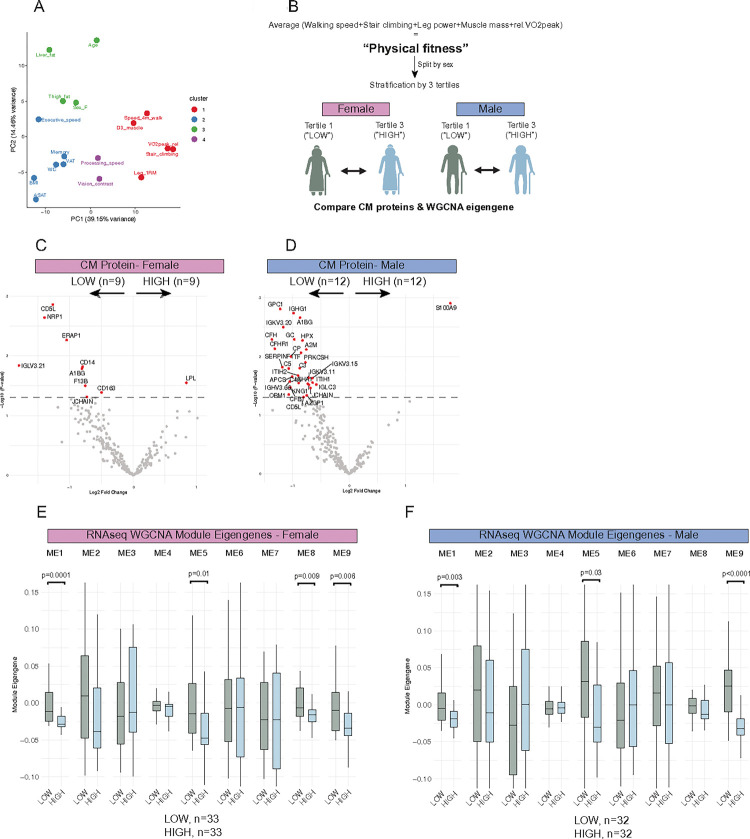 Figure 6
Peer Reviews
No public reviews on file for this paper yet. If you reviewed it on a platform where reviews are public (OpenReview, ICLR, NeurIPS, ICML), you can paste yours below so the community can read it here.
Videos
No videos yet. Explain this paper in a talk, walkthrough, or lecture? Add one.
Taxonomy
TopicsGDF15 and Related Biomarkers · Adipose Tissue and Metabolism · Nutrition, Genetics, and Disease