Enhancing Balance and Walking Endurance in Older Adults: The Potential of Transcranial Direct Current Stimulation as an Adjunct to Balance Training, a Randomized, Sham-Controlled, Clinical Trial
Orathai Tunkamnerdthai, Panita Thamnithis, Chalermkiat Sawasdee, Keattichai Keeratitanont, Vichaya Auvichayapat, Wiyada Punjaruk, Somsak Tiamkao, Paradee Auvichayapat

TL;DR
This study tested if adding tDCS to balance training improves physical performance in older adults, finding it mainly boosts walking endurance.
Contribution
The study is the first to show tDCS combined with balance training improves walking endurance in older adults.
Findings
Anodal tDCS combined with balance training improved the 6MWT more than balance training alone.
No significant improvements were found in balance, gait, or leg strength with tDCS.
Both groups showed improvements over time, but only the 6MWT showed a significant group × time interaction.
Abstract
Background: Falls among the elderly present significant physical, psychological, and economic challenges. Fall prevention strategies, such as balance and muscle strengthening exercises, are essential but often require long-term commitment. This study explores the potential of transcranial direct current stimulation (tDCS) as an adjunct to balance training to enhance physical performance in the elderly. Method: A randomized, double-blind, sham-controlled design was employed to compare balance training with active or sham tDCS. Participants underwent baseline assessments, followed by a six-week intervention period. The intervention protocol consisted of 2 mA, 20 min of anodal tDCS over the left primary motor cortex, three times weekly. Post-intervention assessments were conducted a few days after the intervention and follow-up at 4 weeks. Results: Following 18 sessions of anodal tDCS…
Genes, proteins, chemicals, diseases, species, mutations and cell lines named across the full text — each resolved to its canonical identifier and authoritative record.
Click any figure to enlarge with its caption.
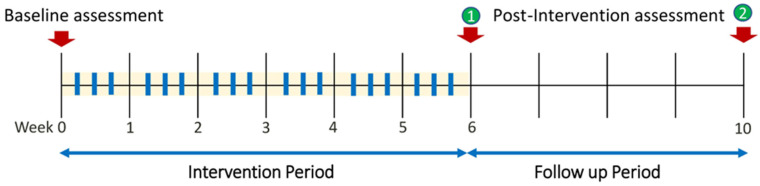 Figure 1
 Figure 2
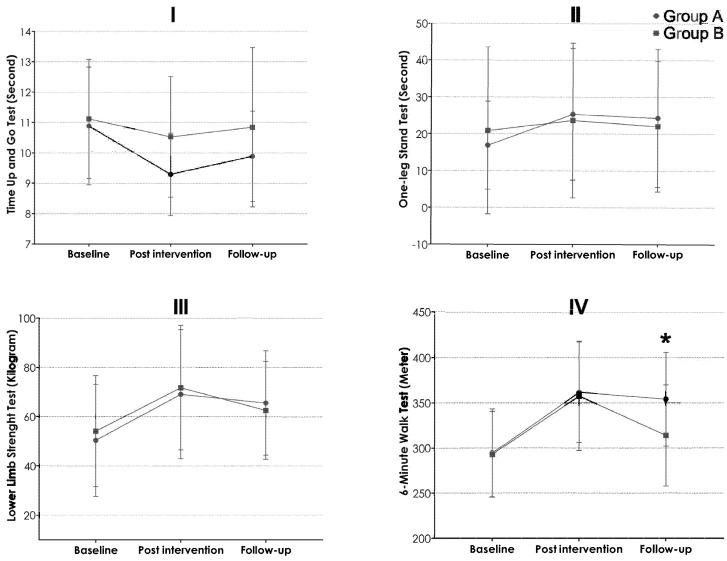 Figure 3
Peer Reviews
No public reviews on file for this paper yet. If you reviewed it on a platform where reviews are public (OpenReview, ICLR, NeurIPS, ICML), you can paste yours below so the community can read it here.
Videos
No videos yet. Explain this paper in a talk, walkthrough, or lecture? Add one.
Taxonomy
TopicsTranscranial Magnetic Stimulation Studies · Vestibular and auditory disorders · Stroke Rehabilitation and Recovery