Green Chemistry Meets Olive Mill Wastewater: Bioinspired Oxidation of Phenols and Polyphenols Using Selenium Catalysts
Cecilia Scimmi, Izabela Szymanek, Diana Rogacz, Sebastiano Passeri, Giulia Patanella, Cezary Kozłowski, Małgorzata Deska, Piotr Rychter, Jozef Drabowicz, Claudio Santi

TL;DR
This paper presents a green chemistry method using selenium catalysts to effectively remove harmful polyphenols from olive mill wastewater, significantly reducing its toxicity.
Contribution
The study introduces eco-friendly selenium-based catalysts for the oxidation of polyphenols in olive mill wastewater.
Findings
Up to 96% reduction in total phenols was achieved using 0.6% catalyst and 10% hydrogen peroxide.
Toxicity of the treated wastewater was significantly reduced, with an EC50 increase from 0.089 to 18.740 mg/L.
Abstract
Olive mill wastewater (OMW) represents a toxic waste generated during olive oil production (30 million m3/year). Its phytotoxicity and resistance to biodegradation are mainly due to the presence of polyphenols. Methodologies able to remove these organic compounds from this waste to allow the safe dispose of OMW have been developed, and among them, the most effective are oxidation procedures. In this context, we propose an alternative chemical treatment based on the oxidation of OMW using diluted hydrogen peroxide and seleno-organic compounds (diphenyl diselenide and diseleno-bis-benzoic acid) selected as eco-friendly bioinspired catalysts. The effectiveness of the protocol was monitored by Folin–Ciocalteu (F-C) quantification and NMR quantification. The results demonstrated that the greatest reduction in the total phenols content—up to 96%—was achieved using the highest concentrations…
Genes, proteins, chemicals, diseases, species, mutations and cell lines named across the full text — each resolved to its canonical identifier and authoritative record.
Click any figure to enlarge with its caption.
 Figure 1
 Figure 2
 Figure 3
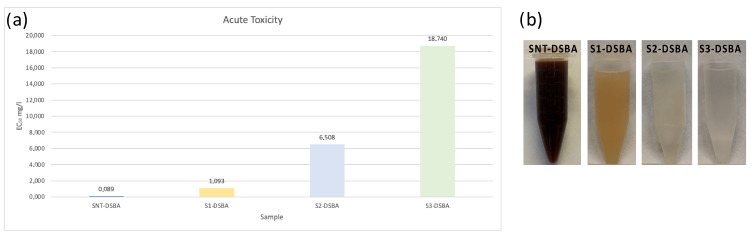 Figure 4
 Figure 5
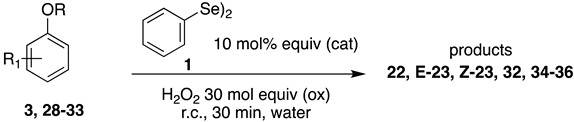 Figure 6
 Figure 7
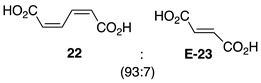 Figure 8
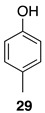 Figure 9
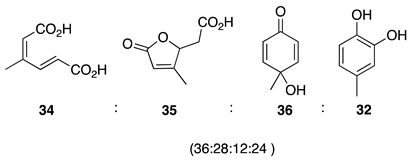 Figure 10
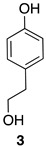 Figure 11
 Figure 12
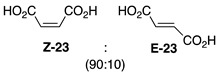 Figure 13
 Figure 14
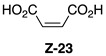 Figure 15
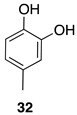 Figure 16
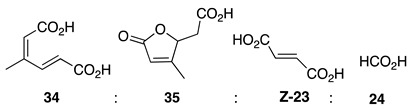 Figure 17
 Figure 18
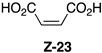 Figure 19
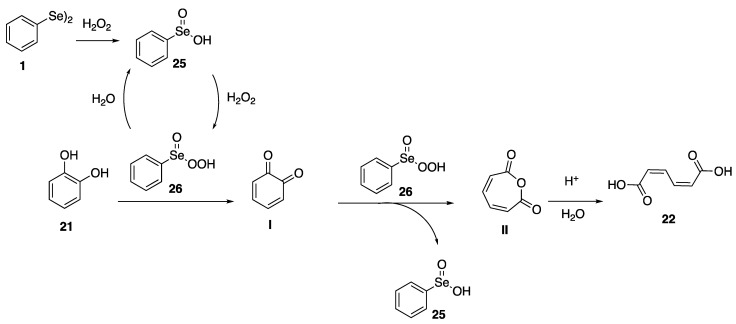 Figure 20
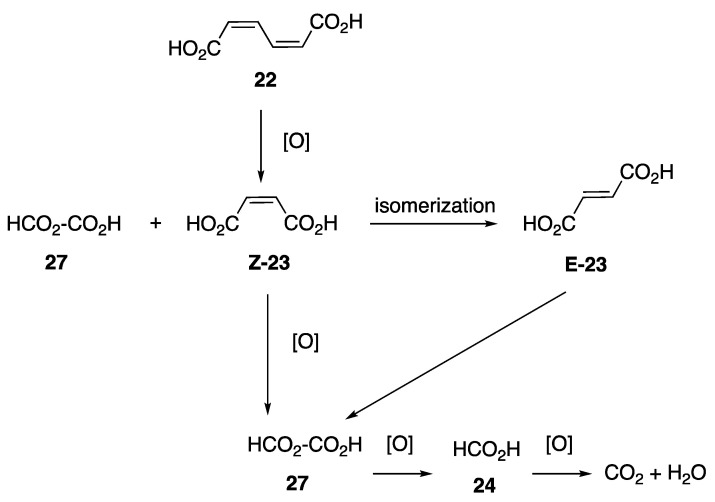 Figure 21
Peer Reviews
No public reviews on file for this paper yet. If you reviewed it on a platform where reviews are public (OpenReview, ICLR, NeurIPS, ICML), you can paste yours below so the community can read it here.
Videos
No videos yet. Explain this paper in a talk, walkthrough, or lecture? Add one.
Taxonomy
TopicsEdible Oils Quality and Analysis · Dye analysis and toxicity · Selenium in Biological Systems