Potassium Iodide Induces Apoptosis in Salivary Gland Cancer Cells
Maksym Skrypnyk, Tetiana Yatsenko, Oleksandra Riabets, Olga Zuieva, Iryna Rodionova, Margarita Skikevych, Yousef Salama, Taro Osada, Morikuni Tobita, Satoshi Takahashi, Nobutaka Hattori, Kazuhisa Takahashi, Koichi Hattori, Beate Heissig

TL;DR
Potassium iodide reduces salivary gland cancer cell growth by inducing apoptosis through oxidative stress, but may increase drug resistance risks.
Contribution
Demonstrates potassium iodide's anti-cancer effects in salivary gland cancer cells via ROS-dependent apoptosis and highlights potential risks.
Findings
Potassium iodide reduces salivary gland cancer cell proliferation and viability without affecting migration.
KI induces ROS-dependent apoptosis through BAX upregulation and Bcl-2 downregulation.
KI treatment increases EGF in non-malignant tissues and AKT phosphorylation in cancer cells, suggesting potential drug resistance risks.
Abstract
Salivary gland cancers (SGCs) pose a therapeutic challenge due to their aggressive nature and limited treatment options. Ion transporters, particularly the sodium/iodide symporter (SLC5A5), which transport iodine in the form of iodide anion (I−) into cells, have emerged as potential therapeutic targets in tumors of glandular origin. Our research indicates that SLC5A5 is expressed predominantly in ductal cells of human and murine SGC cells. We assessed the effects of potassium iodide (KI), a source of iodide ions. KI treatment reduced SGC cell proliferation and viability without impacting migration. KI increased ROS levels and triggered caspase-dependent apoptosis, as indicated by the upregulation of the pro-apoptotic protein BAX, downregulation of the anti-apoptotic protein Bcl-2, and induction of SGC cell shrinkage. KI did not affect NF-κB or TNF-α and SLC5A5 expression. Adding the…
Genes, proteins, chemicals, diseases, species, mutations and cell lines named across the full text — each resolved to its canonical identifier and authoritative record.
Click any figure to enlarge with its caption.
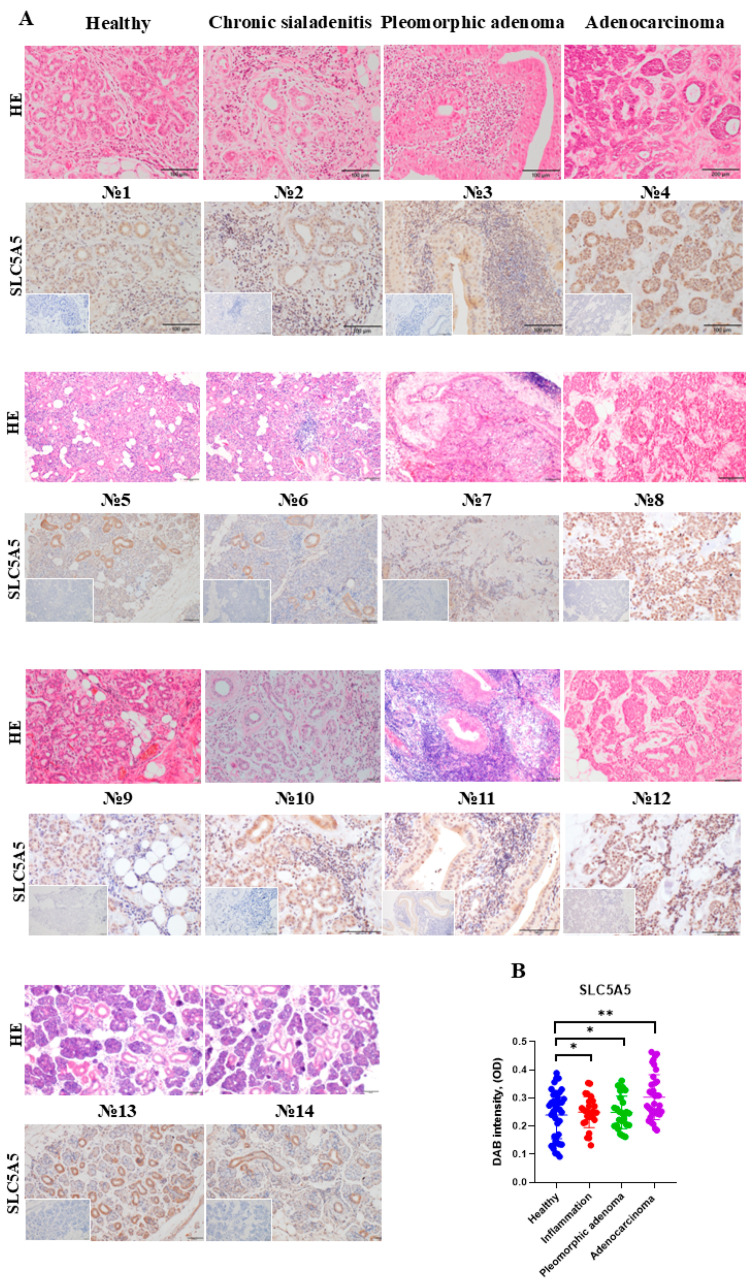 Figure 1
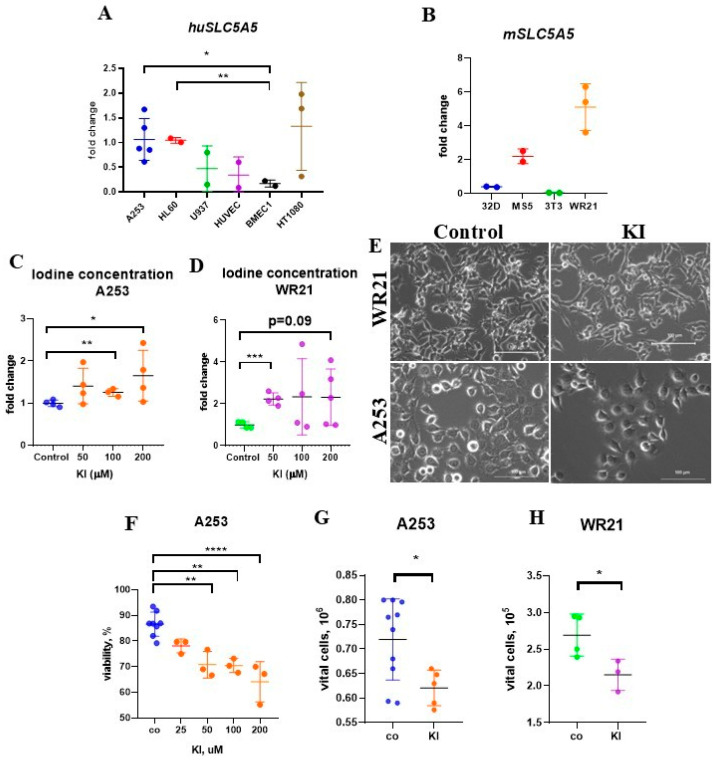 Figure 2
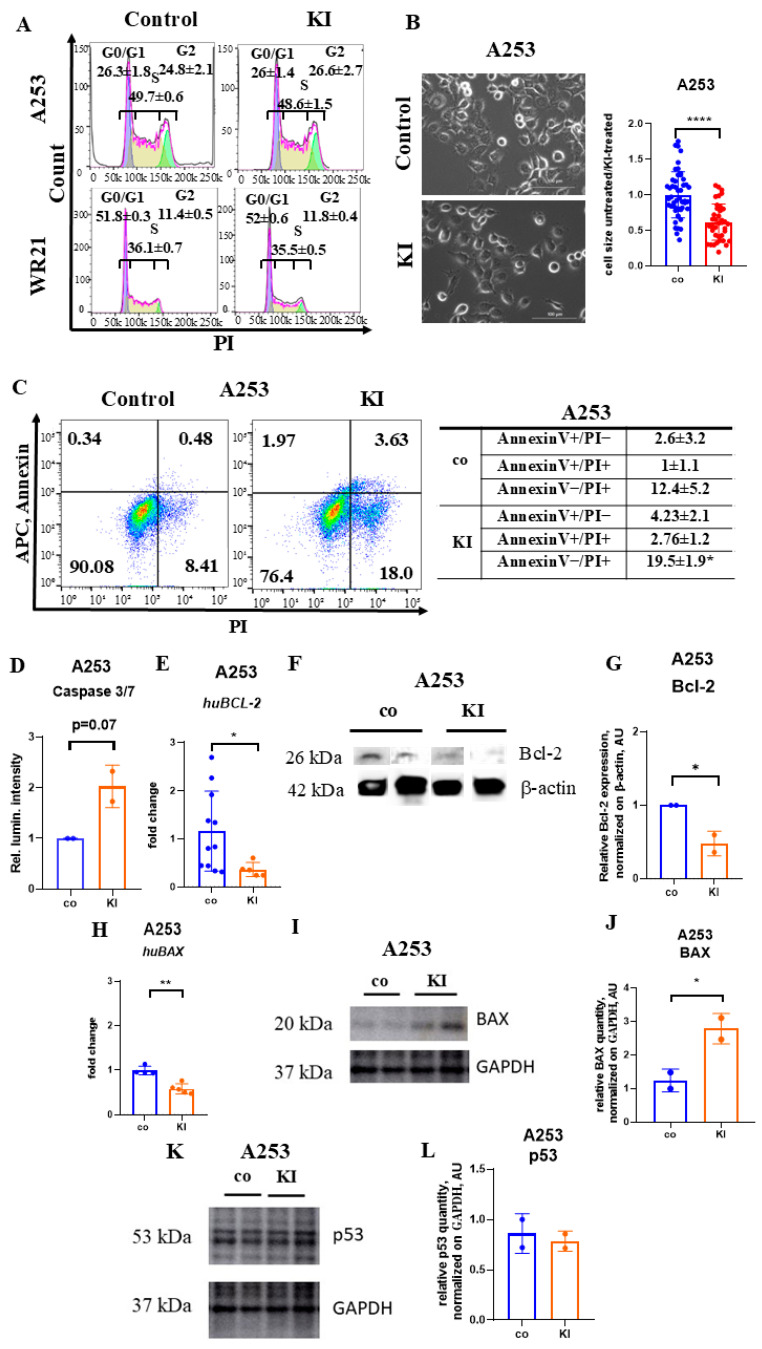 Figure 3
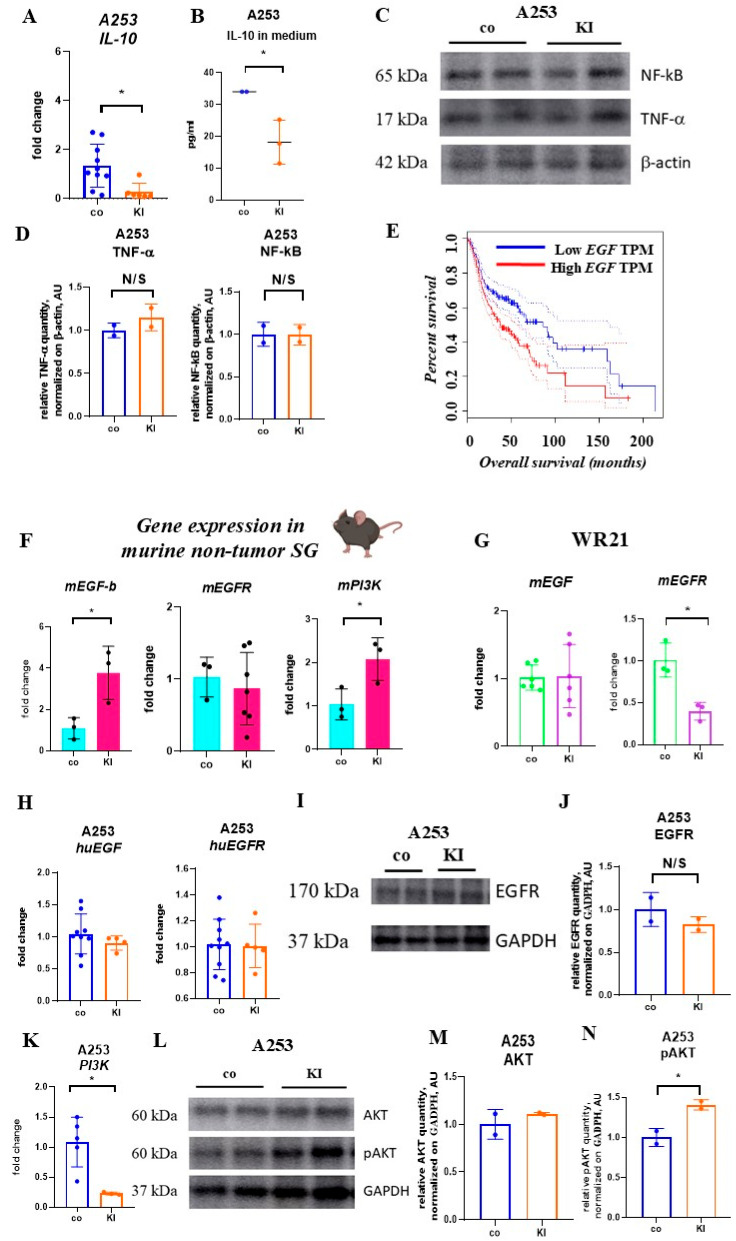 Figure 4
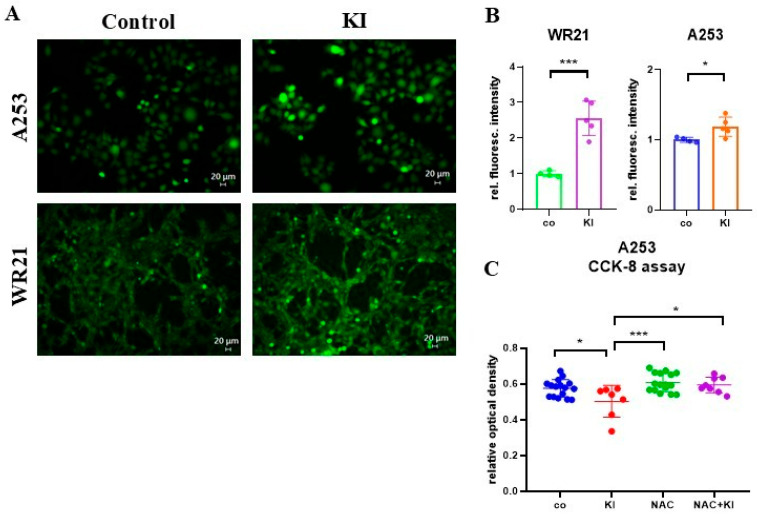 Figure 5
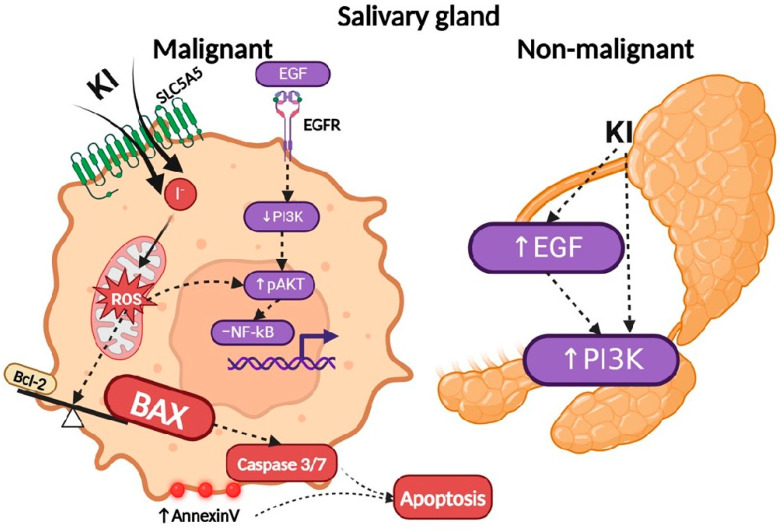 Figure 6
Peer Reviews
No public reviews on file for this paper yet. If you reviewed it on a platform where reviews are public (OpenReview, ICLR, NeurIPS, ICML), you can paste yours below so the community can read it here.
Videos
No videos yet. Explain this paper in a talk, walkthrough, or lecture? Add one.
Taxonomy
TopicsCancer, Hypoxia, and Metabolism · Mechanisms of cancer metastasis · Peptidase Inhibition and Analysis