Mesenchymal stem cells avoid allogeneic rejection
Jennifer M Ryan, Frank P Barry, J Mary Murphy, Bernard P Mahon

TL;DR
Mesenchymal stem cells can avoid immune rejection, making them promising for regenerative medicine without triggering immune responses.
Contribution
The paper identifies three mechanisms by which mesenchymal stem cells avoid allogeneic immune rejection.
Findings
Mesenchymal stem cells are hypoimmunogenic and lack MHC-II and costimulatory molecules.
They suppress T cell and NK cell responses through modulation of dendritic cells and direct disruption.
They create a suppressive environment using prostaglandins, interleukin-10, and indoleamine 2,3-dioxygenase.
Abstract
Adult bone marrow derived mesenchymal stem cells offer the potential to open a new frontier in medicine. Regenerative medicine aims to replace effete cells in a broad range of conditions associated with damaged cartilage, bone, muscle, tendon and ligament. However the normal process of immune rejection of mismatched allogeneic tissue would appear to prevent the realisation of such ambitions. In fact mesenchymal stem cells avoid allogeneic rejection in humans and in animal models. These finding are supported by in vitro co-culture studies. Three broad mechanisms contribute to this effect. Firstly, mesenchymal stem cells are hypoimmunogenic, often lacking MHC-II and costimulatory molecule expression. Secondly, these stem cells prevent T cell responses indirectly through modulation of dendritic cells and directly by disrupting NK as well as CD8+ and CD4+ T cell function. Thirdly,…
Genes, proteins, chemicals, diseases, species, mutations and cell lines named across the full text — each resolved to its canonical identifier and authoritative record.
Click any figure to enlarge with its caption.
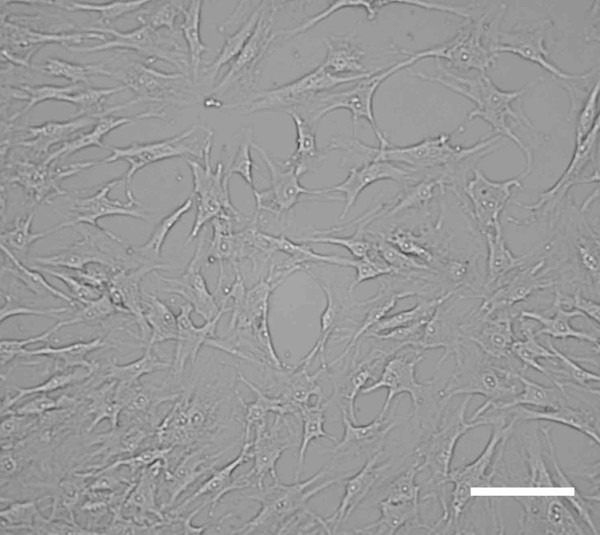 Figure 1
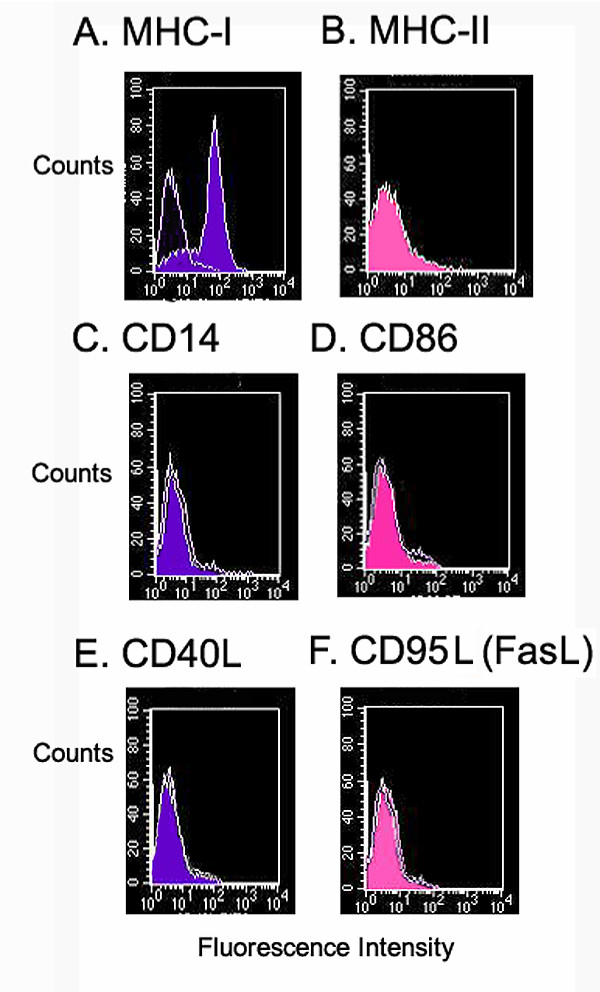 Figure 2
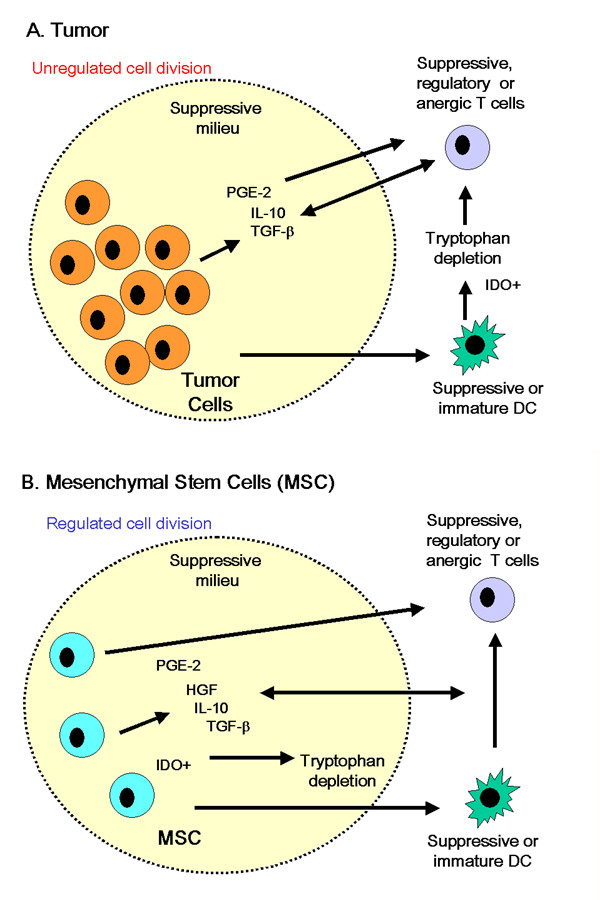 Figure 3
Peer Reviews
No public reviews on file for this paper yet. If you reviewed it on a platform where reviews are public (OpenReview, ICLR, NeurIPS, ICML), you can paste yours below so the community can read it here.
Videos
No videos yet. Explain this paper in a talk, walkthrough, or lecture? Add one.
Taxonomy
TopicsMedieval and Early Modern Iberia · Historical Art and Architecture Studies · Spanish Literature and Culture Studies