Fetal Death Due to an Unusual Coexistence of Two Umbilical Cord Anomalies: Analysis in a Forensic Perspective
Alice Ferretti, Maria Paola Bonasoni, Benedetta Petrachi, Giuseppina Comitini, Immacolata Blasi, Arianna Giorgetti, Paolo Fais, Susi Pelotti, Lorenzo Aguzzoli

TL;DR
This paper discusses a stillbirth case involving two umbilical cord anomalies and highlights potential legal and emotional concerns for parents and healthcare providers.
Contribution
The paper presents a rare case of stillbirth with two umbilical cord anomalies and discusses its forensic and communicative implications.
Findings
The stillbirth was associated with two tight umbilical cord knots and a furcate insertion.
Histological analysis revealed non-occlusive thrombosis and myonecrosis in the cord knots.
The case raises questions about cause of death, timing of death, and potential medical liability.
Abstract
Background and Clinical Significance: In stillbirth, bereaved parents must be promptly taken in by healthcare staff, and their requests to understand what happened must be fully explained and discussed. Empathic and open communication with the parents is fundamental in avoiding time-consuming lawsuits for investigating medical liability. Herein, we describe a case of stillbirth in which many elements exemplify potential concerns, either from a parental or judicial context. All these hypothetical questions will be addressed and discussed. Case presentation: A female stillbirth was vaginally delivered at 41 weeks of gestation after induction of labor. The baby was normally grown for gestational age, and the umbilical cord examination disclosed a length of 90 cm (75 cm attached to the placenta and 15 cm to the fetus), two tight knots, and a furcate insertion into the chorionic plate.…
Genes, proteins, chemicals, diseases, species, mutations and cell lines named across the full text — each resolved to its canonical identifier and authoritative record.
Click any figure to enlarge with its caption.
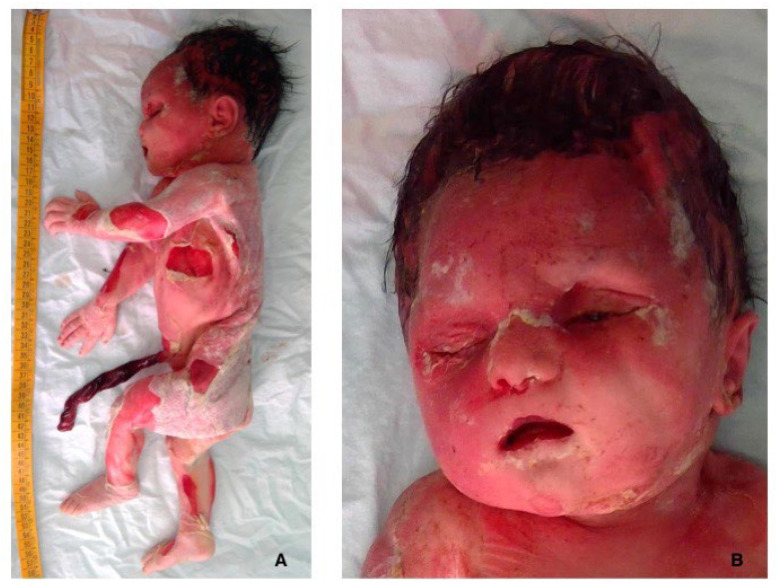 Figure 1
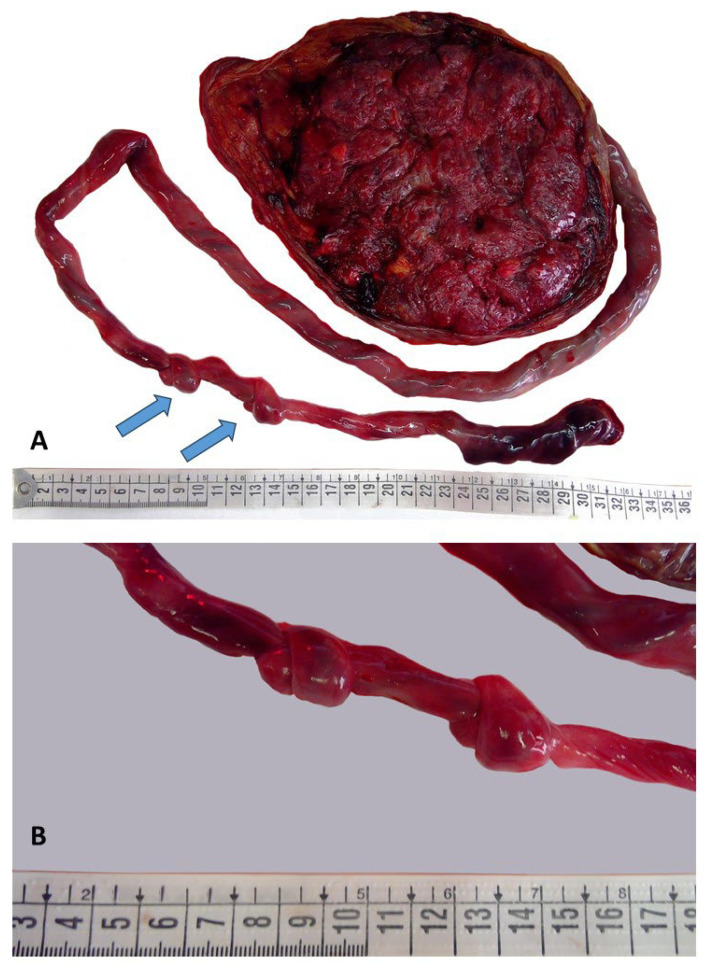 Figure 2
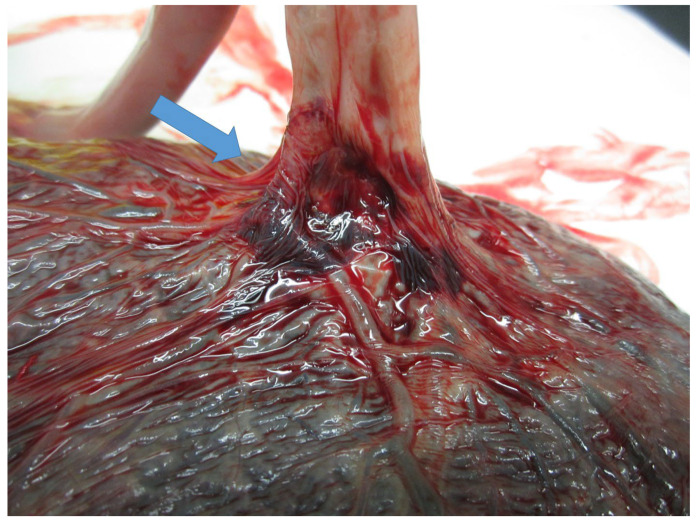 Figure 3
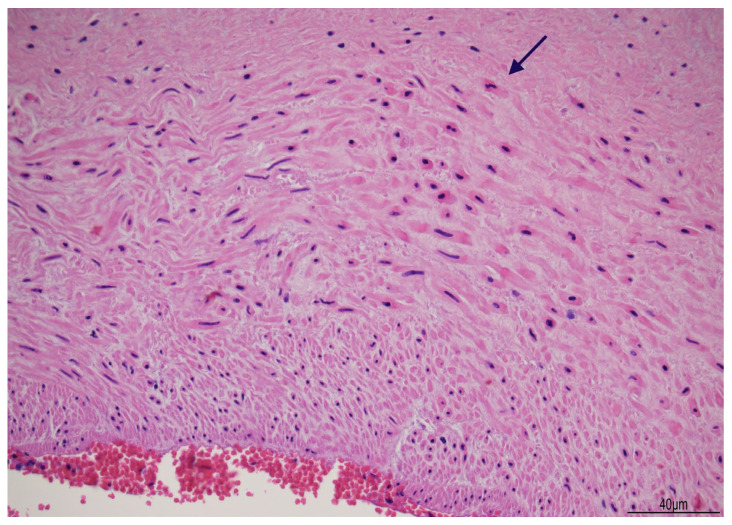 Figure 4
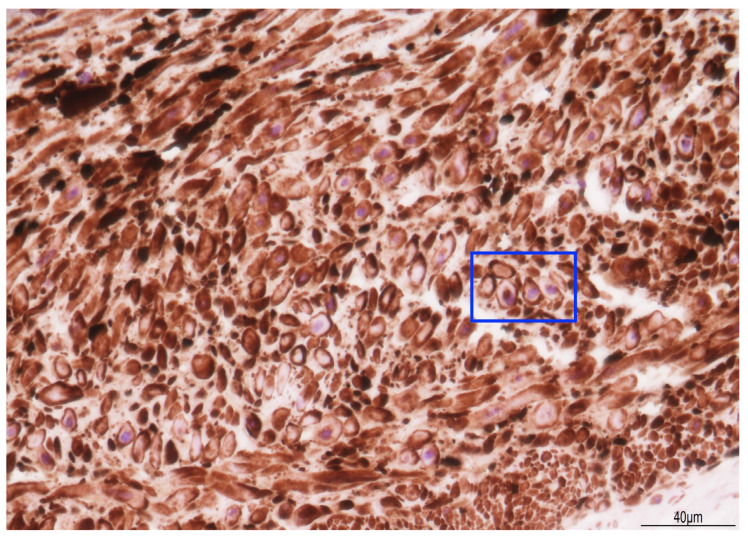 Figure 5
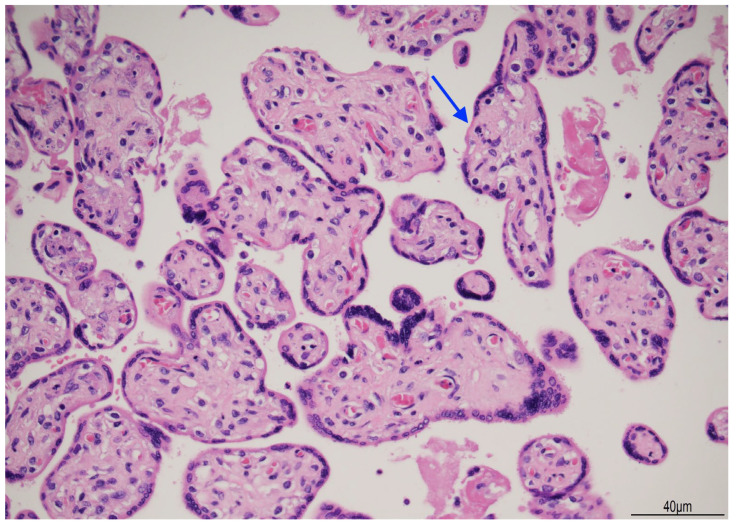 Figure 6
Peer Reviews
No public reviews on file for this paper yet. If you reviewed it on a platform where reviews are public (OpenReview, ICLR, NeurIPS, ICML), you can paste yours below so the community can read it here.
Videos
No videos yet. Explain this paper in a talk, walkthrough, or lecture? Add one.
Taxonomy
TopicsAutopsy Techniques and Outcomes · Grief, Bereavement, and Mental Health · Organ Donation and Transplantation