Large Yellow Croaker (Pseudosciaena crocea, Richardson) E2F4, a Cyclin-Dependent Transcription Factor, Forms a Heterodimer with DP1
Xiaohui Cai, Honglin Chen, Jing Fang, Meijuan Xu, Meijuan Chen, Qiancheng Qi, Peng Xu, Patrick C. Hanington, Xinzhong Wu

TL;DR
This study identifies E2F4 and DP1 in large yellow croaker and shows they form a heterodimer, which may regulate cell cycles and immune pathways.
Contribution
The study demonstrates that PcE2F4 forms a heterodimer with PcDP1 in large yellow croaker, a novel finding in this species.
Findings
PcE2F4 interacts with PcDP1, forming a heterodimer in large yellow croaker.
PcE2F4 can transfer DP1 from the cytoplasm to the nucleus.
PcE2F4 is highly expressed in the brain and kidney of healthy fish.
Abstract
E2F transcription factors regulate cell cycle progression by influencing the expression of proteins required for the G1-S phase transition and DNA synthesis with its heterodimeric partners (DP1 or DP2). The dimerization domain is the E2Fs and DP1 protein interaction interface and is believed to function in protein dimerization. In this study, eight E2F transcription factors (PcE2F1–8) of large yellow croaker Pseudosciaena crocea and one dimerization partner (PcDP1) are identified in the genome of large yellow croakers. The prediction of E2Fs conserved domains revealed that PcE2F1–6 has one DNA-binding domain (DBD) and one dimerization-binding domain (DD), while PcE2F7–8 only possess two duplicate DBDs but not DD, indicating that E2F7–8 cannot form the E2F/DP1 heterodimer. To explore whether PcDP1 is a partner of PcE2F1–6, the ORF of PcE2F1–6 was cloned. Subsequently, its sequence…
Genes, proteins, chemicals, diseases, species, mutations and cell lines named across the full text — each resolved to its canonical identifier and authoritative record.
Click any figure to enlarge with its caption.
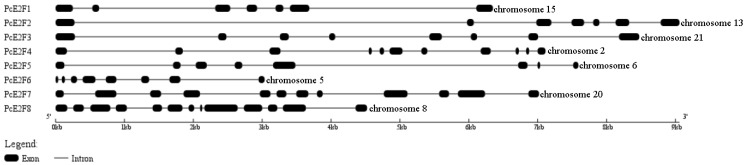 Figure 1
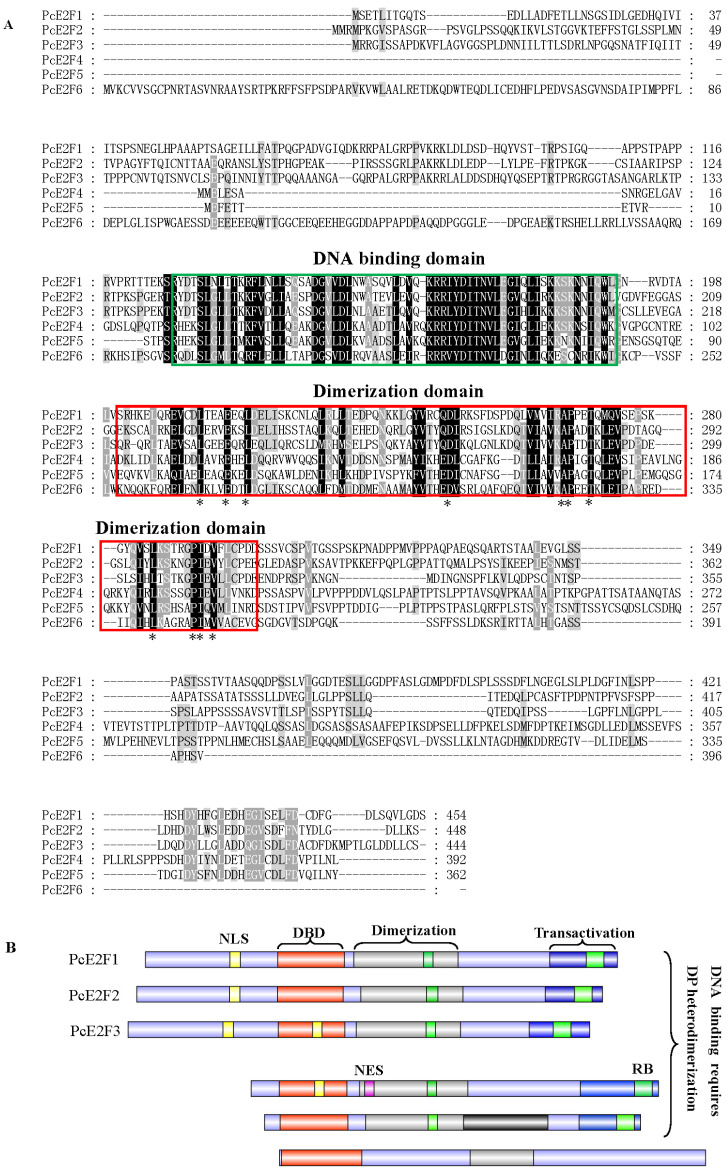 Figure 2
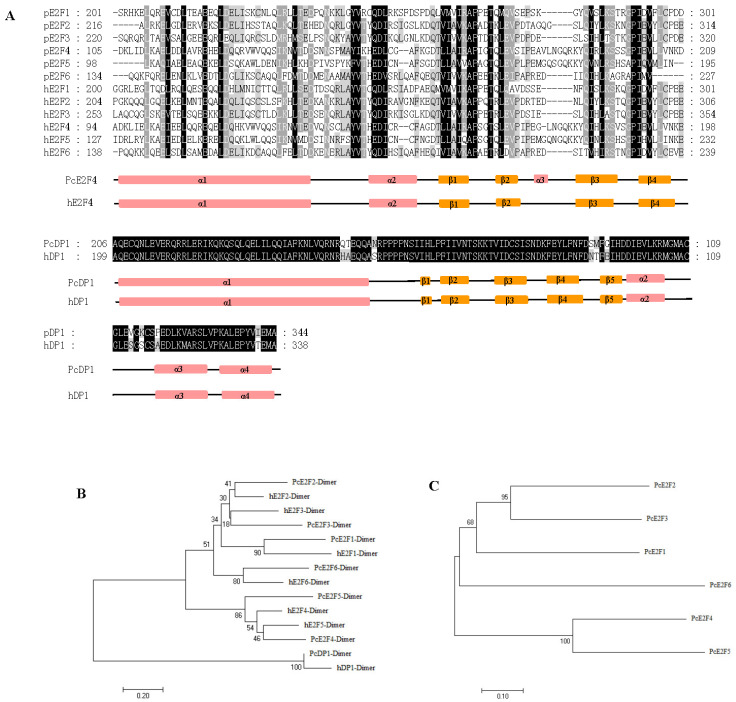 Figure 3
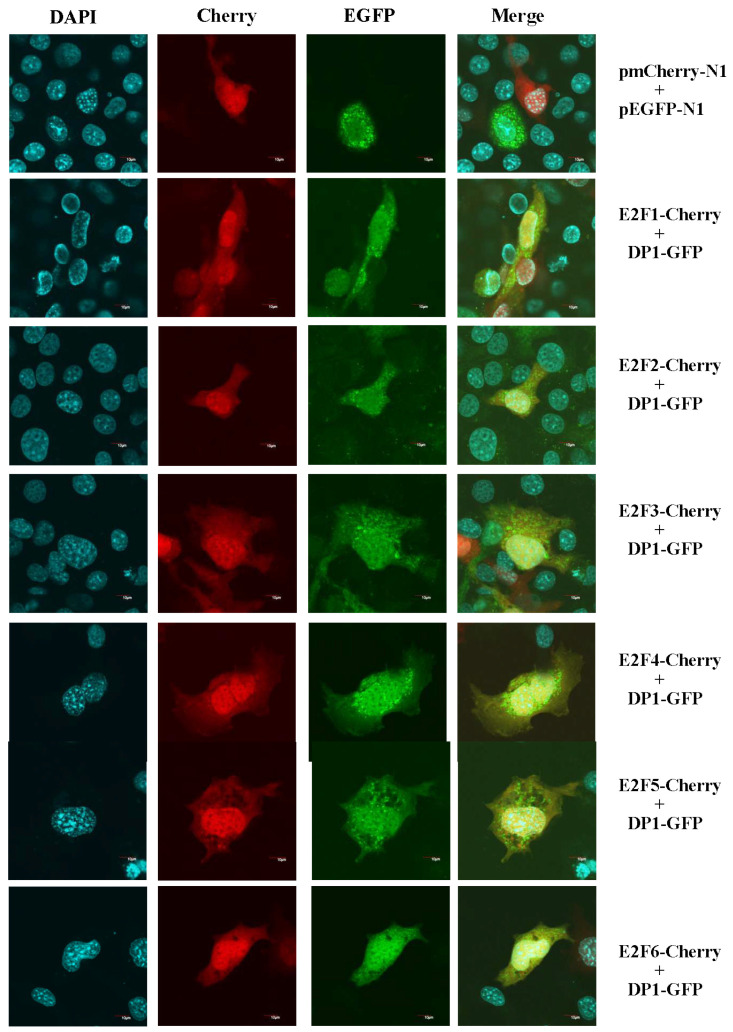 Figure 4
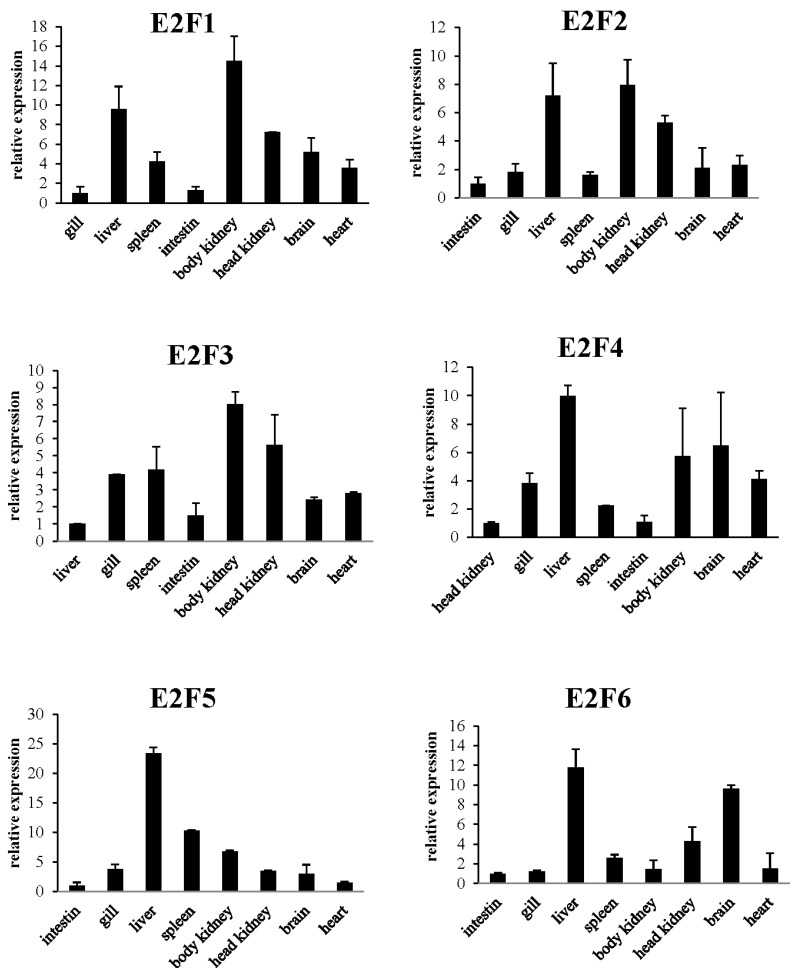 Figure 5
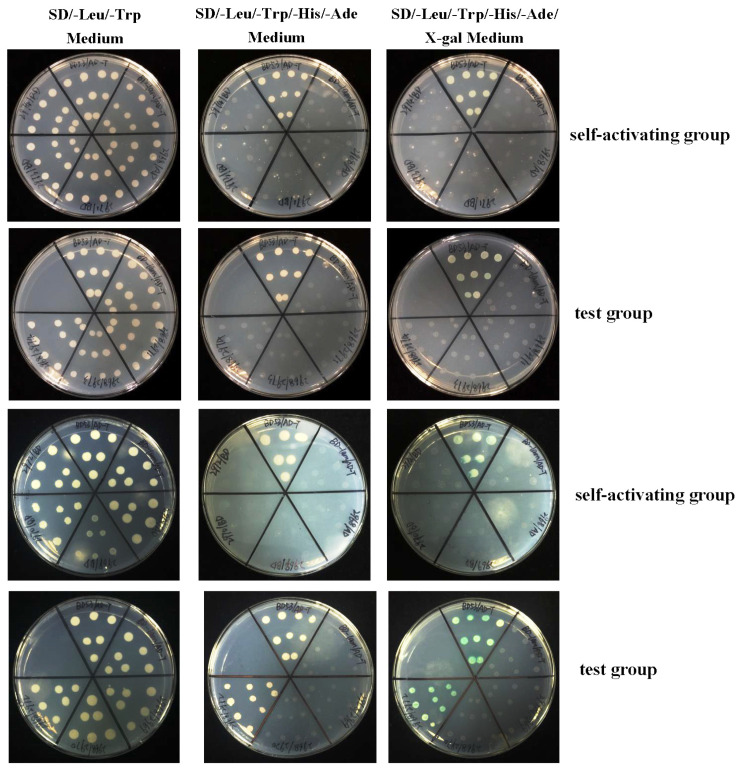 Figure 6
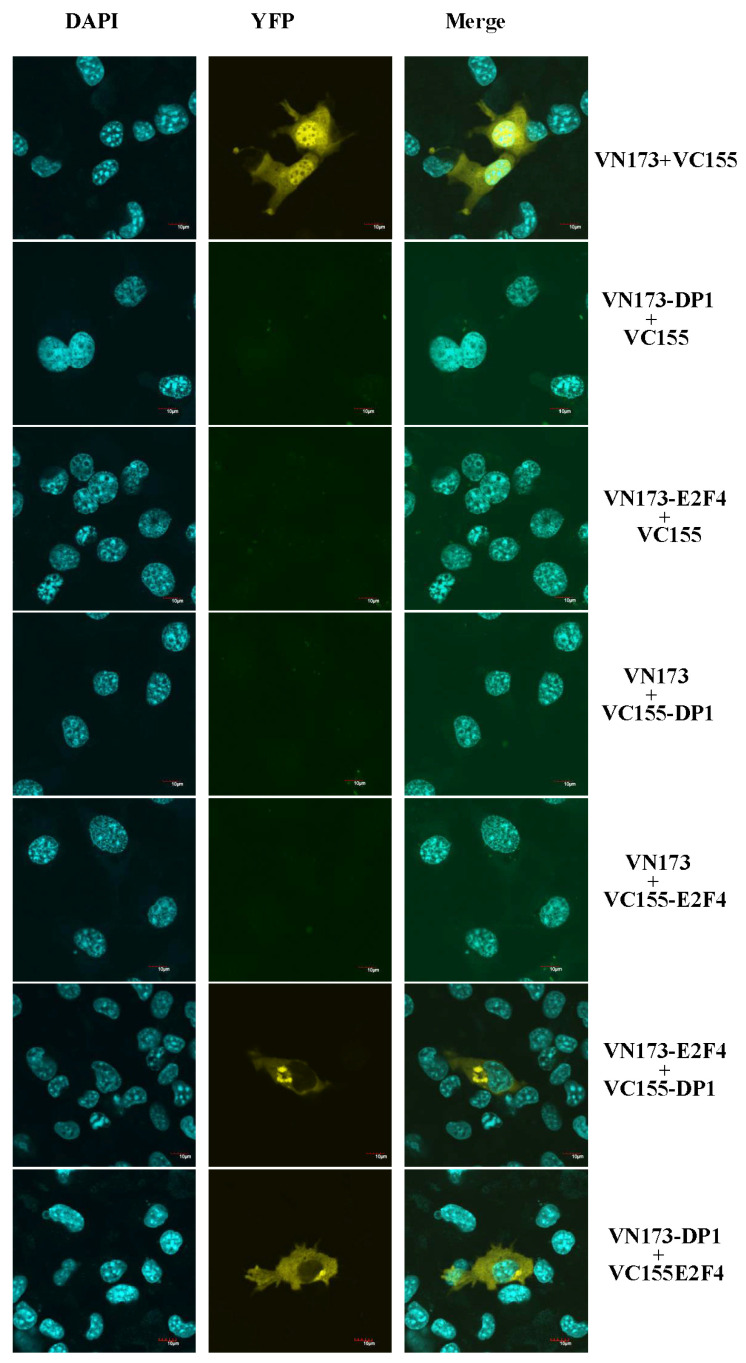 Figure 7
Peer Reviews
No public reviews on file for this paper yet. If you reviewed it on a platform where reviews are public (OpenReview, ICLR, NeurIPS, ICML), you can paste yours below so the community can read it here.
Videos
No videos yet. Explain this paper in a talk, walkthrough, or lecture? Add one.
Taxonomy
TopicsGenomics and Chromatin Dynamics · Epigenetics and DNA Methylation · Cancer-related Molecular Pathways