Sustainable Exploitation of Apple By-Products: A Retrospective Analysis of Pilot-Scale Extraction Tests Using Hydrodynamic Cavitation
Luca Tagliavento, Tiziana Nardin, Jasmine Chini, Nicola Vighi, Luca Lovatti, Lara Testai, Francesco Meneguzzo, Roberto Larcher, Federica Zabini

TL;DR
This paper explores using hydrodynamic cavitation to efficiently extract valuable compounds from apple by-products, which could help reduce waste and support sustainable practices.
Contribution
The study introduces an optimized hydrodynamic cavitation method for large-scale extraction of bioactive compounds from apple by-products using water as the sole solvent.
Findings
High-temperature extraction above 80°C is necessary to inactivate polyphenol oxidase.
A cavitation number of around 0.07 optimizes extraction efficiency.
Extraction of nutrients can be achieved in less than 20 minutes with minimal energy consumption.
Abstract
Apple by-products (APs) consist of whole defective fruits discarded from the market and pomace resulting from juice squeezing and puree production, which are currently underutilized or disposed of due to the lack of effective and scalable extraction methods. Bioactive compounds in APs, especially phlorizin, which is practically exclusive to the apple tree, are endowed with preventive and therapeutic potential concerning chronic diseases such as cardiovascular diseases, metabolic diseases, and specific types of cancer. This study investigated the exploitation of APs using hydrodynamic cavitation (HC) for the extraction step and water as the only solvent. High-temperature extraction (>80 °C) was needed to inactivate the polyphenol oxidase; a strict range of the cavitation number (around 0.07) was identified for extraction optimization; less than 20 min were sufficient for the extraction…
Genes, proteins, chemicals, diseases, species, mutations and cell lines named across the full text — each resolved to its canonical identifier and authoritative record.
Click any figure to enlarge with its caption.
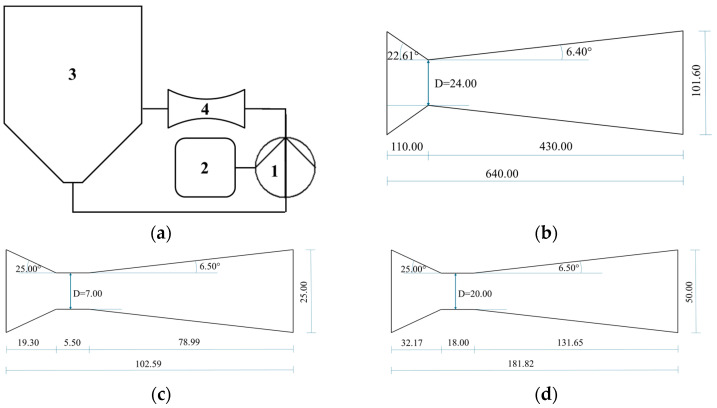 Figure 1
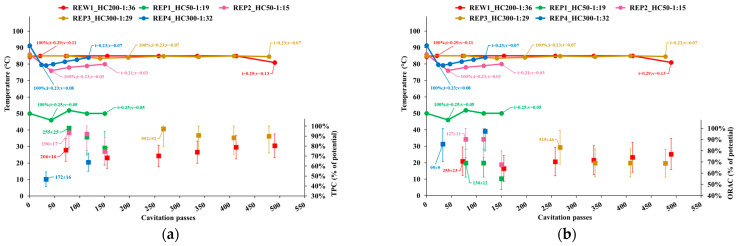 Figure 2
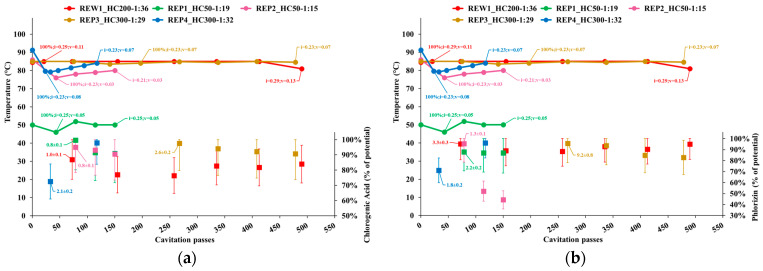 Figure 3
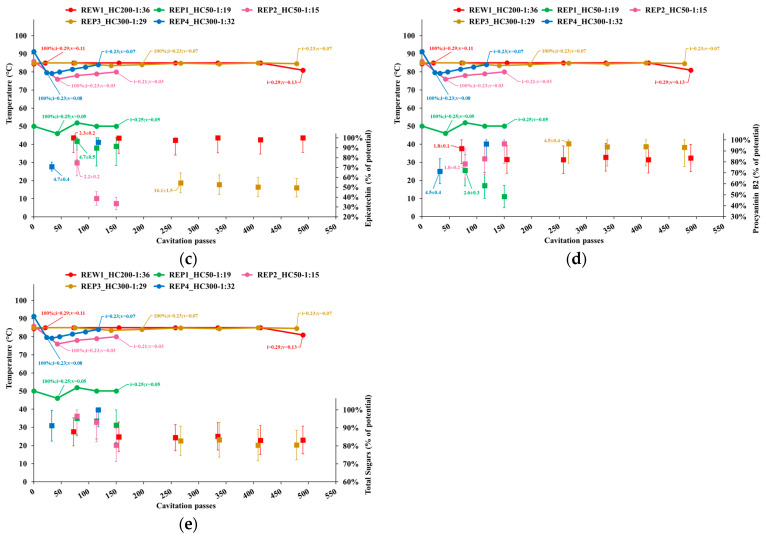 Figure 4
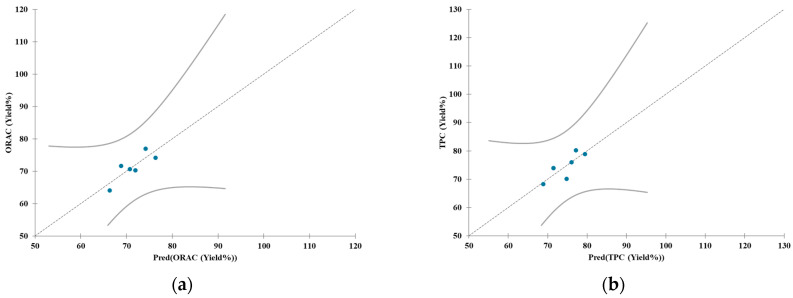 Figure 5
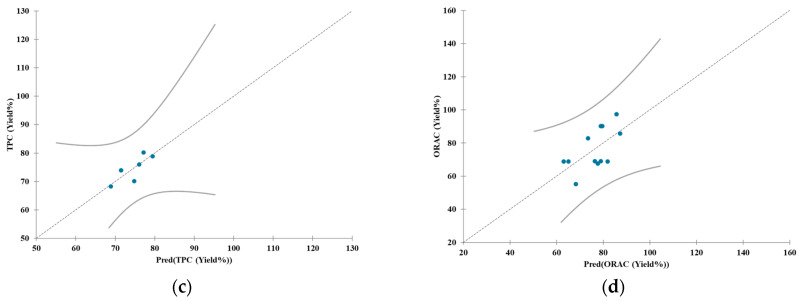 Figure 6
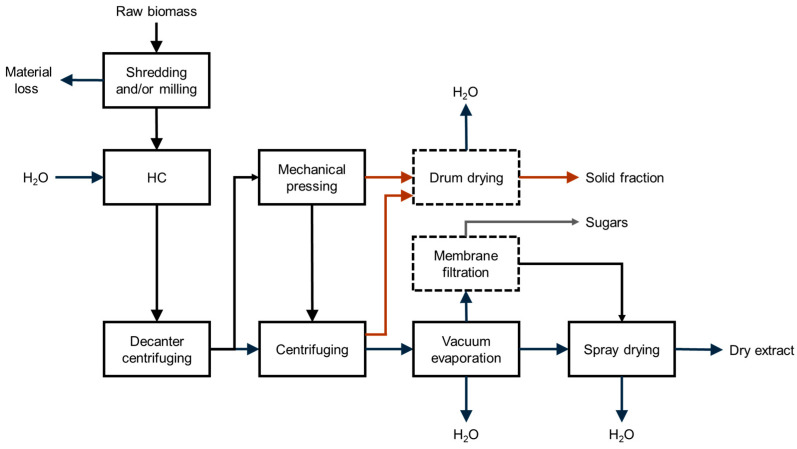 Figure 7
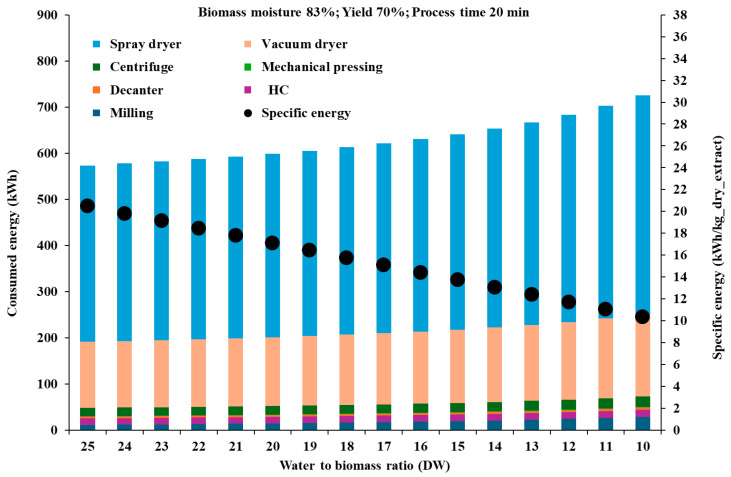 Figure 8
Peer Reviews
No public reviews on file for this paper yet. If you reviewed it on a platform where reviews are public (OpenReview, ICLR, NeurIPS, ICML), you can paste yours below so the community can read it here.
Videos
No videos yet. Explain this paper in a talk, walkthrough, or lecture? Add one.
Taxonomy
TopicsProteins in Food Systems