Prediction of 123I-FP-CIT SPECT Results from First Acquired Projections Using Artificial Intelligence
Wadi’ Othmani, Arthur Coste, Dimitri Papathanassiou, David Morland

TL;DR
This study uses AI to predict the outcome of a dopamine transporter imaging test from the first scan projection, helping to quickly identify normal patients.
Contribution
A CNN model is developed to predict full SPECT results from the first projection, improving diagnostic efficiency.
Findings
The model achieved 98.0% sensitivity and 96.3% negative predictive value in detecting abnormal exams.
Saliency maps showed the model focused on clinically relevant areas like the basal ganglia.
The model could reliably exclude presynaptic dopaminergic loss early in the scan process.
Abstract
Background/Objectives: 123I-FP-CIT dopamine transporter imaging is commonly used for the diagnosis of Parkinsonian syndromes in patients whose clinical presentation is atypical. Prolonged immobility, which can be difficult to maintain in this population, is required to perform SPECT acquisition. In this study we aimed to develop a Convolutional Neural Network (CNN) able to predict the outcome of the full examination based on the first acquired projection, and reliably detect normal patients. Methods: All 123I-FP-CIT SPECT performed in our center between June 2017 and February 2024 were included and split between a training and a validation set (70%/30%). An additional 100 SPECT were used as an independent test set. Examinations were labeled by two independent physicians. A VGG16-like CNN model was trained to assess the probability of examination abnormality from the first acquired…
Genes, proteins, chemicals, diseases, species, mutations and cell lines named across the full text — each resolved to its canonical identifier and authoritative record.
Click any figure to enlarge with its caption.
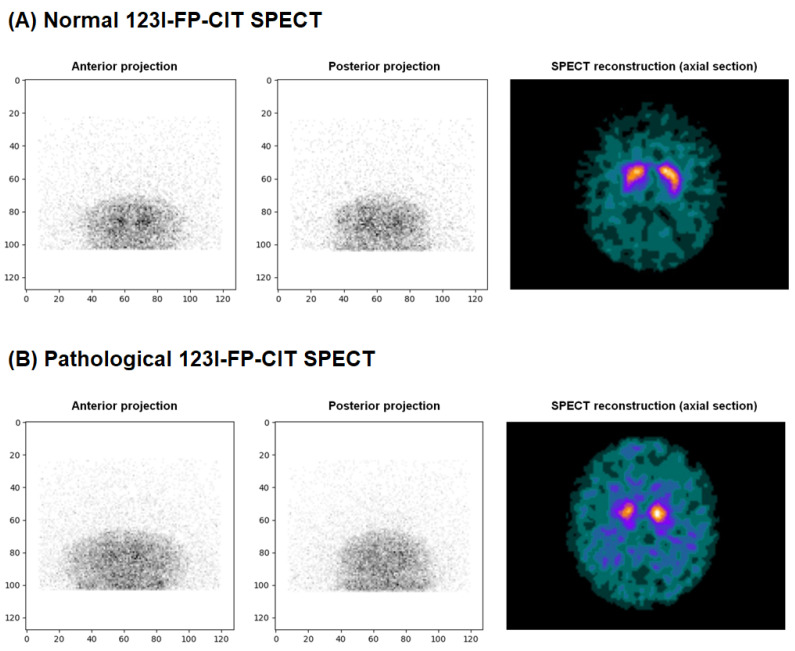 Figure 1
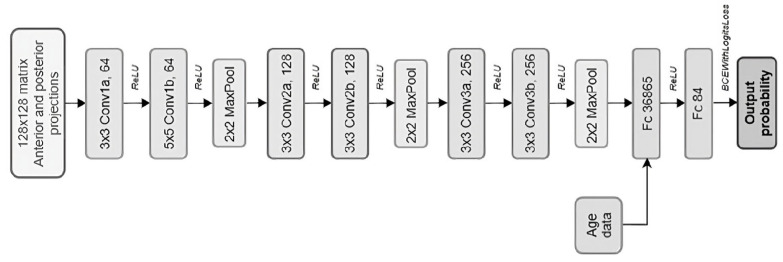 Figure 2
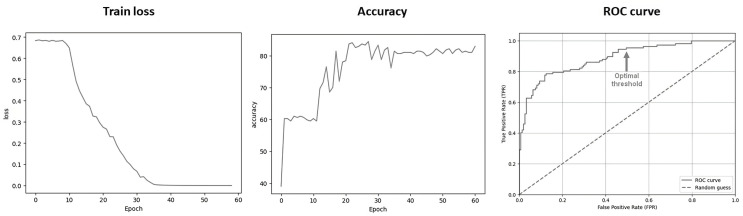 Figure 3
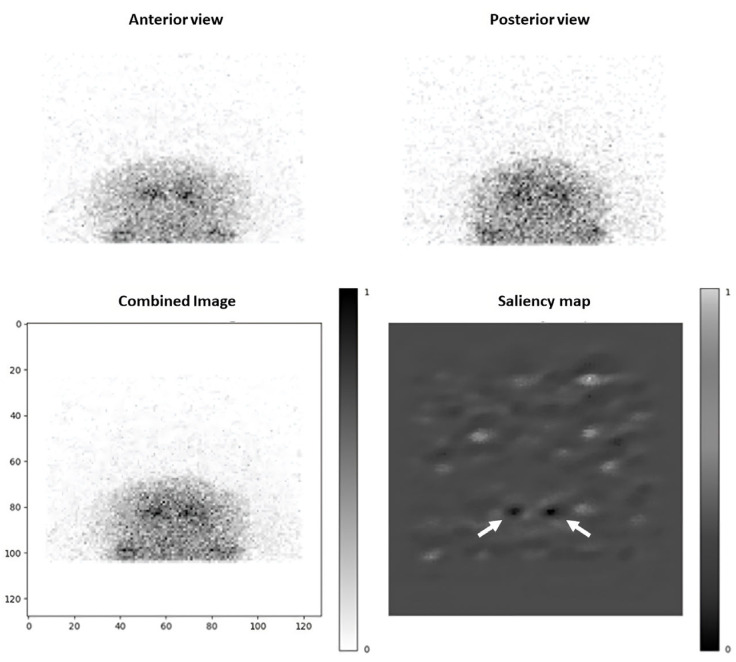 Figure 4
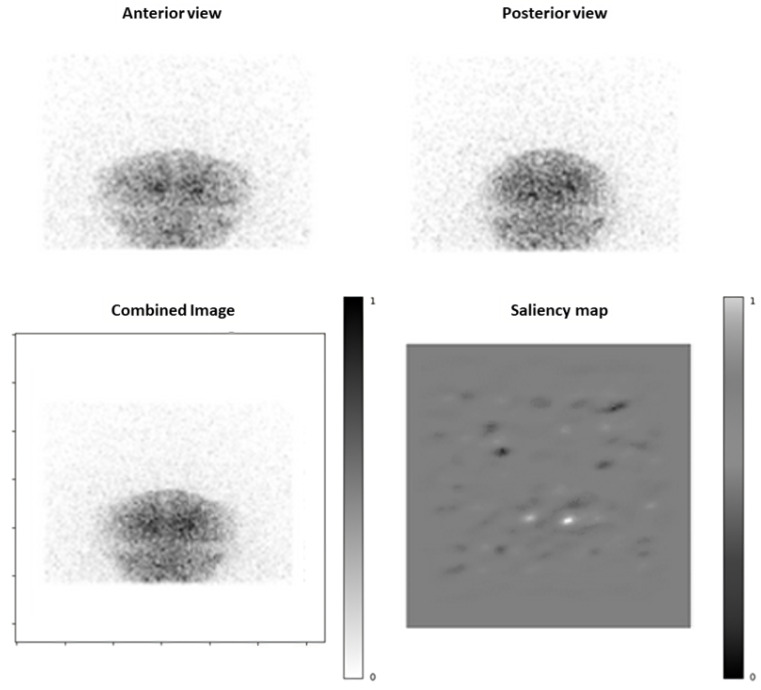 Figure 5
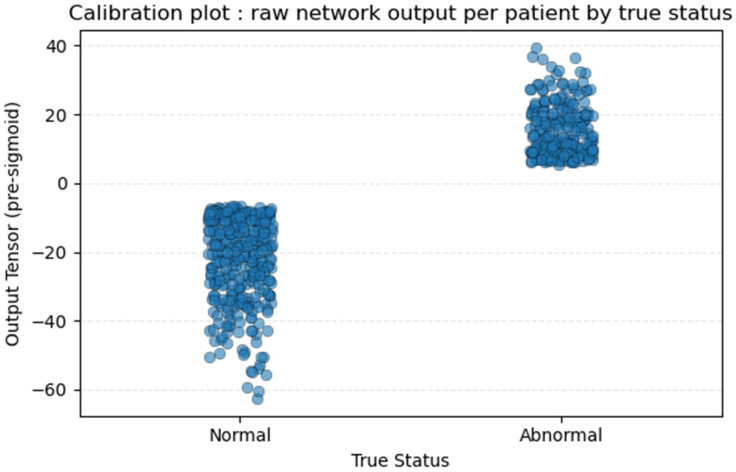 Figure 6
Peer Reviews
No public reviews on file for this paper yet. If you reviewed it on a platform where reviews are public (OpenReview, ICLR, NeurIPS, ICML), you can paste yours below so the community can read it here.
Videos
No videos yet. Explain this paper in a talk, walkthrough, or lecture? Add one.
Taxonomy
TopicsNeurological disorders and treatments · Parkinson's Disease Mechanisms and Treatments · Brain Tumor Detection and Classification