Transmembrane Protein-184A Interacts with Syndecan-4 and Rab GTPases and Is Required to Maintain VE-Cadherin Levels
Leanna M. Altenburg, Stephanie H. Wang, Grace O. Ciabattoni, Amelia Kennedy, Rachel L. O’Toole, Sara L. N. Farwell, M. Kathryn Iovine, Linda J. Lowe-Krentz

TL;DR
This study shows how TMEM184A interacts with Sdc4 to regulate VE-cadherin levels and vascular cell functions.
Contribution
The novel contribution is identifying TMEM184A's dual role in signaling and trafficking to maintain VE-cadherin in vascular cells.
Findings
TMEM184A and Sdc4 colocalize and cooperate in angiogenesis and tissue repair.
siTMEM reduces VE-cad levels but increases wound migration rates.
TMEM overexpression enhances VE-cad trafficking and membrane recovery.
Abstract
VE-cadherin (VE-cad) membrane stability and localization regulates adhesion formation and actin cytoskeleton dynamics in angiogenesis and vascular remodeling and requires the heparan sulfate proteoglycan (HSPG), Syndecan-4 (Sdc4). This study characterizes the interactions of the heparin receptor, Transmembrane protein-184A (TMEM184A), and Sdc4 in bovine aortic endothelial cells (BAOECs) and the regenerating Zebrafish (ZF) caudal fin and measures the effect of siRNA TMEM184A KD (siTMEM) and TMEM184A overexpression (TMEM OE) on VE-cad levels and localization in confluent and sub-confluent cultured BAOECs. Additionally, we examined the effect of siTMEM on key Rab GTPase trafficking regulators and migrating BAOECs in scratch wound healing assays. We demonstrated that TMEM184A and Sdc4 colocalize in BAOECs and that Sdc4 OE increases colocalization in an HS chain dependent manner, while both…
Genes, proteins, chemicals, diseases, species, mutations and cell lines named across the full text — each resolved to its canonical identifier and authoritative record.
Click any figure to enlarge with its caption.
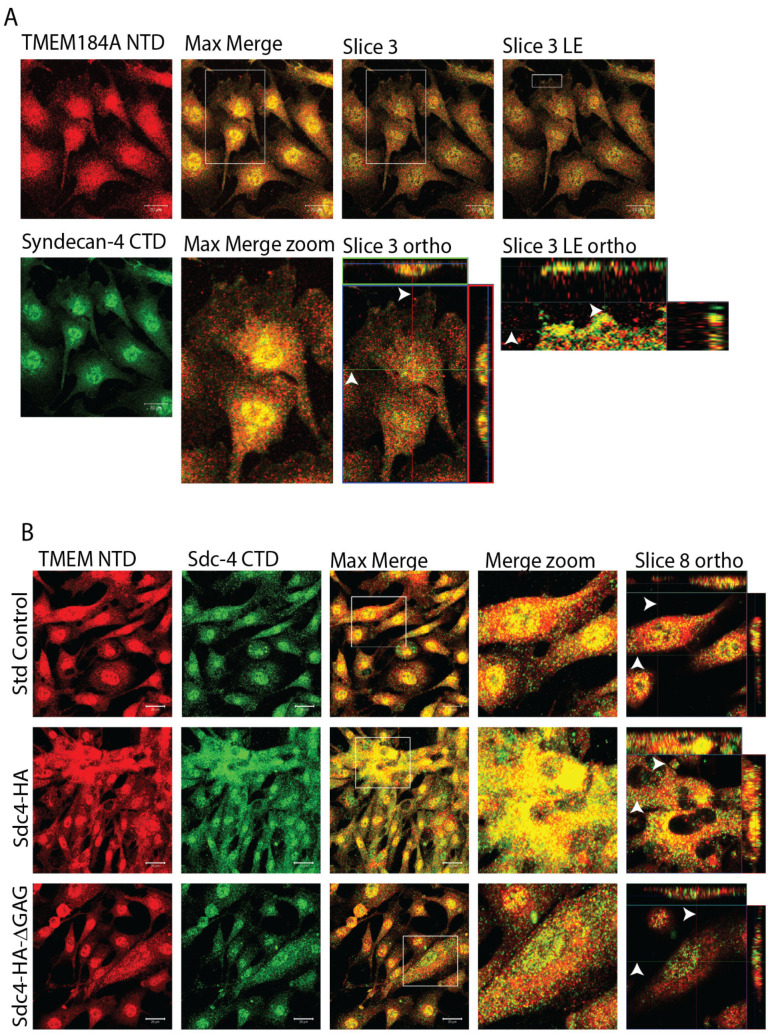 Figure 1
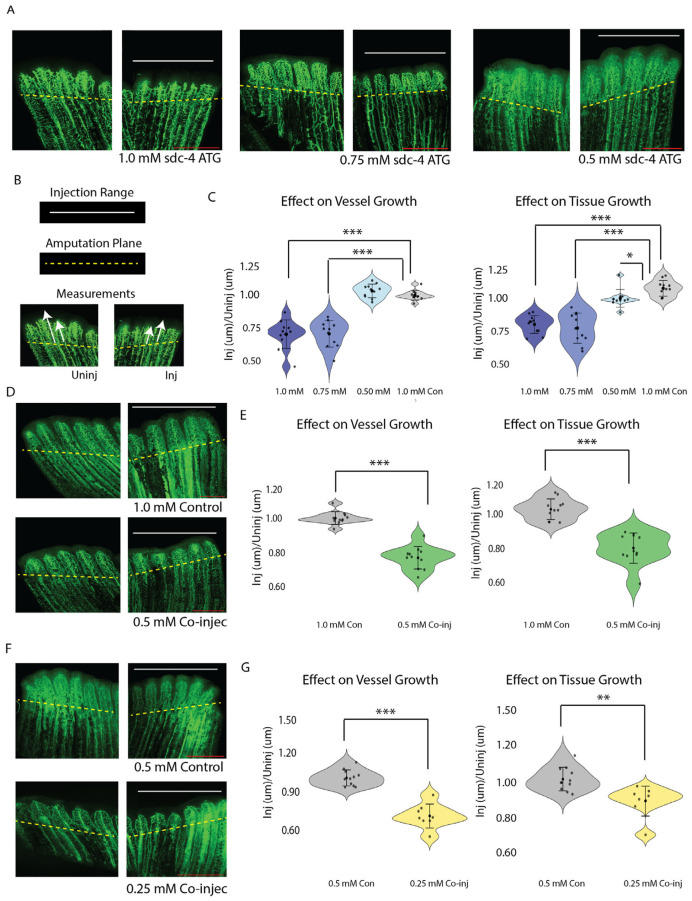 Figure 2
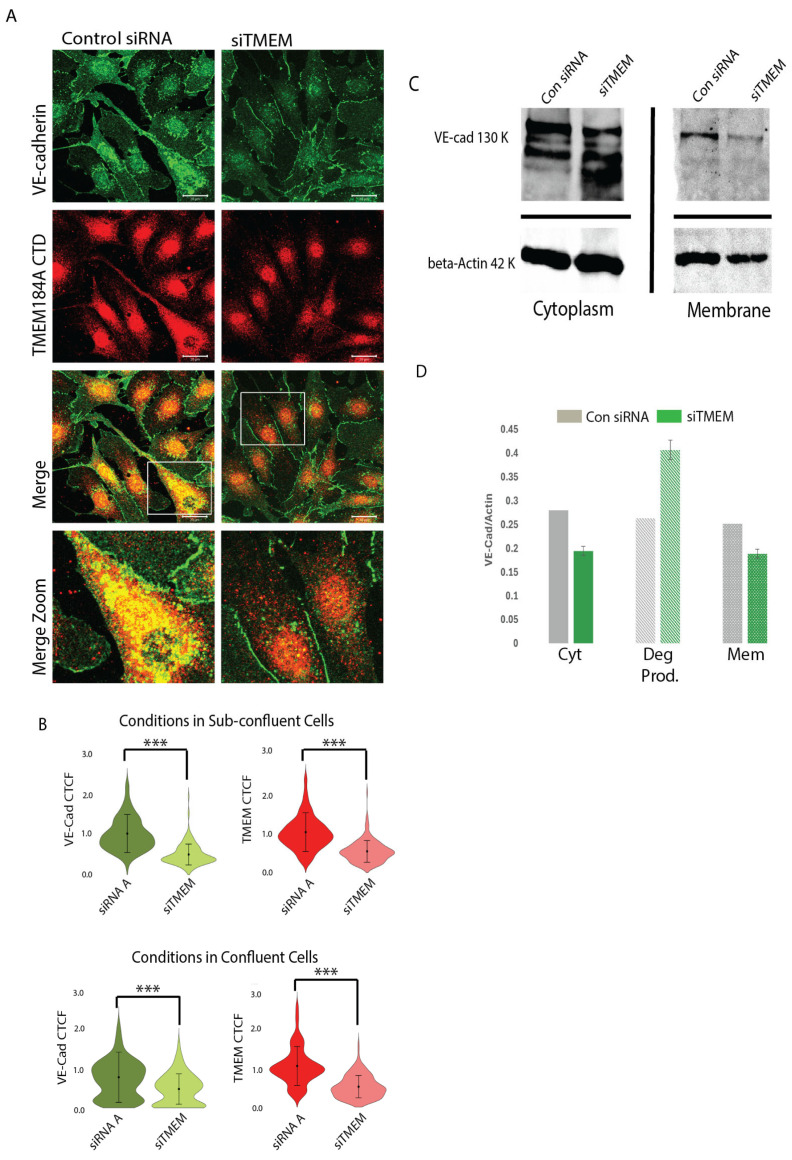 Figure 3
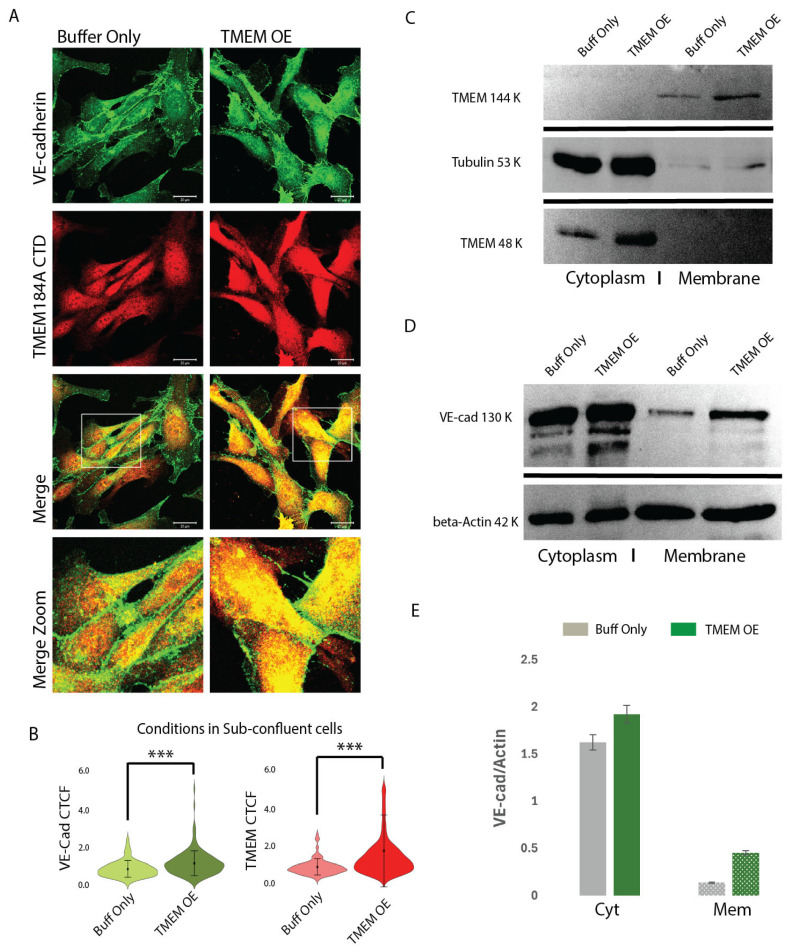 Figure 4
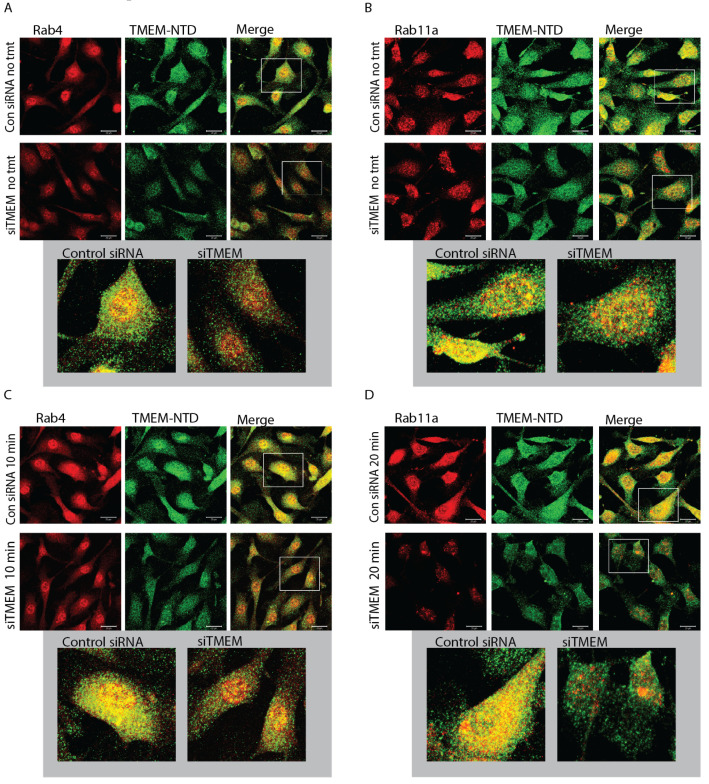 Figure 5
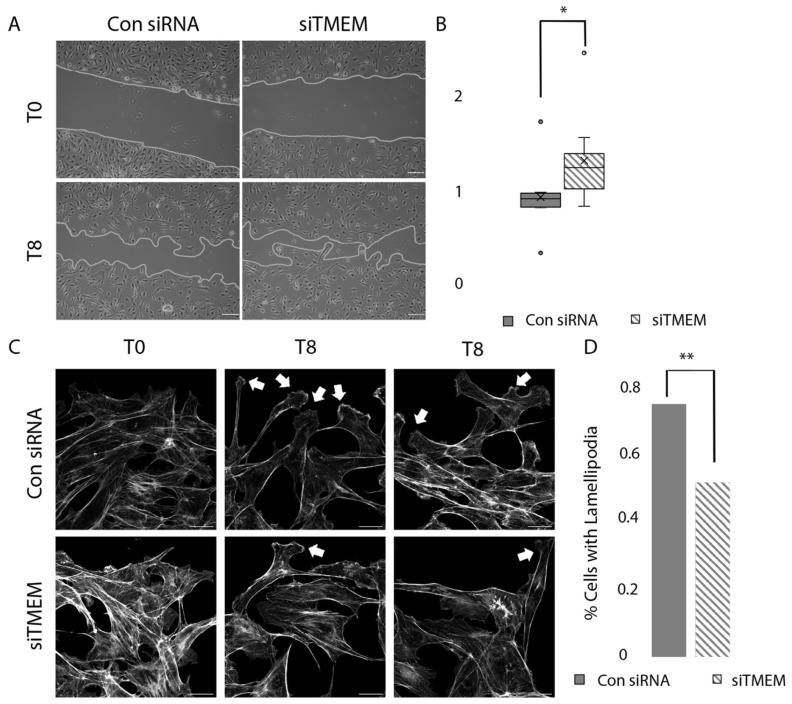 Figure 6
Peer Reviews
No public reviews on file for this paper yet. If you reviewed it on a platform where reviews are public (OpenReview, ICLR, NeurIPS, ICML), you can paste yours below so the community can read it here.
Videos
No videos yet. Explain this paper in a talk, walkthrough, or lecture? Add one.
Taxonomy
TopicsZebrafish Biomedical Research Applications · Hippo pathway signaling and YAP/TAZ · Cellular Mechanics and Interactions