PEBP1 and 15-LO-1 in Asthma: Biomarker Potential for Diagnosis and Severity Stratification
Vijayalakshmi Vadde, Mohammed Kaleem Ullah, Mandya Venkateshmurthy Greeshma, Muhlisa Muhammed Ali Laila, Athira Nair, Sivasubramaniam Karunakaran, SubbaRao V. Madhunapantula, Sindaghatta Krishnarao Chaya, Komarla Sundararaja Lokesh, Jayaraj Biligere Siddaiah

TL;DR
This study finds that PEBP1 and 15-LO-1 are potential biomarkers for asthma diagnosis and severity, with PEBP1 showing strong associations with severe asthma.
Contribution
The study identifies PEBP1 as a novel biomarker for asthma severity and confirms 15-LO-1's role in asthma diagnosis.
Findings
Low PEBP1 levels are strongly associated with asthma and severe asthma (p < 0.001).
PEBP1 and 15-LO-1 show excellent discriminative capacity for asthma diagnosis (AUC 0.962 and 0.895, respectively).
Lower PEBP1 and higher 15-LO-1 levels correlate with reduced lung function parameters.
Abstract
Background: Ferroptosis, a regulated form of cell death characterized by iron-dependent lipid peroxidation, has been implicated in the pathogenesis of asthma. The ferroptosis markers PEBP1 and 15-LO-1 are increasingly recognized as potential biomarkers for asthma. This study investigates the association of these markers with asthma and its severity to evaluate their diagnostic potential. Methods: This cross-sectional study included 45 asthmatic patients and 45 healthy controls. Serum phosphatidylethanolamine-binding protein 1 (PEBP1) and 15-lipoxygenase-1 (15-LO-1) levels were measured using ELISA. Spirometric parameters (FEV1, FEV1/FVC ratio, and PEFR) were recorded. A multivariate regression assessed associations between ferroptosis markers and asthma severity. A generalized linear model (GLM) analyzed the relationship between biomarkers (PEBP1 and 15-LO-1) and lung function…
Genes, proteins, chemicals, diseases, species, mutations and cell lines named across the full text — each resolved to its canonical identifier and authoritative record.
Click any figure to enlarge with its caption.
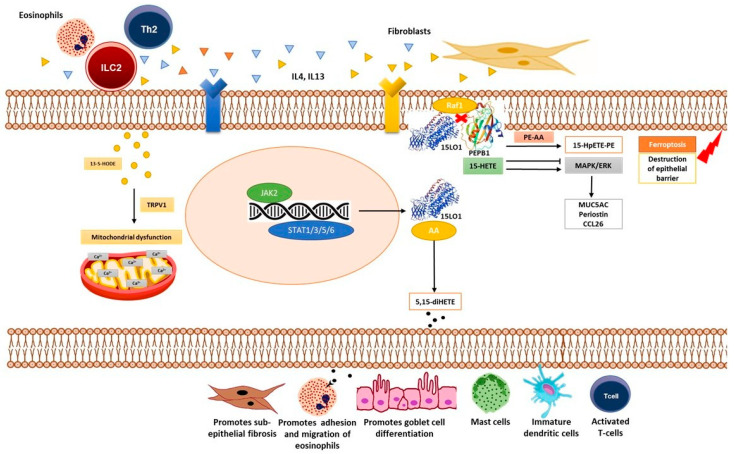 Figure 1
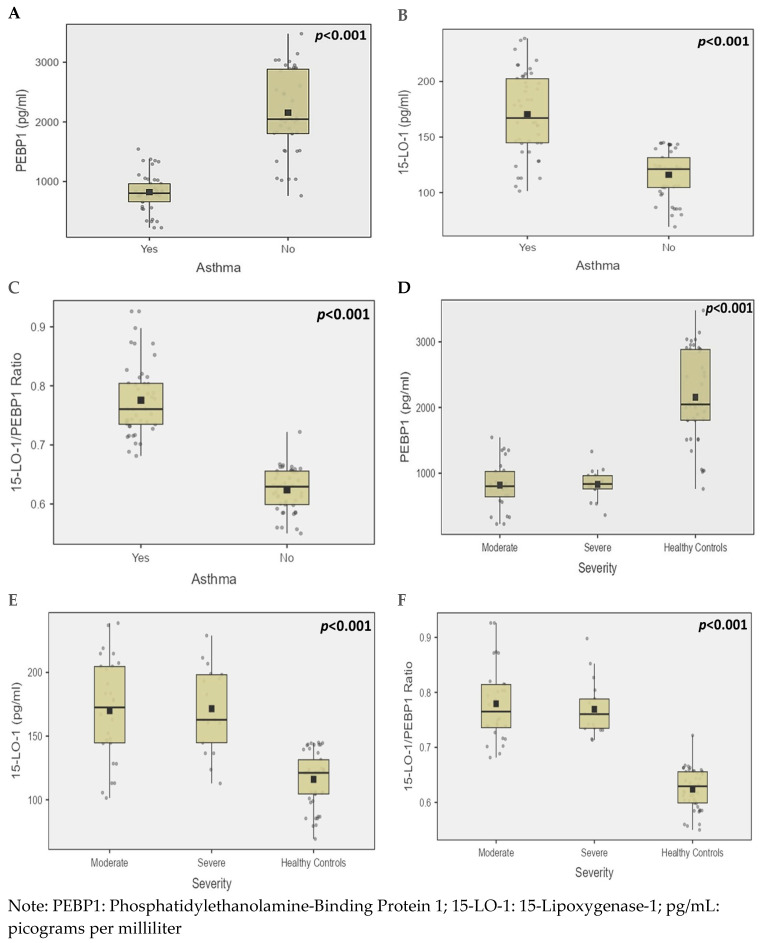 Figure 2
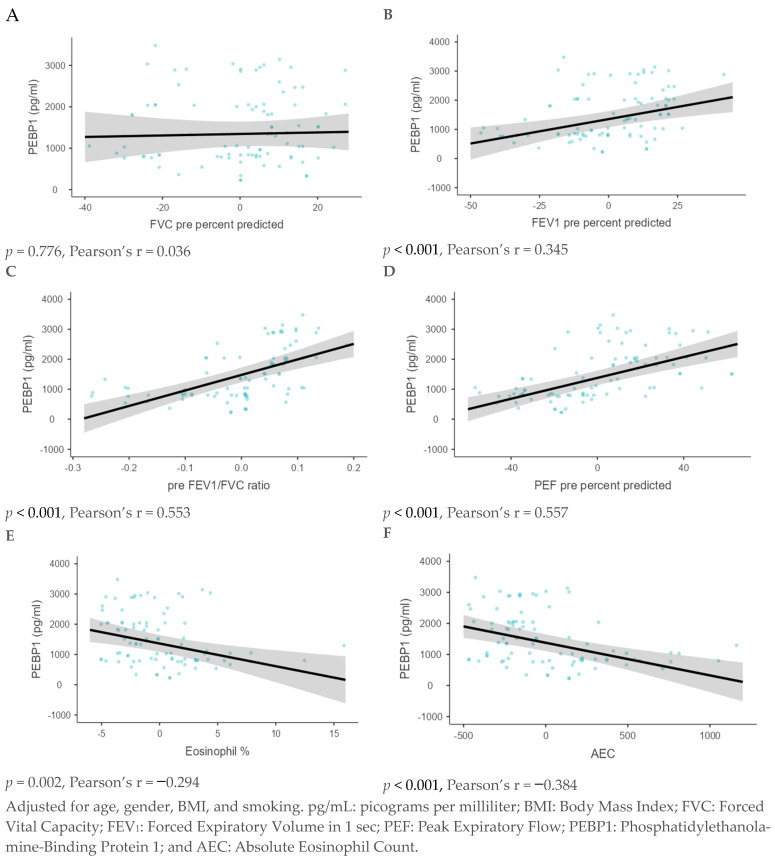 Figure 3
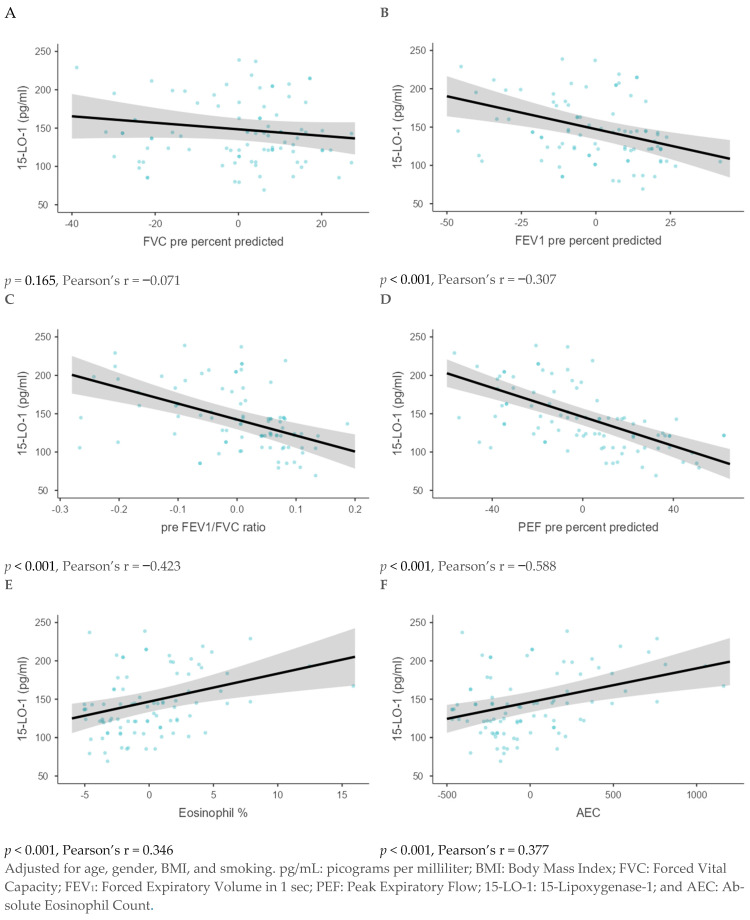 Figure 4
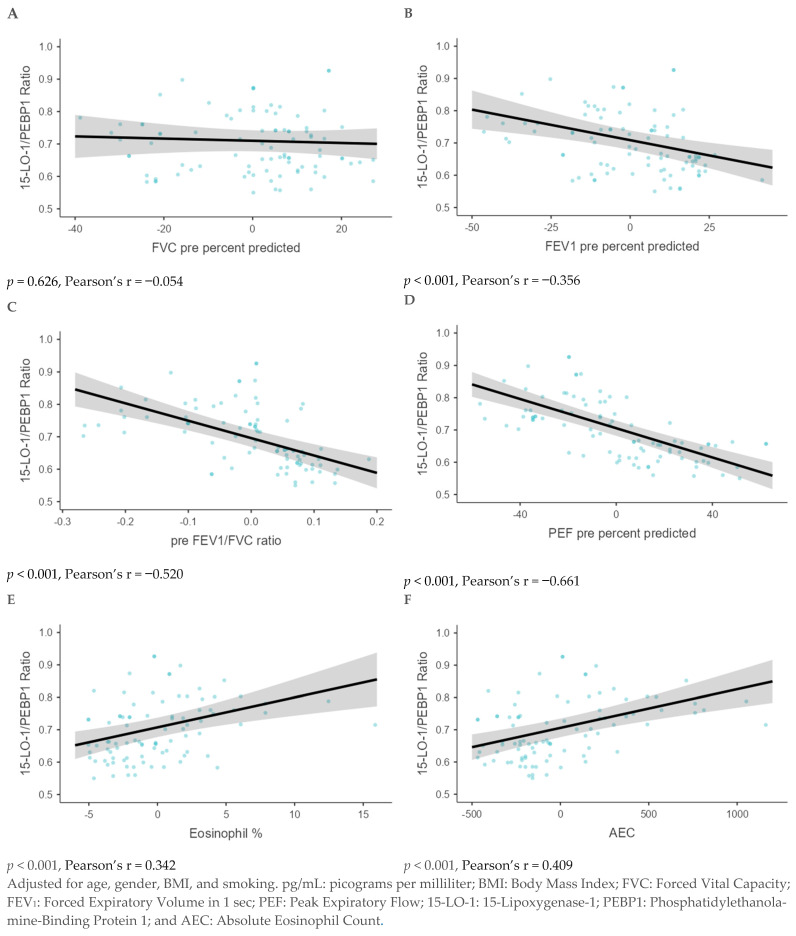 Figure 5
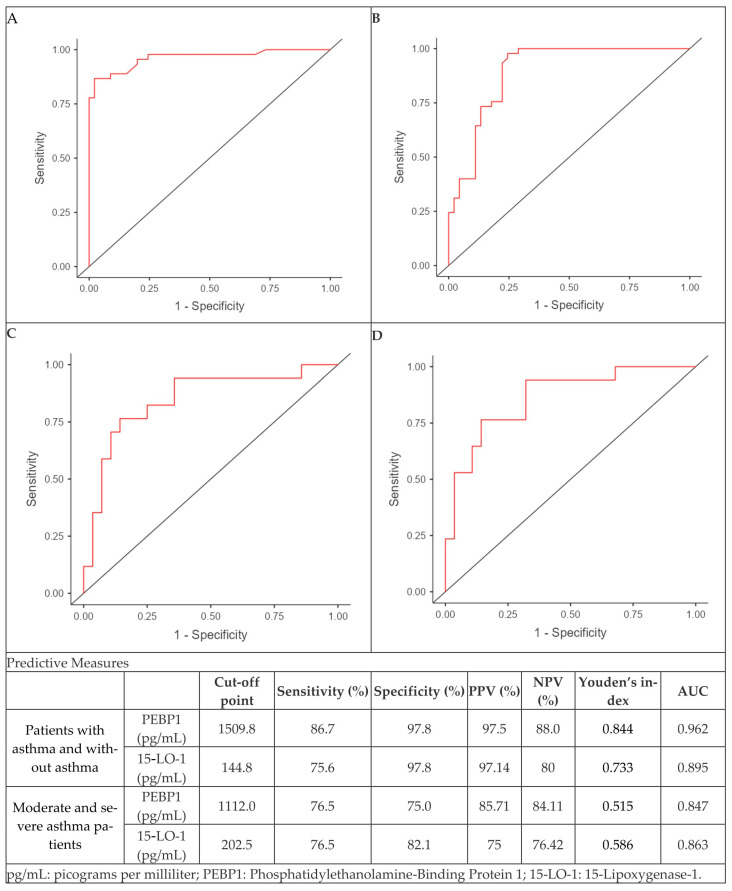 Figure 6
Peer Reviews
No public reviews on file for this paper yet. If you reviewed it on a platform where reviews are public (OpenReview, ICLR, NeurIPS, ICML), you can paste yours below so the community can read it here.
Videos
No videos yet. Explain this paper in a talk, walkthrough, or lecture? Add one.
Taxonomy
TopicsFerroptosis and cancer prognosis · Epigenetics and DNA Methylation · Cancer-related gene regulation