iDNS3IP: Identification and Characterization of HCV NS3 Protease Inhibitory Peptides
Hui-Ju Kao, Tzu-Hsiang Weng, Chia-Hung Chen, Chen-Lin Yu, Yu-Chi Chen, Chen-Chen Huang, Kai-Yao Huang, Shun-Long Weng

TL;DR
This paper introduces a new computational tool to identify peptides that inhibit the HCV NS3 protease, which could help in developing better antiviral therapies.
Contribution
The first computational model specifically designed to identify HCV NS3 protease inhibitory peptides using machine learning and a web-based tool.
Findings
Machine learning models achieved 98.85% accuracy using SVM and 97.83% with RF in predicting NS3IPs.
The web-based tool iDNS3IP enables real-time prediction and includes a BLAST-based similarity search.
Feature space analyses showed distinguishable clustering between inhibitory and non-inhibitory peptides.
Abstract
Hepatitis C virus (HCV) infection remains a significant global health burden, driven by the emergence of drug-resistant strains and the limited efficacy of current antiviral therapies. A promising strategy for therapeutic intervention involves targeting the NS3 protease, a viral enzyme essential for replication. In this study, we present the first computational model specifically designed to identify NS3 protease inhibitory peptides (NS3IPs). Using amino acid composition (AAC) and K-spaced amino acid pair composition (CKSAAP) features, we developed machine learning classifiers based on support vector machine (SVM) and random forest (RF), achieving accuracies of 98.85% and 97.83%, respectively, validated through 5-fold cross-validation and independent testing. To support the accessibility of the strategy, we implemented a web-based tool, iDNS3IP, which enables real-time prediction of…
Genes, proteins, chemicals, diseases, species, mutations and cell lines named across the full text — each resolved to its canonical identifier and authoritative record.
Click any figure to enlarge with its caption.
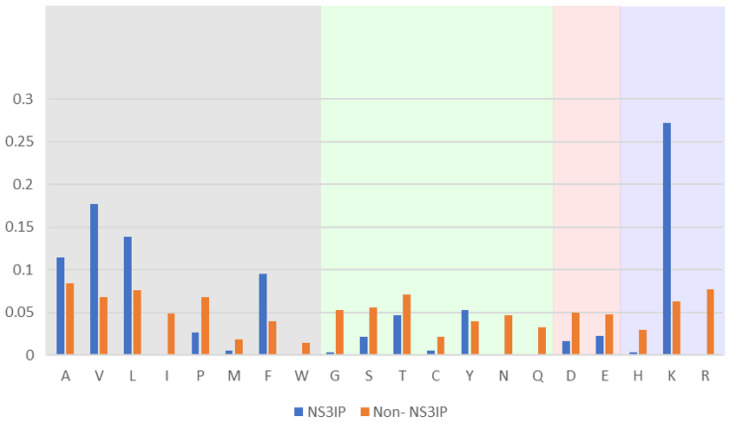 Figure 1
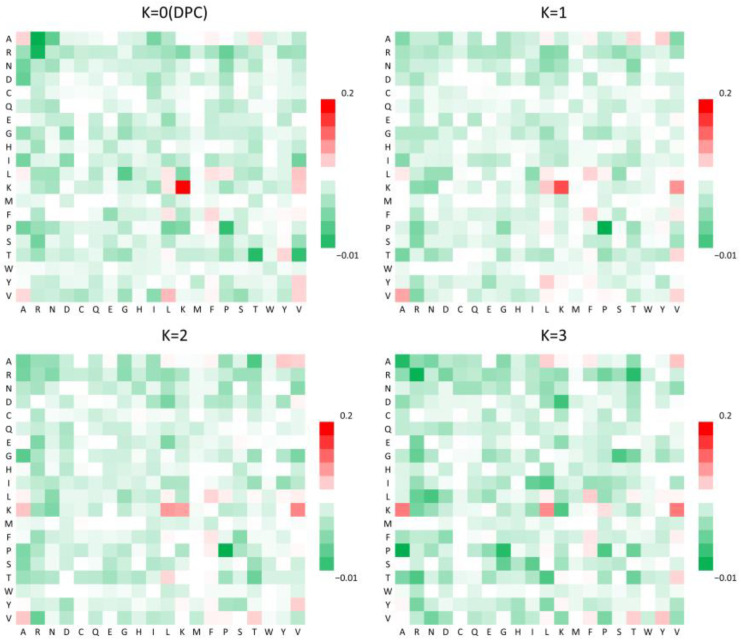 Figure 2
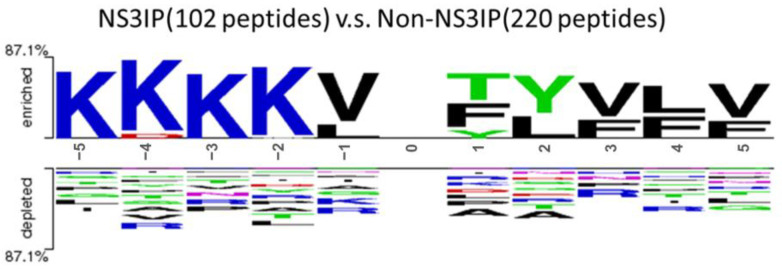 Figure 3
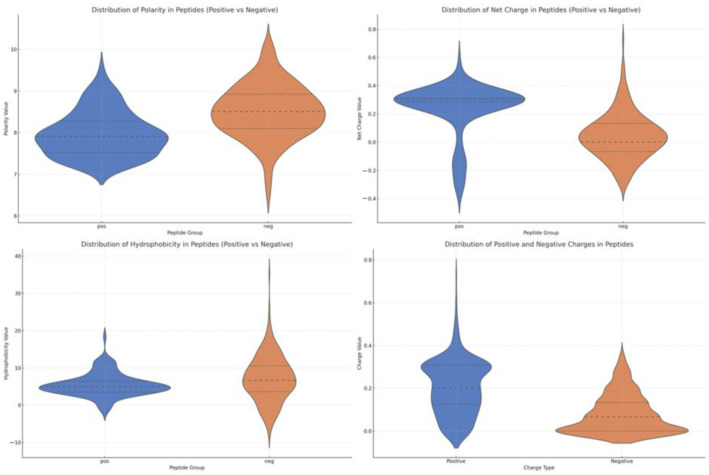 Figure 4
 Figure 5
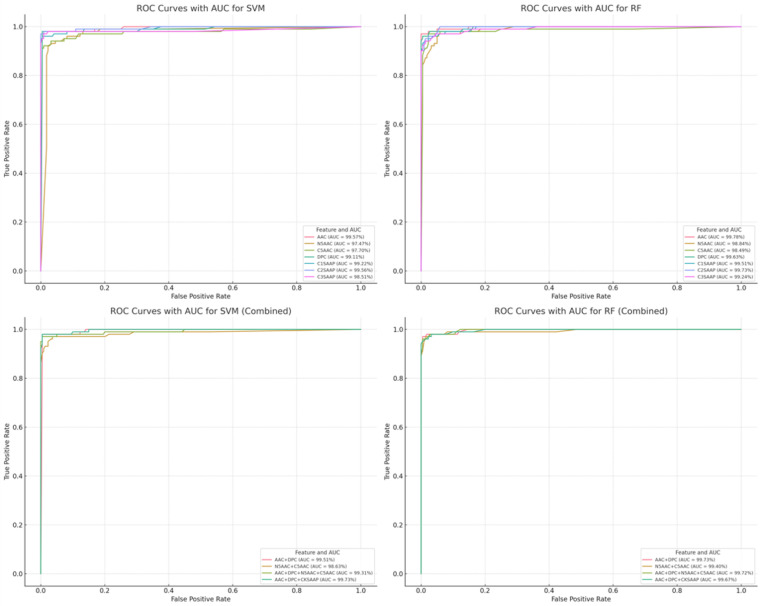 Figure 6
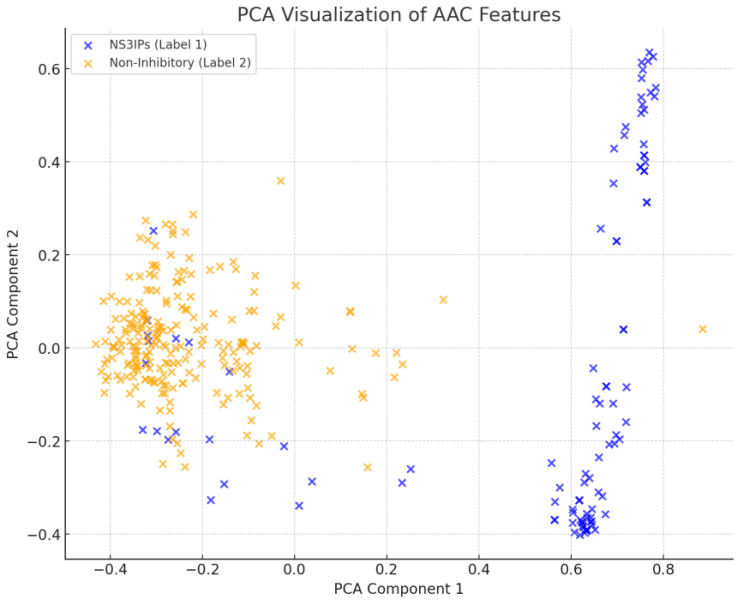 Figure 7
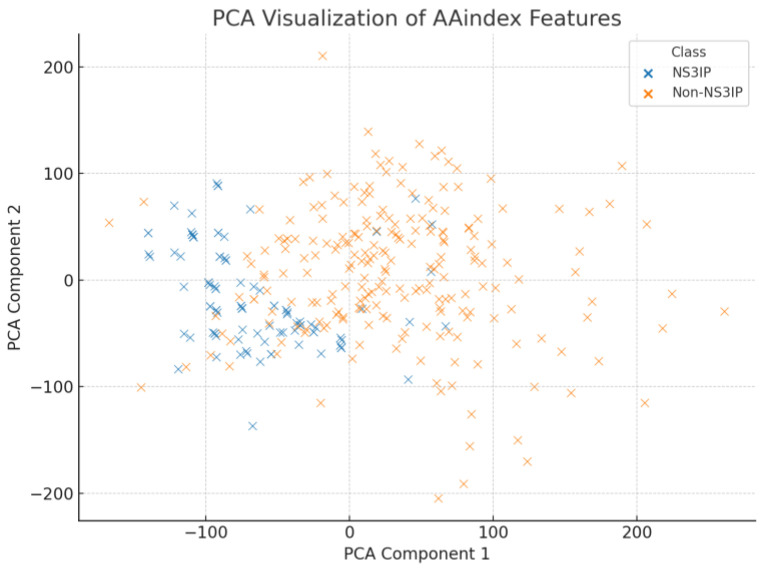 Figure 8
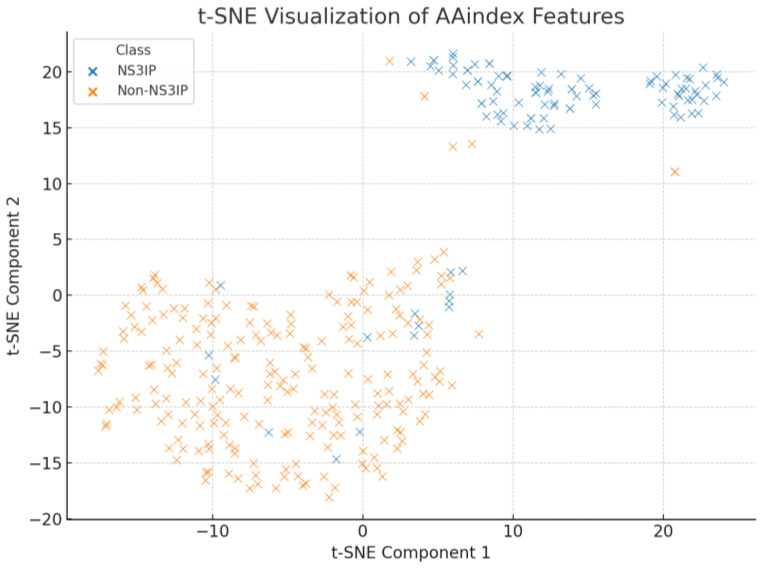 Figure 9
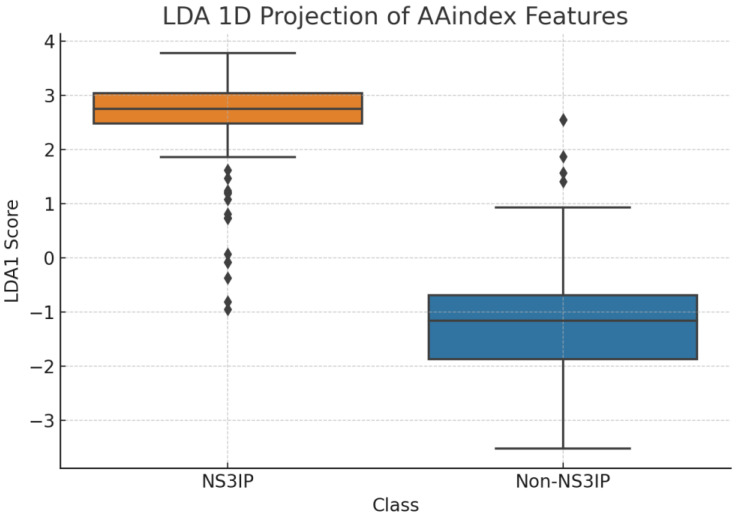 Figure 10
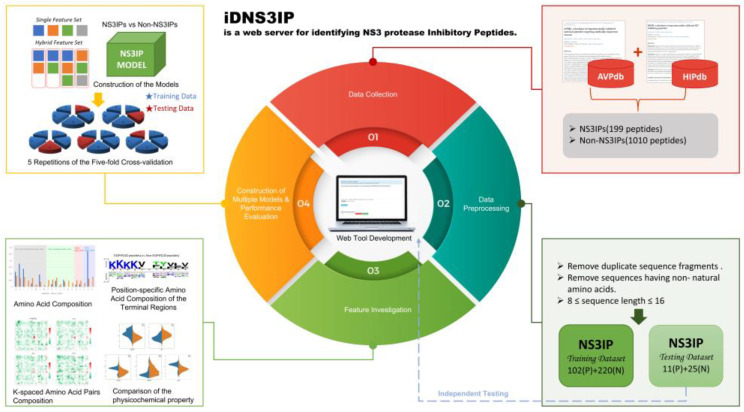 Figure 11
Peer Reviews
No public reviews on file for this paper yet. If you reviewed it on a platform where reviews are public (OpenReview, ICLR, NeurIPS, ICML), you can paste yours below so the community can read it here.
Videos
No videos yet. Explain this paper in a talk, walkthrough, or lecture? Add one.
Taxonomy
Topicsvaccines and immunoinformatics approaches · Hepatitis C virus research · Machine Learning in Bioinformatics