Non-Coding RNAs in Diagnostic Pathology of High-Grade Central Osteosarcoma
Albert Roessner, Sabine Franke, Julian Schreier, Sarah R. Ullmann, Franziska S. Karras

TL;DR
This review explores how non-coding RNAs could improve the accuracy of diagnosing high-grade central osteosarcoma, a type of bone cancer.
Contribution
The paper reviews the emerging role of non-coding RNA expression patterns as a diagnostic tool for osteosarcoma, complementing traditional histological methods.
Findings
Non-coding RNA expression patterns can help distinguish between benign and malignant bone tumors.
MicroRNA expression differences aid in differentiating osteosarcoma from other bone tumors like osteoblastoma and giant-cell tumors.
Application of non-coding RNA diagnostics for osteosarcoma remains in early stages and requires further research.
Abstract
A histological evaluation remains the cornerstone of diagnosing highly malignant osteosarcoma, having demonstrated its efficacy and reliability over several decades. However, despite these advancements, misdiagnoses with severe consequences, including inadequate surgical procedures, continue to occur. Consequently, there is a pressing need to further enhance diagnostic security. Adjunct immunohistochemical approaches have demonstrated significant effectiveness in regard to cancer diagnostics, generally. However, their utility for identifying highly malignant osteosarcoma is limited. Molecular genetic findings have significantly improved the diagnosis of Ewing’s sarcoma by identifying specific translocations and have been used to detect specific IDH gene mutations in chondrosarcoma. Nevertheless, molecular genetic alterations in highly malignant osteosarcoma exhibit a high degree of…
Genes, proteins, chemicals, diseases, species, mutations and cell lines named across the full text — each resolved to its canonical identifier and authoritative record.
Click any figure to enlarge with its caption.
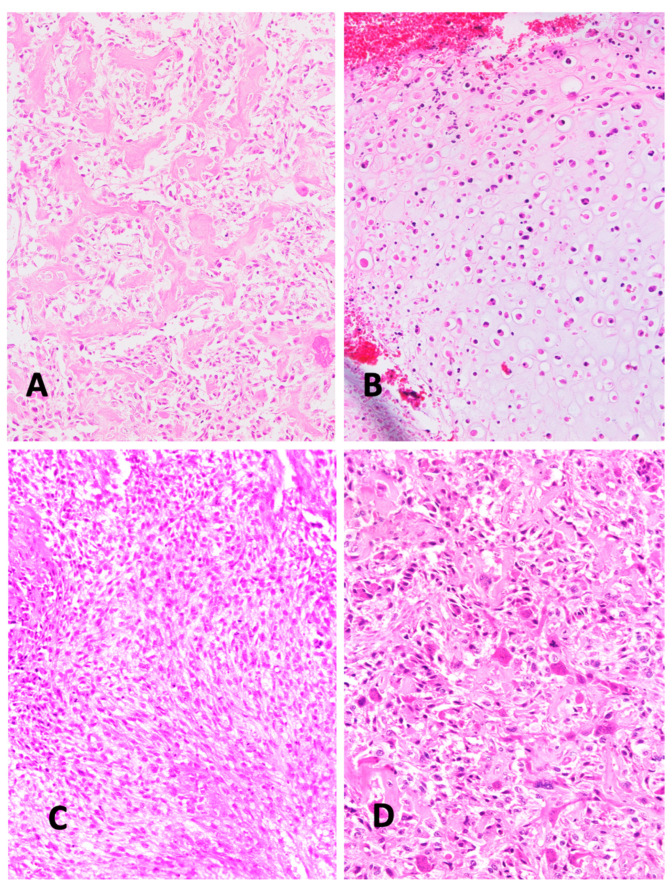 Figure 1
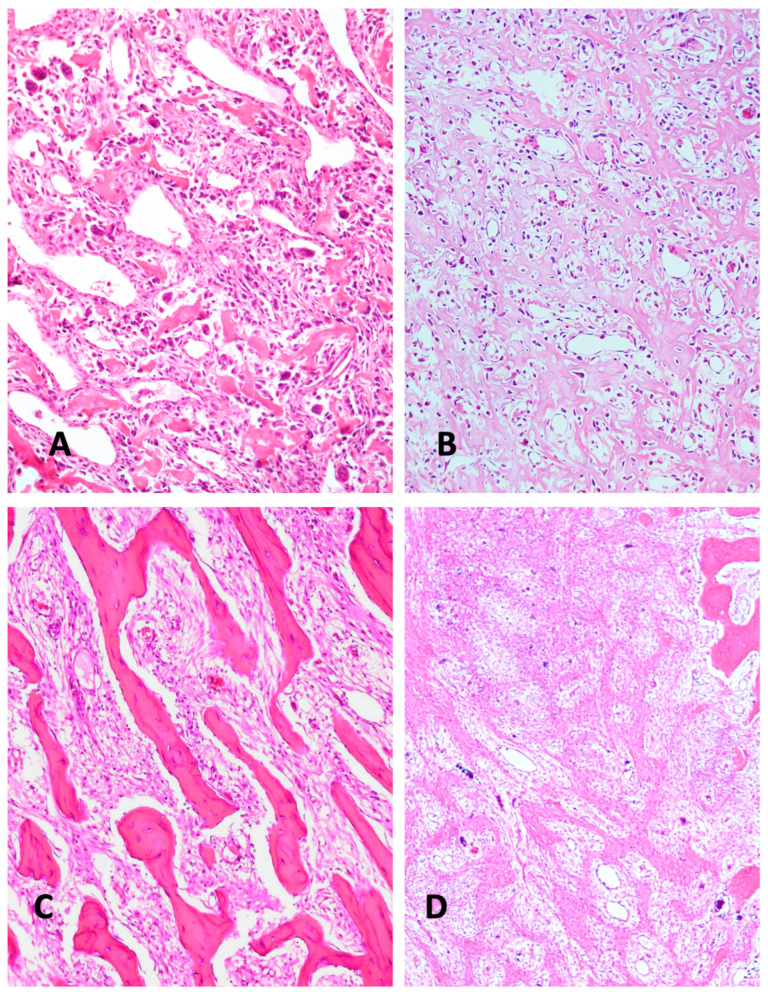 Figure 2
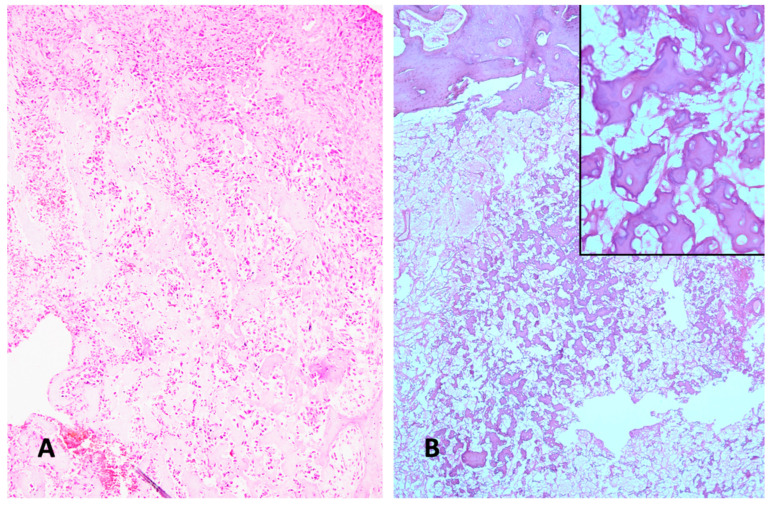 Figure 3
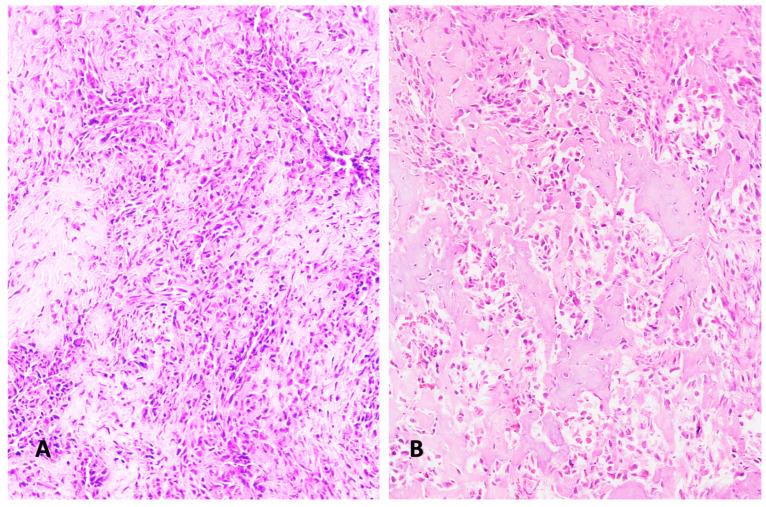 Figure 4
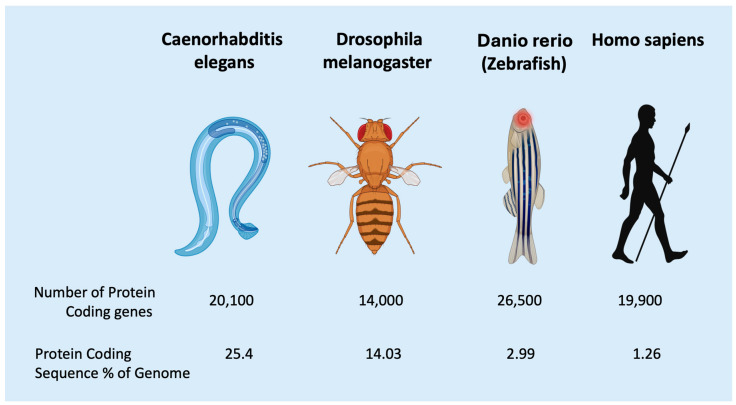 Figure 5
Peer Reviews
No public reviews on file for this paper yet. If you reviewed it on a platform where reviews are public (OpenReview, ICLR, NeurIPS, ICML), you can paste yours below so the community can read it here.
Videos
No videos yet. Explain this paper in a talk, walkthrough, or lecture? Add one.
Taxonomy
TopicsCancer-related molecular mechanisms research · RNA modifications and cancer · Circular RNAs in diseases