Combining xQTL and genome-wide association studies from ethnically diverse populations improves druggable gene discovery
Noah Lorincz-Comi, Wenqiang Song, Xin Chen, Isabela Rivera Paz, Yuan Hou, Yadi Zhou, Jielin Xu, William Martin, John Barnard, Andrew A. Pieper, Jonathan L Haines, Mina Chung, Feixiong Cheng

TL;DR
This paper shows how combining genetic data from diverse populations improves the discovery of drug targets for complex diseases like Alzheimer's and diabetes.
Contribution
The novel contribution is GenT, a framework for gene-based association testing that integrates multi-ancestry GWAS and functional genomic data to discover druggable genes.
Findings
GenT identified 16, 15, 35, and 83 druggable genes for Alzheimer’s disease, ALS, major depression, and schizophrenia.
MuGenT uncovered 28 new druggable genes for type 2 diabetes missed by previous GWAS.
NTRK1 inhibition reduced tau hyper-phosphorylation in Alzheimer’s patient neurons, supporting the predicted drug target.
Abstract
Repurposing existing medicines to target disease-associated genes represents a promising strategy for developing new treatments for complex diseases. However, progress has been hindered by a lack of viable candidate drug targets identified through genome-wide association studies (GWAS). Gene-based association tests provide a more powerful alternative to traditional single nucleotide polymorphism (SNP)-based methods, yet current approaches often fail to leverage shared heritability across populations and to effectively integrate functional genomic data. To address these challenges, we developed GenT and its various extensions, comprising a framework of gene-based tests utilizing summary-level GWAS data. Using GenT, we identified 16, 15, 35, and 83 druggable genes linked to Alzheimer’s disease (AD), amyotrophic lateral sclerosis, major depression, and schizophrenia, respectively.…
Genes, proteins, chemicals, diseases, species, mutations and cell lines named across the full text — each resolved to its canonical identifier and authoritative record.
Click any figure to enlarge with its caption.
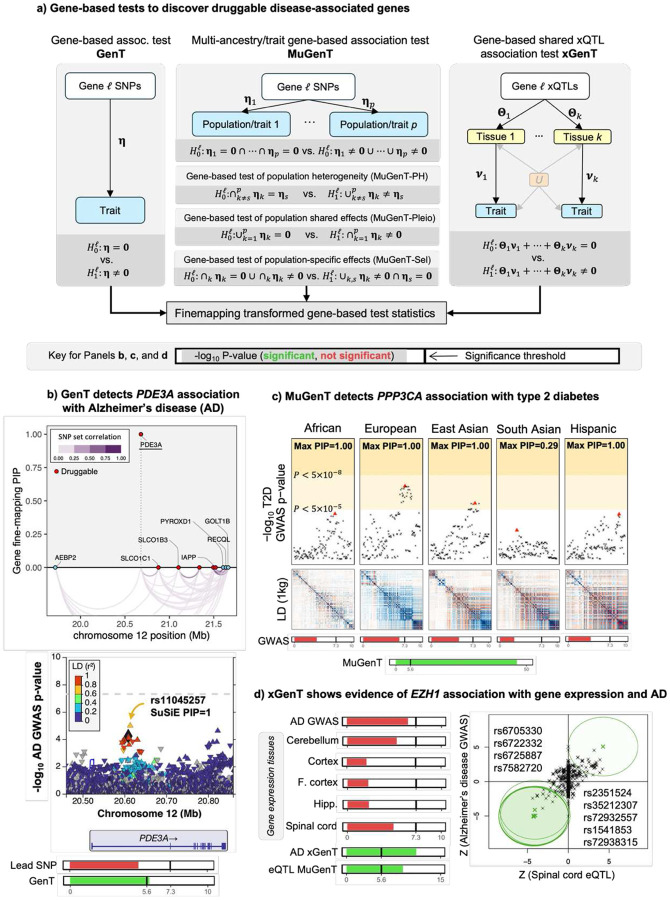 Figure 1
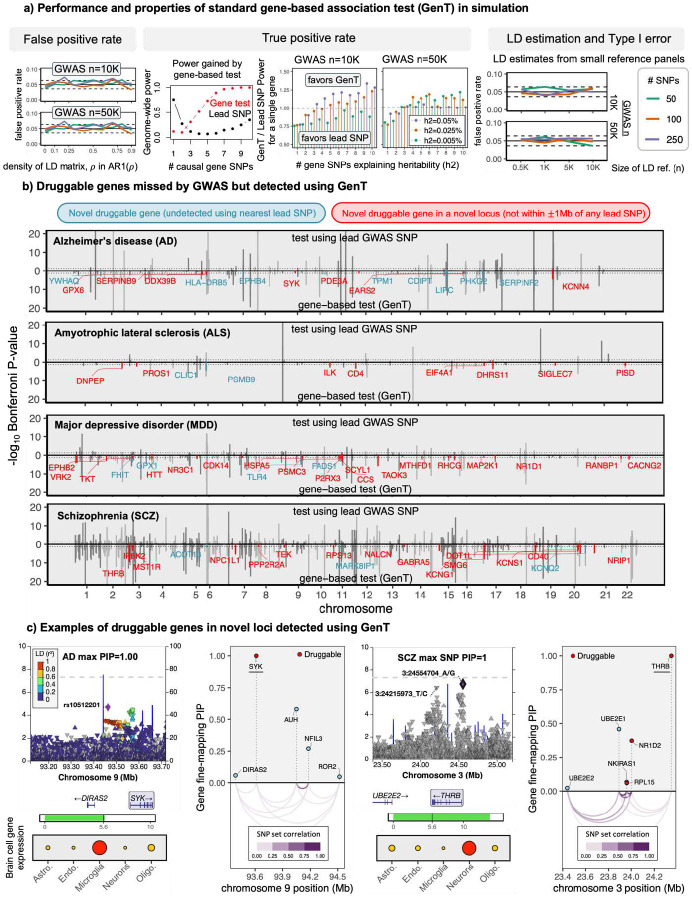 Figure 2
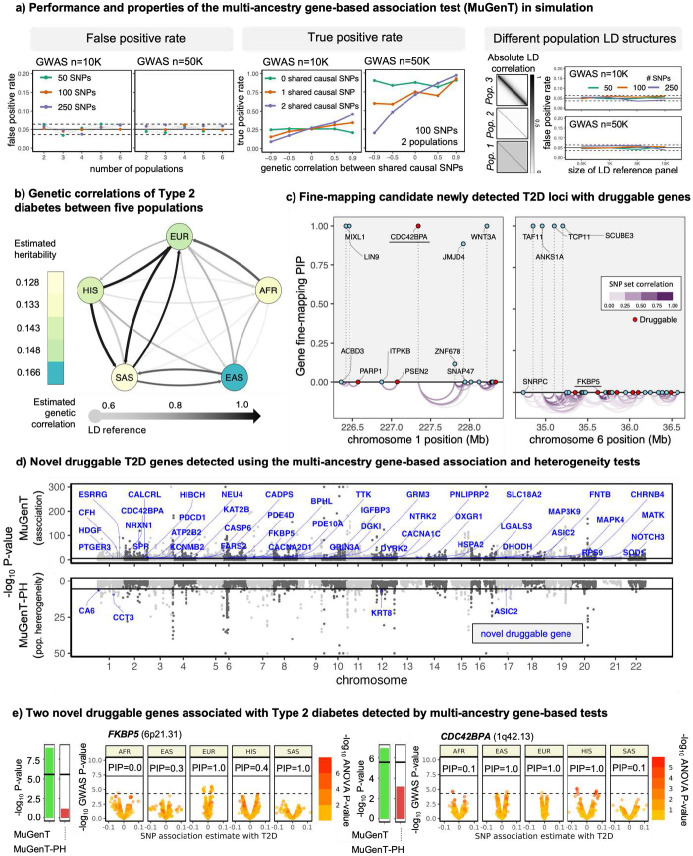 Figure 3
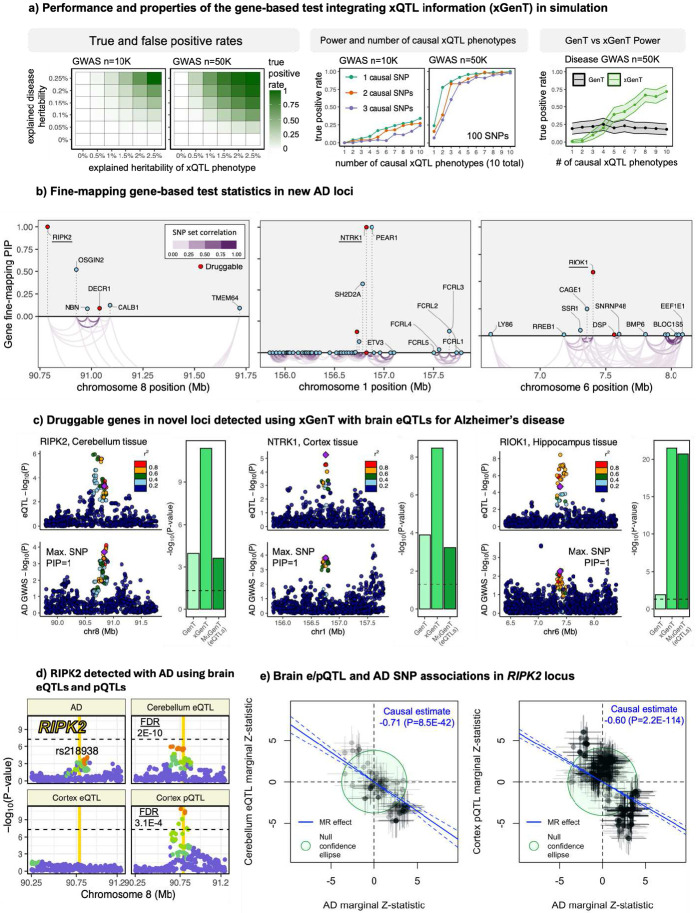 Figure 4
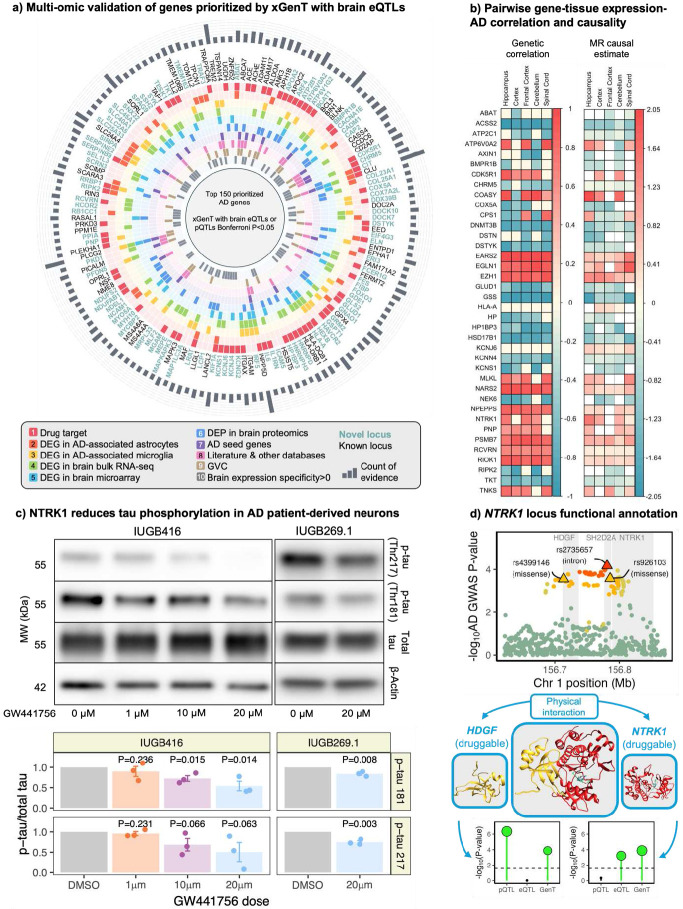 Figure 5
Peer Reviews
No public reviews on file for this paper yet. If you reviewed it on a platform where reviews are public (OpenReview, ICLR, NeurIPS, ICML), you can paste yours below so the community can read it here.
Videos
No videos yet. Explain this paper in a talk, walkthrough, or lecture? Add one.
Taxonomy
TopicsMolecular Biology Techniques and Applications · Gene expression and cancer classification · Genetic Associations and Epidemiology