Structured experience shapes strategy learning and neural dynamics in the medial entorhinal cortex
John C. Bowler, Dua Azhar, Cambria Jensen, Hyunwoo Lee, James G. Heys

TL;DR
Structured early training helps animals and AI learn better by shaping flexible strategies and neural patterns.
Contribution
Shows how the structure of early experience, not just its presence, affects learning flexibility and neural dynamics.
Findings
Structured early training leads to better generalization and flexible strategies in both mice and RNNs.
Unstructured training results in rigid strategies and repeated errors in learning complex tasks.
Dynamical motifs in neural networks trained with structured curricula support generalizable abstractions.
Abstract
Animals can solve new, complex tasks by reusing and adapting what they’ve learned before. This kind of flexibility depends not just on having prior experience, but on how that experience was structured in the first place. The design of early training curriculum is especially important: poorly structured experiences can hinder abstraction and limit generalization, while carefully structured training promotes more flexible and adaptive behavior. Yet, the neural mechanisms supporting this process remain unclear. To investigate how early training shapes learning we first trained recurrent neural networks (RNNs) on variants of an odor-timing task previously used to study complex timing behavior in mice. We then tested the RNN predictions on how previous experience affects generalization using behavioral and electrophysiological recordings in mice trained on the same task using staged…
Genes, proteins, chemicals, diseases, species, mutations and cell lines named across the full text — each resolved to its canonical identifier and authoritative record.
Click any figure to enlarge with its caption.
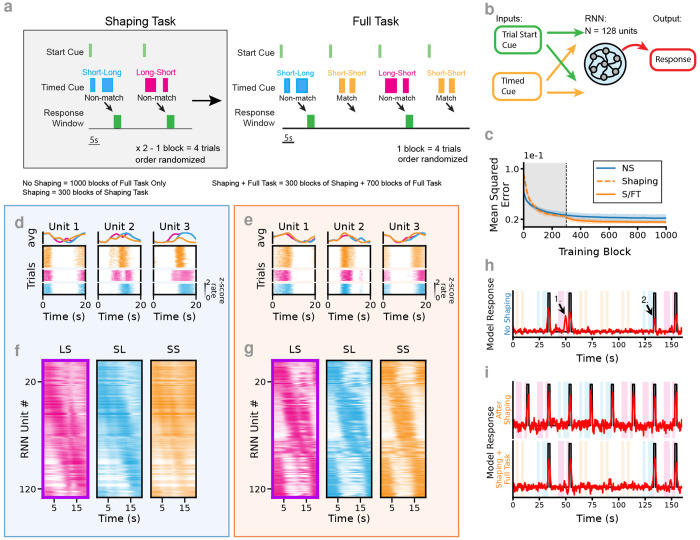 Figure 1
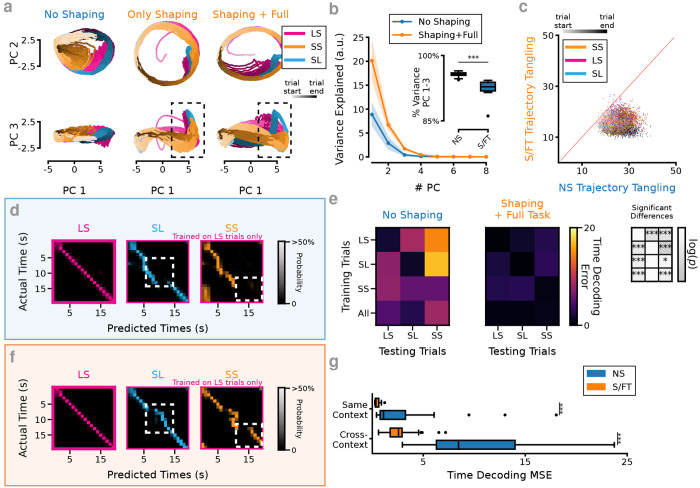 Figure 2
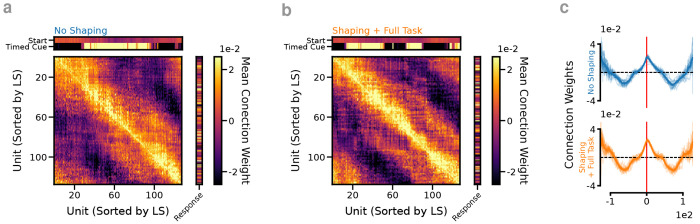 Figure 3
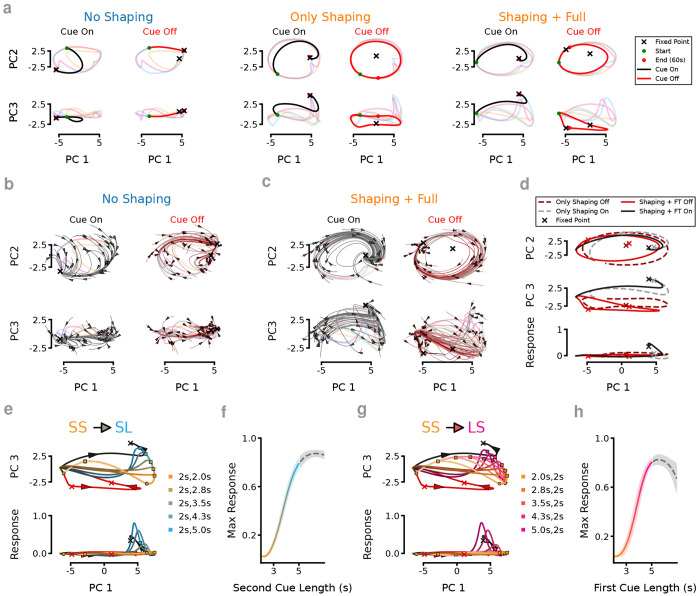 Figure 4
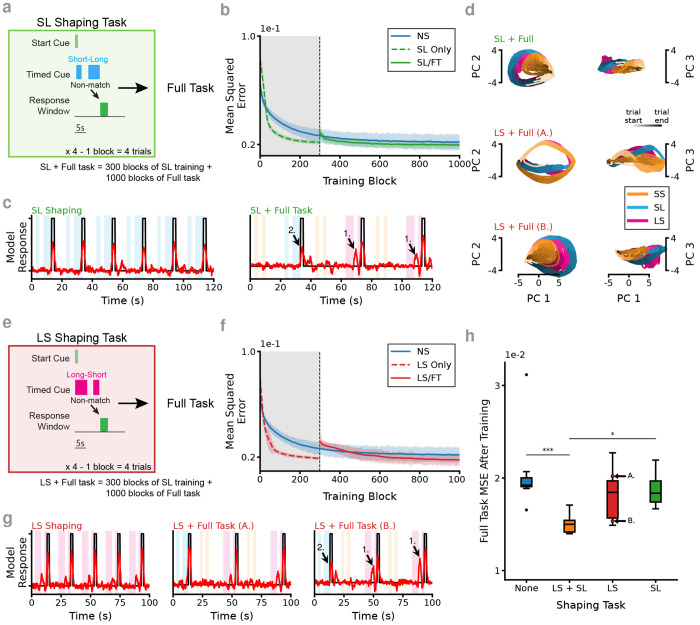 Figure 5
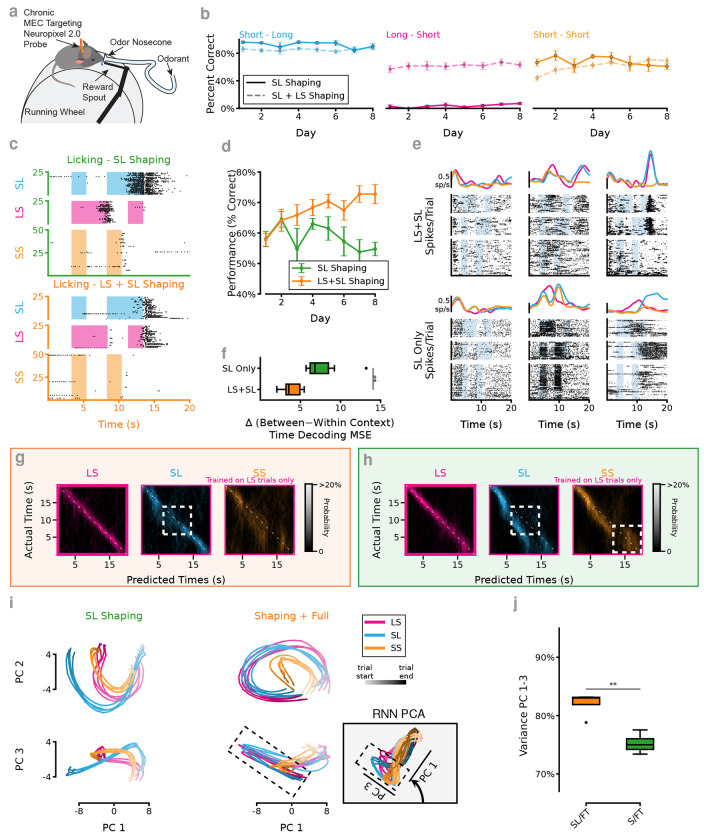 Figure 6
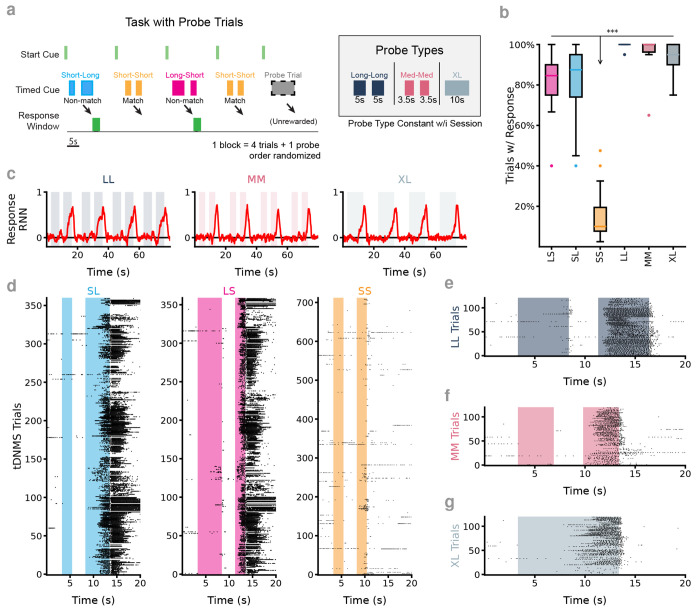 Figure 7
Peer Reviews
No public reviews on file for this paper yet. If you reviewed it on a platform where reviews are public (OpenReview, ICLR, NeurIPS, ICML), you can paste yours below so the community can read it here.
Videos
No videos yet. Explain this paper in a talk, walkthrough, or lecture? Add one.
Taxonomy
TopicsMemory and Neural Mechanisms