Copper-Chelated Hyperbranched Polyethyleneimines with Antifungal Activity against quiescent conidia and germlings of the opportunistic fungal pathogen Aspergillus nidulans
Dimitris Tsiourvas, Zili Sideratou, Eleni Mavrogonatou, Dimitris Kletsas, Vicky Sophianopoulou, Spiros Gerostathis

TL;DR
This study explores copper-chelated polymers that show antifungal activity against dormant and growing fungal cells without harming human cells.
Contribution
The novel contribution is the development of copper-chelated PEI complexes that target quiescent fungal cells and germlings of Aspergillus nidulans.
Findings
PEI-Cu complexes with Cu:N ratios of 1:4 and 1:16 show fungicidal activity against quiescent conidia of A. nidulans.
The complexes reduce hyphal growth, induce ROS, and alter mitochondrial morphology in germlings.
No cytotoxic effects were observed on human skin fibroblasts at effective concentrations.
Abstract
The rising number of immunocompromised individuals, combined with the severity of fungal infections in the general population, has contributed to a significant increase in opportunistic fungal infections, which are often associated with high mortality rates. Existing antifungal drugs, although effective, operate via a narrow range of mechanisms, leading to the rapid development of resistance, while they also primarily target growing host cells. Therefore, the need to develop next-generation antifungal agents that function via a broad range of mechanisms and/or to target dormant/quiescent cells is of great importance. In the present study, we investigate the characteristics and the potential antifungal properties of a series of copper-chelated hyperbranched polyethyleneimines (PEI-Cu) of various Cu:primary amino groups of PEI (Cu:N) molar ratios, using the opportunistic pathogen…
Genes, proteins, chemicals, diseases, species, mutations and cell lines named across the full text — each resolved to its canonical identifier and authoritative record.
Click any figure to enlarge with its caption.
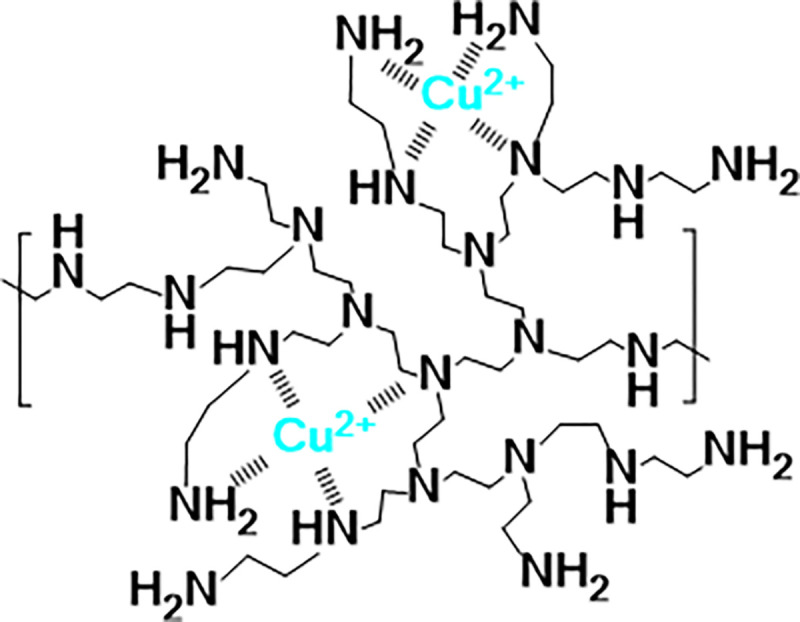 Figure 1
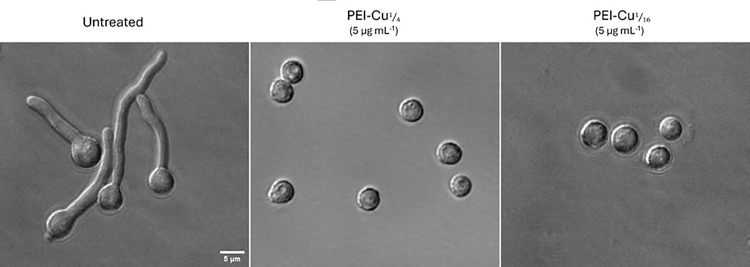 Figure 2
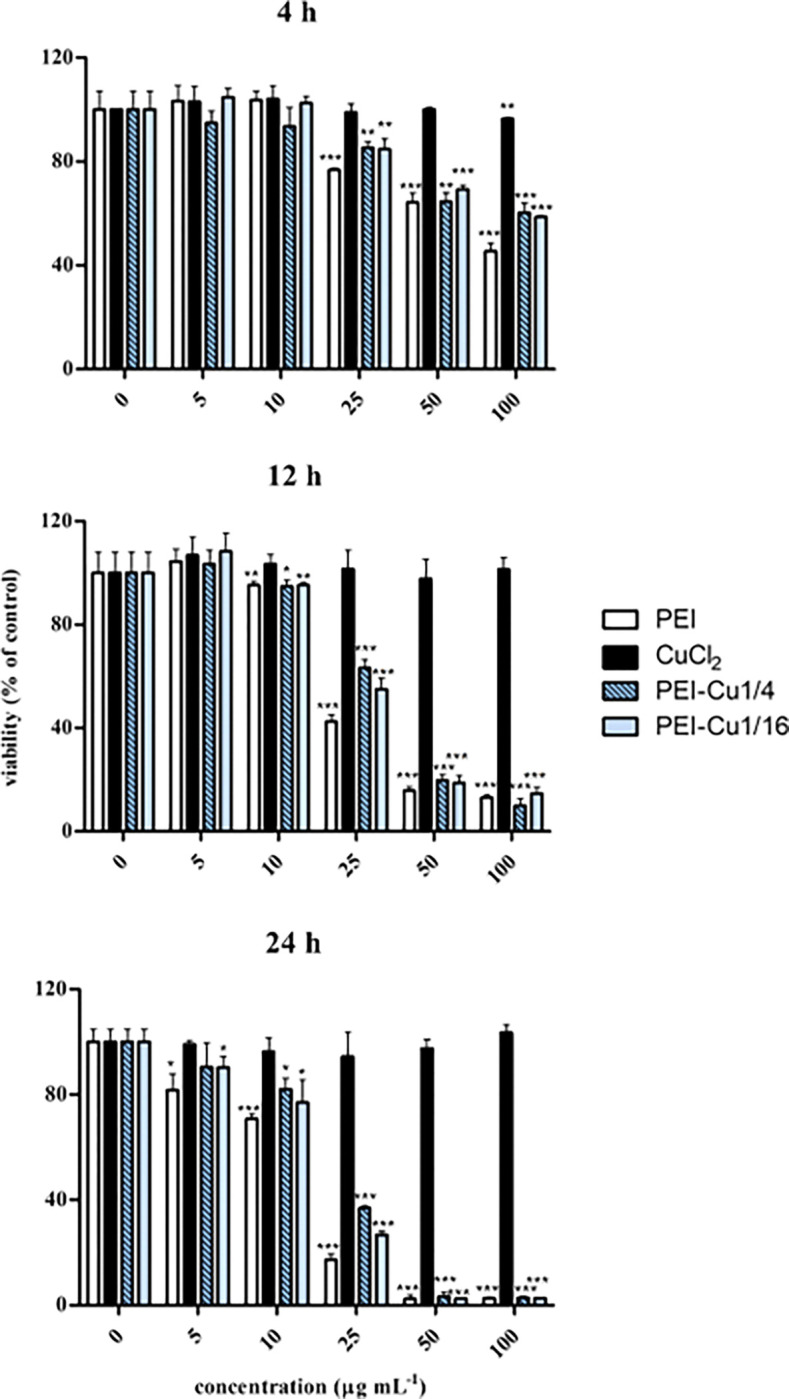 Figure 3
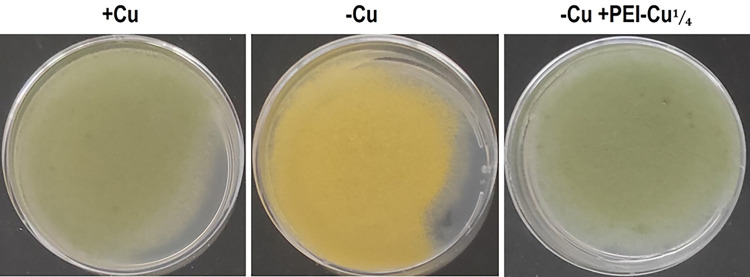 Figure 4
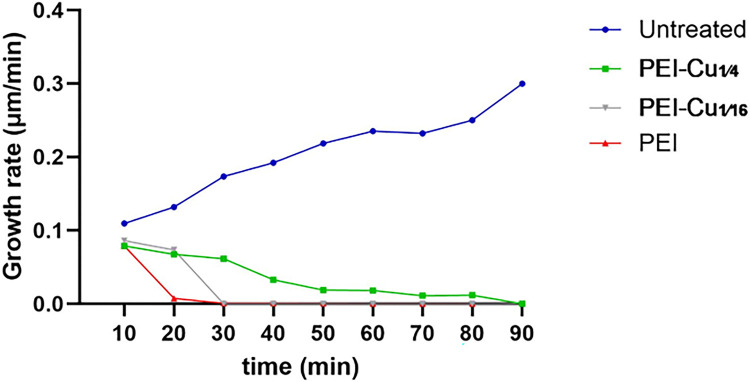 Figure 5
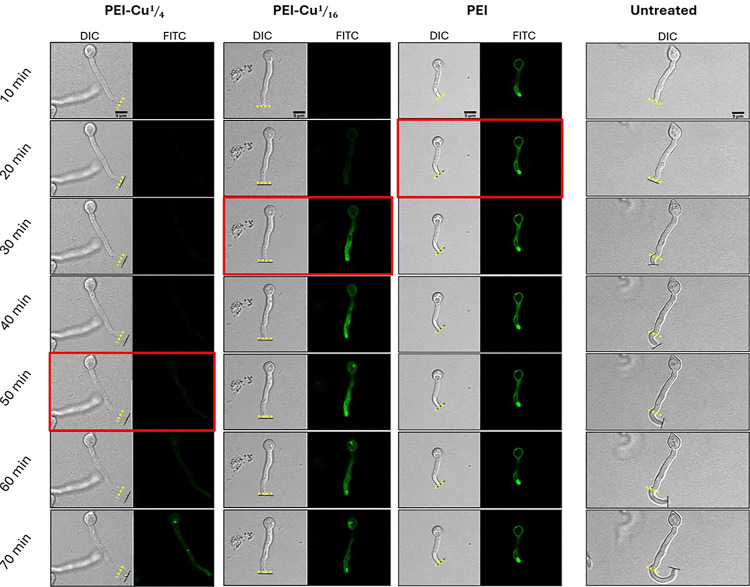 Figure 6
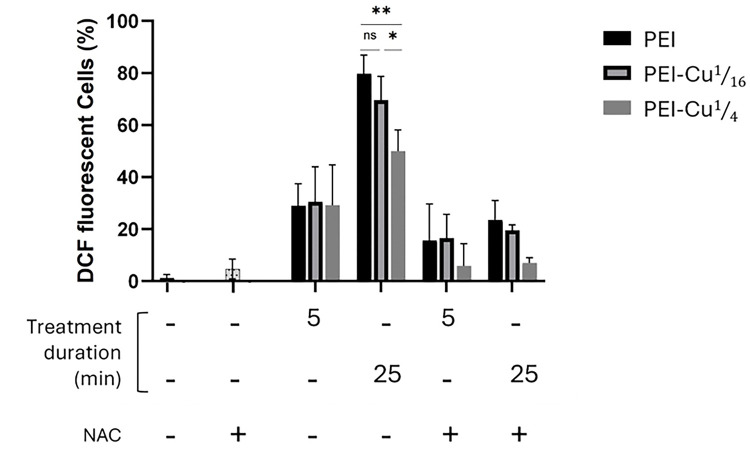 Figure 7
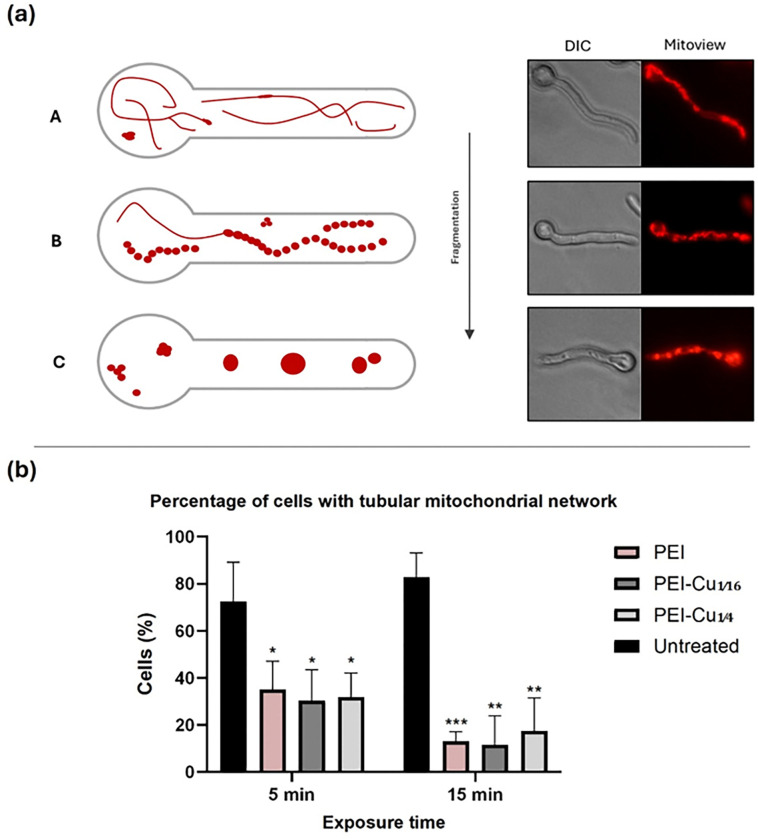 Figure 8
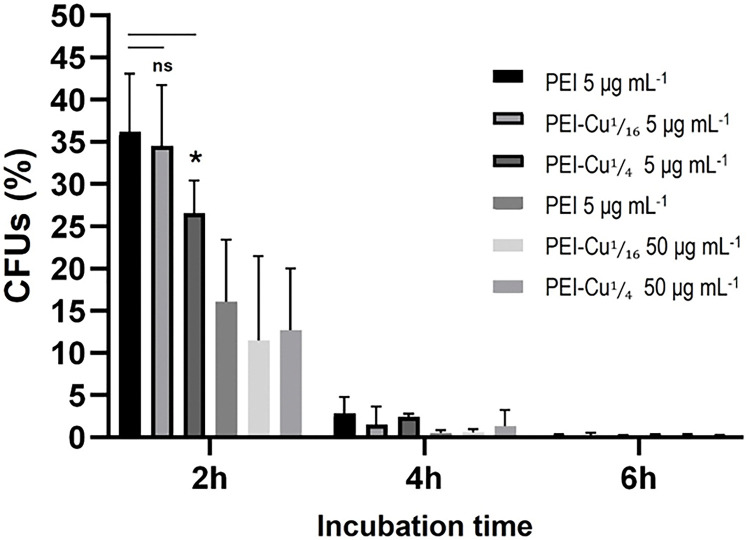 Figure 9
Peer Reviews
No public reviews on file for this paper yet. If you reviewed it on a platform where reviews are public (OpenReview, ICLR, NeurIPS, ICML), you can paste yours below so the community can read it here.
Videos
No videos yet. Explain this paper in a talk, walkthrough, or lecture? Add one.
Taxonomy
TopicsAntimicrobial agents and applications · Fungal Plant Pathogen Control · Dendrimers and Hyperbranched Polymers