Nanoscale Mechanical and Morphological Characterization of Ebolavirus-like Particles: Implications for Therapeutic Development
Hannah Hargrove, Susana A. Torres-Hurtado, Wendy J. Maury, Xiaohui Frank Zhang

TL;DR
This study uses advanced techniques to analyze the structure and mechanics of Ebola virus-like particles to improve the development of treatments.
Contribution
The study introduces a comprehensive analysis of model virions' accuracy in representing real Ebola viruses at the nanoscale.
Findings
Nanoscale characterization techniques reveal structural and mechanical traits of Ebola virus-like particles.
Variability in model virion types and preparation methods affects their accuracy in representing real Ebola virions.
Findings provide insights for improving therapeutic development using safer model virions.
Abstract
Zaire Ebolavirus (EBOV) is one type of filovirus that causes the deadly EBOV disease, with an average fatality rate of around 50%. EBOV outbreaks are devastating and unpredictable and may emerge as the next global pandemic. As a BSL-4 pathogen, EBOV is inaccessible to regular biological laboratories. Therefore, EBOV virus-like particles (EBOV-VLPs) and EBOV pseudoviruses (EBOV-PVs) are utilized in the initial development of many potential therapies, for safety reasons and ease of procurement, as opposed to using infectious viruses. To investigate the host cell entry of EBOV and develop viral entry blockers, the EBOV model virions must accurately represent the morphological and mechanical properties of infectious EBOV virions. Due to the nanometer scale and irregular shape of EBOVs, these properties are challenging to characterize. In this research, state-of-the-art nanoscale…
Genes, proteins, chemicals, diseases, species, mutations and cell lines named across the full text — each resolved to its canonical identifier and authoritative record.
Click any figure to enlarge with its caption.
 Figure 1
 Figure 2
 Figure 3
 Figure 4
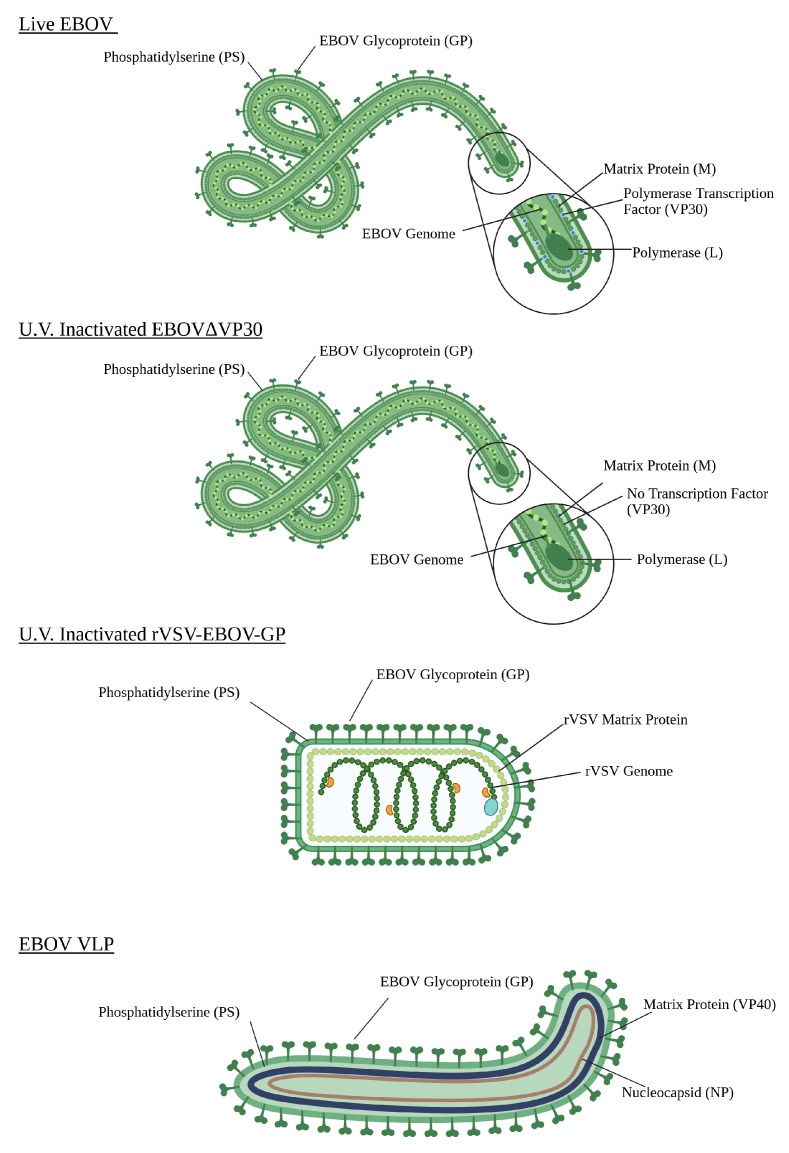 Figure 5
 Figure 6
 Figure 7
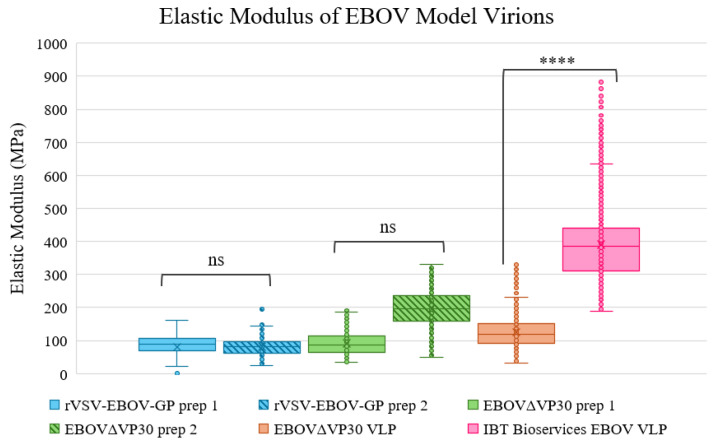 Figure 8
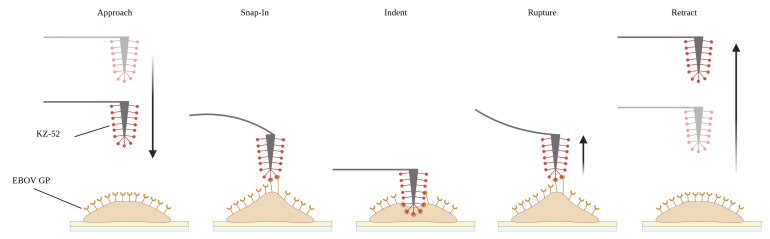 Figure 9
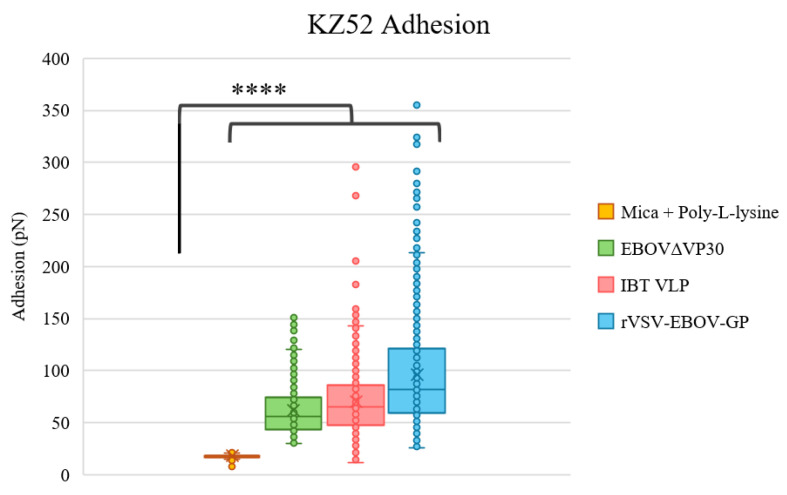 Figure 10
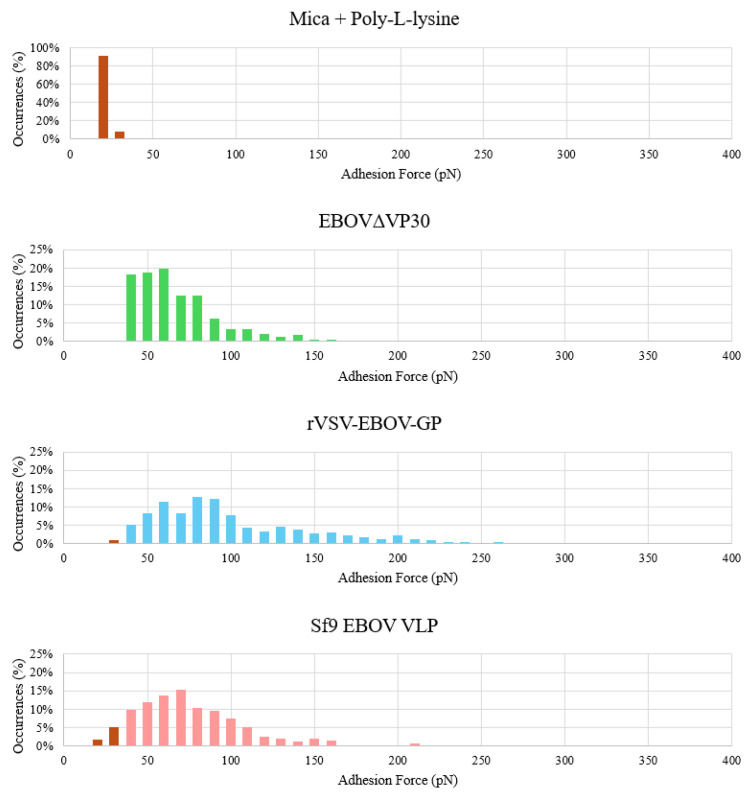 Figure 11
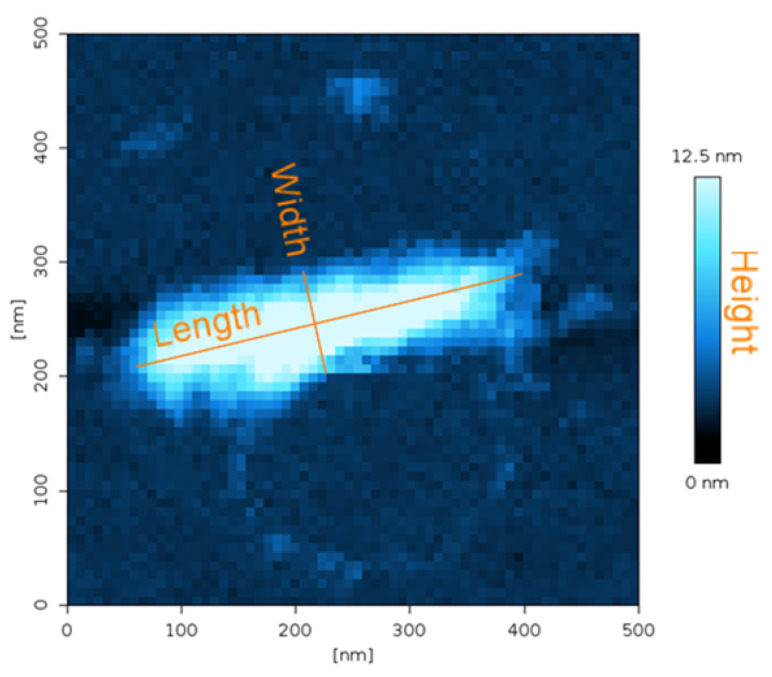 Figure 12
 Figure 13
 Figure 14
Peer Reviews
No public reviews on file for this paper yet. If you reviewed it on a platform where reviews are public (OpenReview, ICLR, NeurIPS, ICML), you can paste yours below so the community can read it here.
Videos
No videos yet. Explain this paper in a talk, walkthrough, or lecture? Add one.
Taxonomy
TopicsViral Infections and Outbreaks Research · Viral Infections and Vectors · Hepatitis B Virus Studies