Leveraging the Polymorphism of the Merozoite Surface Protein 2 (MSP2) to Engineer Molecular Tools for Predicting Malaria Episodes in a Community
Edgar Mutebwa Kalimba, Sandra Fankem Noukimi, Jean-Bosco Mbonimpa, Cabirou Mounchili Shintouo, Radouane Ouali, Mariama Telly Diallo, Antoine Vicario, Samuel Vandecasteele, Abenwie Suh Nchang, Lahngong Methodius Shinyuy, Mary Teke Efeti, Aimee Nadine Nsengiyumva Ishimwe

TL;DR
This study explores using genetic diversity in the malaria parasite's MSP2 protein to predict malaria outbreaks and improve community-based surveillance.
Contribution
The study introduces novel MSP2-derived biomarkers for malaria prediction through combined genotyping and serology.
Findings
3D7 strains of PfMSP2 were more common than FC27 in clinical isolates.
MSP2-derived antigens elicited distinct IgG responses in malaria patients and healthy individuals.
Rwandan individuals with weak or strong humoral responses to antigens experienced malaria episodes later.
Abstract
Malaria remains a significant public health challenge, particularly in endemic regions. The extensive genetic diversity of Plasmodium falciparum (Pf) complicates outbreak prediction and transmission control. One of its most polymorphic markers, merozoite surface protein 2 (MSP2), presents a potential target for molecular surveillance. This cross-sectional study, conducted at King Faisal Hospital Rwanda (KFHR) from October 2021 to June 2023, assessed MSP2’s utility in malaria prediction. PfMSP2 was sequenced, and selected amplicons were cloned, expressed in bacteria, and purified. These antigens were tested against sera from malaria patients and geographically diverse healthy individuals, with complementary surveys contextualizing serological findings. Of the 75 processed monoallelic clinical isolates, 3D7 strains predominated over FC27. Three MSP2-derived biomarkers were produced,…
Genes, proteins, chemicals, diseases, species, mutations and cell lines named across the full text — each resolved to its canonical identifier and authoritative record.
Click any figure to enlarge with its caption.
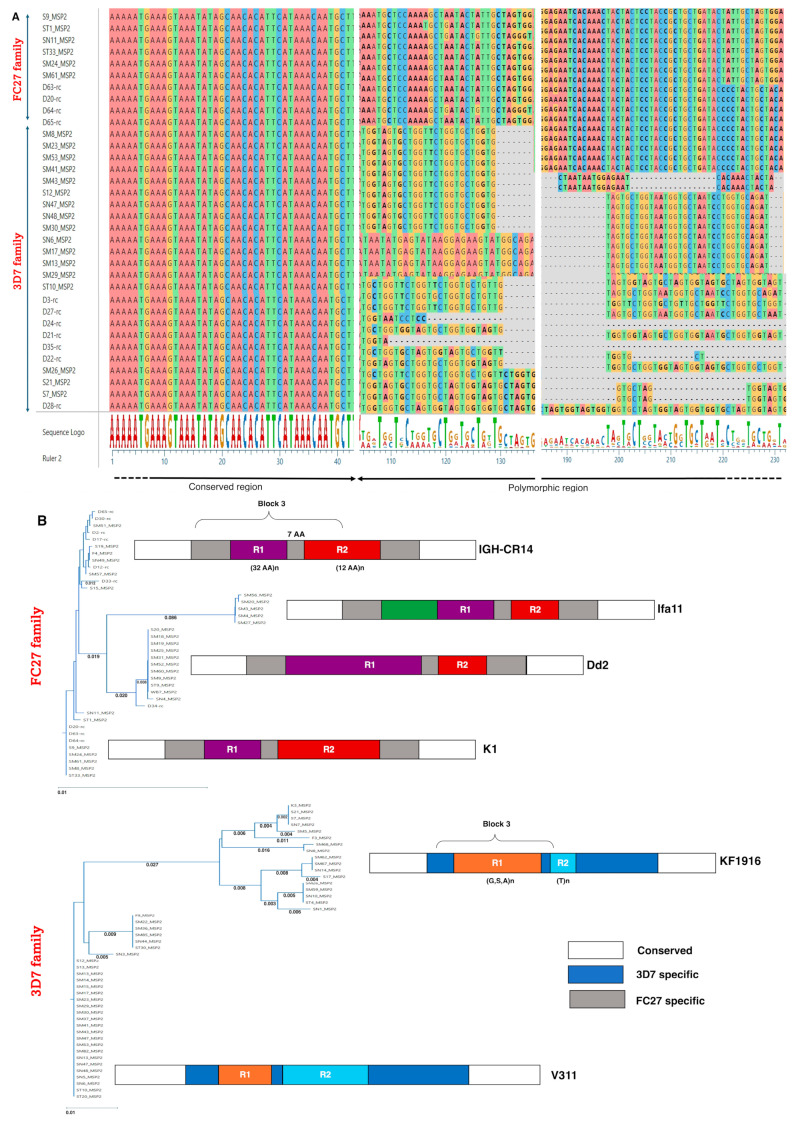 Figure 1
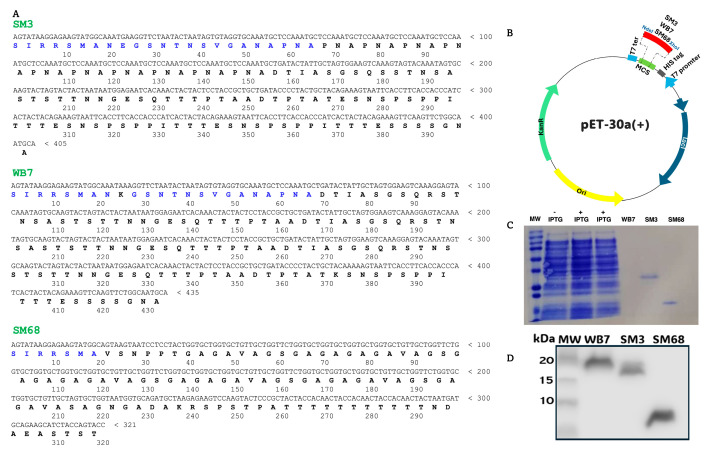 Figure 2
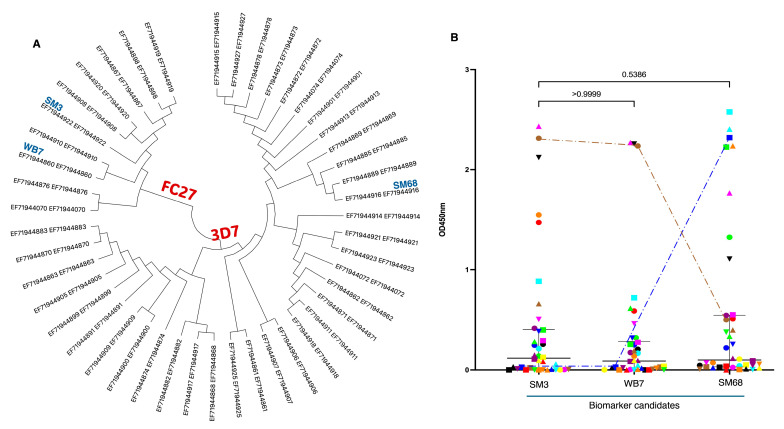 Figure 3
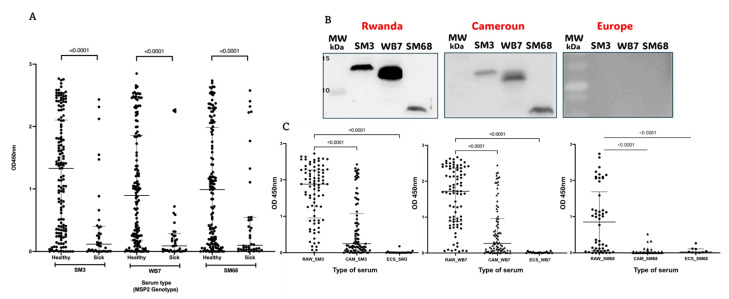 Figure 4
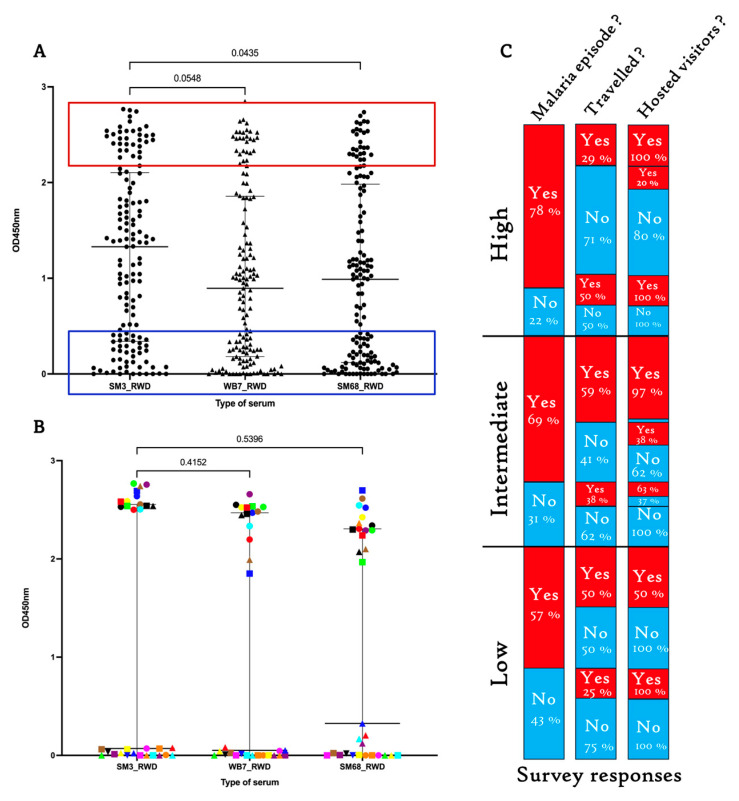 Figure 5
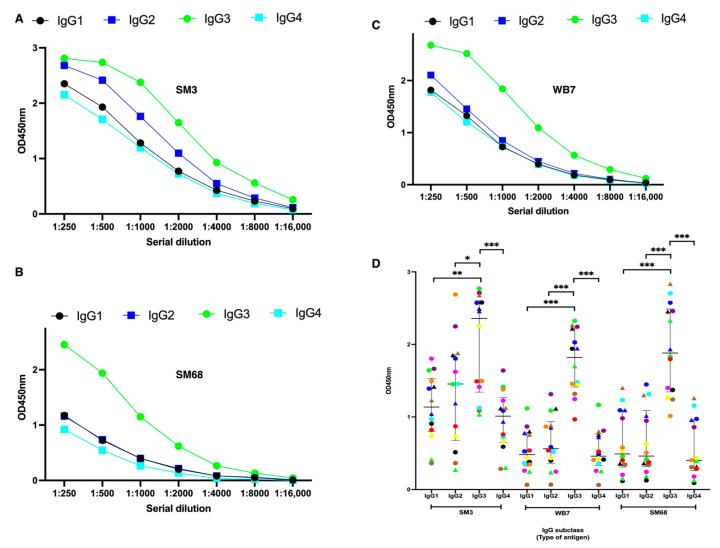 Figure 6
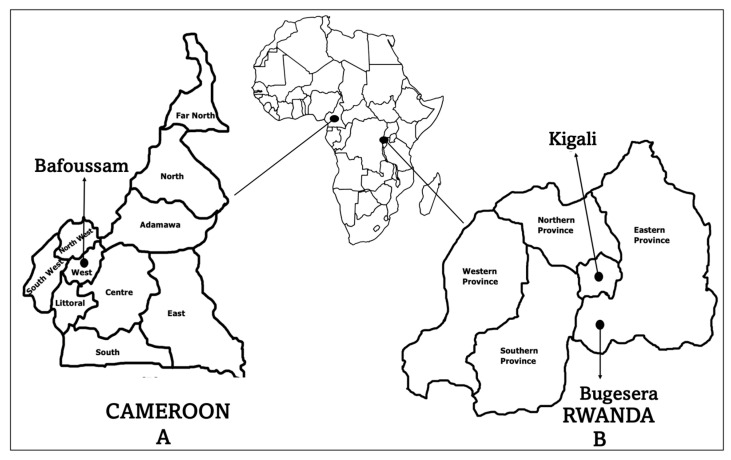 Figure 7
Peer Reviews
No public reviews on file for this paper yet. If you reviewed it on a platform where reviews are public (OpenReview, ICLR, NeurIPS, ICML), you can paste yours below so the community can read it here.
Videos
No videos yet. Explain this paper in a talk, walkthrough, or lecture? Add one.
Taxonomy
TopicsMalaria Research and Control · Mosquito-borne diseases and control · Computational Drug Discovery Methods