Ergolide Regulates Microglial Activation and Inflammatory-Mediated Dysfunction: A Role for the Cysteinyl Leukotriene Pathway
Danielle M. Galvin, Sara Fernandez-Garcia, Emma Dawson, Ciara Pryce, Billy P. Egan, Niamh C. Clarke, Alison L. Reynolds, Derek A. Costello

TL;DR
Ergolide, a natural compound, reduces brain inflammation and improves behavior in zebrafish, suggesting potential for treating neurodegenerative diseases.
Contribution
Ergolide's neuroprotective effects via the CysLT pathway are newly identified in a zebrafish model of inflammation.
Findings
Ergolide reduces microglial inflammation and nitric oxide production in vitro.
Ergolide improves survival and sensorimotor behavior in zebrafish with inflammation.
Ergolide shows pro-oxidant effects on neuroblastoma cells but not on neurons.
Abstract
Neurodegenerative diseases are characterised by the progressive loss of neurons, leading to a decline in specific brain functions. Alzheimer’s disease (AD) and Parkinson’s disease (PD) are the most prevalent, affecting approximately 60 million people worldwide. The pathogenesis of these diseases is complex, combining inflammatory, oxidative, and excitotoxic processes that result in neuronal dysfunction and death. Despite recent advances, there is currently no cure for AD and PD. Available therapies demonstrate limited efficacy, highlighting the continuing need for novel therapeutic approaches. Ergolide, a naturally occurring sesquiterpene lactone from the Inula brittanica plant, has shown immunoregulatory properties in systemic immune cells and potential applications in certain cancers. This study examines whether the therapeutic effects of ergolide extend to the brain. We explored its…
Genes, proteins, chemicals, diseases, species, mutations and cell lines named across the full text — each resolved to its canonical identifier and authoritative record.
Click any figure to enlarge with its caption.
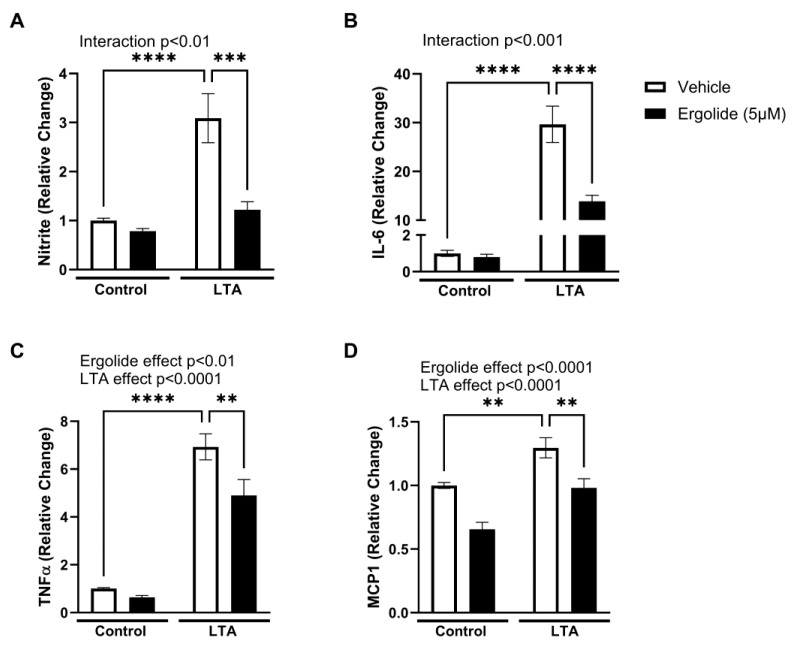 Figure 1
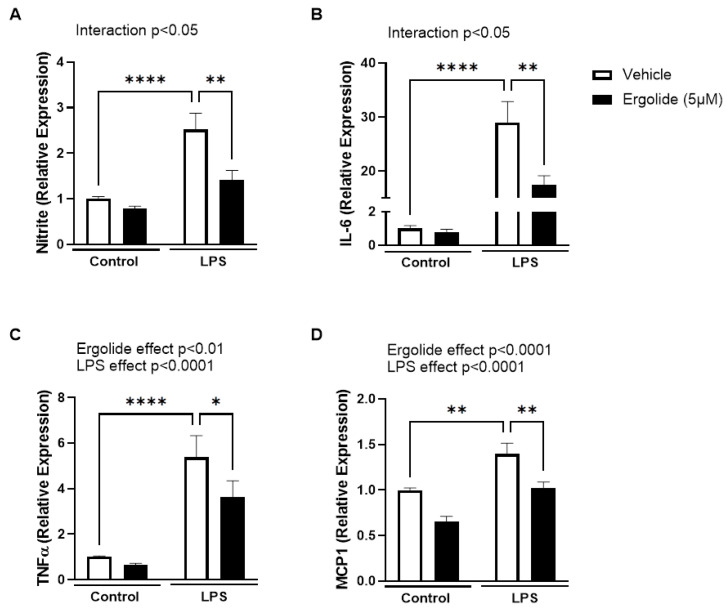 Figure 2
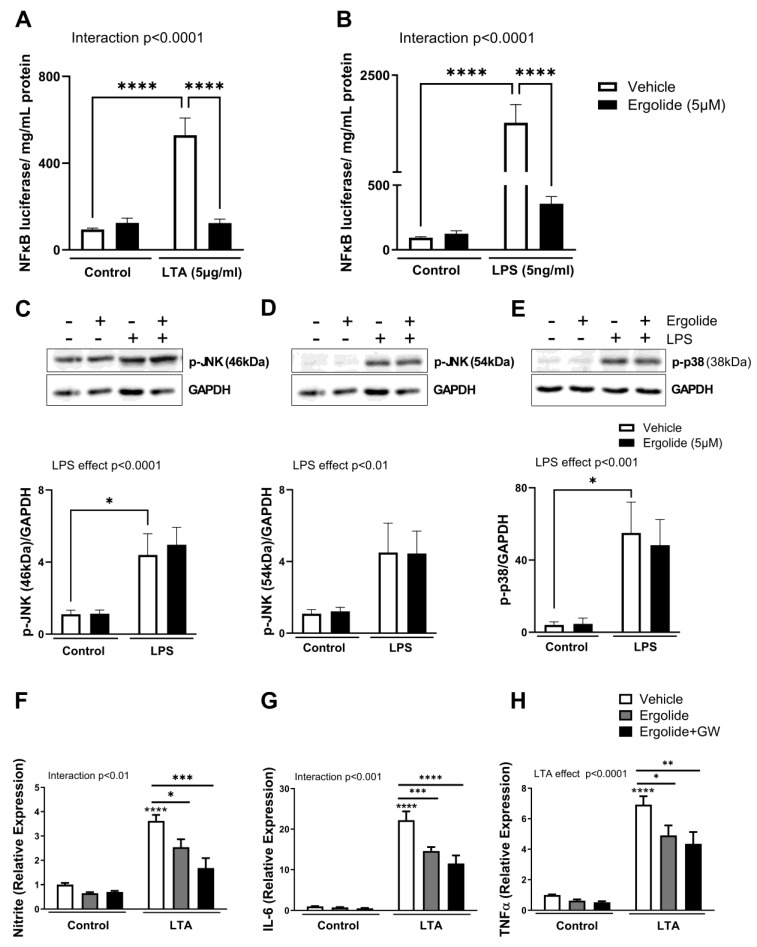 Figure 3
 Figure 4
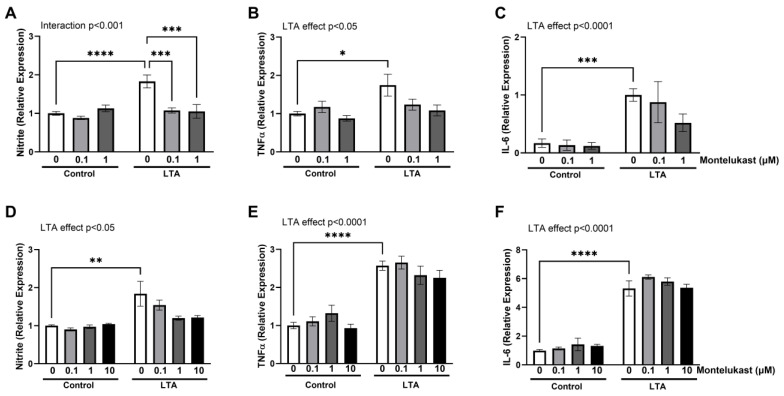 Figure 5
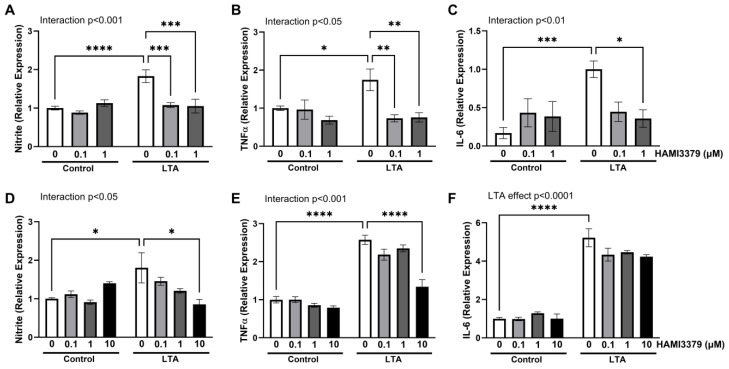 Figure 6
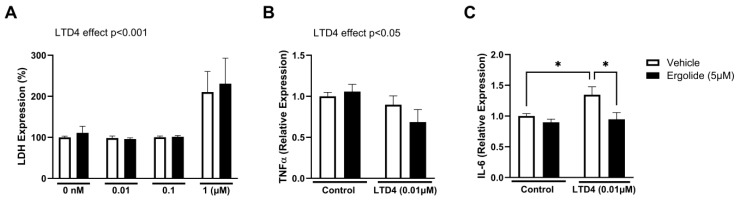 Figure 7
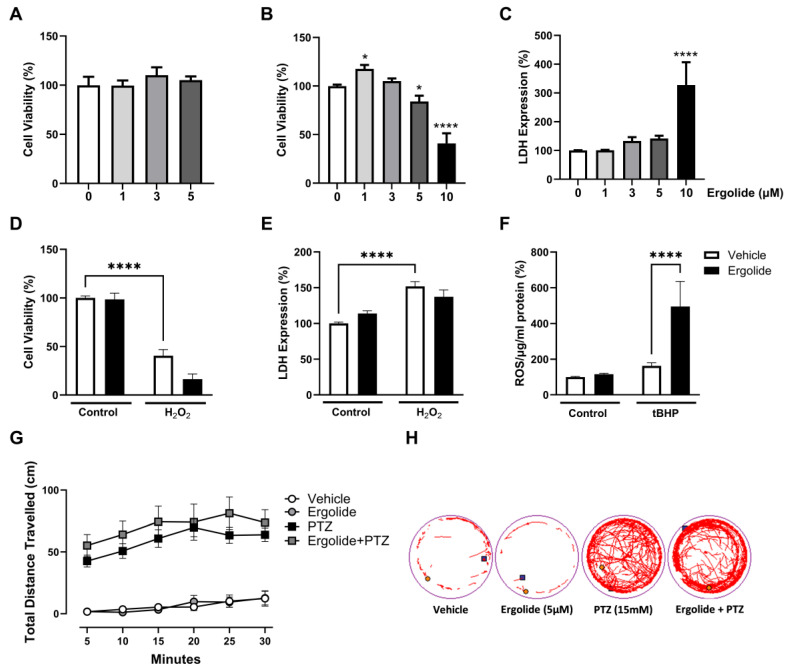 Figure 8
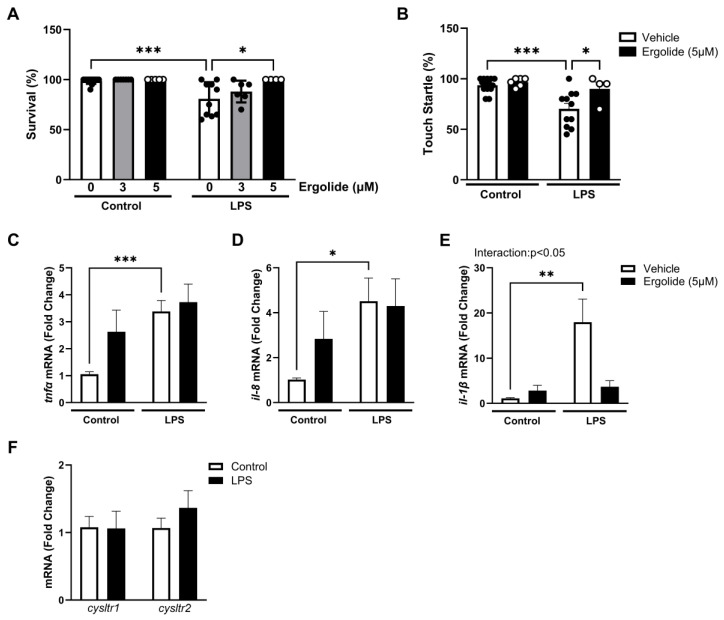 Figure 9
Peer Reviews
No public reviews on file for this paper yet. If you reviewed it on a platform where reviews are public (OpenReview, ICLR, NeurIPS, ICML), you can paste yours below so the community can read it here.
Videos
No videos yet. Explain this paper in a talk, walkthrough, or lecture? Add one.
Taxonomy
TopicsNeuroinflammation and Neurodegeneration Mechanisms · Zebrafish Biomedical Research Applications · Sphingolipid Metabolism and Signaling