A Convolutional Mixer-Based Deep Learning Network for Alzheimer’s Disease Classification from Structural Magnetic Resonance Imaging
M. Krithika Alias Anbu Devi, K. Suganthi

TL;DR
This paper introduces a new deep learning model that accurately classifies Alzheimer's disease stages using brain scans, outperforming existing methods.
Contribution
A novel convolutional mixer-based architecture with hybrid sampling and explainable AI for AD classification from sMRI.
Findings
The proposed model achieves 98.87% accuracy in classifying Alzheimer's disease stages from sMRI scans.
It outperforms state-of-the-art transfer learning models like VGG19, DenseNet201, and ResNet152.
A hybrid SMOTE-ENN sampling approach effectively addresses class imbalance in medical imaging datasets.
Abstract
Objective: Alzheimer’s disease (AD) is a neurodegenerative disorder that severely impairs cognitive function across various age groups, ranging from early to late sixties. It progresses from mild to severe stages, so an accurate diagnostic tool is necessary for effective intervention and treatment planning. Methods: This work proposes a novel AD classification architecture that integrates depthwise separable convolutional layers with traditional convolutional layers to efficiently extract features from structural magnetic resonance imaging (sMRI) scans. This model benefits from excellent feature extraction and lightweight operation, which reduces the number of parameters without compromising accuracy. The model learns from scratch with optimized weight initialization, resulting in faster convergence and improved generalization. However, medical imaging datasets contain class imbalance…
Genes, proteins, chemicals, diseases, species, mutations and cell lines named across the full text — each resolved to its canonical identifier and authoritative record.
Click any figure to enlarge with its caption.
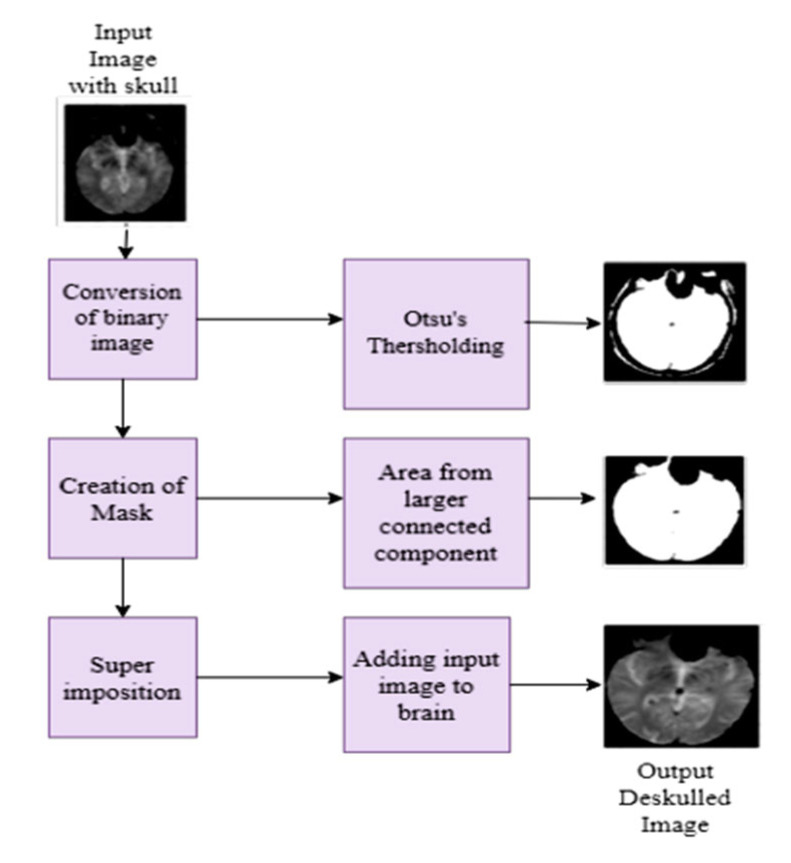 Figure 1
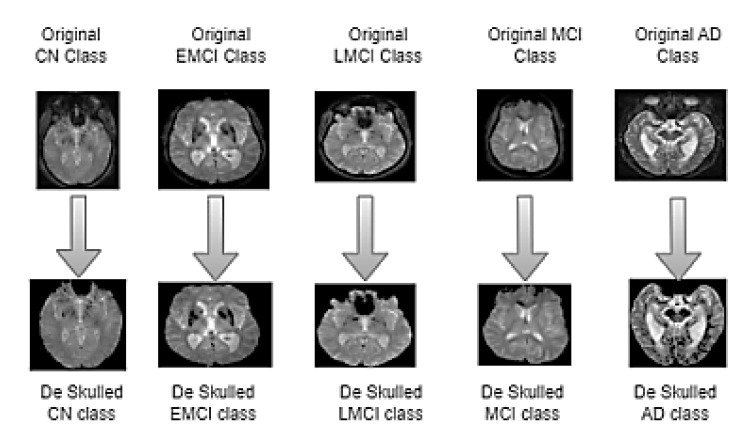 Figure 2
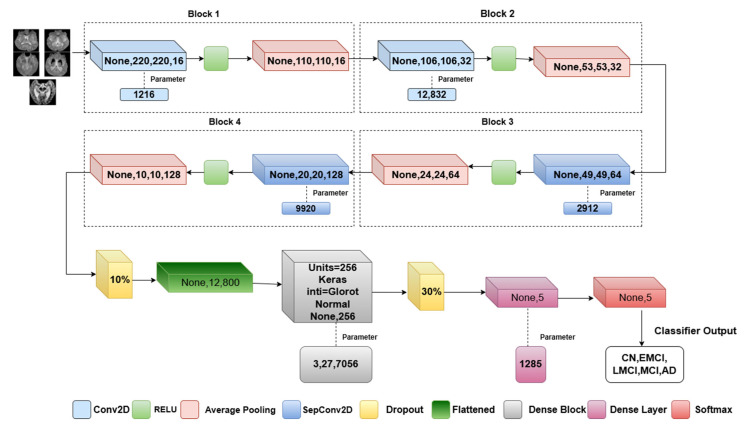 Figure 3
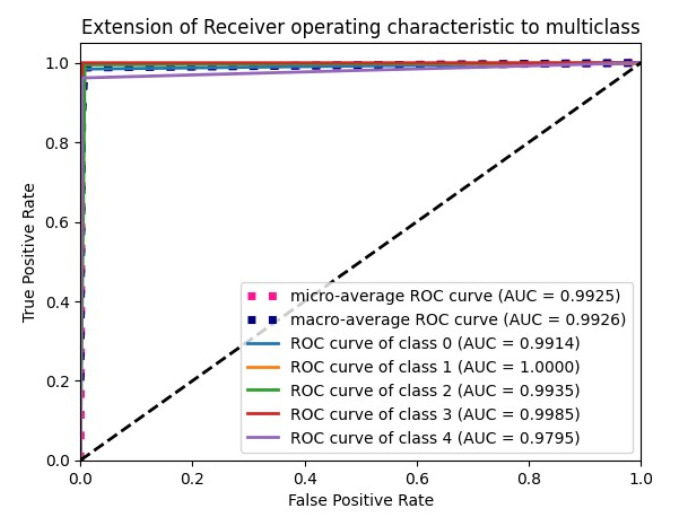 Figure 4
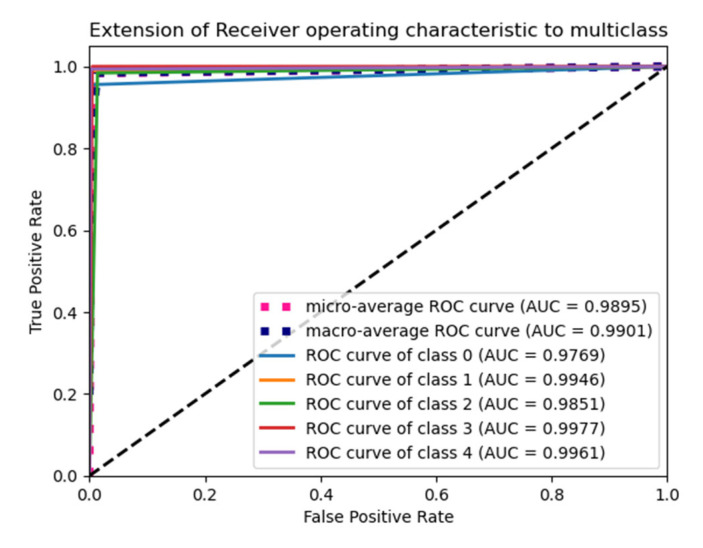 Figure 5
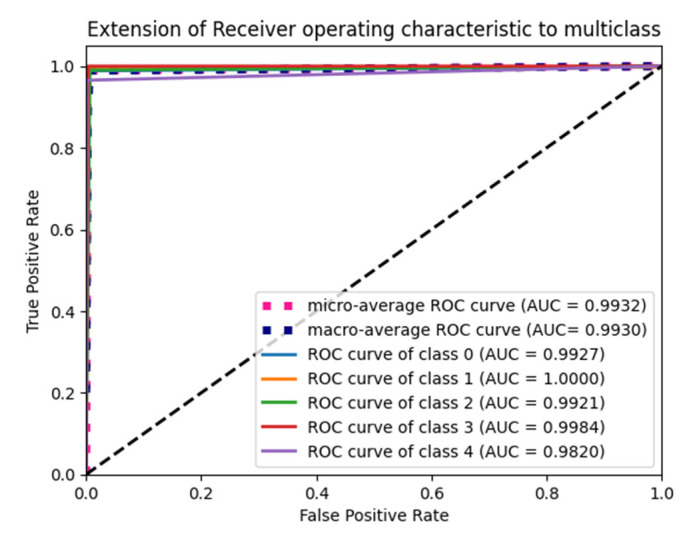 Figure 6
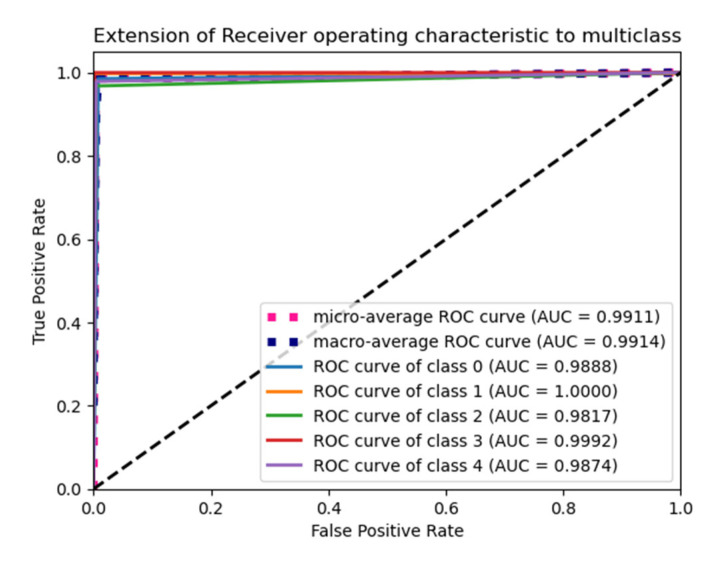 Figure 7
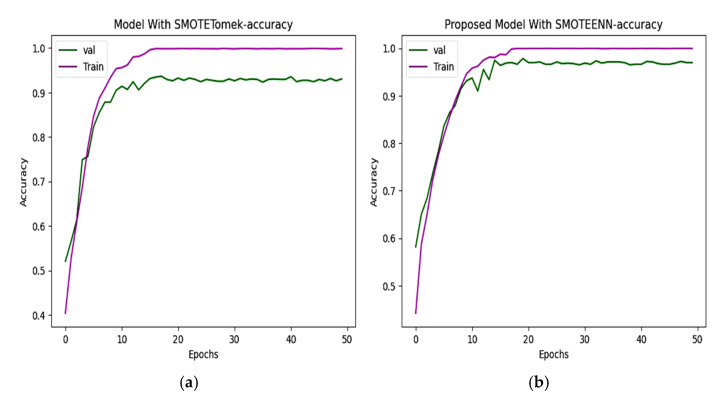 Figure 8
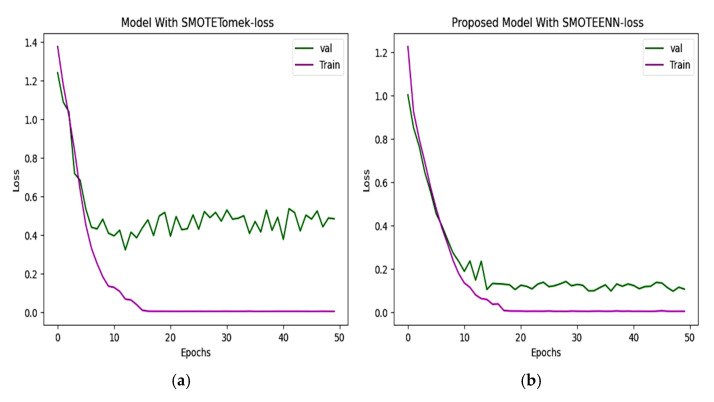 Figure 9
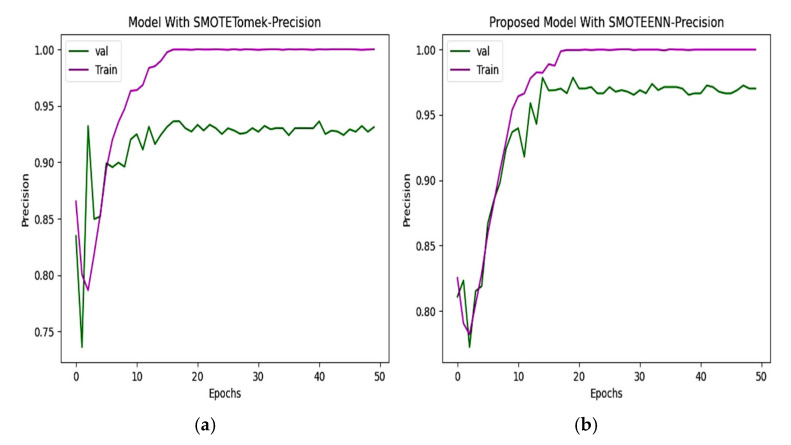 Figure 10
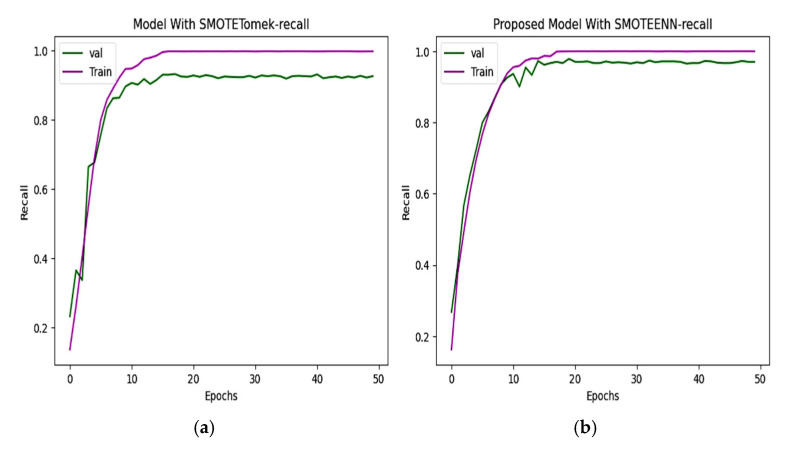 Figure 11
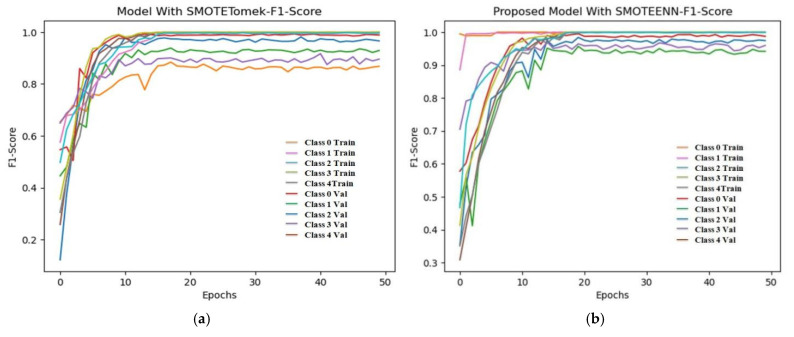 Figure 12
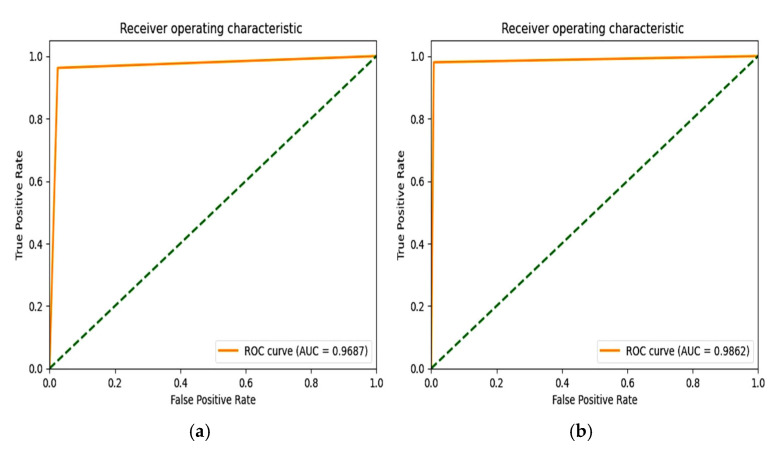 Figure 13
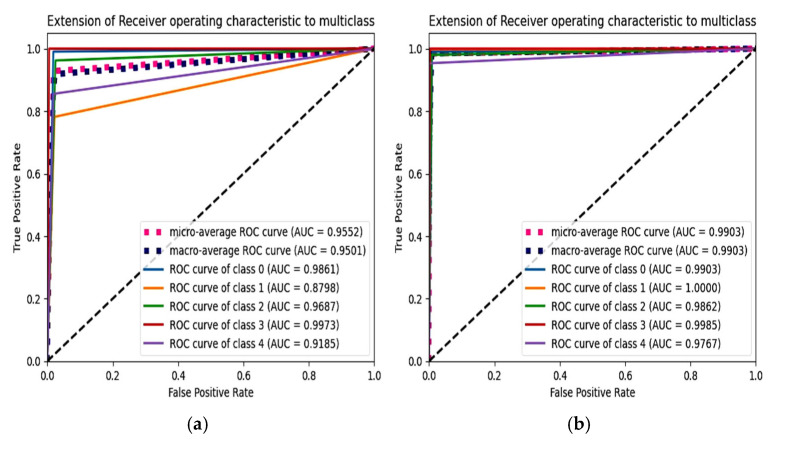 Figure 14
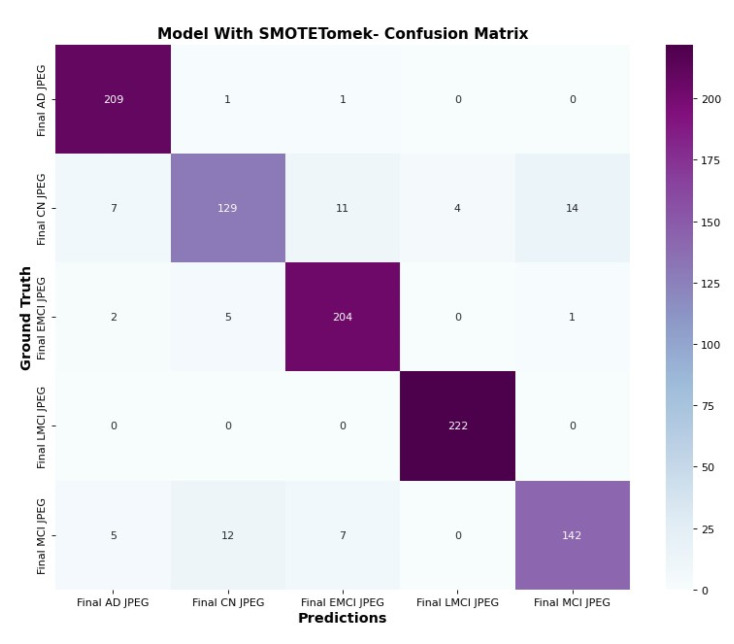 Figure 15
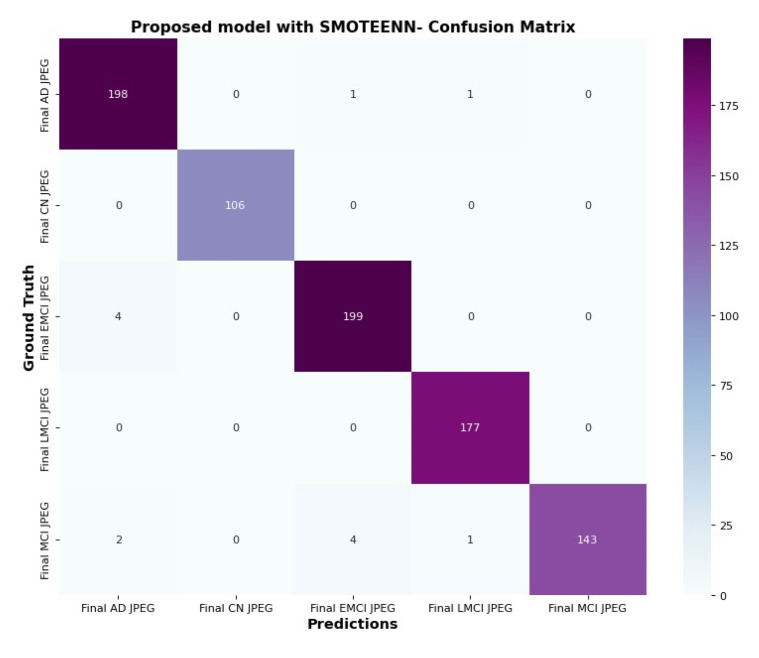 Figure 16
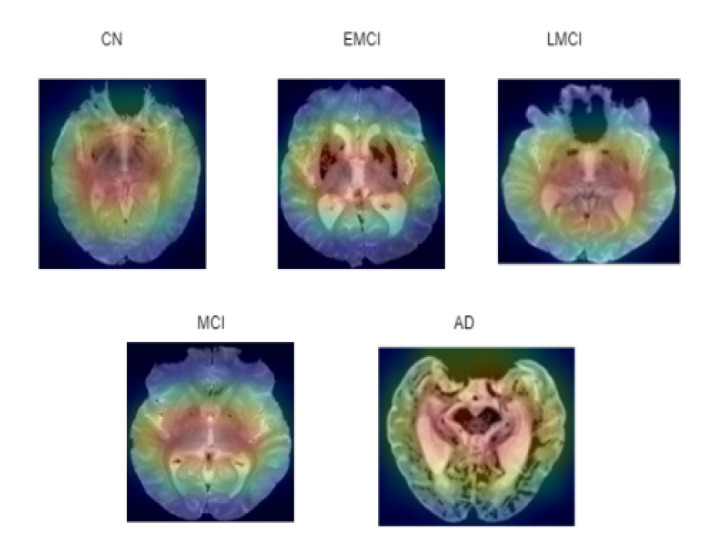 Figure 17
Peer Reviews
No public reviews on file for this paper yet. If you reviewed it on a platform where reviews are public (OpenReview, ICLR, NeurIPS, ICML), you can paste yours below so the community can read it here.
Videos
No videos yet. Explain this paper in a talk, walkthrough, or lecture? Add one.
Taxonomy
TopicsBrain Tumor Detection and Classification · Dementia and Cognitive Impairment Research · AI in cancer detection