Niraparib Plus Aromatase Inhibitors for Hormone Receptor-Positive/HER2-Negative Advanced Breast Cancer with a Germline BRCA Mutation
Laura Lema, José Manuel Pérez-García, Salvador Blanch, Judith Balmaña, José Ángel García-Sáenz, Elena Filipovich Vegas, Begoña Jiménez, Juan de la Haba, Marta Campolier, Eileen Shimizu, Daniel Alcalá-López, Miguel Sampayo-Cordero, Javier Cortés, Antonio Llombart-Cussac

TL;DR
This study shows that combining niraparib and aromatase inhibitors may be an effective treatment for advanced breast cancer in patients with BRCA mutations.
Contribution
The study demonstrates the potential of combining PARP inhibitors with aromatase inhibitors in BRCA-mutated breast cancer patients.
Findings
The clinical benefit rate was 46.2% in patients with BRCA mutations.
Median progression-free survival was 5.5 months and median overall survival was 18.1 months.
The treatment had a manageable safety profile consistent with known drug toxicities.
Abstract
This study focuses on finding better treatments for women with advanced breast cancer who have certain genetic mutations. BRCA proteins are essential for repairing damaged DNA, and when these proteins are defective, it can lead to breast cancer. Women with BRCA mutations are at a higher risk of developing this cancer. The LUZERN study explored the combination of two drugs—niraparib, a PARP inhibitor, and aromatase inhibitors—to treat women with HR-positive/HER2-negative advanced breast cancer, particularly those with BRCA mutations or other DNA repair issues. The main goal was to see if this combination could provide a clinical benefit, meaning if it helped shrink the tumors or stabilize the disease for at least 24 weeks. This study found promising results, suggesting that this combination therapy might be an effective treatment for these patients, although more research is needed to…
Genes, proteins, chemicals, diseases, species, mutations and cell lines named across the full text — each resolved to its canonical identifier and authoritative record.
Click any figure to enlarge with its caption.
 Figure 1
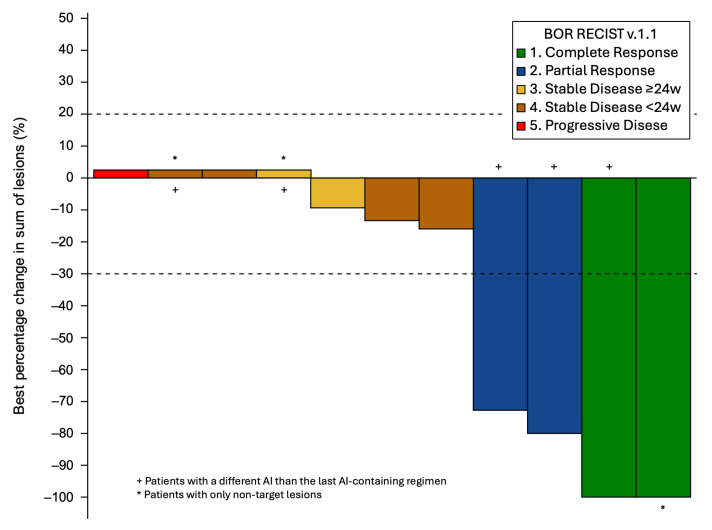 Figure 2
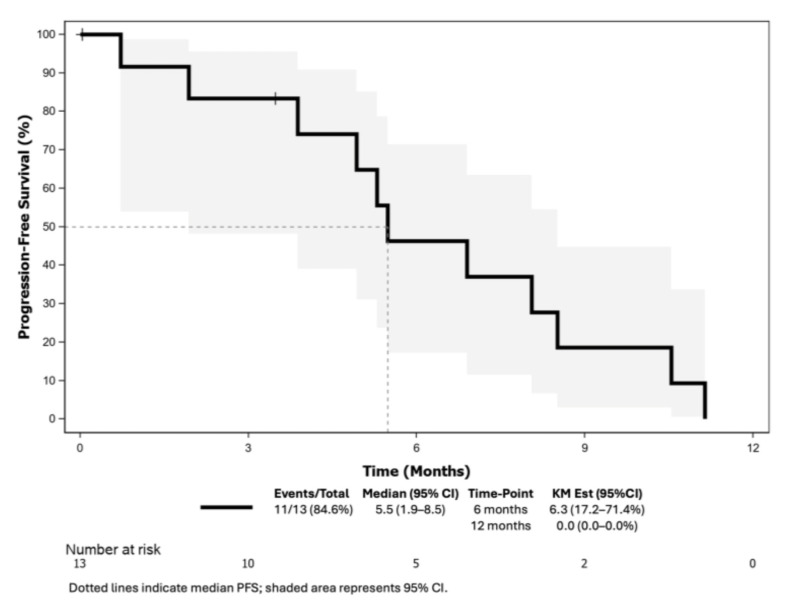 Figure 3
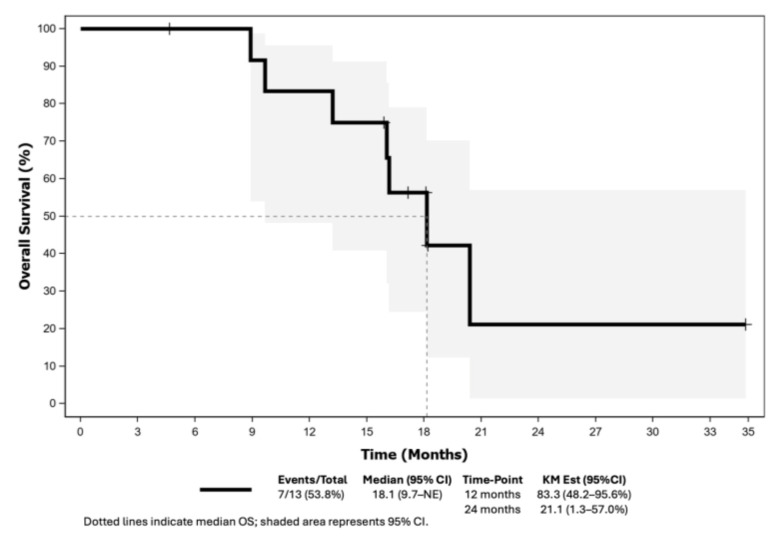 Figure 4
Peer Reviews
No public reviews on file for this paper yet. If you reviewed it on a platform where reviews are public (OpenReview, ICLR, NeurIPS, ICML), you can paste yours below so the community can read it here.
Videos
No videos yet. Explain this paper in a talk, walkthrough, or lecture? Add one.
Taxonomy
TopicsPARP inhibition in cancer therapy · BRCA gene mutations in cancer · Advanced Breast Cancer Therapies