Neurobehavioral Comorbidities in Canine Idiopathic Epilepsy: New Insights into Cognitive and Emotional Domains
Rosado Belén, Palacio Jorge, Menchaca Carolina, García-Belenguer Sylvia

TL;DR
This study explores how dogs with epilepsy show different behavioral changes, finding two distinct patterns that affect treatment response and quality of life.
Contribution
The study introduces a novel behavioral stratification framework for canine idiopathic epilepsy using cluster analysis.
Findings
Two distinct neurobehavioral profiles (Cognitive and Emotional) were identified in dogs with idiopathic epilepsy.
The Cognitive profile was linked to poorer seizure control and lower quality of life, while the Emotional profile was associated with better outcomes.
Behavioral changes like attachment-seeking and cognitive decline were common post-seizure onset.
Abstract
Epilepsy is one of the most common neurological conditions in dogs. In addition to seizures, many affected dogs show changes in their behavior during the periods between seizures, such as decreased trainability, increased anxiety/fear, or being unusually clingy with their owners. In this study, we examined the behavior of 70 dogs with idiopathic epilepsy, based on information provided by their owners before and after the onset of seizures. We found that some behaviors—such as difficulties in learning new tricks, separation-related problems and increased contact-seeking, changes in eating habits, and demented behaviors—became more frequent after seizures started. We then grouped the dogs based on their behavior patterns and identified two distinct profiles: one characterized by signs related to cognitive decline and another with more emotional behaviors like anxiety/fear, aggression, or…
Genes, proteins, chemicals, diseases, species, mutations and cell lines named across the full text — each resolved to its canonical identifier and authoritative record.
Click any figure to enlarge with its caption.
 Figure 1
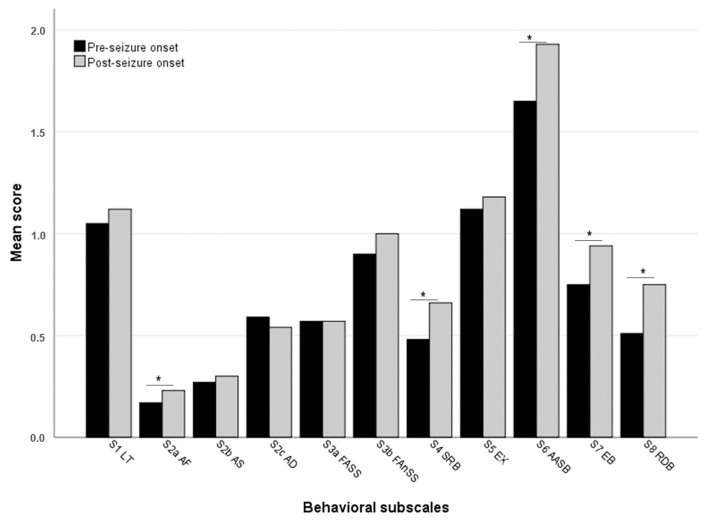 Figure 2
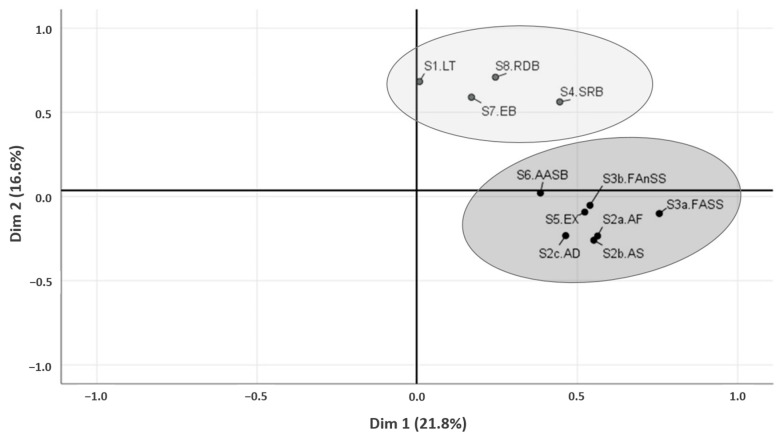 Figure 3
Peer Reviews
No public reviews on file for this paper yet. If you reviewed it on a platform where reviews are public (OpenReview, ICLR, NeurIPS, ICML), you can paste yours below so the community can read it here.
Videos
No videos yet. Explain this paper in a talk, walkthrough, or lecture? Add one.
Taxonomy
TopicsHuman-Animal Interaction Studies · Infant Health and Development · Neuroendocrine regulation and behavior