A Novel Primary Cell Line Model of Localized Prostate Cancer and Radioresistance—A Role for Nicotinamide N-Methyltransferase
Jessica A. Wright, Stephanie D. White, Gavin Frame, Ana Bosiljkov, Shahbaz Khan, Roni Haas, Qian Yang, Minzhi Sheng, Xiaoyong Huang, Geoff S. Higgins, Ian Mills, Michelle R. Downes, Danny Vesprini, Hans T. Chung, Robert A. Screaton, Hon S. Leong, Paul C. Boutros

TL;DR
Researchers developed a new prostate cancer cell line and a radioresistant version to study treatment resistance and identified a gene, NNMT, that could help make radiotherapy more effective.
Contribution
A novel primary prostate cancer cell line and a paired radioresistant subline were developed, with NNMT identified as a radiosensitization target.
Findings
NNMT was the most dysregulated gene in the radioresistant CaB34-CF cell line.
Knockdown of NNMT increased radiosensitivity through cellular senescence in CaB34-CF cells.
3D organoid assays confirmed radiosensitization effects of NNMT knockdown.
Abstract
Prostate cancer cell lines are particularly clinically homogenous, mostly representing metastatic states rather than localized disease. While there has been significant work in the development of additional models, few have been created without oncogenic transformation. We derived a primary prostate cancer cell line from a patient with localized Gleason 7 prostate cancer—designated CaB34—which spontaneously immortalized. We leveraged CaB34 to generate a paired radioresistant subline, CaB34-CF, using a clinically relevant fractionated radiotherapy schedule. These two paired cell lines were investigated extensively to determine their molecular characteristics and therapy responses. Both CaB34 and CaB34-CF express prostate-specific markers, including KRT18, NKX3.1, and AMACR. Multi-omic analyses using RNAseq and shotgun proteomics identified NNMT as the most significantly dysregulated…
Genes, proteins, chemicals, diseases, species, mutations and cell lines named across the full text — each resolved to its canonical identifier and authoritative record.
Click any figure to enlarge with its caption.
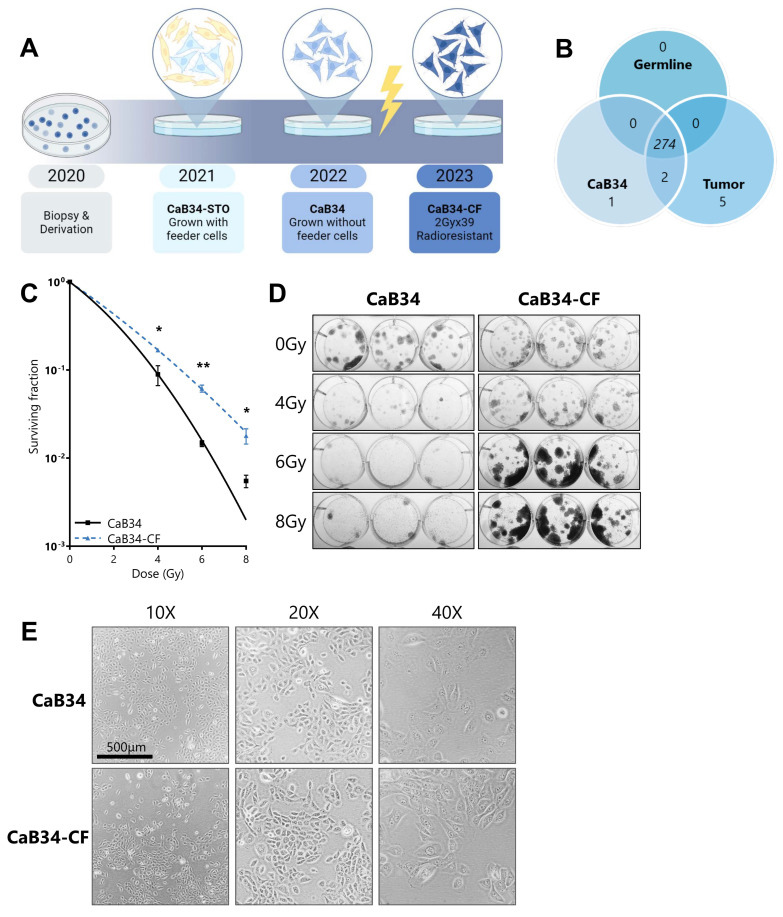 Figure 1
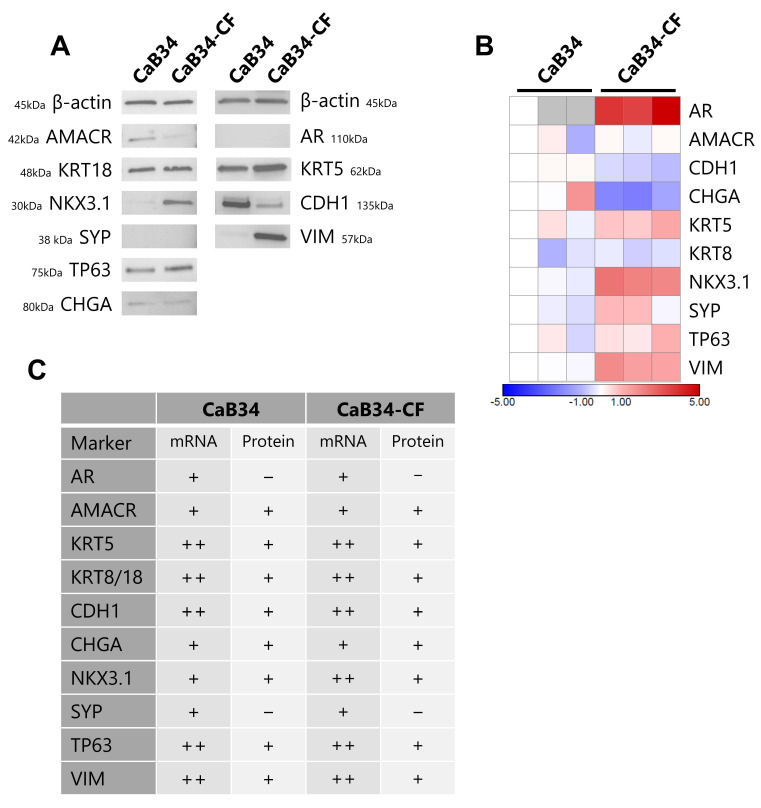 Figure 2
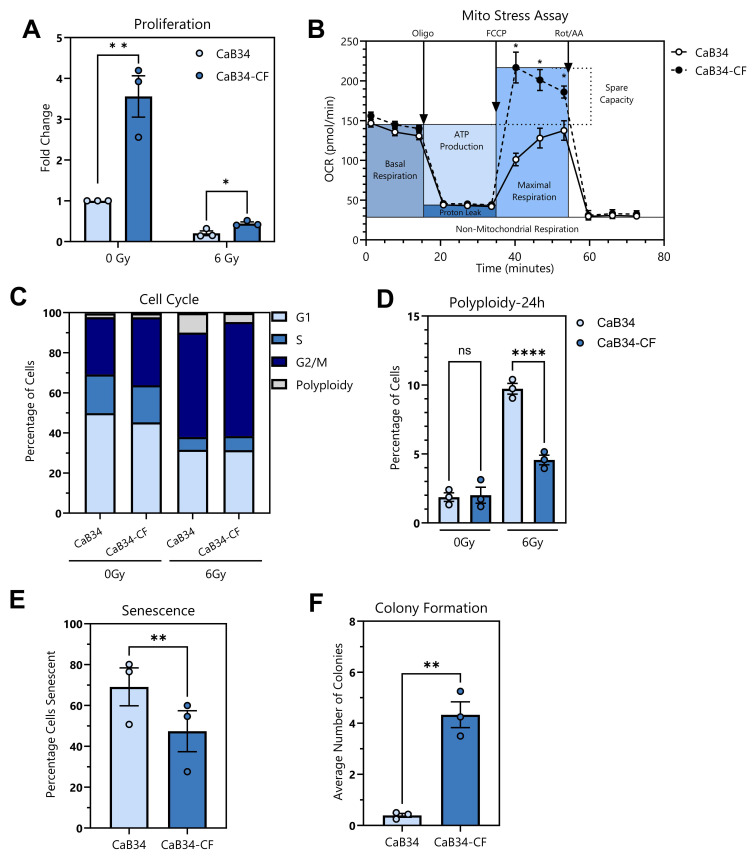 Figure 3
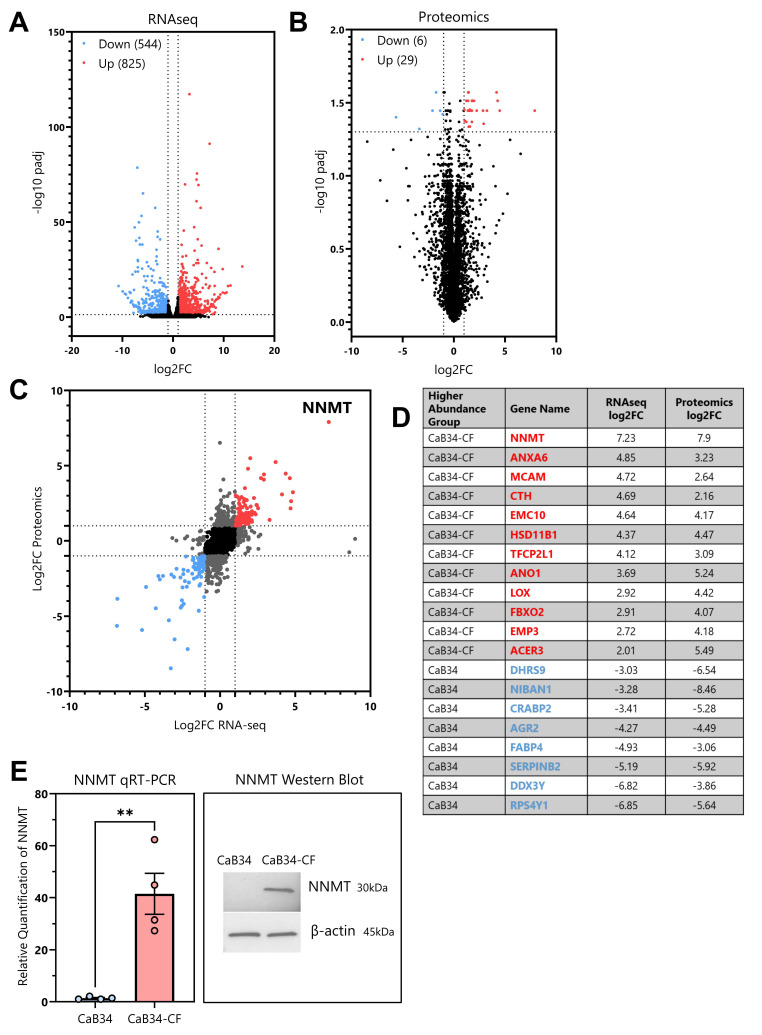 Figure 4
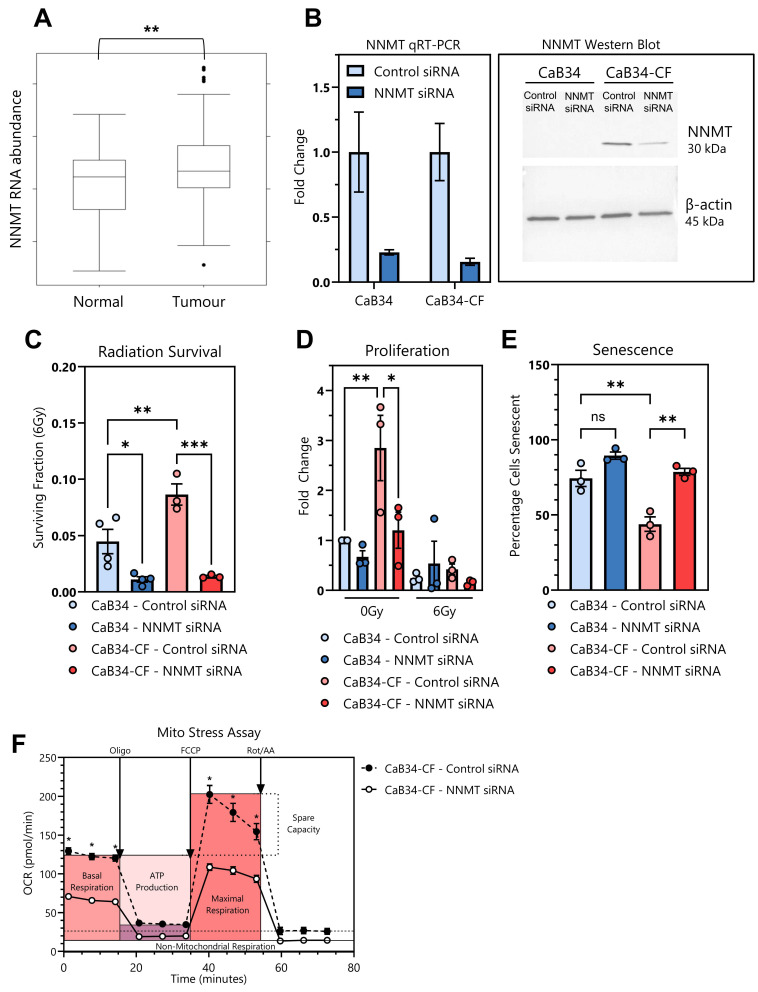 Figure 5
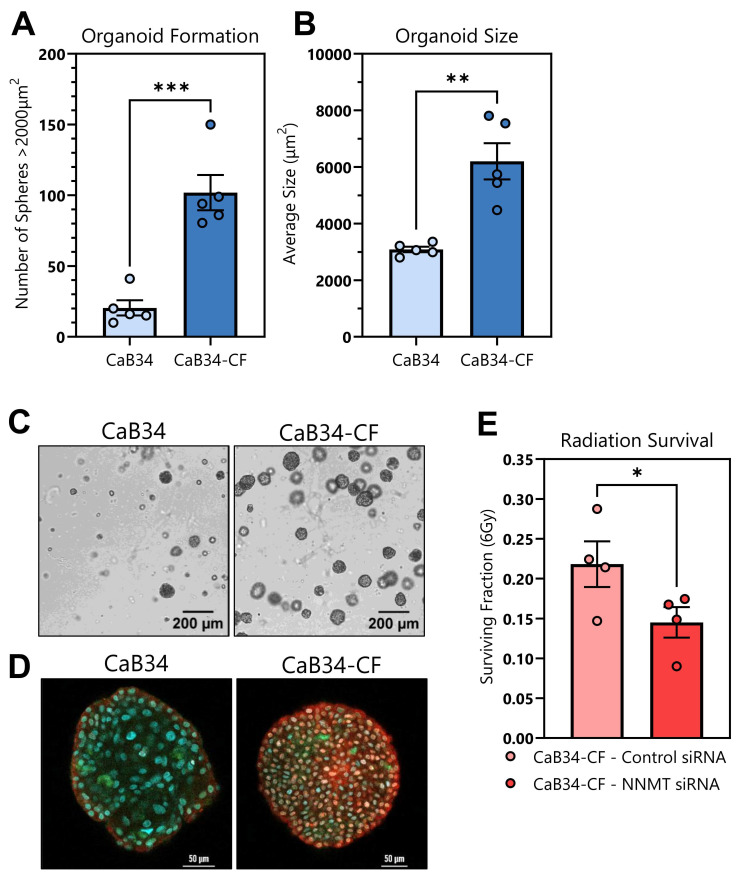 Figure 6
Peer Reviews
No public reviews on file for this paper yet. If you reviewed it on a platform where reviews are public (OpenReview, ICLR, NeurIPS, ICML), you can paste yours below so the community can read it here.
Videos
No videos yet. Explain this paper in a talk, walkthrough, or lecture? Add one.
Taxonomy
TopicsPARP inhibition in cancer therapy · RNA modifications and cancer · Sirtuins and Resveratrol in Medicine