Apricot Bee Pollen Alleviates Deoxynivalenol-Induced Cellular Toxicity in Bovine Granulosa Cells
Ce Lv, Xiaoxue Zheng, Hanxiao Wu, Peihao Sun, Qun Lu, Fang Fang, Mingxiao Liu, Shuo Zhou, Rui Liu, Xiang Li, Liguo Yang, Aixin Liang

TL;DR
Apricot bee pollen helps protect cow egg-supporting cells from damage caused by a harmful fungus toxin, suggesting it could be a natural way to prevent reproductive issues.
Contribution
Apricot bee pollen ethanol extract is shown to mitigate deoxynivalenol-induced toxicity in bovine granulosa cells through antioxidant and estrogen-regulating effects.
Findings
Deoxynivalenol induces apoptosis, estrogen dysfunction, and oxidative stress in bovine granulosa cells.
Apricot bee pollen ethanol extract restores cell viability and estrogen balance while reducing oxidative stress.
ABPE upregulates antioxidant gene HO-1 and counteracts DON-induced ROS and MDA increases.
Abstract
In the present study, we explored the toxic effects and mechanisms of deoxynivalenol exposure in bovine granulosa cells, and observed that deoxynivalenol could induce apoptosis, estrogen dysfunction, and oxidative stress by increasing the levels of reactive oxygen species and malondialdehyde. Importantly, apricot bee pollen ethanol extract was found to mitigate the reduction in cell viability, restore estrogen balance, and alleviate oxidative stress in bovine granulosa cells induced by deoxynivalenol. Our study provides new insights regarding the protective effects of bee pollen against cellular toxicity induced by deoxynivalenol, suggesting that bee pollen is a promising natural agent for preventing reproductive toxicity caused by mycotoxin contamination. Apricot bee pollen is an important natural product that exhibits antioxidant, anti-inflammatory, and antimicrobial properties.…
Genes, proteins, chemicals, diseases, species, mutations and cell lines named across the full text — each resolved to its canonical identifier and authoritative record.
Click any figure to enlarge with its caption.
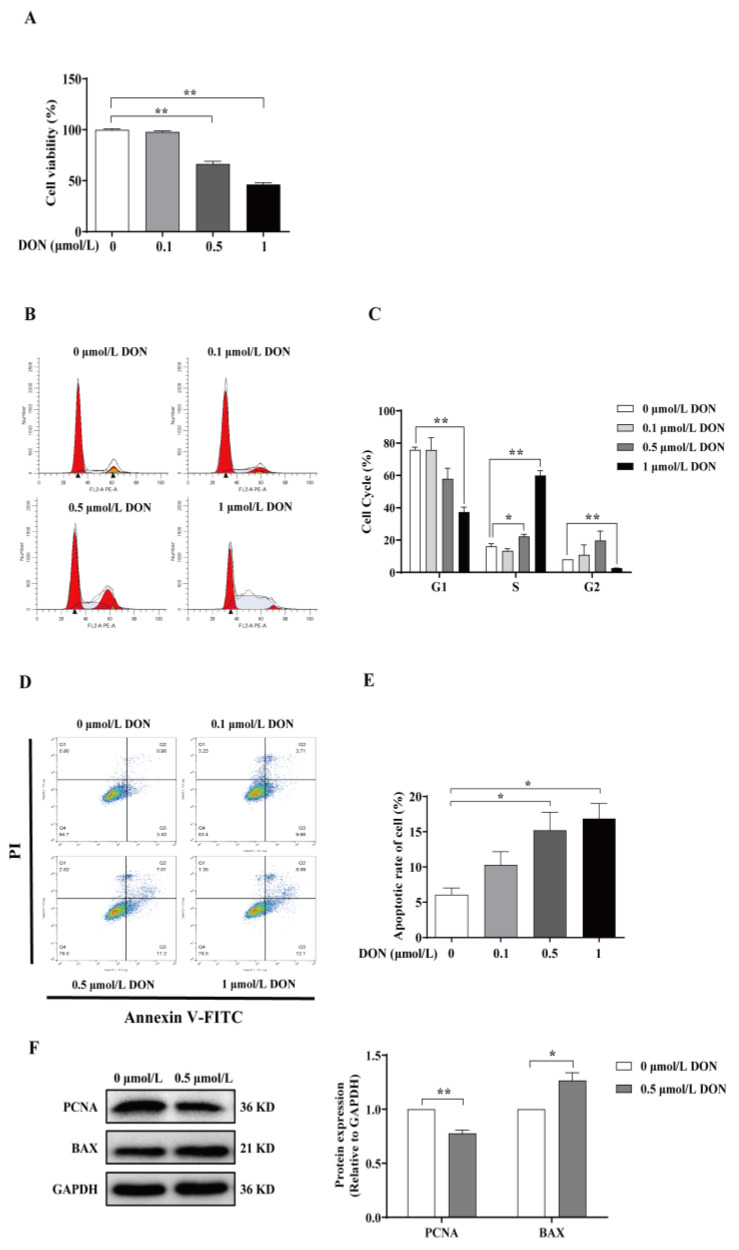 Figure 1
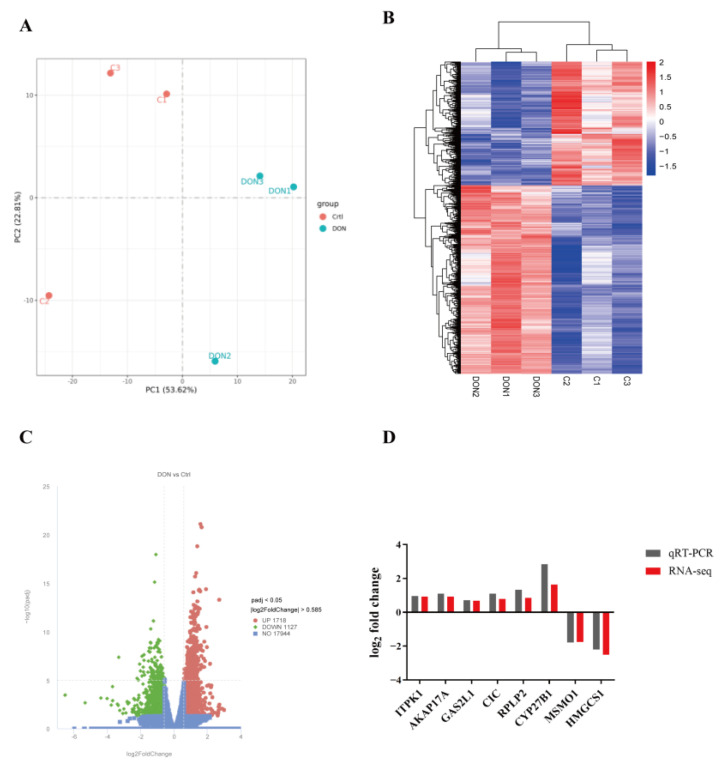 Figure 2
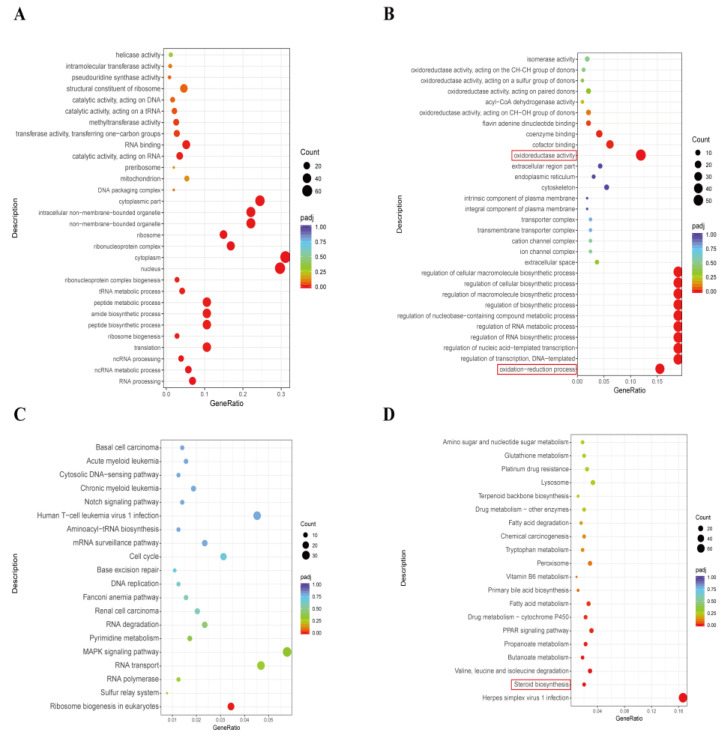 Figure 3
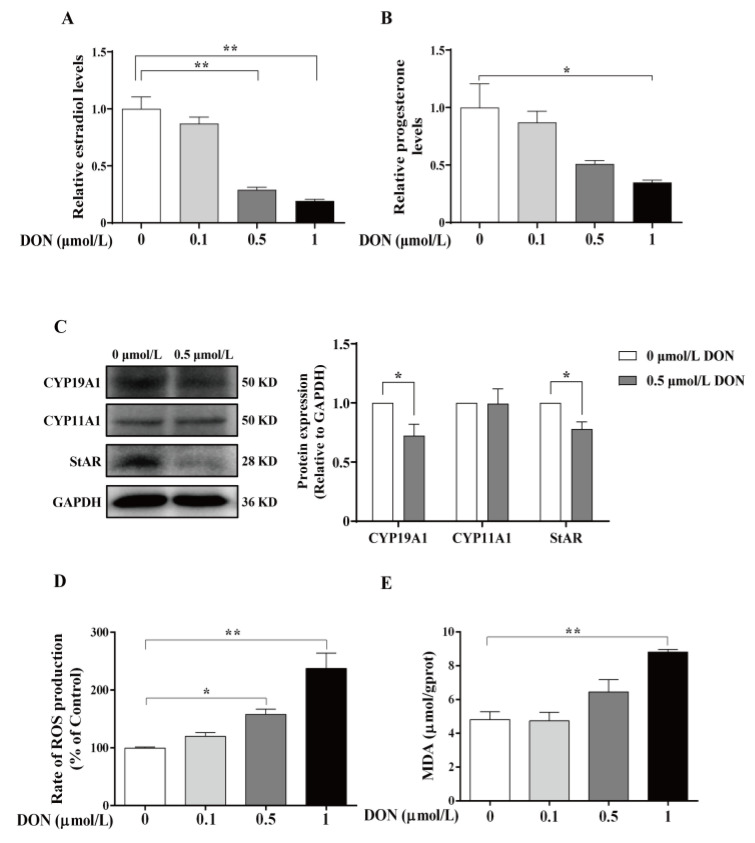 Figure 4
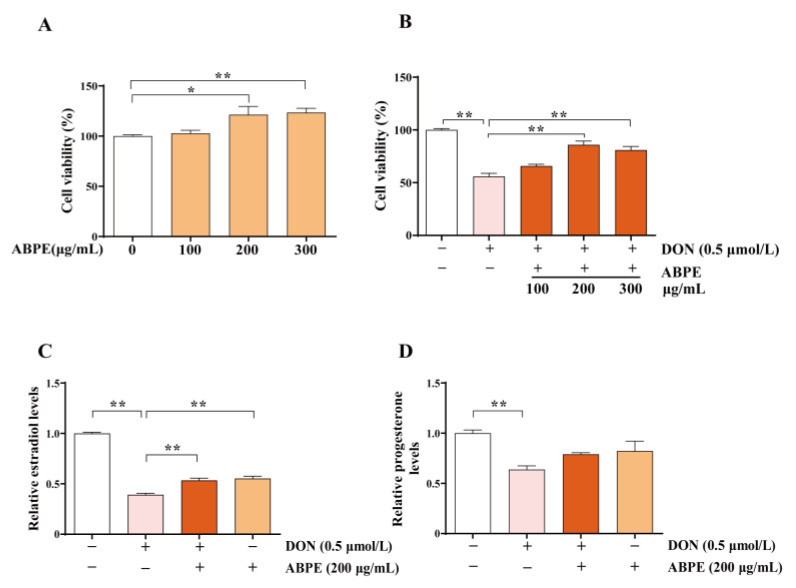 Figure 5
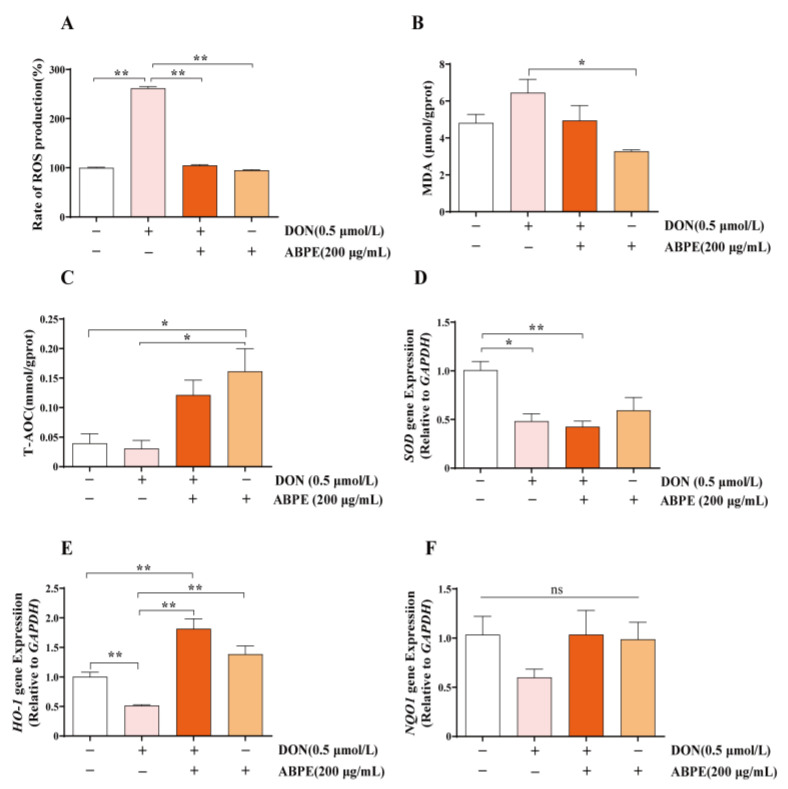 Figure 6
Peer Reviews
No public reviews on file for this paper yet. If you reviewed it on a platform where reviews are public (OpenReview, ICLR, NeurIPS, ICML), you can paste yours below so the community can read it here.
Videos
No videos yet. Explain this paper in a talk, walkthrough, or lecture? Add one.
Taxonomy
TopicsInsect and Pesticide Research · Mycotoxins in Agriculture and Food · Bee Products Chemical Analysis